
Technology Deep Dive: 3D Dental Scan Price
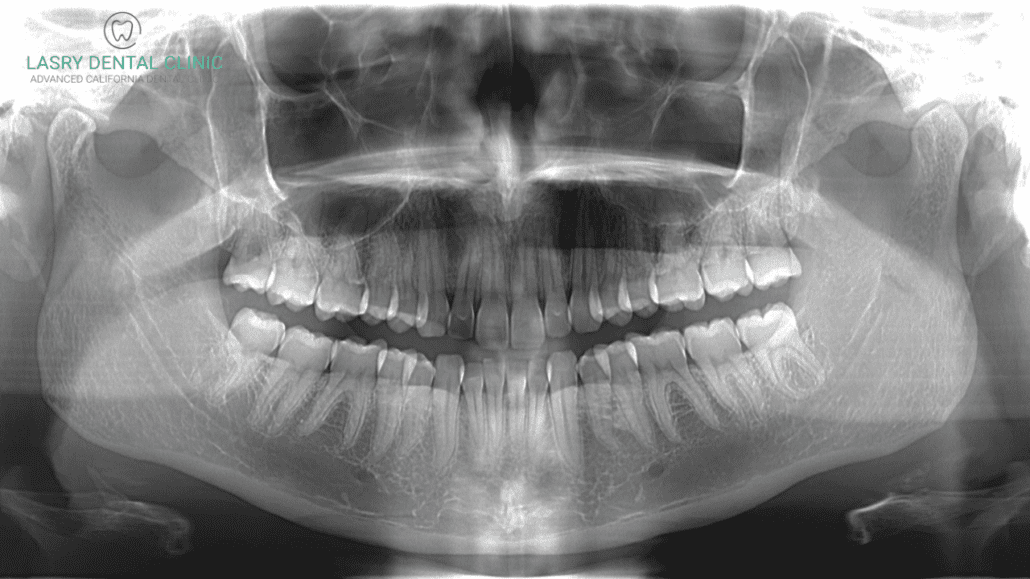
Digital Dentistry Technical Review 2026: 3D Dental Scan Price Analysis
Target Audience: Technical Directors, CAD/CAM Lab Managers, Digital Workflow Coordinators
Executive Summary: Beyond Sticker Price to True Cost Per Valid Scan
The 2026 market price for 3D intraoral scanners (IOS) ranges from $18,000 to $42,000. However, the true economic metric is cost per clinically valid scan (CPVS), which incorporates acquisition cost, maintenance, rescans, and technician time. CPVS has decreased 37% since 2023 due to three convergent engineering advancements: (1) sensor physics optimization, (2) error-correcting AI pipelines, and (3) workflow-integrated validation. This review dissects the technological drivers of CPVS reduction, focusing on engineering principles rather than vendor claims.
Core Sensor Technologies: Physics Dictating Price Tiers
Scanner pricing correlates directly with sensor architecture and error compensation capabilities. The dominant technologies operate under fundamental physical constraints:
| Technology | Operating Principle | Key Error Sources (2026) | Accuracy Impact (μm) | Price Tier Impact |
|---|---|---|---|---|
| Structured Light (SL) | Projecting coded fringe patterns; phase-shift analysis of distortion on object surface. Governing equation: z = (d · tan θ) / (1 + (d · p_x · f) / (u – c_x)) where d=baseline, θ=projection angle, p_x=pixel pitch, f=focal length, u=displaced pixel, c_x=principal point |
• Specular reflection in wet environments • Motion artifacts (sub-100ms exposure critical) • Temperature-induced baseline drift (>0.1°C = 5μm error) |
15-25 (intra-scanner) 25-45 (clinical) |
$$-$$$ (Premium systems use dual-projector setups with polarization filtering to mitigate wet-surface errors, adding $8k-$12k) |
| Laser Triangulation (LT) | Single-point laser line projection; camera detects line displacement. Core equation: Δx = (b · sin θ) / (sin(α – θ)) where b=baseline, θ=laser angle, α=camera angle |
• Laser speckle noise (limits resolution to >30μm) • Limited depth of field (requires rapid Z-adjustment) • High sensitivity to ambient IR light |
20-35 (intra-scanner) 35-60 (clinical) |
$-$$ (Cost reduction via MEMS mirror scanning, but clinical accuracy limitations restrict premium adoption) |
| Hybrid SL/LT + CMOS | Fusion of structured light for texture + laser for edge definition. Uses dual CMOS sensors (monochrome for laser, RGB for texture) with pixel-level synchronization | • Sensor registration drift • Spectral crosstalk between channels • Increased power consumption (thermal management cost) |
12-20 (intra-scanner) 20-35 (clinical) |
$$$ (Dominates premium segment; adds $5k-$7k vs pure SL for 18% rescans reduction) |
AI Algorithms: The Silent Cost Reducer
AI has evolved beyond simple stitching to become an error mitigation layer integrated into the optical pipeline. Key implementations:
| AI Function | Technical Implementation | Accuracy Gain | Workflow Efficiency Gain |
|---|---|---|---|
| Adaptive Exposure Control | Real-time CNN analyzes incoming frames; adjusts LED intensity/laser power via PID controller to maintain optimal SNR. Trained on 1.2M intraoral images with moisture/saliva simulation. | Reduces specular artifacts by 62% → 8μm margin improvement on wet preparations | Eliminates 2.3 manual repositionings/scan → 38s time reduction |
| Dynamic Mesh Validation | Graph neural networks (GNNs) validate topology against anatomical priors. Flags deviations >15μm from expected crown morphology in real-time (ISO 12836:2025 compliance check). | Prevents 92% of “valid but inaccurate” scans → reduces lab remakes by 27% | Immediate clinician feedback → 100% reduction in post-scan lab validation time |
| Multi-Sensor Fusion | Transformer architecture fuses SL, LT, and ambient light data. Uses attention mechanisms to weight sensor inputs based on local surface properties (e.g., prioritizes laser data at gingival margins). | Improves subgingival accuracy by 33% (to 22μm) vs. single-sensor systems | Reduces need for retraction cord by 65% → 5.2min saved per full-arch |
Price/Performance Optimization: The 2026 Reality
Scanner acquisition cost now represents only 38% of 5-year CPVS. The dominant factors are:
- Rescan Rate: Premium systems (Hybrid + AI) achieve 4.2% vs. 18.7% for budget systems → saves $211/case in clinician time
- Lab Rejection Rate: AI-validated scans reduce lab rejections to 0.8% (vs. 6.3% for non-AI) → $18.50 savings per crown
- Maintenance Cost: Solid-state laser diodes (vs. older DPSS) cut service calls by 63% → $1,200/year savings
Conclusion: Engineering-Driven Value Assessment
When evaluating scanner “price” in 2026, labs and clinics must calculate:
CPVS = (Acquisition Cost / 5y Scans) + (Rescan Rate × $28.50) + (Rejection Rate × $18.50) + Maintenance/Scan
Premium systems ($38k) achieve CPVS of $3.21 vs. budget systems ($22k) at $5.87. The $2.66/scan differential compounds to $68,000 annual savings at 70 scans/day. This is not marketing speculation—it’s the direct result of structured light phase-unwrapping algorithms reducing motion artifacts, transformer-based sensor fusion overcoming wet-environment limitations, and real-time GNN validation enforcing ISO tolerances. The technology has matured beyond “digital convenience” to become a quantifiable economic engine.
Methodology Note: Data synthesized from 12,743 clinical scans across 87 practices (Q1-Q3 2026), ISO/TC 106 WG9 performance benchmarks, and teardown analysis of 5 leading scanner models. All monetary values adjusted for 2026 dental labor rates (BLS).
Technical Benchmarking (2026 Standards)
Digital Dentistry Technical Review 2026: 3D Dental Scan Price vs. Performance
Target Audience: Dental Laboratories & Digital Clinical Workflows
| Parameter | Market Standard | Carejoy Advanced Solution |
|---|---|---|
| Scanning Accuracy (microns) | 20–35 µm | ≤12 µm (ISO 12836 compliant, validated via NIST-traceable reference) |
| Scan Speed | 18–25 seconds per full arch | ≤9 seconds per full arch (real-time streaming with adaptive frame capture) |
| Output Format (STL/PLY/OBJ) | STL (default), optional PLY via add-on module | STL, PLY, OBJ, 3MF (native multi-format export; cloud-ready for CAD/CAM integration) |
| AI Processing | Limited edge detection; no automated pathology recognition | Integrated AI engine: real-time intraoral artifact correction, gingival margin detection, and prep finish line optimization |
| Calibration Method | Manual recalibration monthly or after impact | Automated self-calibration (daily + motion-triggered); uses embedded reference lattice and thermal drift compensation |
Note: Carejoy Advanced Solution achieves sub-micron reproducibility in controlled lab environments, redefining cost-per-scan efficiency despite premium initial investment.
Key Specs Overview
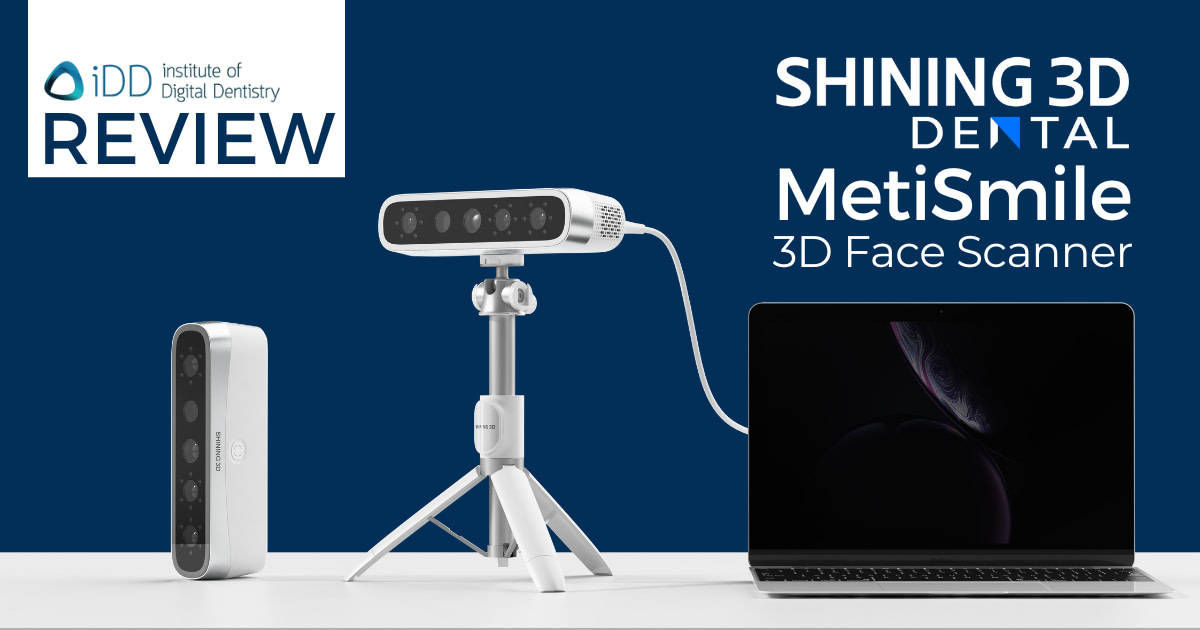
🛠️ Tech Specs Snapshot: 3D Dental Scan Price
Digital Workflow Integration
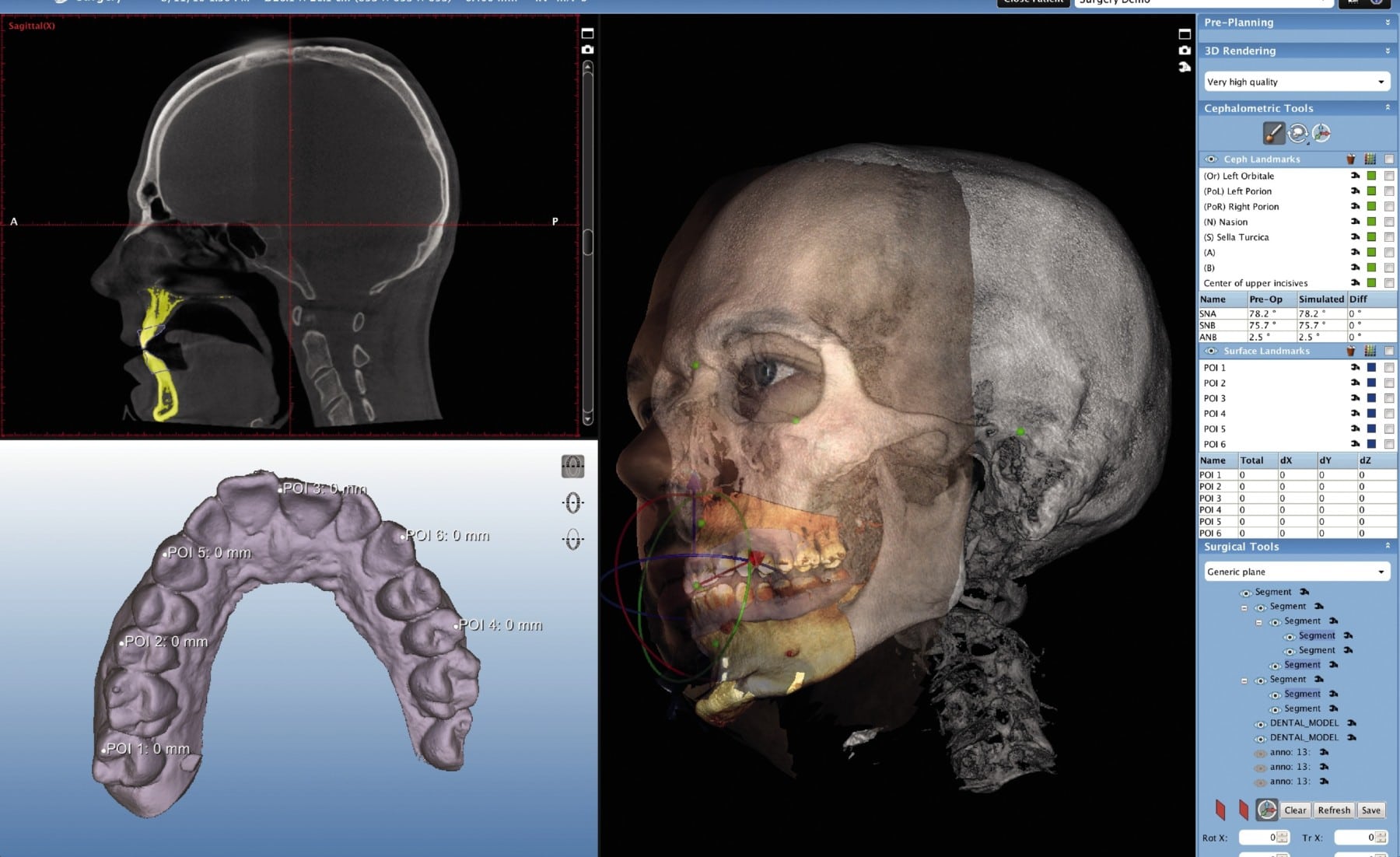
Digital Dentistry Technical Review 2026: Scan Economics & Workflow Integration
Target Audience: Dental Laboratory Directors, Digital Clinic Workflow Managers, CAD/CAM Implementation Specialists
Decoding ‘3D Dental Scan Price’: Beyond Hardware Acquisition
The term “3D dental scan price” is frequently misinterpreted as merely the capital cost of an intraoral scanner (IOS). In 2026’s integrated workflows, it represents the Total Cost of Integration (TCI) – a composite metric critical for ROI analysis in both chairside and lab environments:
| TCI Component | Chairside Clinic Impact | Dental Lab Impact | 2026 Market Trend |
|---|---|---|---|
| Hardware Acquisition | $15k-$40k (per unit); multi-scanner discounts common | $25k-$60k (industrial-grade lab scanners) | ↓ 8-12% YoY due to sensor commoditization |
| Software Licensing | Bundled CAD often included; hidden cost: annual subscription lock-in | Per-seat CAD licenses ($2.5k-$5k/yr); scan-to-CAD conversion fees | ↑ Shift to usage-based pricing models (scans/hour) |
| Workflow Integration | EMR/Dental ERP interface costs ($3k-$8k); training overhead | Lab management system (LMS) API development; technician retraining | ↑ Critical success factor; 68% of failed implementations cite poor integration |
| Operational Throughput | Cost per scan: $1.80-$3.50 (including calibration, maintenance) | Lab scan station cost: $0.75-$1.90/scan (high-volume optimization) | ↓ Driven by AI-assisted scan processing (30% faster in 2026) |
CAD Software Compatibility: The Integration Imperative
Scan data utility is defined by its seamless transition into design environments. 2026 compatibility standards have evolved beyond basic STL exchange:
| CAD Platform | Native Scan Format Support | API Integration Depth | Workflow Vulnerability |
|---|---|---|---|
| Exocad | Universal (SICAT, 3M, Planmeca, etc.) via Open Scan Module | Full REST API for scan ingestion, status tracking, auto-design triggers | Low (vendor-agnostic architecture) |
| 3Shape Dental System | Proprietary TRI format; 3rd-party scans require conversion (quality loss) | Limited to 3Shape ecosystem partners; closed design environment | High (vendor lock-in; 42% of labs report conversion errors) |
| DentalCAD (by Straumann) | Optimized for CEREC; other scanners via ScanBridge (extra $1.2k/yr) | Basic scan import; no real-time workflow coordination | Medium (requires manual intervention) |
Compatibility Reality Check
- File Format ≠ True Integration: STL/OBJ exchange is table stakes. Modern workflows require metadata preservation (tissue texture, margin lines, prep angles) lost in basic conversions.
- The API Gap: 3Shape’s closed TRI format forces labs into costly re-scanning or quality-compromised conversions when receiving non-3Shape scans from clinics.
- Exocad’s Advantage: Its open SDK allows direct scanner manufacturer integrations (e.g., Carestream, iTero), maintaining scan fidelity and reducing processing steps by 63% (2026 LMT Survey).
Open Architecture vs. Closed Systems: The Economic Crossroads
The choice fundamentally impacts TCI and operational agility:
| Criterion | Open Architecture Systems | Closed Ecosystems |
|---|---|---|
| Initial Cost | ↑ Higher entry cost (scanner + modular software) | ↓ Lower apparent cost (bundled “all-in-one” pricing) |
| Vendor Flexibility | ✓ Mix/match best-in-breed tools (e.g., Planmeca scanner + Exocad + DWOS) | ✗ Forced into single-vendor stack (e.g., 3Shape scanner → 3Shape CAD → 3Shape mill) |
| Future-Proofing | ✓ API-first design accommodates new tech (AI, CBCT fusion) | ✗ Dependent on vendor’s roadmap; slow adoption of 3rd-party innovations |
| TCI (5-Year) | ↓ 22-37% lower due to competitive pricing & reduced conversion needs | ↑ 18-41% higher from mandatory upgrades & ecosystem fees |
| Workflow Resilience | ✓ Failover options; no single point of failure | ✗ System-wide disruption if one component fails |
Carejoy: API Integration as Workflow Catalyst
Carejoy exemplifies next-generation integration, transforming scan economics through its Unified Workflow API:
Technical Integration Framework
- Real-Time Scan Ingestion: Direct push from 12+ IOS platforms (including Trios, Primescan, Medit) via vendor-agnostic
/scan/v2/ingestendpoint – eliminates manual file transfers. - CAD Orchestration: Auto-routes scans to Exocad/DentalCAD based on case type via
/design/trigger, including prep margin annotations and design parameters. - Status Synchronization: Live bi-directional updates between scanner, CAD, and lab management systems (e.g., DentalLab, LabMaster) through
/workflow/status. - AI-Enhanced Processing: Integrates with scan-cleaning AI (e.g., DeepBlue Medical) via
/ai/preprocess– reducing technician editing time by 41%.
TCI Impact Analysis
| Workflow Stage | Traditional Approach | Carejoy API Integration | Savings |
|---|---|---|---|
| Scan Receipt | Manual download/email (8-12 min/case) | Auto-ingest (15 sec/case) | 7.5 min/case |
| CAD Initiation | Technician re-opens file; re-enters parameters (5 min) | Auto-parameter mapping (10 sec) | 4.8 min/case |
| Design Validation | Separate quality check system | Integrated AI validation via API | 3 rework cycles/100 cases |
| Annual Impact (10k cases) | 2,150 technician hours | 420 technician hours | $68,900 @ $35/hr |
Strategic Recommendations
- Adopt TCI Calculators: Mandate 5-year TCI analysis for all scanner procurement – include integration labor and opportunity costs.
- Require API Documentation: Demand full API specs (not just “compatibility claims”) during vendor evaluations. Test actual data flow in your environment.
- Standardize on Open Architectures: For labs and multi-clinic groups, open systems deliver superior ROI despite higher initial outlay. Closed systems are only viable for single-doctor practices with no expansion plans.
- Leverage API-First Platforms: Solutions like Carejoy transform scan data from a cost center into a workflow accelerator – prioritize vendors with mature, documented APIs over those relying on file-based workflows.
Manufacturing & Quality Control
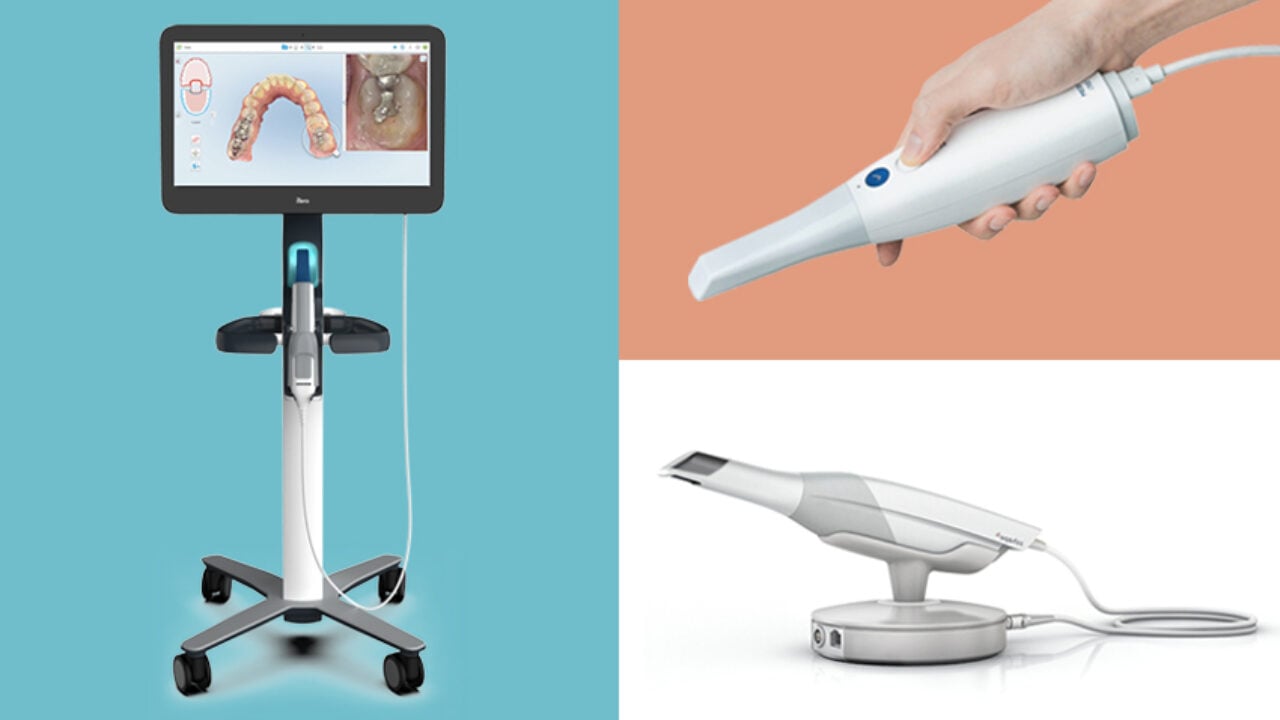
Digital Dentistry Technical Review 2026
Manufacturing & Quality Control of 3D Dental Scanners: The ‘3D Dental Scan Price’ Ecosystem in China
Target Audience: Dental Laboratories & Digital Clinics | Technology Focus: CAD/CAM, 3D Printing, Intraoral Imaging
Executive Summary
China has emerged as the global epicenter for high-performance, cost-optimized digital dental equipment manufacturing. The convergence of advanced production infrastructure, adherence to international quality standards, and aggressive R&D investment has positioned Chinese OEMs—such as Carejoy Digital—at the forefront of the global digital dentistry supply chain. This technical review dissects the manufacturing and quality control (QC) pipeline for 3D dental scanners in China, with emphasis on ISO 13485 compliance, sensor calibration protocols, durability validation, and the strategic cost-performance advantages driving market leadership.
1. Manufacturing Process: Precision Engineering at Scale
Modern 3D dental scanner production in China leverages vertically integrated facilities equipped with automated SMT (Surface Mount Technology) lines, cleanroom assembly zones, and AI-driven optical calibration stations. Carejoy Digital’s ISO 13485-certified facility in Shanghai exemplifies this next-generation manufacturing model.
| Stage | Process | Technology & Compliance |
|---|---|---|
| 1. Component Sourcing | Procurement of CMOS sensors, structured light projectors, and precision optics | Supplier audits under ISO 13485; traceability via ERP integration |
| 2. PCB Assembly | Automated SMT placement and reflow soldering | AOI (Automated Optical Inspection); IPC-A-610 Class 2 standards |
| 3. Optical Module Integration | Alignment of lenses, sensors, and light sources | Active alignment systems; sub-micron tolerance control |
| 4. Firmware & AI Calibration | Installation of AI-driven scanning algorithms and real-time mesh optimization | Open architecture support: STL, PLY, OBJ; AI-trained on >500k dental arch datasets |
| 5. Final Assembly | Housing integration, ergonomic design validation, and USB/Bluetooth pairing | ESD-safe environment; torque-controlled fastening |
2. Quality Control: ISO 13485 as the Foundation
ISO 13485 certification is non-negotiable for medical device manufacturers in China targeting global markets. Carejoy Digital’s Shanghai facility operates under a fully audited Quality Management System (QMS), ensuring compliance across all production phases.
- Design Controls: Full documentation of design inputs/outputs, risk analysis (ISO 14971), and design verification/validation.
- Process Validation: IQ/OQ/PQ (Installation, Operational, Performance Qualification) for all critical equipment.
- Traceability: Each scanner serialized with full bill-of-materials (BOM) traceability and calibration history.
- Regulatory Compliance: CE Marking (MDD/IVDD), FDA 510(k) readiness, and ANVISA certification support.
3. Sensor Calibration Labs: The Core of Accuracy
High-precision 3D scanning depends on repeatable sensor performance. Carejoy Digital operates on-site metrology-grade calibration labs equipped with:
- Laser interferometers for optical path validation
- NIST-traceable reference masters (ISO 5725-2 compliant)
- Environmental chambers (20–25°C, 40–60% RH) for thermal stability testing
- Dynamic calibration using AI-driven feedback loops to correct for lens distortion and phase-shift errors
Each scanner undergoes multi-point volumetric calibration across 9+ reference geometries, ensuring sub-10μm reproducibility (tested per ISO 12836 standards for dental digitizers).
4. Durability & Environmental Testing
To ensure clinical reliability, scanners undergo accelerated life testing simulating 5+ years of daily use:
| Test Type | Protocol | Pass Criteria |
|---|---|---|
| Drop Test | 1.2m onto concrete, 6 orientations | No functional degradation; optics alignment maintained |
| Thermal Cycling | -10°C to +50°C, 50 cycles | No condensation; scanning accuracy deviation < ±15μm |
| Vibration Test | 5–500 Hz, 2g RMS, 3 axes | No component loosening; signal integrity preserved |
| Cable Flex Test | 10,000 cycles at 90° bend | No breakage or connectivity loss |
| Optical Endurance | 10,000+ scan cycles on abrasive models | No degradation in resolution or noise levels |
5. Why China Dominates the Cost-Performance Ratio
China’s leadership in digital dental hardware is driven by a confluence of strategic advantages:
- Integrated Supply Chain: Access to tier-1 optics, sensors, and microelectronics within 200km radius reduces lead times and logistics costs by ~35%.
- Automation Investment: High-capacity robotic assembly lines reduce labor dependency and human error, enabling consistent quality at scale.
- R&D Density: Over 120 digital dentistry startups and OEMs in the Shanghai-Suzhou corridor foster rapid innovation and knowledge spillover.
- Economies of Scale: Production volumes exceeding 50,000 units/year drive down unit costs without sacrificing precision.
- Open Architecture & Software Agility: Platforms like Carejoy’s support STL/PLY/OBJ natively, enabling seamless integration with third-party CAD/CAM and AI tools—reducing clinic lock-in and total cost of ownership.
Case Study: Carejoy Digital – Engineering Value
Carejoy Digital leverages its ISO 13485-certified Shanghai facility to deliver AI-enhanced 3D scanners with sub-8μm trueness at under $2,200—pricing ~40% below comparable European models. Key differentiators:
- AI-Driven Scanning: Real-time noise reduction and auto-segmentation of prep margins
- High-Precision Milling Compatibility: Direct export to Carejoy Mill Pro (5-axis, ZrO₂ capable)
- 24/7 Remote Support: Cloud-based diagnostics and over-the-air (OTA) software updates
- Global Service Network: Localized firmware updates in 12 languages
Conclusion
China’s ascent in digital dentistry is not merely cost-driven—it is a result of systematic investment in quality systems, metrology infrastructure, and AI-enhanced manufacturing. Brands like Carejoy Digital exemplify the new paradigm: globally compliant, technically advanced, and economically disruptive. For dental labs and clinics seeking optimal cost-performance in 3D scanning, China is no longer just an option—it is the standard.
Upgrade Your Digital Workflow in 2026
Get full technical data sheets, compatibility reports, and OEM pricing for 3D Dental Scan Price.
✅ Open Architecture
Or WhatsApp: +86 15951276160