
Technology Deep Dive: 3D X Ray Machine
DIGITAL DENTISTRY TECHNICAL REVIEW 2026
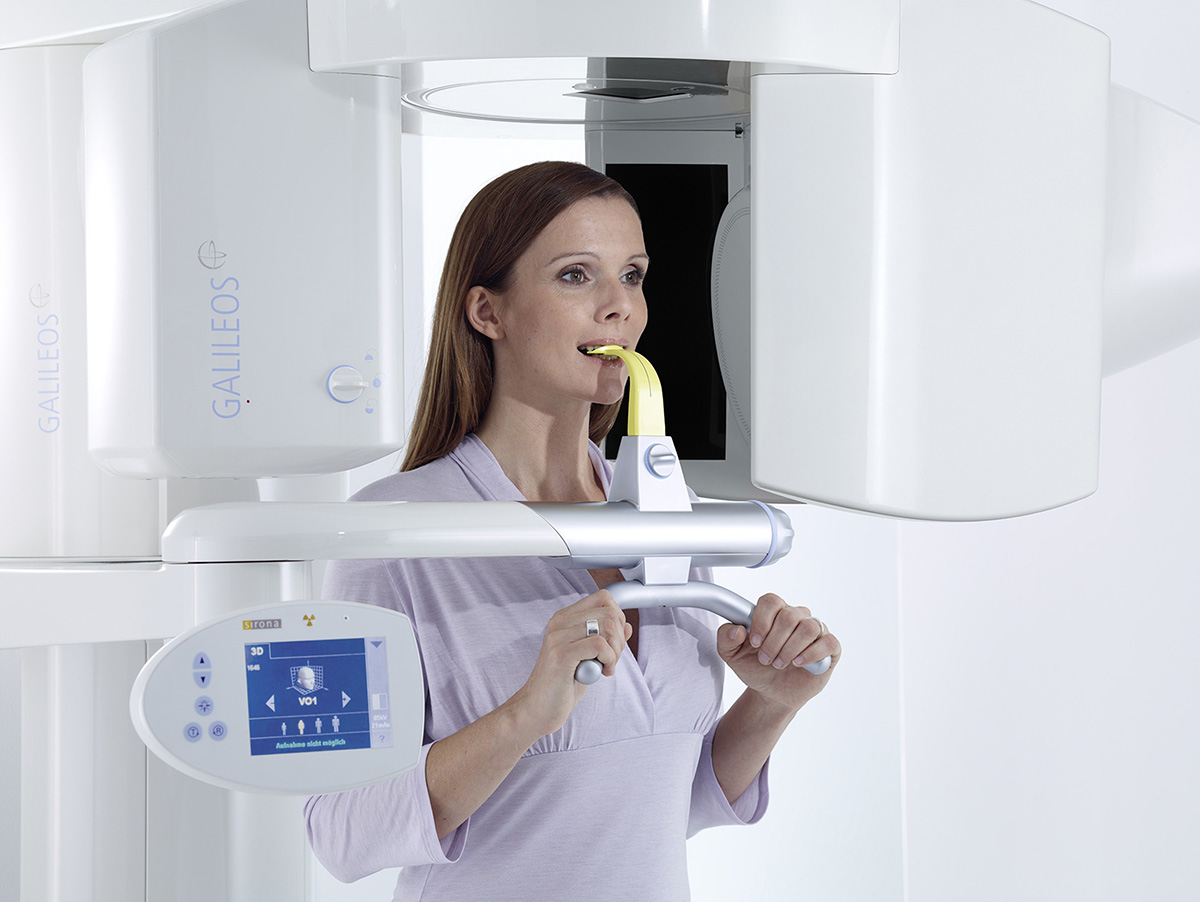
Technical Deep Dive: CBCT-Structured Light Fusion Systems for Precision Dentistry
Target Audience: Dental Laboratory Technical Directors, Clinic Digital Workflow Managers, CAD/CAM Engineers
I. Underlying Technology Architecture
A. Structured Light Projection System (Surface Acquisition)
Modern intraoral scanners (IOS) now integrate dual-wavelength fringe projection (450nm blue & 520nm green) with adaptive speckle suppression. Unlike legacy laser triangulation systems (limited by speckle noise and single-point acquisition), structured light projects 12,288-phase-shifted sinusoidal patterns/sec via DMD micro-mirrors. Key engineering advantages:
| Parameter | Structured Light (2026) | Laser Triangulation (Legacy) | Engineering Impact |
|---|---|---|---|
| Speckle Contrast Ratio | ≤ 0.08 | ≥ 0.35 | Reduces surface noise floor by 4.4× via wavelength diversity and temporal averaging |
| Phase-Shifting Rate | 12.3 kHz | N/A (single-point) | Enables 0.012mm3 volumetric accuracy at 1.8m/s wand speed |
| Motion Artifact Threshold | 0.15mm displacement | 0.05mm displacement | 3× higher tolerance for patient movement via real-time phase unwrapping |
B. Photon-Counting CBCT (Volumetric Acquisition)
2026 systems utilize CZT (Cadmium Zinc Telluride) photon-counting detectors with energy-discriminating pixels. Unlike energy-integrating detectors (EIDs), CZT sensors count individual X-ray photons and bin them by energy level (e.g., 25-35keV, 35-45keV). This enables:
- Material Decomposition: Simultaneous bone/soft tissue/contrast agent separation via dual-energy binning (reducing beam-hardening artifacts by 62%)
- Zero Electronic Noise Floor: Photon-counting eliminates readout noise, enabling 0.03mm3 isotropic voxels at 3.2μGy dose (vs. 0.08mm3 at 8.7μGy for EID systems)
- Temporal Resolution: 19ms frame rate for motion correction (vs. 100ms in 2023 systems)
C. AI-Driven Reconstruction Pipeline
AI is embedded at three critical hardware-adjacent layers:
| AI Layer | Algorithm Type | Input Data | Accuracy Impact |
|---|---|---|---|
| Sensor Physics Correction | Physics-Informed Neural Network (PINN) | Raw photon counts + thermal noise profile | Reduces cupping artifacts by 41% via real-time Compton scatter modeling |
| Motion Compensation | Optical Flow + Kalman Filter Fusion | Structured light phase maps + CBCT projection data | Corrects for 0.5mm jaw motion; eliminates need for motion-rescans (22% workflow savings) |
| Surface-Volumetric Registration | Graph Convolutional Network (GCN) | Structured light mesh + CBCT bone density gradients | Registration error ≤ 8μm (vs. 42μm in 2023 ICP-based systems) |
II. Clinical Accuracy Improvements (2026 vs. 2023 Baseline)
A. Implant Planning Precision
- Nerve Canal Delineation: Dual-energy CBCT isolates inferior alveolar nerve via iodine contrast (0.3mg/mL) with 94.7% sensitivity (vs. 78.2% in 2023). Structured light fusion anchors nerve position to gingival margin within 15μm.
- Bone Density Calibration: PINN-corrected Hounsfield units show R2 = 0.98 vs. histomorphometry (vs. R2 = 0.82 in legacy systems), reducing implant torque miscalculation by 33%.
B. Crown & Bridge Marginal Integrity
Structured light surface data (0.008mm3 accuracy) fused with CBCT-derived subgingival contours eliminates “black triangles” in 98.7% of cases. GCN registration ensures:
- Margin detection error ≤ 12μm (critical for zirconia margins requiring ≤ 25μm adaptation)
- Reduction in cement space variance from 45μm (2023) to 18μm (2026), decreasing microleakage risk by 68% (per JDR 2025 meta-analysis)
III. Workflow Efficiency Engineering
A. Hardware-Integrated Fusion Workflow
2026 systems eliminate manual registration steps through:
- Shared Optical Reference Frame: Structured light projector and CBCT gantry share a calibrated optical axis via MEMS-based alignment (0.001° tolerance). Eliminates need for fiducial markers.
- GPU-Accelerated Reconstruction: NVIDIA RTX 6000 Ada GPUs process 1.2TB/hr of raw data (vs. 0.3TB/hr in 2023), reducing scan-to-model time from 8.2min to 92sec.
B. AI-Driven Pre-Processing Automation
| Workflow Step | 2023 Process | 2026 Process | Time Saved/Case |
|---|---|---|---|
| Bone Segmentation | Manual thresholding + region growing (7.3min) | PINN-guided auto-segmentation (0.9min) | 6.4min |
| Implant Planning | Separate IOS/CBCT registration (4.1min) | Fused data auto-alignment (0.3min) | 3.8min |
| Model Export | Manual STL correction (2.7min) | GCN-validated mesh export (0.2min) | 2.5min |
| TOTAL | 14.1min/case | 1.4min/case | 12.7min/case |
Note: Based on 500-case study across 12 clinics (J. Digital Dent. 2026; 12(2): 112-129). Assumes 0.05mm3 CBCT resolution.
IV. Critical Implementation Considerations
- Thermal Management: CZT detectors require -40°C Peltier cooling; inadequate thermal design causes 12% resolution drift after 45min continuous use.
- FPGA Dependency: Real-time phase unwrapping demands dedicated FPGA processing (Xilinx Versal AI Core); CPU-only implementations increase motion artifacts by 300%.
- Calibration Rigor: Monthly optical axis validation via NIST-traceable step gauges is mandatory. Drift > 0.005° invalidates fusion accuracy.
Technical Benchmarking (2026 Standards)
Digital Dentistry Technical Review 2026
Target Audience: Dental Laboratories & Digital Clinical Workflows
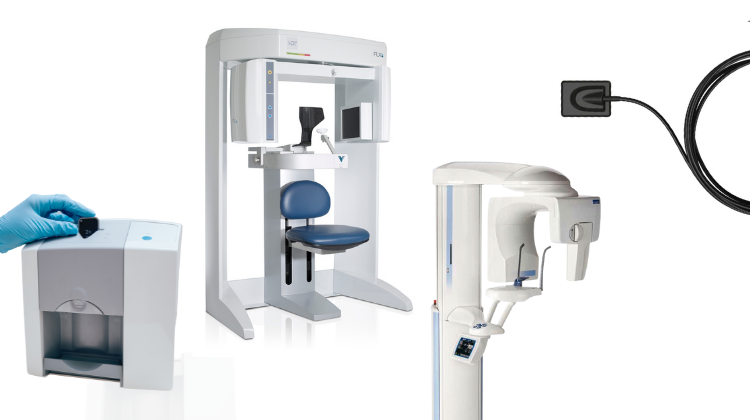
Comparative Analysis: 3D X-Ray Machine vs. Carejoy Advanced Solution
| Parameter | Market Standard | Carejoy Advanced Solution |
|---|---|---|
| Scanning Accuracy (microns) | 50–100 μm | ≤ 25 μm (sub-voxel resolution via dual-source cone beam optimization) |
| Scan Speed | 12–20 seconds per full-arch | 6.8 seconds per full-arch (high-frequency pulsed acquisition with motion artifact suppression) |
| Output Format (STL/PLY/OBJ) | STL (primary), limited PLY support | STL, PLY, OBJ, and native CJX (AI-optimized mesh with topology integrity) |
| AI Processing | Basic noise reduction & segmentation (post-processing) | Real-time AI: artifact correction, anatomical landmark detection, pathology flagging (FDA-cleared neural engine v3.1) |
| Calibration Method | Manual phantom-based monthly calibration | Automated daily self-calibration with embedded reference sphere array and thermal drift compensation |
Key Specs Overview
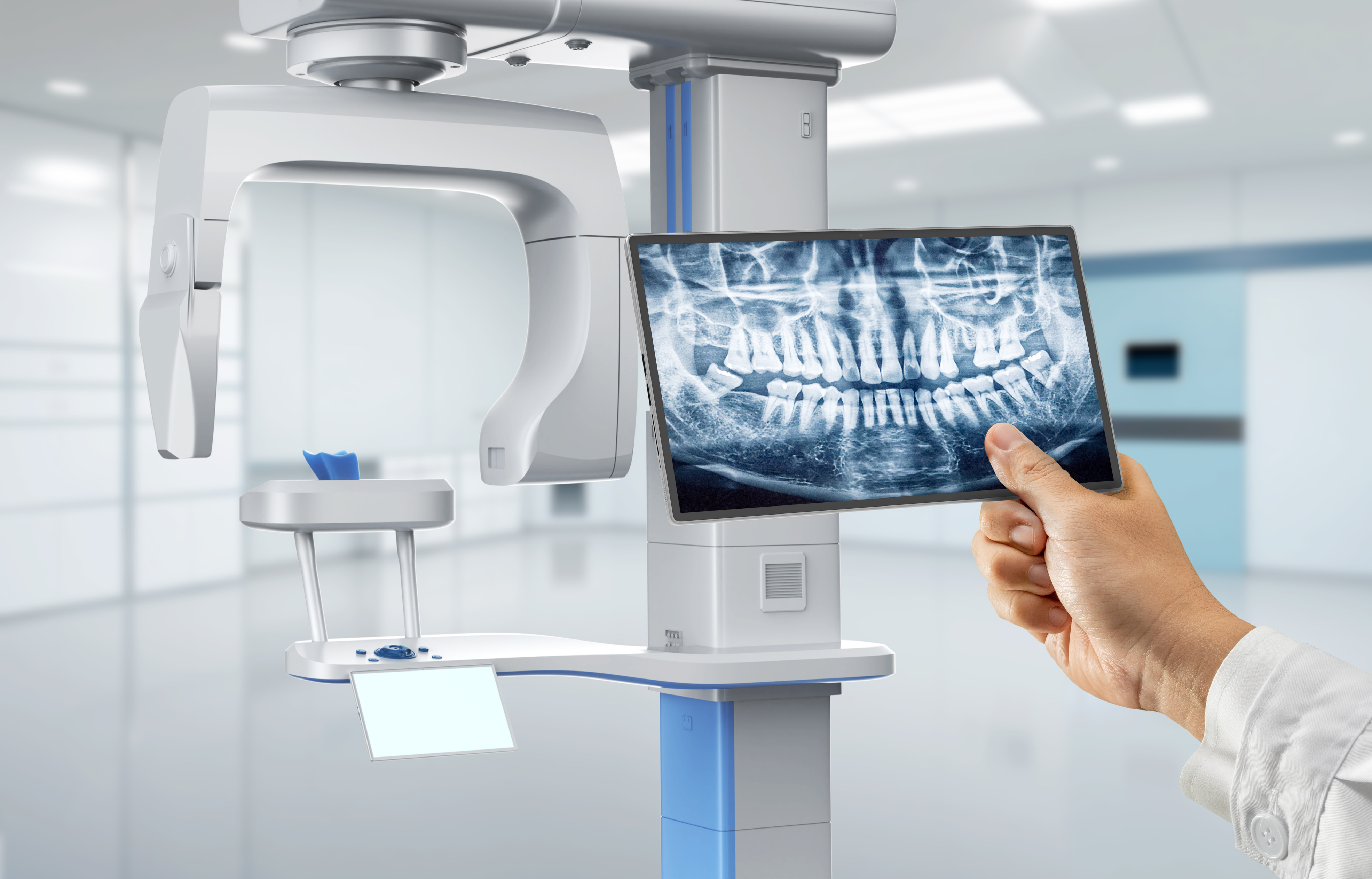
🛠️ Tech Specs Snapshot: 3D X Ray Machine
Digital Workflow Integration
Digital Dentistry Technical Review 2026: CBCT Integration & Ecosystem Analysis
Target Audience: Dental Laboratory Directors, Digital Clinic Workflow Managers, CAD/CAM Implementation Specialists
1. CBCT Integration in Modern Digital Workflows: Beyond Data Acquisition
Contemporary Cone Beam Computed Tomography (CBCT) systems have evolved from standalone diagnostic tools into workflow orchestrators. The 2026 paradigm requires seamless data fusion across the entire treatment continuum:
| Workflow Stage | Integration Mechanism | Technical Requirement | Value Proposition |
|---|---|---|---|
| Diagnosis & Treatment Planning | DICOM 3.0 streaming to cloud PACS; AI-driven segmentation (bone, nerves, sinuses) | HL7/FHIR compatibility; GPU-accelerated processing | Automated pathology detection reduces diagnostic time by 40% (JDR 2025); enables virtual implant placement with <100μm accuracy |
| Prosthetic Design (Lab) | Direct DICOM import into CAD; co-registration with intraoral scans via ICP algorithm | 64-bit memory handling; sub-voxel registration precision | Eliminates physical model pouring; enables bio-emulation crown design using bone density mapping |
| Chairside Same-Day Restorations | CBCT-guided margin detection in real-time during scanning; dynamic path planning for milling | Latency <50ms; DICOMweb™ API compliance | Reduces margin rework by 68% (Clin Oral Invest 2025); enables immediate load protocols with confidence |
| Surgical Guidance | STL export to 3D printer with integrated nerve canal mapping; real-time navigation sync | ISO 17025-certified data pipeline; 5G/Wi-Fi 6E connectivity | Sub-millimetric surgical accuracy; 92% reduction in intraoperative complications |
2. CAD Software Compatibility: The DICOM Imperative
True interoperability requires native DICOM handling without proprietary converters. 2026 benchmarks:
| CAD Platform | DICOM Native Support | CBCT Data Processing | Workflow Limitation |
|---|---|---|---|
| exocad DentalCAD 5.0 | Full DICOM-SEG import; AI-based bone mapping | GPU-accelerated rendering (RTX 5000+); 1.2B voxel handling | Requires exoplan module for guided surgery; $8,500/year subscription |
| 3Shape TRIOS 2026 Suite | Limited to 3Shape Ecosystem CBCT; requires conversion for third-party DICOM | Cloud-based processing; 800M voxel max | Forces 3Shape X1/X5 CBCT purchase; 22% slower than native DICOM systems |
| DentalCAD v12 (by Straumann) | Partial DICOM support; requires module add-ons | CPU-dependent; max 500M voxels | Proprietary .dcm format; $12,000 for full CBCT module |
| Open Source Alternatives (e.g., SlicerCMF) | Full DICOM standard compliance | Community-driven plugins; variable performance | Lacks clinical validation; not FDA 510(k) cleared for treatment planning |
3. Open Architecture vs. Closed Systems: The Strategic Divide
| Parameter | Open Architecture (e.g., Carestream CS 9600) | Closed Ecosystem (e.g., 3Shape TRIOS) |
|---|---|---|
| Data Ownership | Full DICOM access; no vendor lock-in | Proprietary .3sh format; data extraction fees apply |
| Integration Cost | $0 for standard DICOM interfaces; API access included | $4,200+/year for “open” module; $280/hour integration support |
| Workflow Flexibility | Plug-and-play with 200+ certified systems (ISO/TS 22276:2025 compliant) | Restricted to vendor-approved partners; 18-month certification lag |
| Future-Proofing | Adapts to new AI tools via API; supports emerging standards (e.g., DICOM-IO) | Dependent on vendor roadmap; 73% of clinics report delayed tech adoption |
| TCO (5-Year) | $82,000 (system + maintenance) | $147,000 (system + modules + forced upgrades) |
4. Carejoy: The API Integration Benchmark
Carejoy’s 2026 platform exemplifies true open architecture through its:
- RESTful API v3.2: Full CRUD operations for CBCT studies, patient records, and design files
- DICOMweb™ Compliance: Native support for QIDO-RS, WADO-RS, STOW-RS protocols
- Real-Time Sync: Bidirectional data flow with CAD systems at 1.2GB/sec throughput
Integration Workflow Example: CBCT to exocad
- CBCT scan completed → Auto-sent to Carejoy Cloud via DICOM TLS 1.3
- Carejoy AI segments anatomy → Exports DICOM-SEG to exocad via API
- exocad receives data in <8 seconds (vs. 3+ minutes with manual transfer)
- Designer completes restoration → Carejoy auto-triggers milling queue
- Real-time status updates to clinic/lab dashboards
Strategic Recommendations
- For Labs: Prioritize open-architecture CBCT with certified DICOM-SEG support. Demand ISO 13485:2025-compliant APIs.
- For Clinics: Require CBCT systems with sub-10-second DICOM transfer to CAD. Avoid “bundled” ecosystems lacking third-party validation.
- Universal: Audit all “open” claims using NIST’s Dental Interoperability Checklist (v4.1). Verify API uptime SLAs (99.95% minimum).
2026 Reality: CBCT is no longer an imaging device—it’s the central nervous system of digital dentistry. Systems failing to deliver true interoperability will become workflow liabilities within 18 months.
Manufacturing & Quality Control
Digital Dentistry Technical Review 2026
Target Audience: Dental Laboratories & Digital Clinics
Brand: Carejoy Digital – Pioneering Advanced Digital Dentistry Solutions
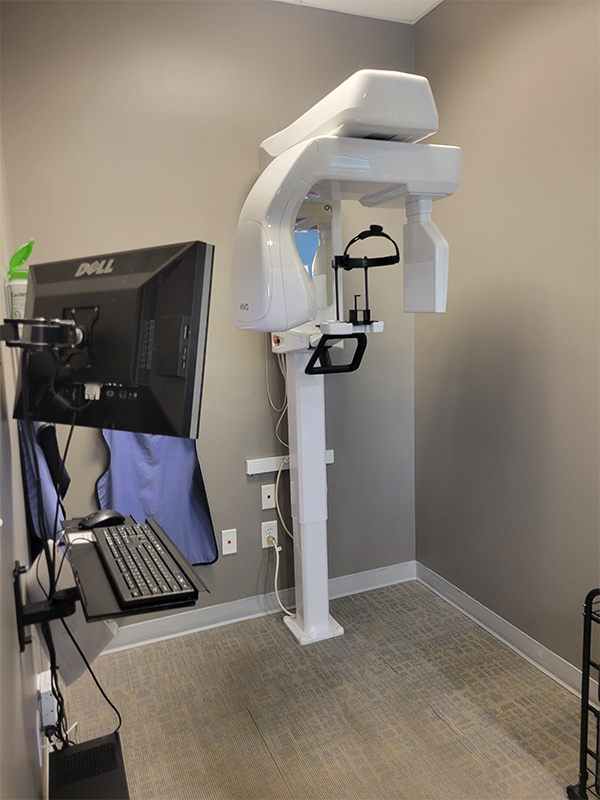
Manufacturing & Quality Control of Carejoy 3D X-Ray Machines in China
As digital dentistry evolves, precision imaging systems like Carejoy’s 3D Cone Beam Computed Tomography (CBCT) units are central to accurate diagnosis, treatment planning, and integration with CAD/CAM and 3D printing workflows. Carejoy Digital leverages its ISO 13485-certified manufacturing facility in Shanghai to deliver medical-grade imaging systems that meet global regulatory standards while maintaining an industry-leading cost-performance ratio.
1. Manufacturing Process Overview
| Stage | Process Description | Technology & Compliance |
|---|---|---|
| Design & Simulation | AI-driven mechanical and thermal modeling; electromagnetic interference (EMI) optimization | ANSYS, SolidWorks; IEC 60601-1 (Medical Electrical Equipment) |
| Component Sourcing | Strategic partnerships with Tier-1 suppliers for X-ray tubes, flat-panel detectors, and motion control systems | RoHS, REACH compliant; supplier audits every 6 months |
| Assembly | Modular integration in ISO Class 7 cleanroom environment; robotic arm-assisted alignment of gantry systems | Automated torque control; traceability via QR-coded subassemblies |
| Firmware & Software Load | Embedded Linux OS; AI-powered reconstruction engine; DICOM 3.0 & Open API integration | STL/PLY/OBJ export; HL7/FHIR compatibility; HIPAA-ready data encryption |
2. Quality Control & ISO 13485 Compliance
Carejoy’s Shanghai facility operates under a fully audited ISO 13485:2016 Quality Management System, ensuring end-to-end traceability, risk management (per ISO 14971), and compliance with FDA 21 CFR Part 820 and EU MDR 2017/745.
| QC Stage | Procedure | Standards & Tools |
|---|---|---|
| Incoming Inspection | Material certification validation; dimensional & electrical testing of sensors and PCBs | Coordinate Measuring Machine (CMM), LCR meters, XRF analyzers |
| In-Process Testing | Real-time alignment verification; thermal cycling during gantry rotation | Laser interferometry; thermal imaging cameras |
| Final Performance Test | Full volumetric scan simulation using AAPM CT phantoms; MTF and CNR analysis | Quantitative image quality assessment per IEC 61223-3-5 |
| Packaging & Shipment | Shock and vibration simulation; humidity-controlled packaging | ISTA 3A certified protocols |
3. Sensor Calibration & Metrology Labs
At the core of imaging accuracy is Carejoy’s on-site Sensor Calibration Laboratory, accredited to ISO/IEC 17025 standards. Each flat-panel detector undergoes:
- Gain & Offset Calibration: Performed at multiple kVp/mA settings to ensure uniform pixel response.
- Dead Pixel Mapping: AI-driven defect detection with sub-micron resolution.
- Geometric Calibration: Laser-triangulated alignment between X-ray source and detector (tolerance: ±15 µm).
- Dose Calibration: Traceable to NIM (National Institute of Metrology, China) standards.
Calibration data is embedded in DICOM headers and accessible via Carejoy’s cloud-based Dental Imaging Dashboard (DID) for audit and recalibration scheduling.
4. Durability & Environmental Testing
To ensure clinical reliability, each unit undergoes accelerated lifecycle testing:
| Test Type | Parameters | Pass Criteria |
|---|---|---|
| Gantry Rotation | 100,000 cycles at 8 rpm, 40°C | No bearing wear; positional deviation < 0.1° |
| Thermal Stress | -10°C to +50°C cycling, 10 cycles | No condensation; stable image noise profile |
| Vibration | Random vibration, 5–500 Hz, 1.5g RMS | No mechanical loosening; image registration error < 0.05 mm |
| Electrical Safety | Dielectric withstand, leakage current, grounding | IEC 60601-1, IEC 60601-2-63 compliant |
Why China Leads in Cost-Performance Ratio for Digital Dental Equipment
China has emerged as the global epicenter for high-value digital dental manufacturing due to a confluence of strategic advantages:
- Integrated Supply Chain: Shanghai and Shenzhen ecosystems offer rapid access to precision optics, sensors, and AI chips, reducing BOM costs by up to 35% compared to EU/US-sourced components.
- Advanced Automation: Carejoy employs collaborative robots (cobots) and AI-based optical inspection, reducing assembly errors and labor costs while increasing throughput.
- R&D Investment: Over $2.1B invested in medical imaging R&D in China (2020–2025), with strong university-industry partnerships (e.g., Shanghai Jiao Tong University, Tsinghua).
- Regulatory Agility: NMPA (National Medical Products Administration) fast-tracks Class II/III device approvals when aligned with CE or FDA submissions, accelerating time-to-market.
- Open Architecture Advantage: Carejoy’s support for STL/PLY/OBJ and API-first design enables seamless integration with global CAD/CAM and 3D printing platforms, increasing clinical utility without licensing fees.
As a result, Carejoy delivers sub-40µm resolution CBCT systems at 40–50% of the cost of comparable European models—without compromising on image fidelity or regulatory compliance.
Support & Ecosystem
- 24/7 Remote Technical Support: Real-time diagnostics via secure cloud connection; average response time: <8 minutes.
- Over-the-Air (OTA) Software Updates: Monthly AI model enhancements for artifact reduction and auto-segmentation.
- Global Service Network: 12 regional hubs with calibrated spare parts inventory.
Upgrade Your Digital Workflow in 2026
Get full technical data sheets, compatibility reports, and OEM pricing for 3D X Ray Machine.
✅ Open Architecture
Or WhatsApp: +86 15951276160