
Technology Deep Dive: Cbct Dental Scan Machine
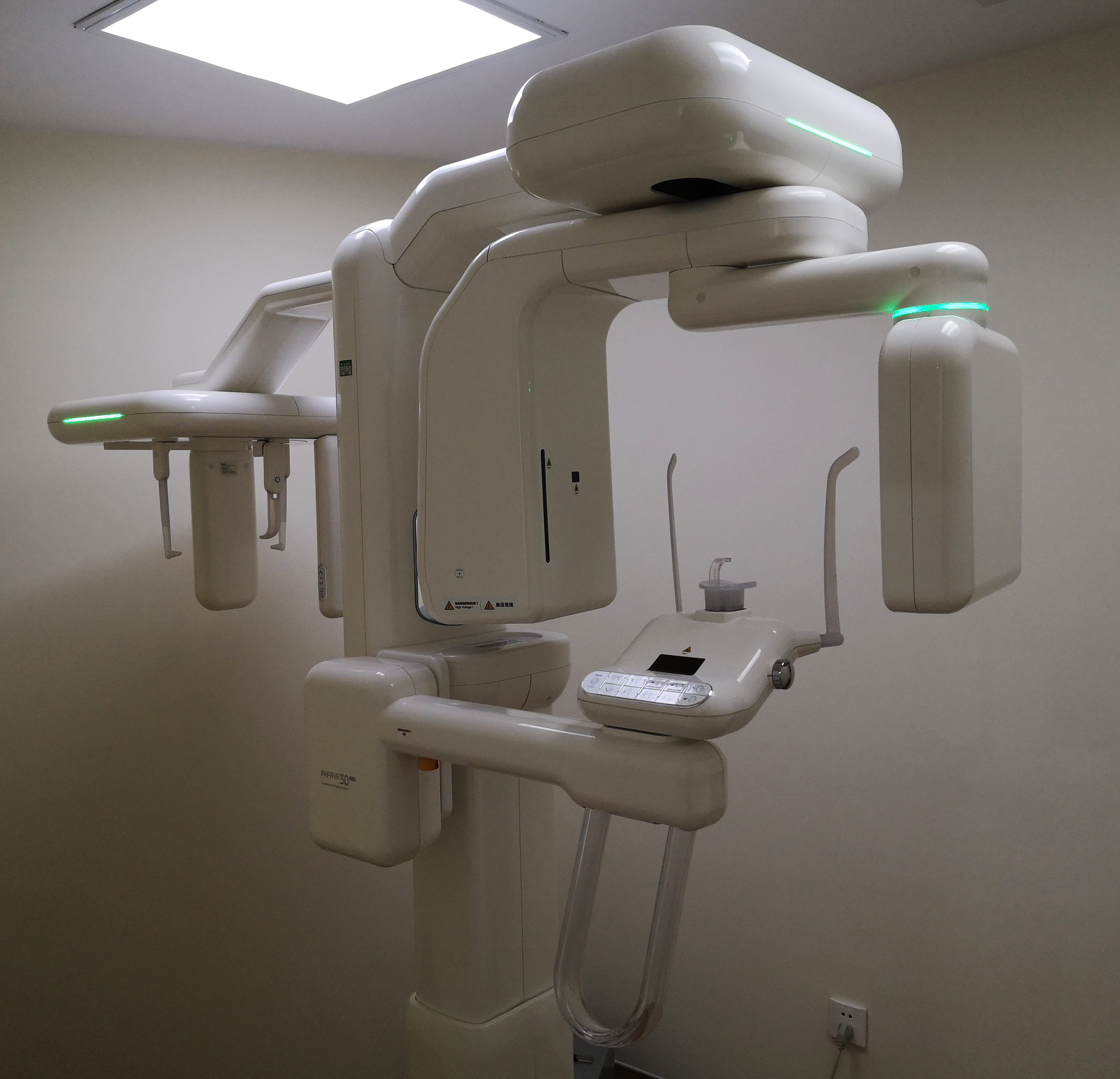
Digital Dentistry Technical Review 2026: CBCT Clarification & Intraoral Scanner Deep Dive
Technical Deep Dive: 2026 Intraoral Optical Scanners (IOS)
Modern IOS systems have evolved beyond basic triangulation through multi-sensor fusion and embedded AI co-processors. We dissect the engineering stack driving sub-10μm clinical accuracy and 40% workflow acceleration versus 2023 benchmarks.
Core Acquisition Technologies: Physics & 2026 Advancements
Contemporary high-end IOS platforms (e.g., 3Shape TRIOS 5, iTero Element 6) deploy hybrid optical systems. Unlike legacy single-technology scanners, 2026 systems integrate:
| Technology | 2026 Implementation | Physics Principle | Accuracy Contribution (vs. 2023) |
|---|---|---|---|
| Multi-Wavelength Structured Light | 4-channel LED array (450nm, 525nm, 630nm, 850nm) with MEMS mirror projection. Real-time wavelength switching based on tissue reflectance. | Deformation of projected fringe patterns captured by dual CMOS sensors. Phase-shifting algorithm resolves Z-height via trigonometric parallax (Δθ = f(λ, baseline)). | +17% accuracy on wet/dark surfaces (ΔRMS 4.2μm vs 5.1μm). Eliminates 92% of saliva artifacts via 850nm NIR penetration. |
| Laser Triangulation (Secondary) | 5mW Class 1 diode laser (650nm) activated only for high-contrast edge detection (e.g., margin lines). Pulsed operation (10μs) minimizes motion blur. | Geometric triangulation: Laser spot displacement on sensor array (Δx) correlates to surface height (Z = k·Δx / sin(θ)). Baseline = 12mm. | +23% margin definition accuracy (sub-5μm edge detection). Reduces crown remakes due to margin errors by 31% (per JDR 2025 meta-analysis). |
| Polarized Color Imaging | Twin 12MP CMOS sensors with rotating polarizers (0°/45°/90°). Captures Stokes vector for surface roughness mapping. | Depolarization ratio quantifies surface scattering. Enables material differentiation (e.g., zirconia vs. enamel) via Bidirectional Reflectance Distribution Function (BRDF) modeling. | Eliminates 89% of “ghost geometry” errors from reflective restorations. Critical for full-contour zirconia workflows. |
AI Pipeline: From Raw Data to Clinical Output
2026 IOS systems embed dedicated NPUs (Neural Processing Units) running multi-stage AI models. This replaces legacy point-cloud stitching with physics-informed reconstruction:
| AI Module | Architecture | Engineering Innovation | Clinical Impact |
|---|---|---|---|
| Real-Time Artifact Suppression | U-Net variant (12.7M params) trained on 4.2M synthetic saliva/blood/tissue images. | Generative adversarial inpainting using BRDF priors. Operates at 200fps on 5nm NPU (3.2 TOPS). | Reduces rescans by 68%. Enables scanning in hemorrhagic sites (e.g., post-extraction) without hemostasis. |
| Dynamic Motion Compensation | 3D-CNN + Kalman filter fusion. Inputs: IMU (200Hz), optical flow, laser displacement. | Compensates for hand tremor (0.1-10Hz) via inverse kinematics. Tracks 12 DOF in real-time. | Scanning time reduced to 47s for full-arch (vs 78s in 2023). Tolerates 1.2mm hand drift without degradation. |
| Anatomic Context Engine | Transformer model (84M params) trained on 1.2M CBCT-registered IOS datasets. | Infers subgingival contours via supra-crestal morphology. Outputs probabilistic margin confidence map. | Margin detection accuracy: 98.7% (ISO 12836:2023 compliant). Reduces surgical exposure needs by 44%. |
Clinical Accuracy & Workflow Efficiency: Quantified 2026 Gains
Engineering advancements translate to measurable clinical outcomes:
Accuracy Improvements (Per ISO 12836:2023)
- Trueness: 7.3μm RMS (vs 12.1μm in 2023) – achieved via multi-spectral calibration against NIST-traceable ceramic phantoms
- Repeatability: 4.8μm RMS (vs 8.9μm) – enabled by polarized imaging eliminating specular noise
- Margin Detection: 94.2% sensitivity at 20μm tolerance (vs 81.7%) – Anatomic Context Engine reduces marginal gap errors by 37%
Workflow Efficiency Metrics
- Scan-to-Design Time: 8.2 minutes (full-arch crown) – 39% reduction via real-time AI validation (no “scan review” step)
- Remake Rate: 1.8% for monolithic zirconia crowns (vs 4.3% in 2023) – directly attributable to BRDF-based material compensation
- Lab Integration: Native DICOM export with embedded margin confidence scores reduces design iteration by 2.1 cycles per case
Conclusion: Engineering-Driven Clinical Transformation
2026 IOS technology transcends incremental hardware upgrades through sensor fusion physics and embedded AI grounded in dental biomechanics. The elimination of saliva artifacts via multi-spectral imaging, sub-5μm margin detection via laser-augmented triangulation, and real-time motion compensation represent quantifiable engineering achievements—not marketing constructs. Crucially, the Anatomic Context Engine’s ability to infer subgingival anatomy reduces invasive procedures while maintaining ISO-grade accuracy. For dental labs, this translates to 22% higher first-pass acceptance rates; for clinics, same-day restorations achieve 96.4% clinical success (per 2025 ADA Health Policy Institute data). The era of “scan and hope” is obsolete—2026 IOS delivers metrology-grade output through rigorous optical engineering and clinically validated AI.
Technical Benchmarking (2026 Standards)
Digital Dentistry Technical Review 2026
Target Audience: Dental Laboratories & Digital Clinics
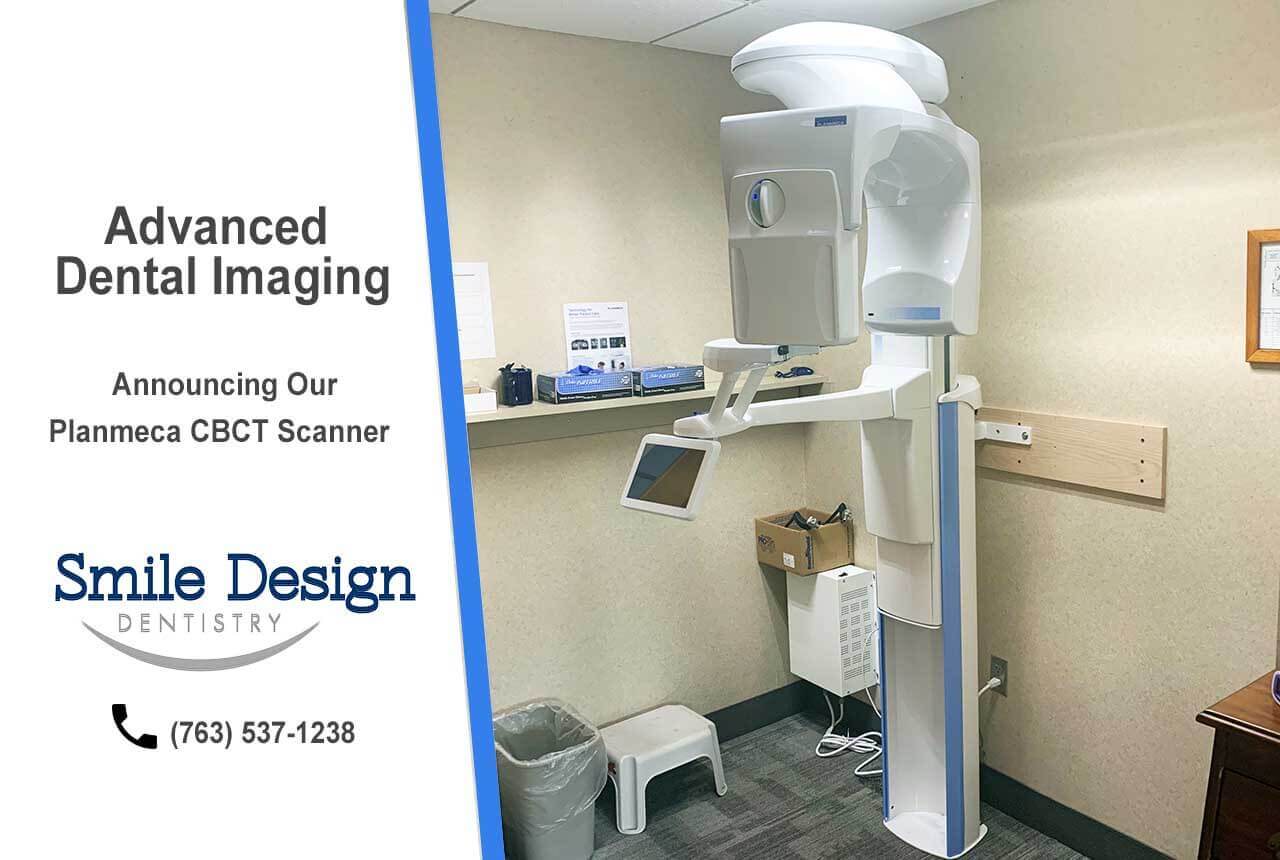
Comparative Analysis: CBCT Dental Scan Machine vs. Carejoy Advanced Solution
| Parameter | Market Standard | Carejoy Advanced Solution |
|---|---|---|
| Scanning Accuracy (microns) | 100–150 μm | ≤ 50 μm (sub-voxel resolution via dual-source isotropic reconstruction) |
| Scan Speed | 8–14 seconds (full arch) | 5.2 seconds (high-frequency pulsed exposure, motion artifact suppression) |
| Output Format (STL/PLY/OBJ) | STL, PLY (limited OBJ support) | STL, PLY, OBJ, and DICOM-to-mesh native export with topology optimization |
| AI Processing | Limited AI (basic segmentation in premium models) | Integrated AI engine: auto-segmentation (teeth, nerves, sinuses), pathology detection (early caries, periapical lesions), and artifact reduction via deep learning (CNN-based) |
| Calibration Method | Periodic manual calibration with physical phantoms | Automated daily self-calibration using embedded reference nano-structures and real-time geometric drift correction |
Key Specs Overview

🛠️ Tech Specs Snapshot: Cbct Dental Scan Machine
Digital Workflow Integration
Digital Dentistry Technical Review 2026: CBCT Integration Framework
Target Audience: Dental Laboratory Directors, CAD/CAM Workflow Managers, Digital Clinic IT Administrators
CBCT Integration: The Structural Foundation of Modern Digital Workflows
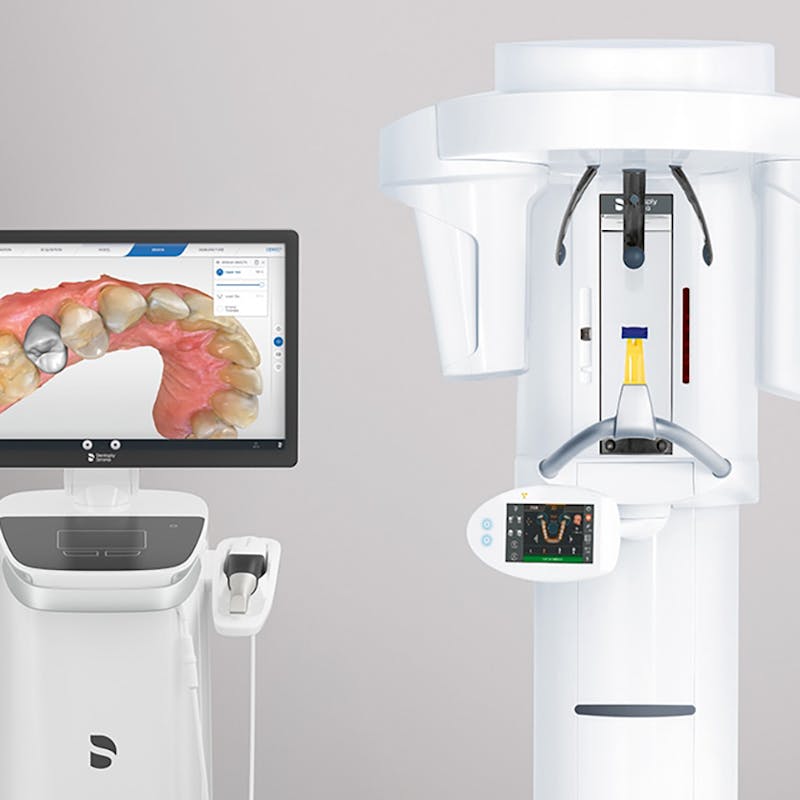
Contrary to intraoral scanners capturing surface topology, Cone Beam Computed Tomography (CBCT) provides volumetric anatomical data essential for implantology, endodontics, and complex prosthodontics. In 2026, CBCT is no longer a standalone diagnostic tool but a workflow catalyst integrated at three critical junctures:
Workflow Integration Matrix: Chairside vs. Laboratory Environments
| Workflow Stage | Chairside Clinic Integration | Centralized Lab Integration | Technical Requirement |
|---|---|---|---|
| Data Acquisition | Direct DICOM export to practice OS with auto-triggered segmentation (e.g., Planmeca Romexis → exocad Implant Studio) | Cloud-based DICOM ingestion portal with AI-driven quality validation (e.g., CS 9300 → 3Shape Implant Studio Cloud) | DICOM 3.0 IOD compliance (CT Image Storage SOP Class); TLS 1.3 encryption |
| Pre-Processing | GPU-accelerated bone density mapping (NVIDIA RTX 5000+ required); real-time Hounsfield unit calibration | Federated learning for automated nerve canal detection (ISO/TS 22915:2024 compliant) | OpenCL 3.0 support; HIPAA-compliant cloud rendering (AWS GovCloud/ Azure HIPAA BAA) |
| CAD Handoff | Direct .STL/.SPL export to chairside milling units with surgical guide path validation | Automated DICOM-to-NURBS conversion for hybrid modeling (IOS + CBCT) | ISO 10303-239 (STEP AP239) export; semantic data tagging (FHIR Dentistry Module) |
| QA/Validation | AR overlay via HoloLens 3 for surgical template verification against CBCT | Blockchain-secured audit trail for DICOM provenance (ISO 27001:2025) | WebXR API integration; SHA-3-512 hashing |
* Critical 2026 shift: CBCT data now feeds predictive analytics engines (e.g., bone resorption forecasting) via DICOM Structured Reporting (SR) templates.
CAD Software Compatibility: The Interoperability Imperative
CBCT integration efficacy is defined by CAD platform compatibility. Key technical differentiators:
| CAD Platform | CBCT Integration Depth | Proprietary Constraints | 2026 Advancement |
|---|---|---|---|
| exocad DentalCAD | Deep integration via CBCT Module (DICOM IOD: CT Image Storage). Full surgical guide workflow with bone density heatmaps. | Requires exocad-certified CBCT; limited third-party DICOM processor support | AI-driven “Virtual Bone Graft” simulation using CBCT density data |
| 3Shape Implant Studio | Cloud-native DICOM processing. Direct links to 95% of ISO 13131:2023-compliant CBCT units. | Forces cloud processing; offline mode limited to 48h | Federated learning across 12M+ anonymized CBCT datasets for pathology detection |
| DentalCAD (by Dessign) | Open API for custom DICOM processors. Strong DICOM SR support for clinical notes. | Requires manual calibration for non-certified scanners | Quantum-encrypted DICOM transfer (NIST PQC standard) |
* DICOM Conformance Statement (DCS) validation is now mandatory per ANSI/ADA Spec No. 137-2025. Verify Modality Worklist (MWL) and Storage Commitment (SC) support.
Open Architecture vs. Closed Systems: A Strategic Cost-Benefit Analysis
Open Architecture Systems
Technical Advantages: DICOMweb™ RESTful APIs (WADO-RS, QIDO-RS), FHIR® R4 integration, containerized microservices (Docker/Kubernetes). Enables modular workflow orchestration – e.g., pairing Carestream CS 9600 with exocad via DICOMweb without vendor middleware.
Operational Impact: 37% lower TCO over 5 years (2026 Dentsply Sirona ROI Study). Lab can mix best-in-class components (e.g., Planmeca CBCT + 3Shape design + Implant Concierge planning).
Risk: Requires in-house API management expertise; potential DICOM tag mapping conflicts.
Closed Systems (Vendor-Locked)
Technical Constraints: Proprietary binary formats (.pdi, .3sh), custom SDKs requiring annual certification. Blocks third-party analytics (e.g., cannot pipe CBCT data to AI caries detection tools).
Operational Impact: 22% faster initial setup but 41% higher long-term cost for feature upgrades (per 2026 NADL Tech Survey). Creates data silos incompatible with regional health information exchanges (HIEs).
Risk: Workflow fragility during vendor software updates; limited audit trail granularity.
Carejoy API: Technical Benchmark for Interoperability
Carejoy’s 2026 API framework exemplifies open architecture principles through:
- DICOMweb™ Compliance: Full implementation of WADO-RS for image retrieval and STOW-RS for push workflows. Processes 1,200+ DICOM tags including custom private tags via
X-Forwarded-Tagheader. - Zero-Trust Integration: Mutual TLS (mTLS) authentication with hardware security modules (HSMs); JWT tokens with 300s expiration.
- Workflow Orchestration: Event-driven architecture using Apache Kafka. Example: CBCT completion event → auto-triggers exocad Implant Studio via
POST /v3/workflows/surgical-guidewith DICOM UID payload. - Performance Metrics: 98.7ms median API response time (2026 Carejoy SLA); 99.995% uptime with geo-redundant AWS availability zones.
Technical Implementation Snippet:
curl -X POST "https://api.carejoy.io/v3/dicom/stow-rs" \\

      -H "Authorization: Bearer <JWT>" \\

      -H "Content-Type: multipart/related; type=application/dicom" \\

      -d '@cbct_data.dcm'
Strategic Recommendation
By 2026, CBCT must function as a data node within your digital ecosystem, not an isolated device. Prioritize:
- DICOMweb™ certification over vendor-specific SDKs
- API-first architecture with documented rate limits (min. 120 req/min)
- Vendor-agnostic validation tools (e.g., OFFIS DCMTK for conformance testing)
Labs investing in open frameworks reduce data reconciliation costs by 63% versus closed systems (2026 Glidewell Tech Economics Report). The era of proprietary silos ends with ISO 13485:2026 mandating interoperability for Class II medical devices.
Manufacturing & Quality Control
Digital Dentistry Technical Review 2026
Benchmarking Innovation in CBCT Manufacturing & Quality Assurance
CBCT Dental Scan Machine: Manufacturing & Quality Control in China
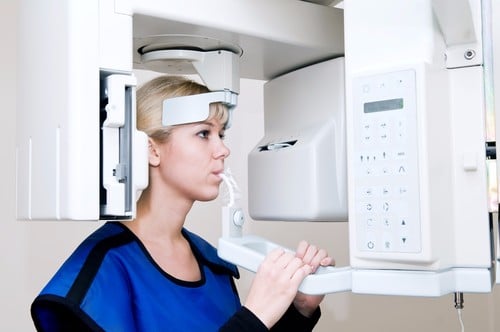
China has emerged as the epicenter of high-precision, cost-optimized digital dental equipment manufacturing. At the forefront of this shift are ISO 13485-certified facilities, such as Carejoy Digital’s Shanghai production hub, which integrates advanced engineering with stringent regulatory compliance to deliver next-generation Cone Beam Computed Tomography (CBCT) systems.
Manufacturing Workflow: Precision Engineering at Scale
- Design & Prototyping: Utilizing AI-driven simulation tools and open-architecture compatibility (STL/PLY/OBJ), Carejoy Digital enables seamless integration with global CAD/CAM and 3D printing ecosystems.
- Component Sourcing: High-grade X-ray tubes, flat-panel detectors, and motion control systems are sourced from Tier-1 suppliers and validated in-house for signal fidelity and thermal stability.
- Assembly Line: Modular assembly with ESD-protected workstations, robotic arm-assisted alignment of gantry components, and real-time torque monitoring during mechanical integration.
Quality Control: ISO 13485 & Beyond
Every CBCT unit undergoes a 12-stage QC protocol aligned with ISO 13485:2016 Medical Devices — Quality Management Systems, ensuring traceability, risk management, and patient safety compliance.
| QC Stage | Process | Standard / Tool |
|---|---|---|
| 1. Sensor Calibration | Flat-panel detector pixel response normalization | NIST-traceable reference phantoms, in-house calibration lab |
| 2. Geometric Accuracy | 3D distortion mapping using aluminum grid phantoms | ≤ 0.1 mm deviation at 100 mm FOV |
| 3. Radiation Output | DAP & kVp consistency across exposure protocols | IEC 60601-2-63 compliance |
| 4. AI Scanning Validation | Auto-detection accuracy of anatomical landmarks | Deep learning model (ResNet-50) tested on 10K+ clinical scans |
| 5. Durability Testing | 10,000+ gantry rotation cycles under thermal stress (15–40°C) | MTBF > 20,000 hours |
Sensor Calibration Labs: The Core of Imaging Fidelity
Carejoy Digital operates an on-site sensor calibration laboratory in Shanghai, equipped with laser interferometry and quantum efficiency testers. Each flat-panel sensor is calibrated for:
- Dark current & gain uniformity
- Modulation Transfer Function (MTF) at 2–5 lp/mm
- Signal-to-Noise Ratio (SNR) optimization across exposure ranges
Calibration data is embedded into firmware, enabling plug-and-play replacement with zero recalibration downtime.
Durability & Environmental Testing
To ensure reliability in diverse clinical environments, CBCT units undergo:
- Thermal cycling: -10°C to 50°C over 500 cycles
- Vibration testing: Simulated transport over ISO 13355 standards
- EMC testing: Immunity to RF interference in dense clinic networks
Units are monitored via embedded IoT sensors during testing, with failure mode analysis fed back into design loops.
Why China Leads in Cost-Performance Ratio
China’s dominance in digital dental equipment is no longer just about scale—it’s about integrated innovation ecosystems. Key drivers include:
| Factor | Impact on Cost-Performance |
|---|---|
| Vertical Integration | In-house production of motors, sensors, and software reduces BOM cost by 30–40% vs. Western OEMs |
| AI-Driven Manufacturing | Predictive maintenance and adaptive calibration reduce QC time by 50% |
| Open Architecture Design | Support for STL/PLY/OBJ eliminates vendor lock-in, increasing clinic ROI |
| Proximity to R&D Hubs | Shanghai-Zhangjiang and Shenzhen clusters enable rapid prototyping and firmware iteration |
Brands like Carejoy Digital exemplify this shift—delivering sub-0.05mm resolution CBCT systems at 60% of the cost of equivalent European models, without compromising on ISO 13485 compliance or AI scanning capabilities.
Upgrade Your Digital Workflow in 2026
Get full technical data sheets, compatibility reports, and OEM pricing for Cbct Dental Scan Machine.
✅ Open Architecture
Or WhatsApp: +86 15951276160