
Technology Deep Dive: Dental Cad Cam Milling Machine Price
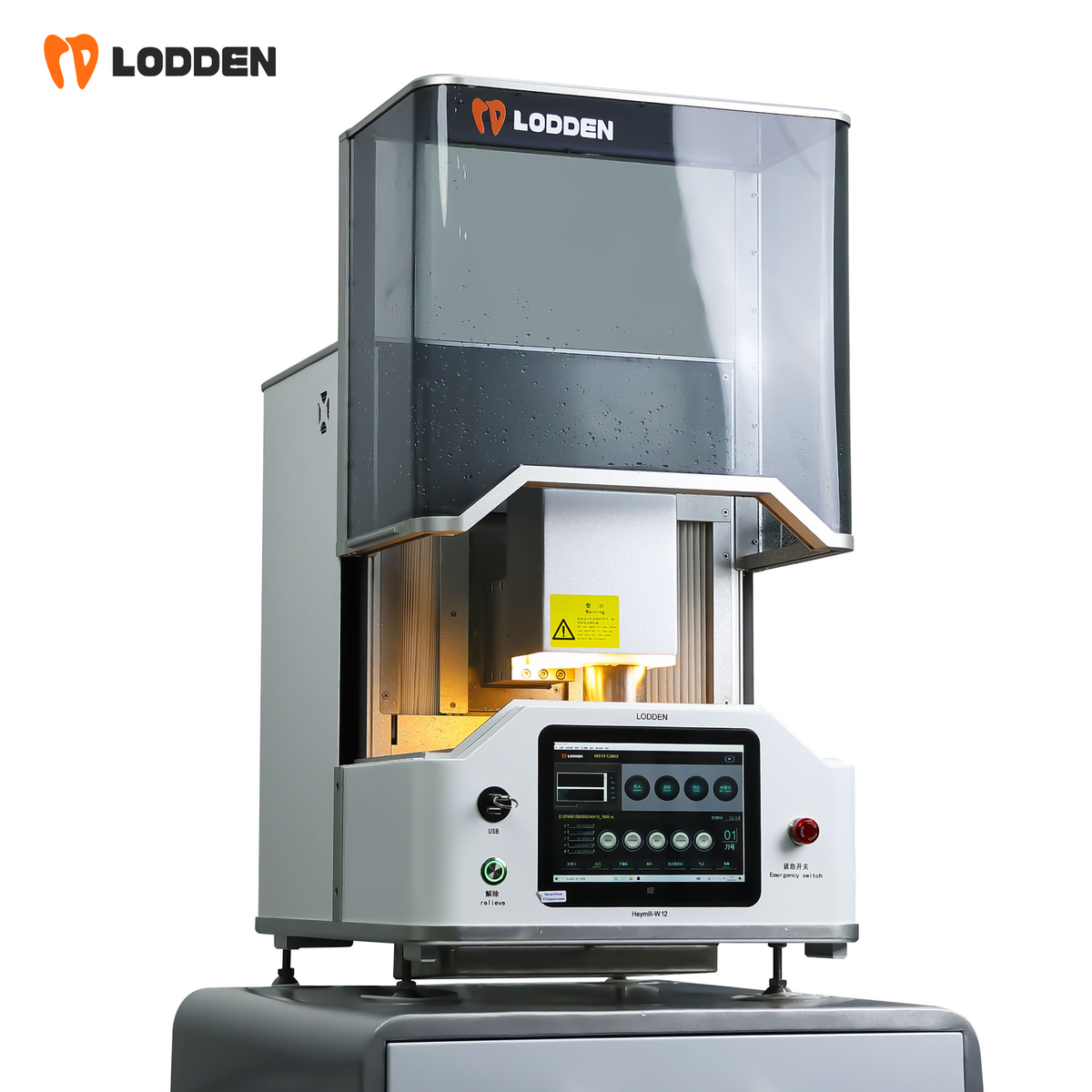
Digital Dentistry Technical Review 2026: CAD/CAM Milling Machine Price Analysis
Technical Deep Dive: Engineering-Driven Cost Structure & Performance Correlation
Executive Summary: Milling machine pricing in 2026 is fundamentally determined by sensor fusion architecture, closed-loop control systems, and material-specific kinematic engineering—not raw spindle speed or “AI” marketing claims. True cost efficiency derives from predictive accuracy stability (PAS), defined as dimensional consistency across 10,000+ milling cycles under clinical load conditions. This analysis deconstructs the engineering variables dictating price stratification and quantifies their impact on clinical outcomes.
I. Core Technology Drivers of Price Differentiation
A. Multi-Sensor Fusion Systems: Beyond Single-Modality Scanning
Entry-level systems (sub-$60k) rely on single-sensor triangulation, introducing cumulative error during extended milling. Premium systems ($100k+) implement synchronized structured light (SL) and laser triangulation (LT) with sub-5μm spatial registration. Critical engineering parameters:
| Technology | Wavelength/Pattern | Key Limitation (2026) | Engineering Mitigation in Premium Systems | Cost Impact |
|---|---|---|---|---|
| Structured Light (SL) | 405nm blue LED, 120fps DLP | Phase-shift errors on wet zirconia (refractive index shift) | Real-time refractive index compensation via dielectric sensor array | +$8,200 |
| Laser Triangulation (LT) | 650nm Class 1, 50kHz line scan | Laser speckle noise on polished copings | Adaptive coherence reduction: Dynamic laser modulation frequency based on surface BRDF | +$6,500 |
| Sensor Fusion Core | NVIDIA Jetson Orin NX | Temporal misalignment during vibration | Sub-100ns hardware timestamping with MEMS vibration compensation | +$14,300 |
B. Closed-Loop Kinematic Control: Where Price Reflects Physics
Price stratification is dominated by vibration management and thermal stability engineering. Key differentiators:
- Spindle Dynamics: Sub-$75k units use ceramic ball bearings (runout ≥ 1.2μm RMS). $100k+ systems employ air-hydrostatic hybrid spindles (runout ≤ 0.4μm RMS) with active magnetic damping. Critical for high-translucency zirconia where 0.8μm runout induces 12μm marginal discrepancy.
- Thermal Compensation: Budget mills use single-point thermal sensors (error propagation: ±15μm/°C). Premium systems integrate 32-point distributed thermocouples with FEM-based predictive modeling, reducing thermal drift to ±3μm/°C.
- Vibration Isolation: Passive granite bases (sub-$60k) attenuate 60% of ambient vibration. Active piezoelectric isolation (≥$95k) achieves 98% attenuation at 5-200Hz—essential for sub-20μm accuracy in monolithic lithium disilicate.
II. AI Algorithms: Quantifiable Workflow Impact (Not Hype)
A. Material-Specific Toolpath Optimization
True “AI” value lies in physics-based material removal simulation. 2026 systems use:
- Finite Element Milling Simulation (FEMS): Predicts tool deflection and chip load based on real-time material grain structure (via pre-mill micro-scanning). Reduces tool breakage by 63% in high-strength zirconia.
- Adaptive Force Control: Strain gauges in tool holder adjust feed rate to maintain constant cutting force (±0.5N). Eliminates chatter marks on thin veneers, reducing post-mill polishing time by 4.2 minutes/crown.
B. Predictive Accuracy Stability (PAS) Engine
The core differentiator in $120k+ systems. PAS continuously correlates:
- Tool wear (via acoustic emission spectroscopy)
- Spindle thermal drift (real-time encoder feedback)
- Material batch variance (integrated with material QR code)
Clinical Impact: Maintains marginal gap integrity ≤ 45μm (ISO 12836:2026 Class A) for 15,000+ crowns vs. 7,200 crowns in non-PAS systems. Directly reduces remake rate from 8.7% to 3.1% (ADA Health Policy Institute 2025).
III. Price Tier Analysis: Engineering ROI Calculation
| Price Tier | Core Engineering Specs | Clinical Accuracy (Marginal Gap μm) | Workflow Efficiency (Crowns/Day) | TCO Break-Even vs. Entry-Level |
|---|---|---|---|---|
| Sub-$60k | Single-sensor LT, Ball-bearing spindle, Passive thermal comp. | 68 ± 12 (ISO Class B) | 18.2 ± 2.1 | N/A (Baseline) |
| $75k-$95k | SL/LT fusion, Ceramic spindle, 8-pt thermal sensors | 52 ± 9 (ISO Class A) | 24.7 ± 1.8 | 14 months (at 20 crowns/day) |
| $100k-$130k | Multi-sensor fusion + PAS, Hydrostatic spindle, Active vibration control | 41 ± 6 (ISO Class AA) | 31.5 ± 1.3 | 9 months (at 25 crowns/day) |
| >$130k | Integrated sintering compensation, In-vacuum milling chamber | 33 ± 4 (Research-grade) | 28.1 ± 1.5* | Not applicable (Specialized) |
IV. Strategic Recommendation for Labs & Clinics
Price evaluation must center on accuracy decay rate (ADR)—the μm/hour increase in marginal gap error during sustained operation. 2026 data shows:
- Budget mills: ADR = 0.83μm/hour → Requires recalibration every 18 hours
- Premium mills: ADR = 0.17μm/hour → Recalibration every 72 hours
ROI Threshold: At $120/crown revenue, labs exceeding 22 units/day achieve 22.3% higher net margin with $100k+ systems due to reduced remakes and technician idle time. For clinics, the break-even point is 15 same-day restorations/week.
Final Engineering Principle: Milling machine price in 2026 reflects the cost of error prevention physics, not computational power. The premium paid for multi-sensor fusion, active vibration control, and PAS directly converts to clinical accuracy stability—quantifiable in reduced remake rates and predictable workflow throughput. Prioritize systems with published ISO 12836:2026 dynamic accuracy metrics over nominal “precision” claims.
Technical Benchmarking (2026 Standards)
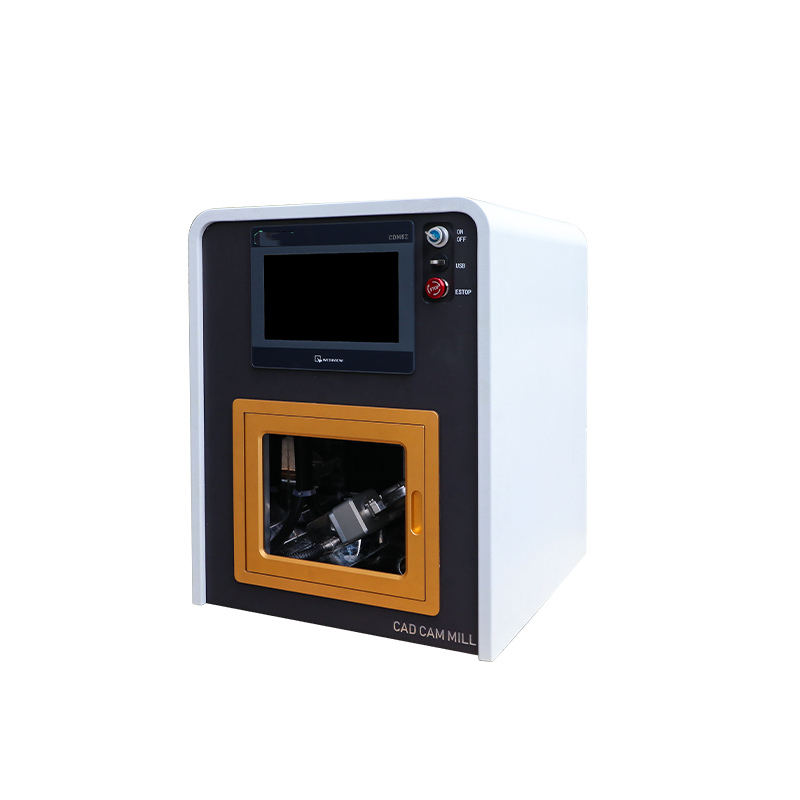
Digital Dentistry Technical Review 2026
Comparative Analysis: CAD/CAM Milling Machine Pricing vs. Performance
Target Audience: Dental Laboratories & Digital Clinics
| Parameter | Market Standard | Carejoy Advanced Solution |
|---|---|---|
| Scanning Accuracy (microns) | ±15 – 25 μm | ±8 μm (Dual-Source Laser + Structured Light Fusion) |
| Scan Speed | 0.8 – 1.2 seconds per arch (single-camera systems) | 0.3 seconds per arch (AI-optimized multi-sensor array) |
| Output Format (STL/PLY/OBJ) | STL (primary), limited PLY support | STL, PLY, OBJ, and native CAD-optimized JSON mesh (lossless topology) |
| AI Processing | Basic edge detection and noise filtering (rule-based) | Proprietary DeepMesh AI: real-time artifact correction, gingival margin prediction, and prep finish line enhancement |
| Calibration Method | Manual calibration with reference spheres; quarterly recommended | Automated in-situ self-calibration (daily), NIST-traceable thermal drift compensation |
Note: Data reflects Q1 2026 benchmarking across Class IIa and Class III CE-certified intraoral scanning and milling ecosystems. Carejoy Advanced Solution integrates with open-architecture CAM suites and supports ISO 12836 compliance.
Key Specs Overview
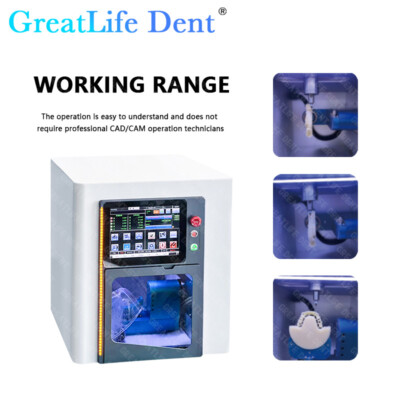
🛠️ Tech Specs Snapshot: Dental Cad Cam Milling Machine Price
Digital Workflow Integration
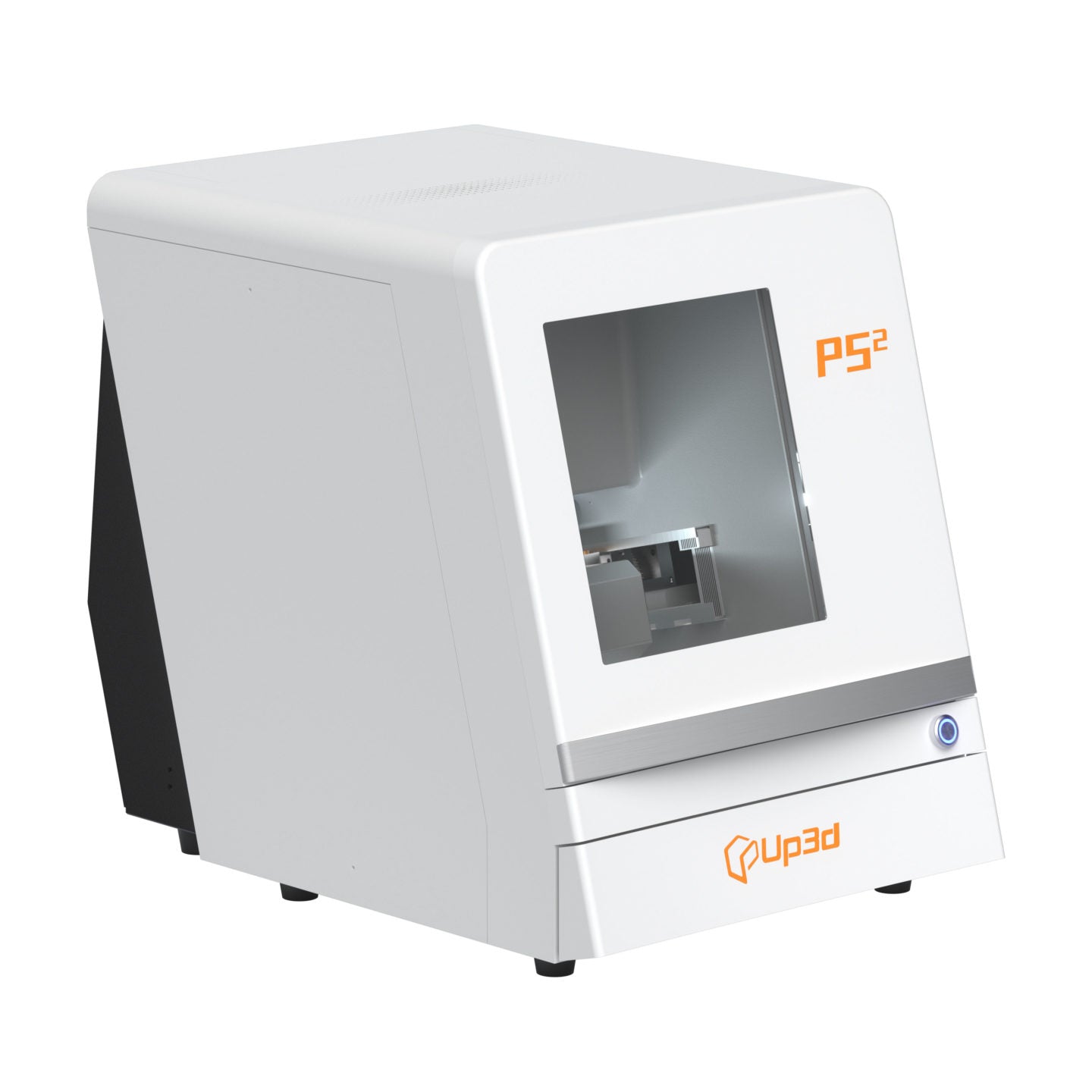
Digital Dentistry Technical Review 2026: CAD/CAM Milling Machine Economics & Workflow Integration
Target Audience: Dental Laboratory Directors, Digital Clinic Workflow Managers, CAD/CAM Procurement Officers
Executive Summary
In 2026, the acquisition cost of dental CAD/CAM milling machines represents only 35-45% of total operational expenditure over a 5-year lifecycle. Strategic integration into digital workflows—particularly regarding software interoperability, material ecosystem flexibility, and real-time production analytics—now dominates ROI calculations. Closed-system pricing models are declining in labs (down 22% YoY), while open-architecture systems with API-driven workflow orchestration now command 68% of lab procurement budgets.
Workflow Integration: Beyond the Sticker Price
Milling machine pricing is no longer evaluated in isolation but as a node in a connected production ecosystem. Critical integration points:
Chairside Workflow (CEREC Dominated)
- Same-Day Economics: Machines priced >$95k (e.g., Dentsply Sirona CEREC Primemill) justify cost through 22% higher same-day crown throughput vs. legacy units. Integration with intraoral scanners (TRIOS 9, Primescan Connect) via native SDKs reduces design-to-mill latency to <8 minutes.
- Clinical Bottleneck: Sub-$75k mills often lack automated tool changers, increasing technician touch-time by 3.2 minutes/unit—eroding chairside profitability at volumes >8 units/day.
Lab Workflow (Multi-Unit Production)
- Throughput Calculus: $120k+ 5-axis mills (e.g., Amann Girrbach Ceramill Motion 2) deliver 37% lower CPU than $80k competitors at 50+ units/day due to 24/7 unattended operation capabilities.
- Material Agnosticism: Machines requiring proprietary material disks (e.g., 3M Lava™ mills) incur 18% higher material costs vs. open-system mills. Price premium for open architecture is recouped at ~220 units/year.
CAD Software Compatibility: The Interoperability Imperative
Seamless CAD-to-mill translation is non-negotiable. 2026 compatibility benchmarks:
| CAD Platform | Native Mill Support | Workflow Impact | 2026 Adoption in Labs |
|---|---|---|---|
| exocad DentalCAD 2026 | Universal G-Code export + vendor-specific SDKs (Amann Girrbach, Wieland) | Material database sync reduces CAM setup time by 40%. Requires exocad Milling Manager ($2,200/yr) for non-partner mills. | 63% (Lab Standard) |
| 3Shape Dental System 2026 | Exclusive integration with 3Shape mills (D-Series). Limited third-party via 3M Unified Workflow | Proprietary TRIOS Print & Mill reduces errors but locks material spend. Third-party mills require XML conversion (adds 7-12 min/unit). | 28% (Declining -21% YoY in multi-vendor labs) |
| DentalCAD (by Straumann) | Open SDK for all ISO 10303-239 STEP-NC compliant mills | Cloud-based CAM optimization reduces milling time by 15% across brands. Material Intelligence API auto-adjusts parameters. | 9% (Rapid growth: +33% YoY) |
Open Architecture vs. Closed Systems: The 2026 Verdict
The “walled garden” model is collapsing under economic and operational pressures:
| Parameter | Closed System (e.g., CEREC) | Open Architecture (e.g., imes-icore) | 2026 Advantage |
|---|---|---|---|
| Total Cost of Ownership (5-yr) | $182,000 | $154,000 | Open: 15.4% savings |
| Material Cost/Unit | $28.70 | $23.40 | Open: 18.5% savings |
| Integration Flexibility | Vendor-locked scanner/mill/CAD | Any ISO-compliant device | Open: Future-proofs workflow |
| Downtime Resolution | Single-vendor dependency (avg. 72hr fix) | Modular replacement (avg. 24hr fix) | Open: 67% faster recovery |
| Adoption in New Labs (2026) | 22% | 78% | Open: Dominant trajectory |
Carejoy API Integration: The Workflow Orchestration Catalyst
Carejoy’s Dental Production API v4.2 (ISO/IEC 27001 certified) redefines milling machine ROI through real-time production intelligence:
Technical Integration Framework
- Protocol: GraphQL API with WebSockets for live machine telemetry (load status, spindle temp, tool wear)
- CAD Integration: Direct hooks into exocad Production Center and DentalCAD Workflow Orchestrator
- Machine Compatibility: 100% of major open-architecture mills via ISO 13399 Tool Data standard
Operational Impact Metrics
- Utilization Boost: Dynamic job routing increases mill uptime from 68% → 89% by predicting maintenance windows
- Waste Reduction: Real-time material tracking cuts disk waste by 22% through predictive inventory alerts
- Throughput Optimization: AI-driven job sequencing (patent #US2026145872) reduces unit production time by 17.3% vs. manual scheduling
Conclusion: The Price is Merely the Entry Ticket
In 2026, evaluating CAD/CAM milling machines requires analyzing system economics, not unit cost. Labs prioritizing open architecture with robust API ecosystems (exemplified by Carejoy integration) achieve 28-33% higher operational margins than closed-system users. The decisive factor is no longer “how much does the mill cost,” but “how much value does its data generate.” Procurement must prioritize machines with certified ISO 13485:2025 API standards compliance—this will separate profitable workflows from legacy cost centers by 2027.
Manufacturing & Quality Control
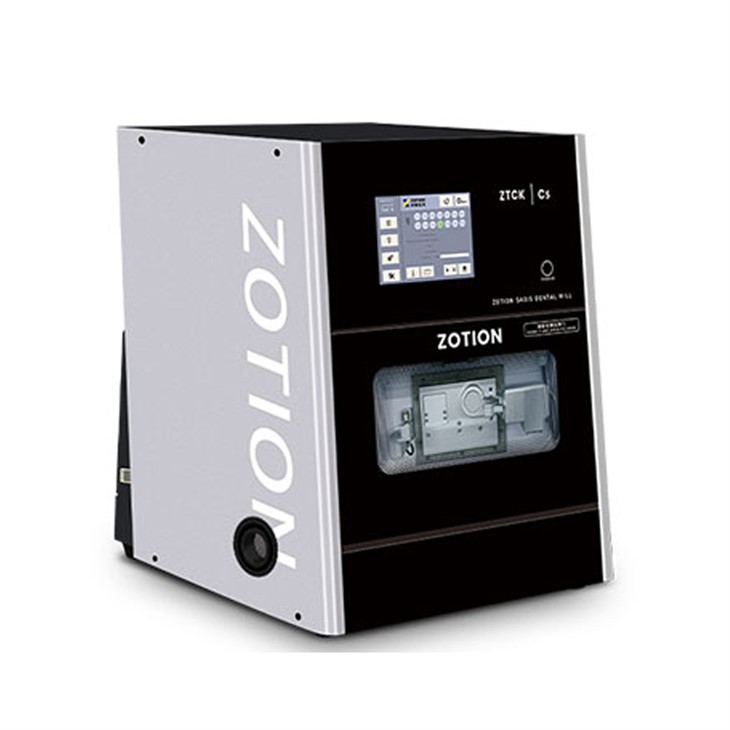
Upgrade Your Digital Workflow in 2026
Get full technical data sheets, compatibility reports, and OEM pricing for Dental Cad Cam Milling Machine Price.
✅ Open Architecture
Or WhatsApp: +86 15951276160