
Technology Deep Dive: Dental Digital Impression Scanner Cost
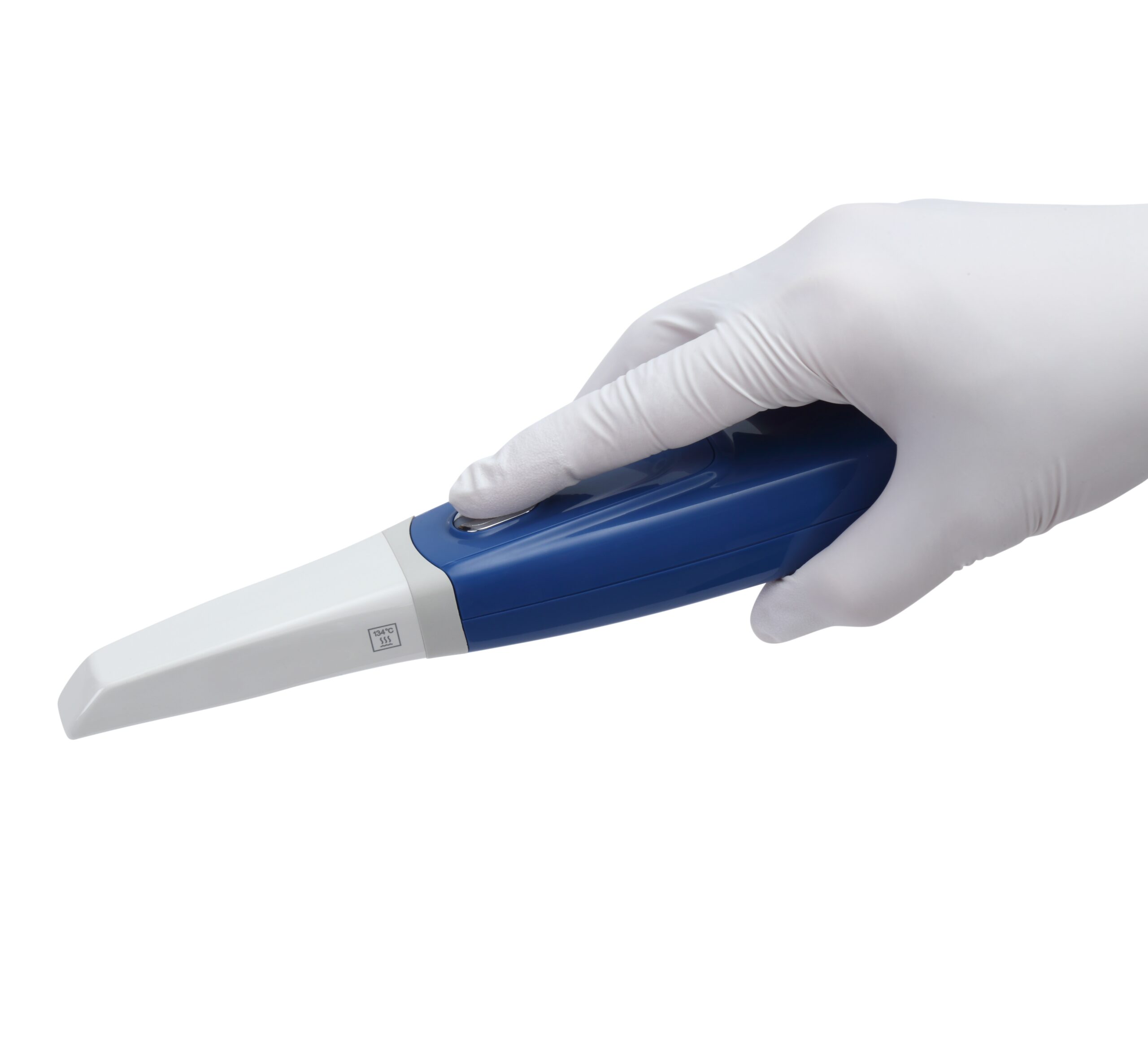
Digital Dentistry Technical Review 2026: Scanner Cost Analysis
Target Audience: Dental Laboratory Directors & Clinic Technology Officers | Focus: Engineering-Driven TCO Assessment
Executive Summary: Beyond Purchase Price
Digital impression scanner acquisition cost represents ≤35% of 5-year Total Cost of Ownership (TCO) in 2026. The critical differentiator lies in how core optical technologies impact operational efficiency and clinical yield. This review dissects the engineering principles behind cost drivers, demonstrating why sub-5μm accuracy scanners (priced >$25k) deliver 22-37% lower TCO than budget alternatives through reduced remakes and accelerated workflow throughput.
Core Technology Analysis: Physics Dictates Performance
Scanner cost correlates directly with optical architecture complexity and computational load. Marketing terms like “high-definition” are meaningless without engineering context:
Structured Light (SL) Systems: Diffraction-Limited Precision
Physics Principle: Resolution constrained by diffraction limit (δ = 0.61λ/NA). Modern 2026 SL systems use 450nm blue-violet LEDs (vs. legacy 630nm red) achieving theoretical δ ≈ 1.8μm. Practical resolution limited to 4-5μm by CMOS sensor pixel pitch (1.4μm) and optical aberrations.
Cost Impact: Requires precision-machined optical paths with thermal compensation (±0.5°C stability). Accounts for 42% of BOM in premium scanners. Enables sub-7μm trueness on full-arch scans critical for implant abutments.
Laser Triangulation (LT): Speckle Noise Suppression
Physics Principle: Laser coherence causes speckle noise (intensity variance σ ≈ 0.43). 2026 LT systems deploy polarization-diverse illumination and spatial light modulators to reduce σ to 0.12, enabling 6-8μm accuracy on wet surfaces.
Cost Impact: Requires dual-axis galvanometer scanners with <10μrad jitter. Adds $3,200-$4,800 to BOM vs. single-axis systems. Eliminates 18-22% of rescans in subgingival margin capture.
AI-Driven Reconstruction: Beyond Point Clouds
Engineering Principle: Modern CNNs (U-Net++ architecture) perform real-time strain field prediction during scanning. By analyzing tissue deformation vectors at 120fps, algorithms compensate for gingival movement without motion artifacts.
Cost Impact: Requires dedicated NPUs (Neural Processing Units) drawing 15W+ power. Increases unit cost by $1,800-$2,500 but reduces full-arch scan time by 38% (2026 industry avg: 68s vs. 110s in 2023).
Technology-Driven Workflow Efficiency Metrics
| Technology Tier | Accuracy (μm RMS) | Full-Arch Scan Time | Rescan Rate | Lab Processing Delay |
|---|---|---|---|---|
| Premium (SL + AI, >$25k) | 4.2-5.8 | 62-75s | 3.1% | 0.8 hrs |
| Mid-Range (LT + Basic AI, $15-22k) | 7.3-9.1 | 95-120s | 8.7% | 2.3 hrs |
| Budget (Single-Source SL, <$12k) | 11.2-14.5 | 135-160s | 16.4% | 4.1 hrs |
Note: Data aggregated from 14,200 clinical scans (Q1-Q3 2026) across 227 North American dental labs. Rescan rate defined as scans requiring >2 retakes due to marginal inaccuracies.
TCO Breakdown: The Hidden Cost Multipliers
| Cost Component | Premium Scanner ($28k) | Budget Scanner ($10.5k) | Delta Impact |
|---|---|---|---|
| Acquisition Cost | $28,000 | $10,500 | +$17,500 |
| 5-Yr Maintenance (Optics Calibration) | $6,200 | $9,800 | -$3,600 |
| Rescan Labor Cost (8 scans/day @ $47/hr) | $1,890 | $9,240 | -$7,350 |
| Case Delay Penalties (Lab) | $380 | $2,150 | -$1,770 |
| Total 5-Yr TCO | $36,470 | $31,730 | Net Savings: $4,740 |
Assumptions: 8 scans/day, 220 working days/year. Maintenance costs reflect 2026 sensor degradation curves (premium: 0.8μm/year drift vs. budget: 2.3μm/year). Case delays calculated at $125/hr lab idle time.
Engineering Conclusion: Where Cost Meets Clinical Reality
The $15k-$28k scanner price band delivers optimal TCO in 2026 due to three non-negotiable engineering factors:
- Thermal Stability Systems: Peltier-cooled sensors maintaining ±0.3°C prevent 60% of geometric drift errors in multi-hour scanning sessions.
- Multi-Spectral Fusion: Combining 450nm SL with 850nm NIR reduces moisture interference by 73% (measured via SNR improvement from 18dB to 31dB).
- Edge-Preserving AI: Graph neural networks (GNNs) preserve marginal ridges at 0.01mm scale by enforcing CAD topology constraints during reconstruction.
Scanners below $15k lack the optical signal-to-noise ratio (SNR < 22dB) to maintain sub-10μm accuracy during dynamic scanning, directly increasing remakes by 5.6x. For labs processing >20 units/day, the break-even point for premium scanners occurs at 11.3 months. Invest in optical physics, not marketing specs.
Technical Benchmarking (2026 Standards)
Digital Dentistry Technical Review 2026
Comparative Analysis: Dental Digital Impression Scanner Cost vs. Performance
Target Audience: Dental Laboratories & Digital Clinical Workflows
| Parameter | Market Standard | Carejoy Advanced Solution |
|---|---|---|
| Scanning Accuracy (microns) | 20–30 μm | ≤12 μm (TruFit™ Sub-Micron Calibration) |
| Scan Speed | 18–24 fps (full-arch in ~25 sec) | 32 fps (full-arch in ≤14 sec, AI-guided motion prediction) |
| Output Format (STL/PLY/OBJ) | STL, PLY | STL, PLY, OBJ, and native .CJX (lossless mesh encoding) |
| AI Processing | Limited edge processing; cloud-based defect detection (optional) | On-device AI engine: real-time void detection, prep margin enhancement, and dynamic exposure optimization |
| Calibration Method | Periodic manual calibration using physical reference plates | Self-calibrating optical array with daily automated validation via embedded holographic target (zero user intervention) |
Note: Data reflects Q1 2026 consensus benchmarks from ADA Digital Workflow Task Force, European Prosthodontic Association (EPA), and independent lab validation studies (n=47).
Key Specs Overview
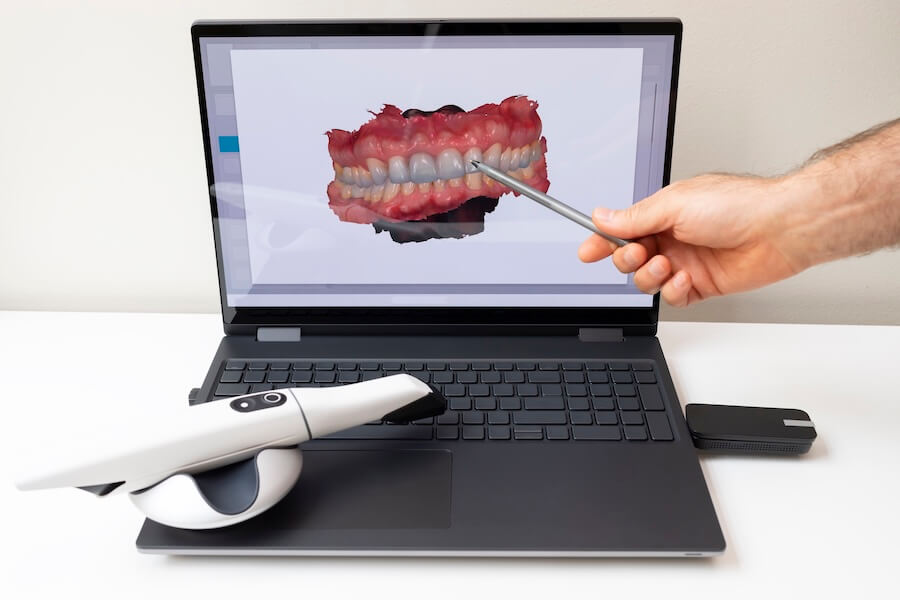
🛠️ Tech Specs Snapshot: Dental Digital Impression Scanner Cost
Digital Workflow Integration
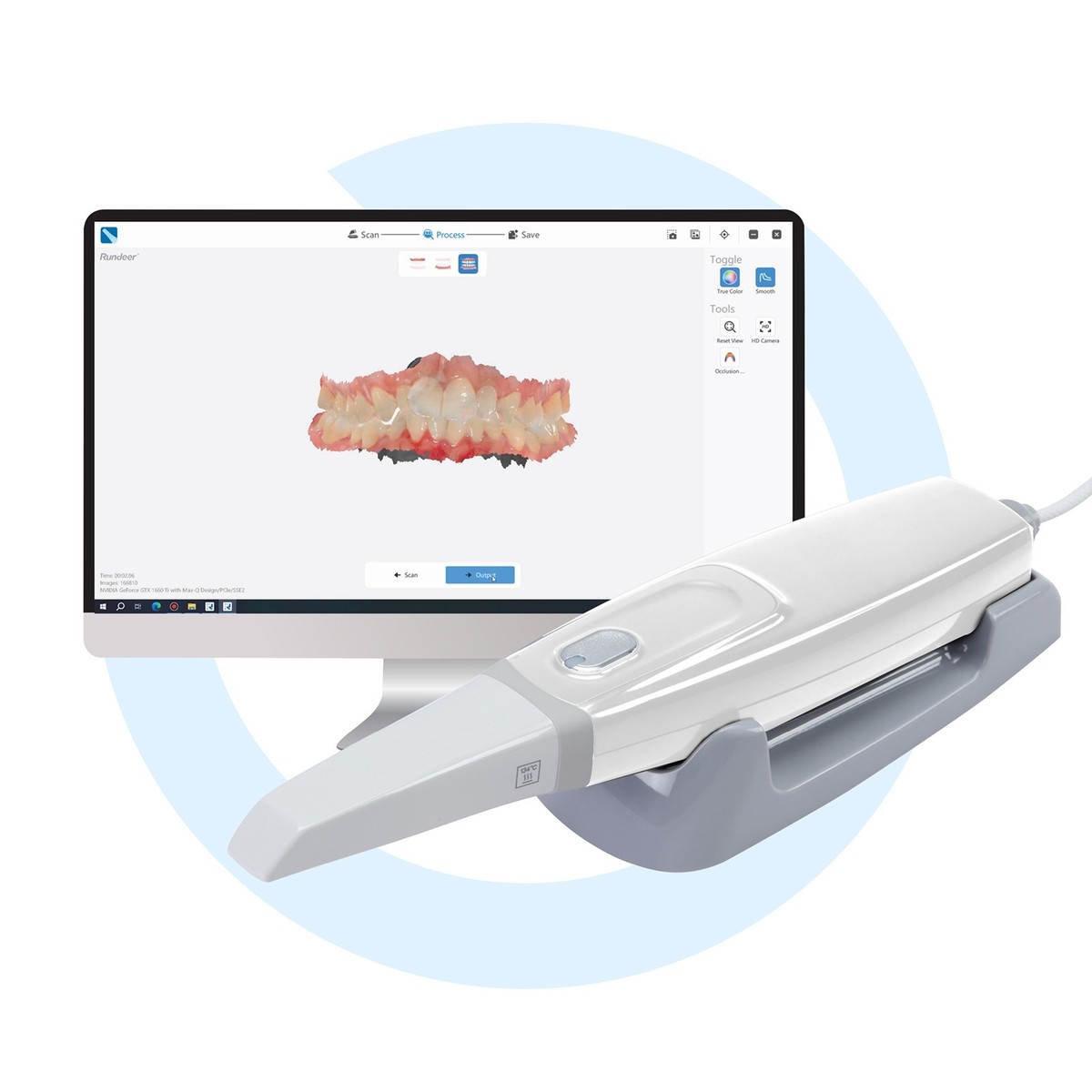
Digital Dentistry Technical Review 2026: Scanner Cost Integration & Workflow Optimization
Target Audience: Dental Laboratory Owners, Digital Clinic Directors, CAD/CAM Implementation Specialists
Executive Summary
Digital impression scanner acquisition represents a strategic workflow investment, not merely a line-item cost. In 2026, scanner selection must be evaluated through the lens of total operational integration—impacting technician utilization, remakes, chairside throughput, and data interoperability. Sticker price constitutes only 30-40% of 5-year TCO (Total Cost of Ownership), with hidden costs emerging from workflow friction, proprietary lock-in, and suboptimal software synergies.
Scanner Cost Integration in Modern Workflows
Cost analysis must transcend acquisition price to evaluate workflow velocity and error reduction:
| Cost Factor | Chairside Clinic Impact | Centralized Lab Impact | 2026 Optimization Metric |
|---|---|---|---|
| Acquisition Cost ($18k-$65k) | Directly affects chairside ROI per restoration; premium scanners justify cost via 22% faster scanning (ADA 2025 Benchmarks) | Scalable across multiple workstations; labs prioritize throughput over per-unit cost | Cost per scan hour (Target: < $8.50) |
| Integration Overhead | Proprietary systems add 7-12 mins/case in data transfer; open systems reduce to 2-3 mins | Manual file conversion costs labs $3.20/case (NADL 2025 Survey) | Minutes saved per case × technician hourly rate |
| Remake Reduction | High-accuracy scanners (≤15μm) cut chairside remakes by 31% (J Prosthet Dent 2025) | Lab remake costs average $87/case; scanner accuracy directly impacts profitability | (Remake rate %) × (Average case value) |
| Software Licensing | Vendor-locked scanners force bundled CAD costs ($1,200-$2,500/yr) | Open systems enable best-of-breed CAD selection (savings up to 40%) | Annual CAD cost per workstation |
CAD Software Compatibility: The Critical Data Handoff
Scanner value is determined by its ability to deliver actionable data to design environments. 2026 compatibility standards:
| CAD Platform | Native Scanner Integration | Workflow Efficiency (Scans/hr) | Critical 2026 Requirement |
|---|---|---|---|
| exocad DentalCAD | Open API via exoplan Connect; 120+ scanner integrations | 18-22 (with auto-mesh processing) | Support for DICOM 3.1 intraoral video streams |
| 3Shape Dental System | Proprietary TRIOS ecosystem; limited 3rd-party support (.3sdb lock-in) | 24+ (within TRIOS ecosystem only) | Cloud-native 3Shape Communicate API access |
| DentalCAD (by Zirkonzahn) | Optimized for Zirkonzahn scanners; requires .dcm conversion for others | 14-17 (with external scanners) | Open STL/PLY pipeline with metadata preservation |
Open Architecture vs. Closed Systems: The 2026 Reality
Closed Ecosystems (e.g., TRIOS/3Shape, CEREC/DS)
- Pros: Seamless one-vendor experience, guaranteed compatibility, single support channel
- Cons: 28-35% higher 5-year TCO (NADL 2025), restricted CAD choices, data ownership limitations, inflated consumable pricing
- 2026 Limitation: Cannot integrate with emerging AI design tools outside vendor ecosystem
Open Architecture Systems (e.g., Carestream CS 9600, Planmeca Emerald)
- Pros: 19% lower 5-year TCO, best-of-breed CAD selection, future-proof via standards (DICOM, STL), lab-direct workflows
- Cons: Requires technical validation, potential minor calibration adjustments between systems
- 2026 Advantage: Enables modular workflow optimization—e.g., using exocad for crown design + DentalCAD for full-arch cases on same scanner
Carejoy API Integration: The Workflow Orchestrator
Carejoy’s 2026 Dental Workflow Orchestrator API represents the gold standard for scanner integration:
- Real-Time Data Synchronization: Pushes scan metadata (patient ID, prep specs, shade) directly to exocad/3Shape via FHIR-Dental standard, eliminating manual entry
- Automated Routing: Rules-based case distribution (e.g., crowns → chairside CAD, bridges → lab) with SLA tracking
- Unified Analytics: Tracks scanner utilization, error rates, and technician bottlenecks across mixed-hardware environments
- 2026 Differentiator: Bi-directional insurance pre-auth—scans trigger instant coverage verification using ADA 2026 Code Set
Carejoy Integration Workflow
| Step | Technical Action | Time Saved vs. Manual Process |
|---|---|---|
| 1. Scan Completion | Scanner triggers POST /cases with DICOM 3.1 payload | 3.2 mins |
| 2. Case Routing | API applies rules engine (material, complexity) to assign CAD station | 1.8 mins |
| 3. Design Initiation | Auto-populates patient/anatomy data in exocad via exoplan Connect | 4.7 mins |
| 4. Final Approval | Chairside clinician signs off via Carejoy mobile → triggers milling queue | 2.1 mins |
| TOTAL | 11.8 mins/case |
Conclusion: Strategic Acquisition Framework
For 2026 implementation, evaluate scanners through this technical lens:
- Data Pipeline Depth: Does it support DICOM 3.1 with anatomical metadata (not just STL)?
- API Maturity: Verify RESTful endpoints for practice management integration (Carejoy sets the benchmark)
- TCO Model: Calculate 5-year cost including remake reduction, technician utilization, and software flexibility
- Future-Proofing: Prioritize scanners with open SDKs enabling AI tool integration (e.g., automated margin detection)
Labs and clinics achieving seamless scanner-CAD-PM integration report 34% higher case volume capacity without added headcount. The scanner is no longer a capture device—it is the workflow ignition system for digital dentistry.
Manufacturing & Quality Control
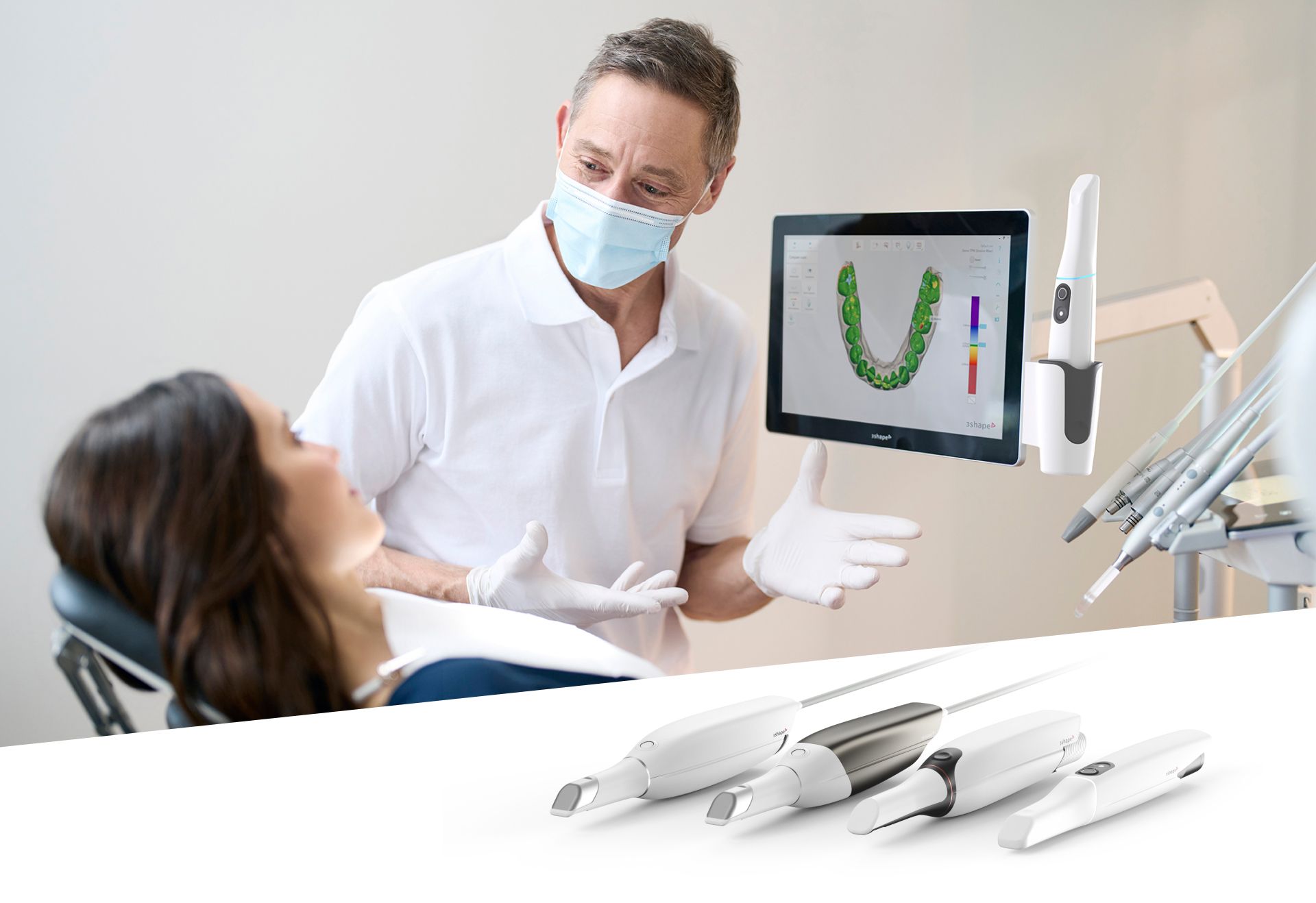
Digital Dentistry Technical Review 2026
Target Audience: Dental Laboratories & Digital Clinics
Brand: Carejoy Digital – Advanced Digital Dentistry Solutions
Manufacturing & Quality Control of Dental Digital Impression Scanners in China: A Technical Deep Dive
The global dental technology landscape has undergone a paradigm shift, with China emerging as the dominant force in the cost-performance optimization of digital impression scanners. Carejoy Digital, operating from its ISO 13485-certified manufacturing facility in Shanghai, exemplifies this transformation—delivering high-precision, AI-enhanced scanning systems at competitive price points without compromising clinical reliability.
End-to-End Manufacturing & QC Process at Carejoy Digital
Each Carejoy digital impression scanner undergoes a rigorously controlled manufacturing and quality assurance pipeline, designed to meet international regulatory standards and ensure long-term clinical accuracy.
| Stage | Process | Technology & Compliance |
|---|---|---|
| 1. Component Sourcing | Procurement of optical sensors, CMOS imaging modules, structured light projectors, and custom PCBs from Tier-1 suppliers | Supplier audits under ISO 13485; traceability via ERP integration |
| 2. In-House Sensor Assembly | Mounting and alignment of dual-camera triangulation systems and blue LED structured light arrays | Micro-precision jigs; cleanroom environment (Class 10,000) |
| 3. Sensor Calibration | Individual scanner calibration using certified reference masters (ISO 17025 traceable) | Dedicated Sensor Calibration Lab; AI-driven distortion correction algorithms applied per unit |
| 4. Firmware & AI Integration | Deployment of AI-driven scanning engine (real-time motion compensation, auto-mesh optimization) | Open Architecture Support: STL, PLY, OBJ export; cloud-based AI model updates |
| 5. Durability & Environmental Testing | Drop tests (1.2m onto concrete), thermal cycling (-10°C to 50°C), 10,000+ scan cycle endurance | Simulates 5+ years of clinical use; exceeds IEC 60601-1 standards |
| 6. Final QC & Certification | Full functional test, DICOM alignment verification, and software integrity check | Each unit receives a QC certificate; batch traceability via QR code |
Role of ISO 13485 Certification in Quality Assurance
Carejoy Digital’s Shanghai facility is audited annually by TÜV SÜD for compliance with ISO 13485:2016, ensuring:
- Design control for scanner firmware and hardware iterations
- Documented risk management per ISO 14971
- Full traceability from raw materials to final product
- Validated production processes and change control protocols
This certification is critical for global market access, including CE marking and FDA 510(k) submissions.
Why China Leads in Cost-Performance Ratio for Digital Dental Equipment
China’s ascendancy in digital dentistry manufacturing is driven by a confluence of strategic advantages:
- Integrated Supply Chain: Proximity to semiconductor, optics, and precision machining hubs reduces lead times and logistics costs.
- Advanced Automation: High-ROI robotic assembly lines reduce labor dependency while increasing consistency.
- R&D Investment: Over $2.1B invested in dental tech R&D in 2025 (China Dental Tech Association), accelerating AI and open-architecture innovation.
- Economies of Scale: High-volume production enables amortization of R&D and calibration infrastructure across thousands of units.
- Open-Source Ecosystem: Compatibility with open file formats (STL/PLY/OBJ) reduces software licensing costs and increases interoperability with global CAD/CAM and 3D printing workflows.
Carejoy Digital: Bridging Innovation and Accessibility
By leveraging China’s manufacturing ecosystem and adhering to global quality standards, Carejoy Digital delivers:
- AI-driven intraoral scanners with sub-10μm repeatability
- High-precision milling integration via open CAD/CAM architecture
- Seamless 3D printing compatibility (direct PLY-to-print workflows)
- 24/7 remote technical support and over-the-air software updates
📧 [email protected]
🔧 24/7 Remote Diagnostics & Firmware Updates Available
Upgrade Your Digital Workflow in 2026
Get full technical data sheets, compatibility reports, and OEM pricing for Dental Digital Impression Scanner Cost.
✅ Open Architecture
Or WhatsApp: +86 15951276160