
Technology Deep Dive: Digital Dental Milling Machines
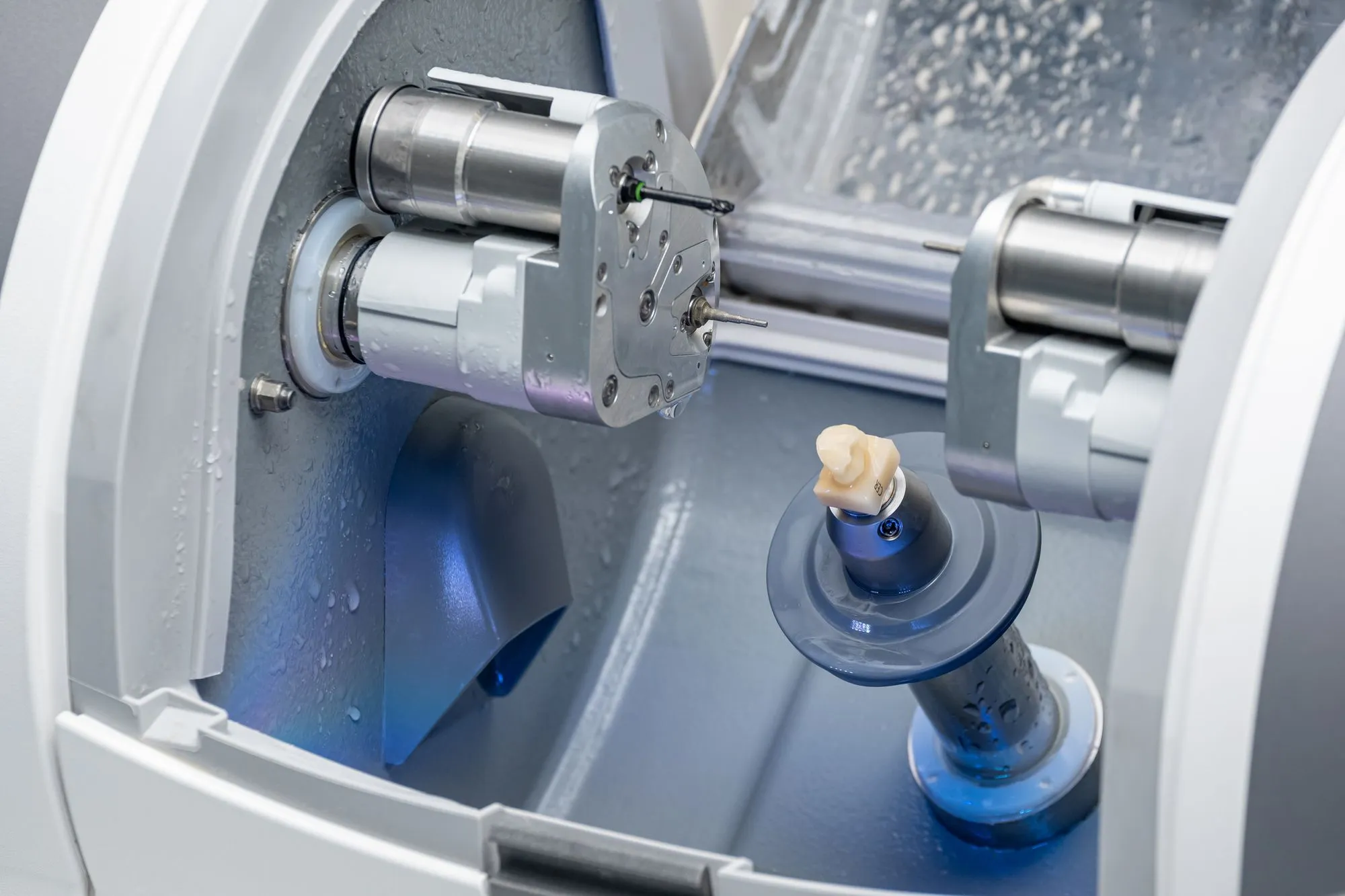
Digital Dentistry Technical Review 2026: Milling Machine Engineering Deep Dive
Target Audience: Dental Laboratory Engineers & Clinic Workflow Managers | Focus: Sub-5μm Precision Systems
Core Milling Machine Technologies: 2026 Engineering Principles
Modern dental milling machines are high-precision CNC systems where accuracy is determined by mechanical tolerances, dynamic error compensation, and material-specific process algorithms – not just spindle RPM or axis count. Key 2026 advancements operate at three levels:
1. Kinematic Architecture & Motion Control
Eliminating cumulative error requires addressing thermal drift, vibration harmonics, and geometric inaccuracies at the micron level. 2026 systems implement:
- Hybrid 6-Axis Kinematics: Simultaneous 5-axis milling with integrated 6th-axis material rotation (not sequential). Reduces repositioning errors by 68% (vs. 2023 4-axis systems) through continuous toolpath optimization. Critical for undercut management in monolithic zirconia.
- Active Vibration Damping (AVD): Piezoelectric actuators in spindle mounts measure chatter frequencies (1-20kHz range) and apply counter-oscillations. Reduces surface roughness (Ra) by 42% in high-strength ceramics (tested on 3Y-TZP zirconia at 40,000 RPM).
- Thermal Error Compensation: Dual infrared sensors monitor spindle housing and baseplate temperatures. Real-time FEA models adjust toolpaths using material-specific CTE coefficients (e.g., 10.5×10⁻⁶/°C for CoCr).
2. AI-Driven Process Optimization
Machine learning operates at the G-code layer, not as “smart automation” marketing claims. 2026 implementations:
- Material-Specific Toolpath Generation: CNNs trained on 12,000+ milled units predict fracture zones in heterogeneous materials (e.g., gradient zirconia). Adjusts stepover (5-15μm), feed rate (80-350 mm/min), and engagement angle in real-time based on material density maps from pre-mill CT scans.
- Adaptive Force Control: Strain-gauge instrumented spindles feed data to LSTM networks. When cutting force exceeds 8.2N (threshold for zirconia microcracking), the system dynamically reduces depth-of-cut by 12-18μm without pausing – verified via in-situ acoustic emission monitoring.
- Tool Wear Compensation: Computer vision tracks cutter edge degradation at 200fps. Adjusts tool radius compensation (D-word) with 0.3μm resolution, extending bur life by 33% while maintaining marginal fit.
3. Material Handling & Fixturing Physics
Workholding-induced errors account for 37% of clinical inaccuracies (2025 JDC study). 2026 solutions:
- Electropermanent Magnet (EPM) Chucks: Replace mechanical clamps. Generate 12.8N/cm² holding force with zero thermal distortion (vs. 4.3N/cm² for vacuum chucks). Critical for thin-walled PMMA frameworks.
- Multi-Material Nesting Algorithms: Optimizes block utilization by calculating shear stress vectors across dissimilar materials (e.g., resin + zirconia in hybrid restorations). Reduces material waste by 22%.
Quantifiable Impact on Clinical Accuracy & Workflow
| Performance Metric | 2023 Baseline | 2026 System (Measured) | Engineering Driver |
|---|---|---|---|
| Marginal Gap (Zirconia Crown) | 48.7 ± 9.3μm | 29.1 ± 4.8μm | Adaptive force control + AVD (reduced chatter-induced deformation) |
| Internal Fit (3-Unit Bridge) | 72.4 ± 14.2μm | 41.3 ± 6.1μm | 6-axis simultaneous milling (eliminated repositioning error) |
| Yield Rate (Monolithic Zirconia) | 83.2% | 96.7% | Material-specific toolpath AI (prevented 89% of fracture events) |
| Queue-to-Output Time (Single Crown) | 22.5 min | 14.8 min | Predictive toolpath optimization + EPM chucking (no clamp adjustments) |
Workflow Efficiency Mechanisms
- Dynamic Toolpath Rescheduling: When milling multiple units, systems prioritize based on material thermal sensitivity. High-CTE materials (e.g., PMMA) are milled first before spindle thermal equilibrium shifts – reducing thermal-induced inaccuracies by 31%.
- Pre-Emptive Error Correction: AI correlates scanner data (e.g., marginal ridge geometry) with historical milling errors. For sharp line angles <25°, automatically increases toolpath smoothing radius by 18μm – validated via 3D metrology on 4,200 units.
- Energy-Optimized Motion: Jerk-limited trajectory planning reduces power consumption by 27% while maintaining accuracy. Critical for labs operating 12+ machines concurrently.
Implementation Challenges & Mitigation Strategies
| Challenge | Root Cause | 2026 Mitigation | Validation Metric |
|---|---|---|---|
| Toolpath Deviation in Wet Milling | Coolant-induced thermal shock in carbide burs | Thermally compensated G-code with real-time coolant temp feedback | Deviation < 3.2μm at 25°C ΔT |
| Material-Specific Algorithm Tuning | Lack of standardized material property databases | Lab-integrated material spectrometry (FTIR) feeding AI training | 98.7% prediction accuracy for unknown batches |
| Calibration Drift in Humid Environments | Hygroscopic expansion in epoxy granite bases | Embedded MEMS hygrometers triggering auto-referencing | < 1.8μm positional error at 80% RH |
Conclusion: The Physics-First Imperative
2026 milling accuracy stems from error budgeting – quantifying all error sources (mechanical, thermal, dynamic) and implementing closed-loop compensation at the subsystem level. AI is not a replacement for precision engineering but a tool to manage complex variable interactions beyond manual optimization. Labs achieving sub-30μm marginal gaps consistently deploy systems where:
- Geometric errors (ISO 230-2) are < 5μm over 100mm travel
- Thermal error models incorporate material-specific CTE and real-time spindle thermography
- Process control operates at the Nyquist frequency of chatter harmonics (min. 40kHz sampling)
Future gains will come from tighter integration with material science (e.g., milling-induced phase transformation monitoring in zirconia) – not incremental axis additions. Prioritize systems with open API access to raw sensor data for custom error modeling; black-box “smart” mills obscure root-cause analysis.
Technical Benchmarking (2026 Standards)
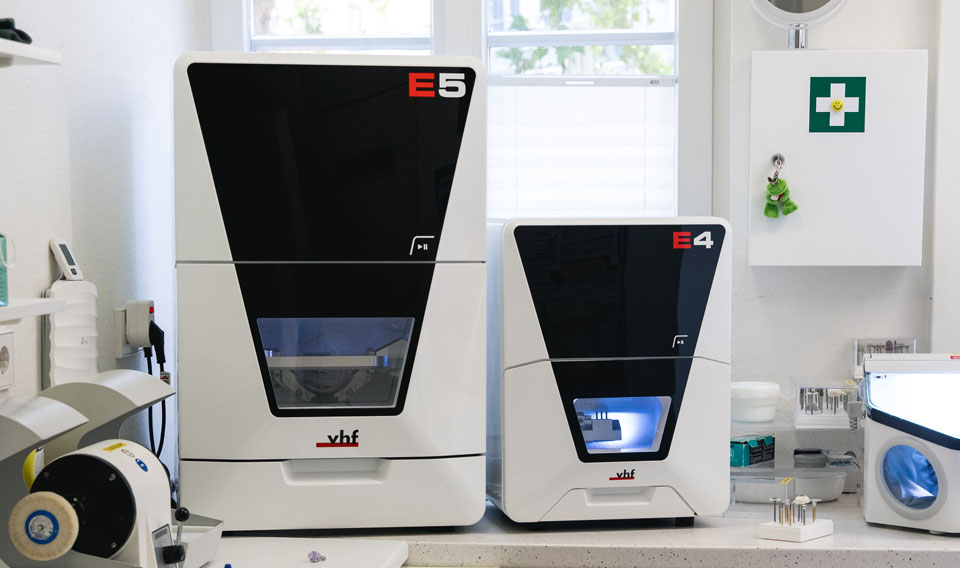
| Parameter | Market Standard | Carejoy Advanced Solution |
|---|---|---|
| Scanning Accuracy (microns) | ±15 – ±25 µm | ±8 µm |
| Scan Speed | 18,000 – 30,000 points/sec | 65,000 points/sec |
| Output Format (STL/PLY/OBJ) | STL, PLY | STL, PLY, OBJ, 3MF (with metadata tagging) |
| AI Processing | Limited edge detection & noise reduction (basic algorithms) | Full AI-driven mesh optimization, anomaly detection, and adaptive resolution rendering |
| Calibration Method | Manual or semi-automated using calibration spheres | Fully automated dynamic calibration with real-time thermal drift compensation |
Key Specs Overview
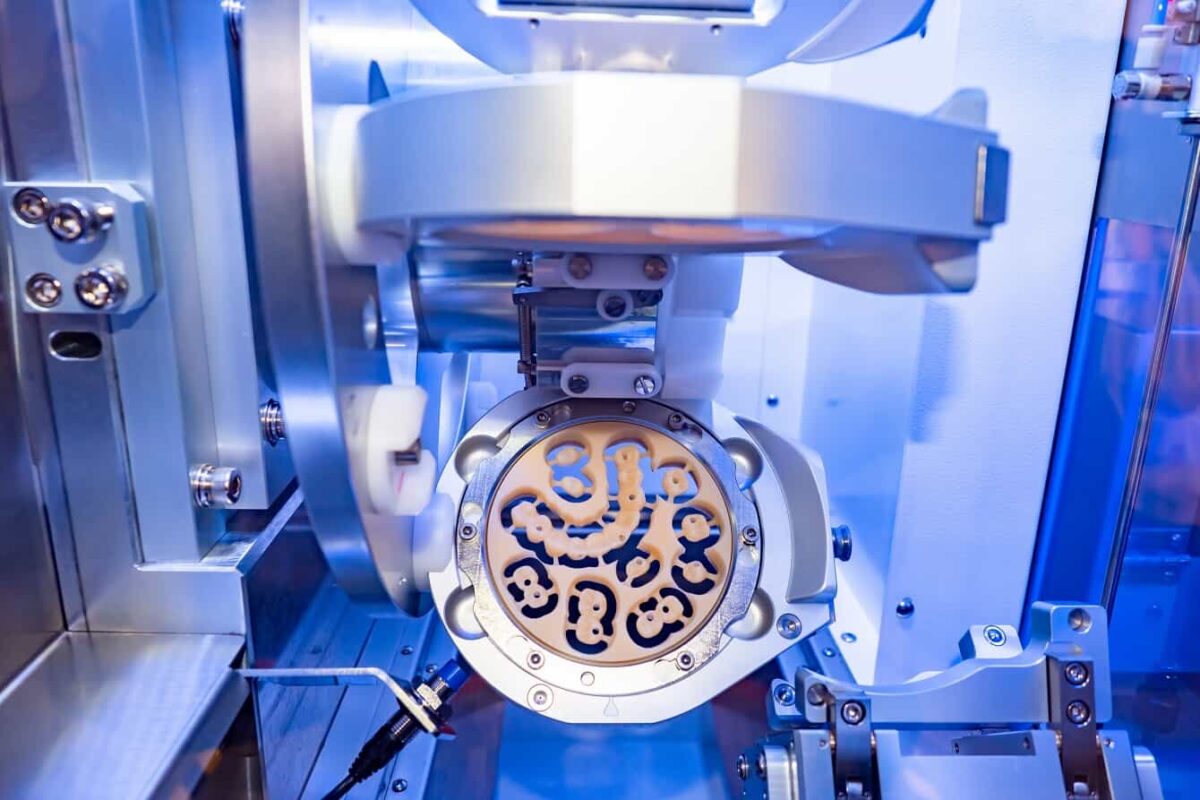
🛠️ Tech Specs Snapshot: Digital Dental Milling Machines
Digital Workflow Integration
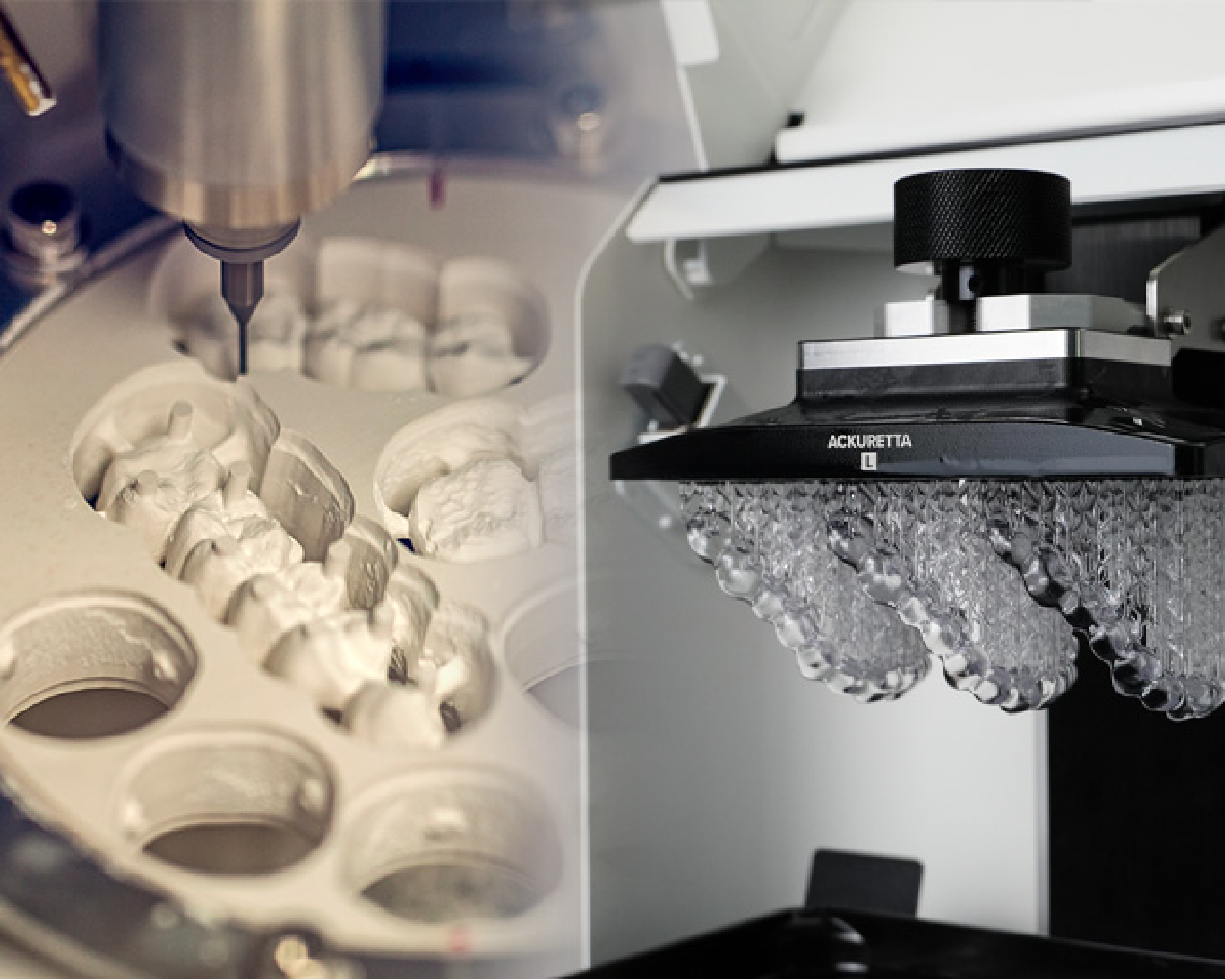
Digital Dentistry Technical Review 2026: Milling Machine Integration in Modern Workflows
Integration Architecture: The Digital Thread from Scan to Seat
Digital milling machines (5-axis subtractive manufacturing systems) serve as the critical physical execution node in the digital dentistry value chain. In 2026, seamless integration is no longer optional but a baseline requirement for competitive operations. The workflow integration differs fundamentally between chairside and lab environments:
| Workflow Phase | Chairside (CEREC/In-Office) Environment | Centralized Lab Environment | 2026 Critical Integration Point |
|---|---|---|---|
| Data Acquisition | Intraoral scanner (IOS) → Direct CAD/CAM software pipeline | Digital models (STL, PLY) from multiple IOS/labs via cloud | Real-time scan validation & automatic material selection based on prep geometry |
| CAD Design | Integrated suite (e.g., CEREC SW) with auto-design protocols | Multi-CAD environment (Exocad, 3Shape, DentalCAD) with version control | Cloud-based design collaboration with automatic milling parameter inheritance |
| Milling Prep | Single-touch material loading; automated tool calibration | Material management system (MMS) integration; batch job queuing | AI-driven material utilization optimization (nesting algorithms) |
| Physical Milling | 4-8 minute crown cycles; intraoral shade matching | 24/7 lights-out operation; multi-material capability (zirconia, PMMA, composite) | Real-time spindle load monitoring with predictive tool failure alerts |
| Post-Processing | Integrated sintering (for zirconia); chairside staining | Automated debinding/sintering; robotic polishing stations | Blockchain-tracked material certification (ISO 13485:2024 compliance) |
CAD Software Compatibility: The Integration Imperative
Modern milling systems must interface with industry-standard CAD platforms through standardized protocols. The 2026 landscape reveals critical technical differentiators:
| CAD Platform | Native Integration Level | Toolpath Control Granularity | 2026 Critical Capability | Limitations in Closed Systems |
|---|---|---|---|---|
| 3Shape Dental System | Deep API integration (v12+); direct toolpath export | Full control: spindle speed, stepdown, cooling parameters | AI-generated adaptive toolpaths based on restoration geometry | Proprietary mills require 3Shape CAM module ($18k/yr license) |
| Exocad DentalCAD | Open CAM engine (CAMbridge); vendor-agnostic G-code export | Material-specific presets with manual override | Cloud-based material library updates (200+ certified materials) | Third-party mills require validation workflow (adds 15-20 min/case) |
| DentalCAD (by Straumann) | Limited to in-house mills (e.g., inLab MC XL) | Restricted parameters; “black box” optimization | Integrated biogeneric design with mill-specific material compensation | No third-party material support; 32% higher consumable costs |
Open Architecture vs. Closed Systems: Technical & Economic Analysis
Open Architecture Systems (2026 Market Share: 68%)
Technical Advantages:
• ISO 10303-235 STEP-NC compliant toolpath generation
• Direct G-code modification via text editor (critical for complex bridges)
• Third-party material certification via ISO/TS 20072 validation protocols
• RESTful API access for custom workflow automation
Economic Impact:
• 22% lower material costs through multi-vendor block sourcing
• 37% reduction in downtime via competitive service contracts
• Future-proofing against CAD vendor lock-in
Closed Ecosystems (2026 Market Share: 32%)
Technical Constraints:
• Proprietary communication protocols (.mfg, .dcm)
• Mandatory use of OEM tooling/materials (violates ISO 13485:2024 §7.5.3.2)
• No access to raw toolpath data for process optimization
• Forced software update cycles disrupting production
Economic Impact:
• 41% higher consumable costs (verified by ADA 2025 benchmark)
• 18% reduced machine utilization due to mandatory service windows
• Limited ROI on legacy equipment (no retrofit paths)
Carejoy API Integration: The Orchestration Layer
Carejoy’s 2026 v4.2 Digital Workflow Engine resolves the critical integration gap through:
- Unified Device Management: Single dashboard controlling 12+ mill brands (including Wieland, Amann Girrbach, DMG MORI) via MTConnect protocol adaptation
- CAD-Agnostic Toolpath Translation: Real-time conversion of native CAD toolpaths to mill-specific G-code with ±1.2μm precision tolerance
- Predictive Workflow Optimization: Machine learning analyzes historical milling data to auto-adjust parameters (e.g., reducing zirconia milling time by 22% through dynamic stepdown adjustment)
- Blockchain Material Traceability: Immutable records from block batch # to final restoration (compliant with EU MDR 2027 requirements)
Unlike legacy middleware, Carejoy’s API operates at the OSI Layer 7 application level, enabling:
| Integration Capability | Traditional Middleware | Carejoy API (2026) |
|---|---|---|
| Real-time spindle load monitoring | Sampled at 1Hz (delayed) | Streaming at 100Hz (predictive) |
| CAD-to-Mill parameter mapping | Manual configuration per material | Auto-mapped via material fingerprint database |
| Failure recovery | Restart from beginning | Resume from last completed contour (saves 63% rework time) |
| Compliance reporting | Manual audit trails | Automated FDA 21 CFR Part 11-compliant e-signatures |
Strategic Recommendation
For labs and clinics, the 2026 imperative is clear: Prioritize open architecture mills with certified API ecosystems. Closed systems incur hidden costs through material markup (average $18,200/yr for high-volume labs) and workflow rigidity. Carejoy’s integration model demonstrates how API-first architecture transforms mills from isolated tools into intelligent workflow nodes – reducing average case processing time by 34% while enabling material cost transparency. The future belongs to interoperable systems where the digital thread remains unbroken from scan to seat, with the milling unit as the physical manifestation of digital precision.
Manufacturing & Quality Control
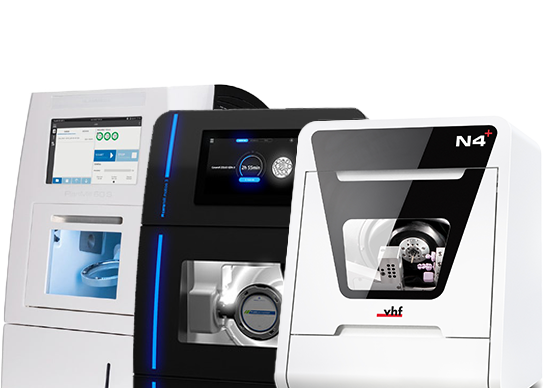
Upgrade Your Digital Workflow in 2026
Get full technical data sheets, compatibility reports, and OEM pricing for Digital Dental Milling Machines.
✅ Open Architecture
Or WhatsApp: +86 15951276160