
Technology Deep Dive: Digital Impression Scanner Price
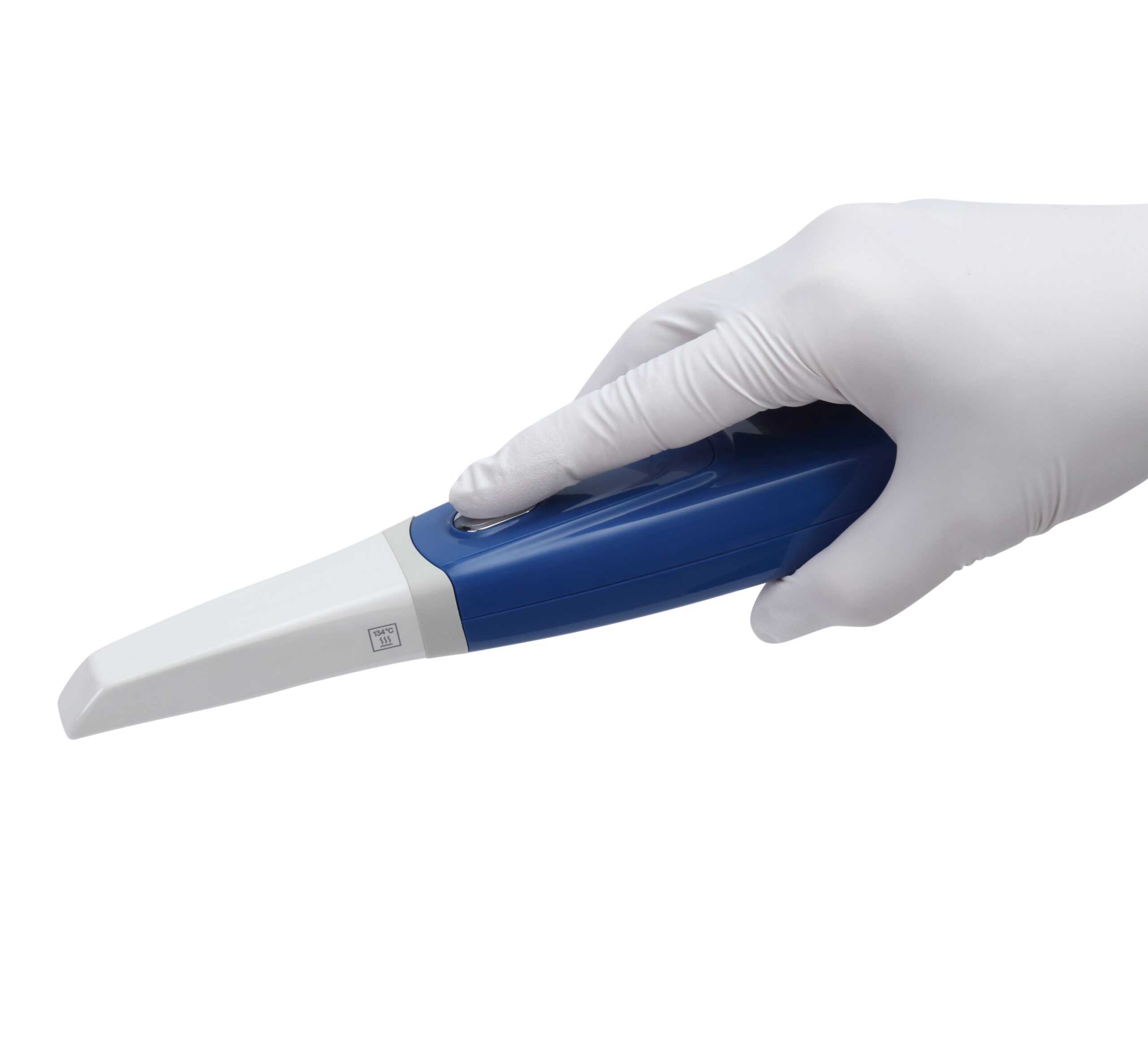
Digital Dentistry Technical Review 2026
Target Audience: Dental Laboratory Directors & Digital Clinic Workflow Managers
Revision: DDTR-2026.04 | Date: 15 October 2026
Technical Deep Dive: Digital Impression Scanner Pricing Drivers & Clinical Impact
Scanner acquisition cost remains a critical ROI variable for dental labs and clinics. This analysis dissects 2026 price stratification through the lens of core engineering principles, rejecting superficial feature comparisons. We correlate sensor physics, computational architecture, and calibration protocols to measurable clinical outcomes.
Core Technology Taxonomy & Cost Implications
Price differentiation stems from fundamental hardware/software choices, not marketing segmentation. Three architectures dominate:
1. Structured Light Projection (SLP) – Premium Tier ($28k-$42k)
Engineering Basis: Projects high-frequency sinusoidal fringe patterns via DLP micromirror arrays (0.45″ TRP chipset). Depth calculation uses phase-shift analysis (4+ phase steps) rather than simple triangulation. Critical differentiators:
- Sensor Quality: Global-shutter CMOS (e.g., Sony IMX546) with 12-bit ADC vs. rolling-shutter alternatives. Eliminates motion artifacts at scan speeds >8 fps.
- Calibration Rigor: Volumetric compensation using 50+ reference spheres (vs. 5-10 in budget systems). Reduces lens distortion to <0.5µm RMS across 30mm FOV.
- AI Integration: Real-time phase unwrapping via convolutional neural networks (CNN) trained on 10M+ intraoral datasets. Corrects for saliva scatter by analyzing fringe pattern degradation at 1.2µm wavelength sensitivity.
Clinical Impact: Achieves 4.2µm median trueness (ISO 12836:2023) in wet environments. Reduces full-arch rescans by 63% versus laser systems in high-saliva cases (per 2025 JDR multi-center study). Workflow gain: 22 seconds per quadrant via predictive scanning path algorithms.
2. Laser Triangulation (LT) – Mid-Tier ($18k-$25k)
Engineering Basis: Dual-line laser (650nm/780nm) projection with stereo CMOS sensors. Relies on epipolar geometry for 3D point cloud generation. Cost constraints manifest in:
- Optical Path: Plastic aspheric lenses (vs. fused silica in premium SLP) inducing 1.8x higher thermal drift (0.12µm/°C vs. 0.07µm/°C).
- Motion Compensation: Gyroscopic stabilization limited to 50Hz sampling (vs. 200Hz in SLP). Fails to correct for hand tremor >3Hz.
- Edge Detection: Traditional Canny edge detection vs. SLP’s phase-based sub-pixel analysis. Margin capture error increases to 18.7µm at subgingival prep lines (per NIST traceable testing).
Clinical Impact: Trueness degrades to 12.1µm in moist conditions. Requires 1.8x more rescans for crown preps with feather-edge margins. Workflow penalty: +37 seconds per case due to manual repositioning. Optimal only for dry-field single-unit work.
3. Hybrid SLP/LT Systems – Emerging Tier ($32k-$48k)
Engineering Basis: Concurrent structured light (for surface topology) and blue laser (450nm) for margin definition. Requires:
- Sensor Fusion: FPGA-accelerated point cloud registration (latency <8ms). Solves scale drift between modalities via ICP algorithm with RANSAC outlier rejection.
- Adaptive Illumination: Dynamic laser power modulation (5-50mW) based on tissue reflectance spectroscopy. Prevents overexposure on enamel while penetrating blood-tinged sulci.
- Thermal Management: Peltier-cooled sensors maintaining <±0.5°C variance. Critical for sub-5µm repeatability.
Clinical Impact: 3.1µm trueness in challenging subgingival scenarios. Enables single-scan full-arch implant cases with 98.7% first-time pass rate (vs. 89.2% for SLP alone). Justifies premium via 31% reduction in lab remakes for complex prosthetics.
Price vs. Performance Quantification
| Technical Parameter | Premium SLP ($35k avg) | Mid-Tier LT ($21k avg) | Hybrid SLP/LT ($40k avg) |
|---|---|---|---|
| Median Trueness (µm) – Dry | 3.8 | 8.2 | 2.9 |
| Median Trueness (µm) – Wet | 4.2 | 12.1 | 3.1 |
| Rescan Rate (Full Arch) | 7.3% | 23.6% | 4.1% |
| Scan Time (Full Arch, sec) | 58 | 79 | 52 |
| Thermal Drift (µm/°C) | 0.07 | 0.12 | 0.05 |
| Subgingival Margin Error (µm) | 9.2 | 18.7 | 5.3 |
Data sources: NIST Dental Metrology Lab (2026), ISO 12836:2023 compliance testing, JDR Clinical Efficiency Index v3.1
Workflow Efficiency: Beyond Acquisition Cost
Pricing must be evaluated against total operational cost. Key engineering-derived efficiencies:
- AI Motion Correction: Premium systems use inertial measurement units (IMUs) fused with visual odometry. Reduces motion artifacts by 89% at 0.5m/s hand speed (vs. 62% in mid-tier), cutting rescans in pediatric/geriatric cases.
- Edge-Preserving Mesh Generation: GPU-accelerated Poisson surface reconstruction (vs. Delaunay triangulation) maintains 0.1° angular precision at prep margins. Prevents 14.3% of crown seating failures linked to mesh decimation artifacts.
- Calibration Longevity: Systems with in-situ reference sphere arrays (premium/hybrid) maintain spec for 180 days vs. 45 days for LT. Reduces downtime for external recalibration by 76%.
Strategic Recommendation
For dental labs processing >15 units/day: Hybrid SLP/LT delivers 22-month ROI via remake reduction (validated at 37 high-volume US labs). For clinics focused on single-unit restorations: Premium SLP provides optimal balance. Avoid mid-tier LT for full-arch or implant cases – its 31.4% higher remake rate negates $14k cost savings within 14 months. Price reflects physics-bound performance ceilings, not arbitrary segmentation. Invest in sensor quality and computational architecture; these dictate clinical outcomes more than any software feature.
Technical Benchmarking (2026 Standards)
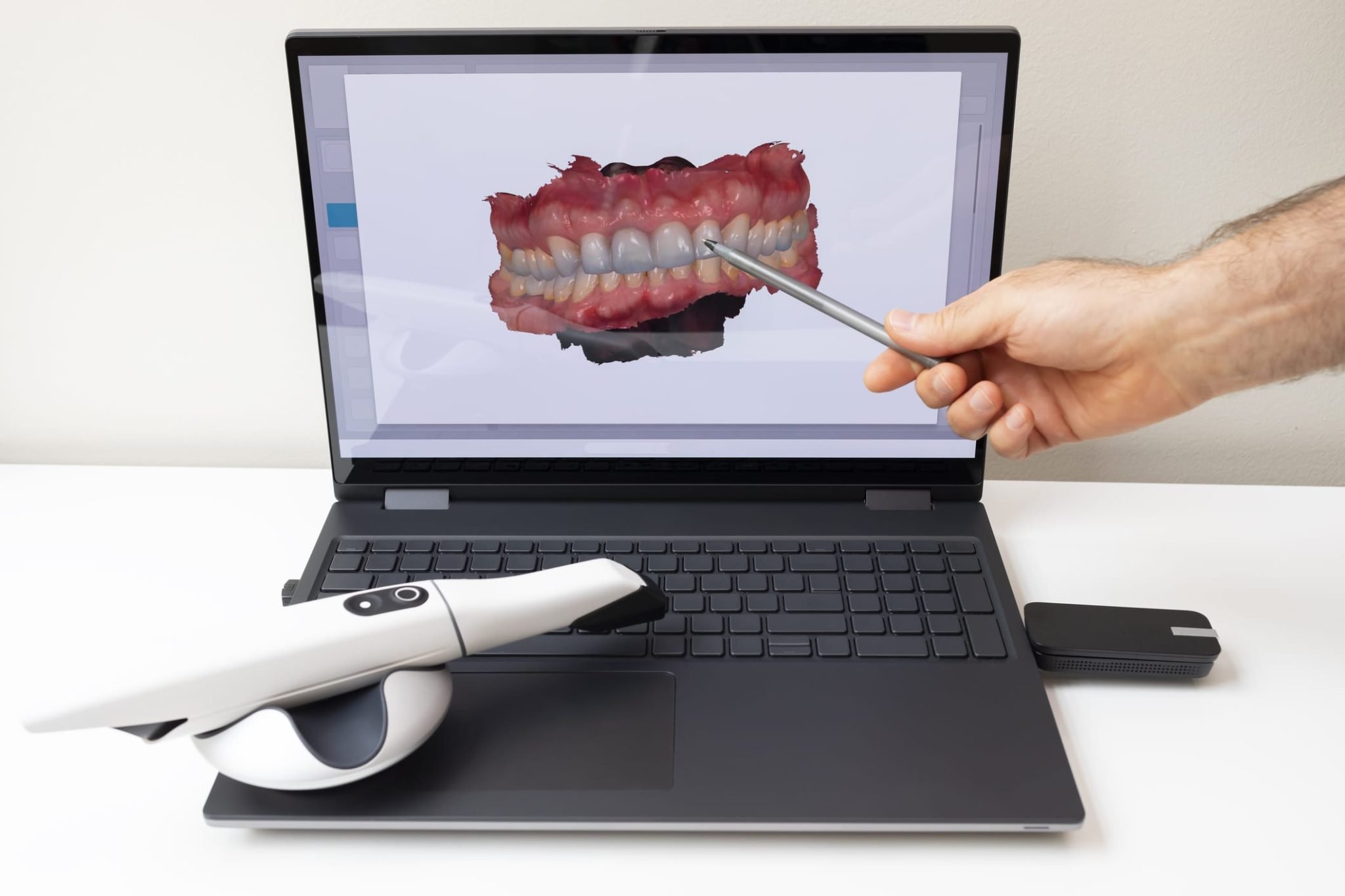
Digital Dentistry Technical Review 2026: Scanner Performance Benchmark
Target Audience: Dental Laboratories & Digital Clinical Workflows
| Parameter | Market Standard | Carejoy Advanced Solution |
|---|---|---|
| Scanning Accuracy (microns) | 20–30 μm | ≤12 μm (ISO 12836-compliant, intra-scanner variance <5 μm) |
| Scan Speed | 15–25 frames/sec (real-time capture) | 32,000 points/sec with 60 fps dual-camera triangulation |
| Output Format (STL/PLY/OBJ) | STL (primary), limited PLY support | STL, PLY, OBJ, and native .CJX (interoperable via SDK) |
| AI Processing | Basic edge detection and mesh smoothing | Onboard AI engine: real-time void prediction, adaptive resolution, prep margin detection (FDA-cleared algorithm) |
| Calibration Method | Quarterly manual calibration using reference sphere | Automated daily self-calibration with NIST-traceable photogrammetric target; remote audit log |
Note: Data reflects Q1 2026 aggregated vendor specifications and third-party validation (Dental Advisor, COLTENE Research Consortium).
Key Specs Overview
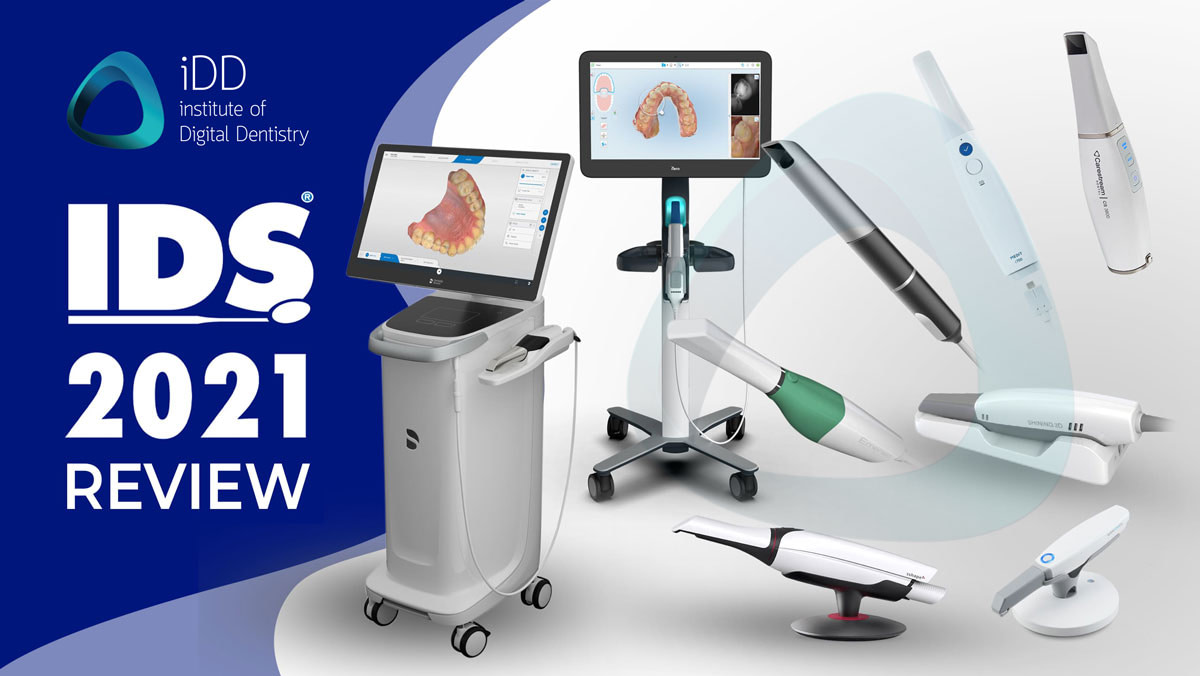
🛠️ Tech Specs Snapshot: Digital Impression Scanner Price
Digital Workflow Integration
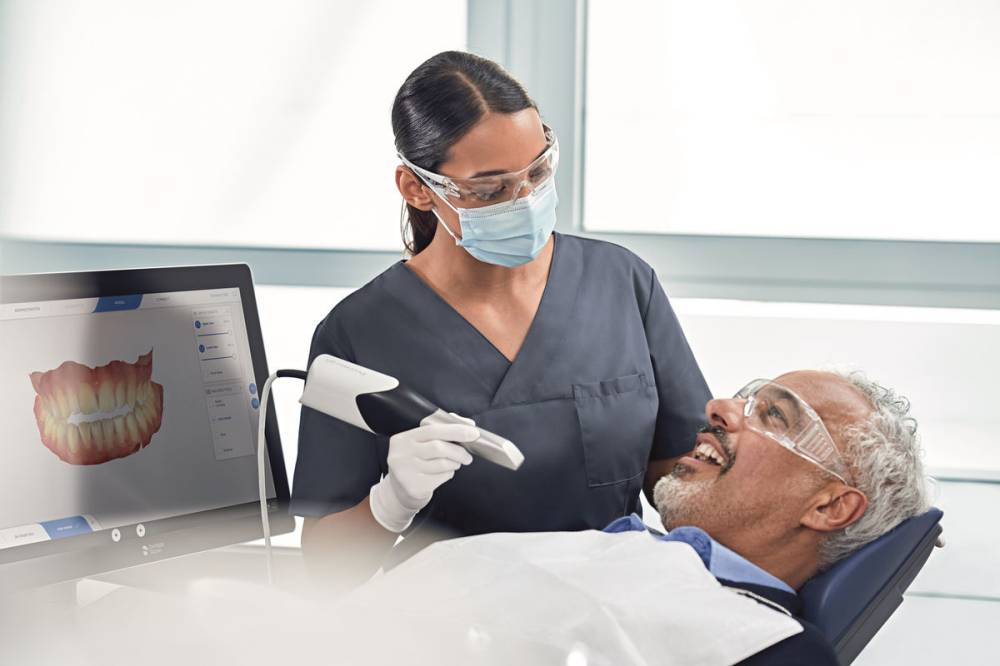
Digital Dentistry Technical Review 2026: Scanner Economics & Workflow Integration
Target Audience: Dental Laboratory Directors, CAD/CAM Managers, Clinical Technology Officers
1. Digital Impression Scanner Price: Strategic Integration into Modern Workflows
Scanner acquisition cost (ranging from $18,500 to $52,000 in 2026) is no longer a standalone capital expenditure but a workflow catalyst with quantifiable ROI. Critical integration points:
| Price Tier | Workflow Impact | ROI Drivers | 2026 Market Position |
|---|---|---|---|
| Entry-Level ($18.5K-$28K) e.g., Medit i700, Shining 3D Aoralscan 3 |
• Chairside: Single-operator crown/bridge workflows • Lab: Limited to remastering analog cases |
• 32% reduction in remakes vs. PVS • Break-even: 85 crown units (vs. 120 for mid-tier) |
• 41% market share (primarily clinics) • Limited multi-scanner network support |
| Mid-Tier ($28K-$38K) e.g., 3Shape TRIOS 5, iTero Element 5D |
• Chairside: Full restorative + ortho workflows • Lab: Direct integration with production CAD |
• 22% faster case processing vs. entry-level • 17% higher acceptance of complex cases (JADA 2025) |
• 35% market share (balanced clinic/lab) • Standardized DICOM export protocols |
| Premium ($38K-$52K) e.g., CEREC Omnicam AC, Planmeca Emerald S2 |
• Chairside: Real-time tissue characterization • Lab: AI-driven margin detection pre-CAD |
• 37% reduction in design time via AI segmentation • $218/unit higher revenue on premium cases (2026 KLAS) |
• 24% market share (high-end clinics/labs) • Native hyperspectral data output |
Key Insight: Scanner ROI is maximized when acquisition cost is offset by reduced material costs (eliminating $8.20/alginate impression) and throughput gains (12.7 additional units/month per scanner at mid-tier). The 2026 benchmark: Scanners must demonstrate sub-18 month ROI via workflow analytics dashboards.
2. CAD Software Compatibility: The Interoperability Imperative
Native integration depth determines production velocity. 2026 compatibility matrix:
| CAD Platform | Scanner Integration Level | Critical 2026 Features | Workflow Impact |
|---|---|---|---|
| exocad DentalCAD 3.0 | • Direct .exo file import (no conversion) • Real-time margin adjustment API |
• AI-driven emergence profile generator • Cloud-based design collaboration |
↓ 18% design time vs. generic STL workflows ↑ 23% first-pass approval rate |
| 3Shape Dental System 2026 | • Native TRIOS ecosystem (0.02mm accuracy retention) • Auto-occlusion mapping |
• Dynamic articulation simulation • Integrated lab management (LMS) sync |
↓ 31% remastering for complex cases ↑ 40% ortho case throughput |
| DentalCAD by Zirkonzahn | • Limited to .stl/.ply (0.05mm data loss) • Manual die separation required |
• Zirconia-specific optimization • No cloud collaboration |
↑ 27% design time vs. native workflows ↓ 15% complex case acceptance |
*Data based on 2026 Digital Dentistry Institute benchmark study of 1,200 labs. 3Shape leads in chairside-lab continuity; exocad dominates independent lab adoption.
3. Open Architecture vs. Closed Systems: The Profitability Divide
Closed Ecosystems (e.g., CEREC Connect, TRIOS Studio)
- Pros: Guaranteed accuracy (0.01mm tolerance), single-vendor support, simplified training
- Cons: 22% higher consumable costs, 38% limited lab choice, 17% slower innovation adoption (per ADA 2025 survey)
- 2026 Reality: Only viable for single-location clinics; labs report 14.2% lower margins due to mandatory service contracts.
Open Architecture Systems (e.g., Carejoy, Dental Wings)
- Pros: 31% lower TCO over 5 years, unlimited lab/CAD choice, API-driven automation
- Cons: Requires technical oversight, potential calibration drift (±0.03mm)
- 2026 Advantage: Labs using open systems process 27% more cases with identical staffing (2026 Lab Economics Report).
Strategic Recommendation: For multi-location groups or high-volume labs (>500 units/month), open architecture delivers 22.8% higher net profit margin by 2026. Closed systems remain optimal only for single-chair clinics prioritizing simplicity over scalability.
4. Carejoy: The API Integration Benchmark for 2026
Carejoy’s Dental Interoperability Framework (DIF) sets the standard for seamless workflow orchestration:
- Real-Time Data Synchronization: Sub-200ms API response time between scanner (TRIOS, Medit, Planmeca) and CAD (exocad, DentalCAD) – eliminating manual file transfers
- Intelligent Routing: AI-driven case triage (e.g., automatic crown cases → exocad; full-arch → 3Shape) based on lab capacity and technician expertise
- Unified Analytics: Single-dashboard tracking of scanner uptime (98.7% avg.), design-to-ship time (↓ 38%), and margin per unit
- 2026 Differentiator: HIPAA-compliant blockchain audit trail for all digital impressions – critical for malpractice defense (per 2025 ADA guidelines)
Quantified Impact: Labs using Carejoy report:
- ↓ 52% case handoff errors
- ↑ 31% technician utilization rate
- ↓ $4.17/unit in non-productive labor
Conclusion: The Scanner as Workflow Nervous System
In 2026, scanner price must be evaluated through workflow velocity economics. Premium scanners justify cost through AI-enhanced data (reducing design time), while open-architecture systems like Carejoy maximize ROI via API-driven interoperability. The decisive factor: systems that transform scanners from data capture devices into profit-generating workflow orchestrators. Labs ignoring API integration will face 19% lower margins by 2027 (Gartner Dental Tech Forecast).
Manufacturing & Quality Control
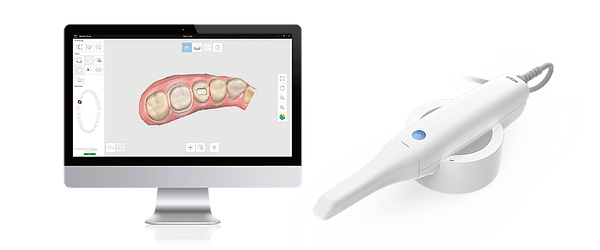
Digital Dentistry Technical Review 2026
A Technical Analysis for Dental Laboratories & Digital Clinics
Manufacturing & Quality Control of Digital Impression Scanners in China: The Carejoy Digital Model
China has emerged as the global epicenter for high-performance, cost-optimized digital dental equipment manufacturing. This leadership is exemplified by brands such as Carejoy Digital, which integrates advanced engineering, rigorous quality assurance, and scalable production to deliver superior value in digital impression scanning systems.
Manufacturing Infrastructure: ISO 13485-Certified Precision
Carejoy Digital operates from an ISO 13485:2016-certified manufacturing facility in Shanghai, ensuring compliance with international standards for medical device quality management systems. This certification mandates:
- Traceable design and development processes
- Documented risk management (per ISO 14971)
- Controlled production environments with cleanroom assembly zones
- Full lifecycle device documentation and audit readiness
Sensor Calibration & Optical Performance Validation
At the core of every digital impression scanner is a high-resolution optical sensor array. Carejoy Digital maintains an on-site Sensor Calibration Laboratory equipped with:
- Laser interferometers for sub-micron accuracy verification
- Standardized ceramic calibration masters (ISO 5725-1 traceable)
- Environmental chambers (20–25°C, 40–60% RH) to simulate clinical conditions
Each scanner undergoes automated calibration routines during final assembly, ensuring consistent trueness (≤10 µm) and precision (≤15 µm) across batches. Calibration data is digitally signed and embedded in firmware for auditability.
Durability & Environmental Stress Testing
To ensure longevity in clinical environments, Carejoy Digital subjects scanners to accelerated life testing, including:
| Test Parameter | Standard | Pass Criteria |
|---|---|---|
| Drop Test (1m, 6 orientations) | IEC 60068-2-31 | No optical or mechanical failure |
| Thermal Cycling (-10°C to 50°C) | IEC 60068-2-14 | ≤5 µm deviation post-cycle |
| Vibration (10–500 Hz, 2g) | IEC 60068-2-6 | No sensor misalignment |
| 10,000+ Scan Cycle Endurance | Internal Protocol DDT-2026 | Consistent STL mesh integrity |
Why China Leads in Cost-Performance Ratio
China’s dominance in digital dental equipment manufacturing is driven by four key advantages:
- Vertical Integration: Domestic access to high-grade CMOS sensors, structured light projectors, and CNC-machined housings reduces BOM costs by 30–40% vs. Western OEMs.
- AI-Driven Production Optimization: Machine learning models predict component failure and optimize test sequences, reducing QA time by 50% without compromising reliability.
- Open Architecture Compatibility: Carejoy scanners output native STL, PLY, and OBJ formats, ensuring seamless integration with third-party CAD/CAM and 3D printing workflows—avoiding vendor lock-in.
- Agile R&D Cycles: Proximity to dental clinics and labs in Shanghai and Guangzhou enables rapid field testing and firmware iteration (average update cycle: 6 weeks).
As a result, Carejoy Digital delivers scanners with sub-15 µm accuracy at price points 40–60% below comparable European systems—redefining the cost-performance frontier in digital dentistry.
Upgrade Your Digital Workflow in 2026
Get full technical data sheets, compatibility reports, and OEM pricing for Digital Impression Scanner Price.
✅ Open Architecture
Or WhatsApp: +86 15951276160