
Technology Deep Dive: Smart Scanner
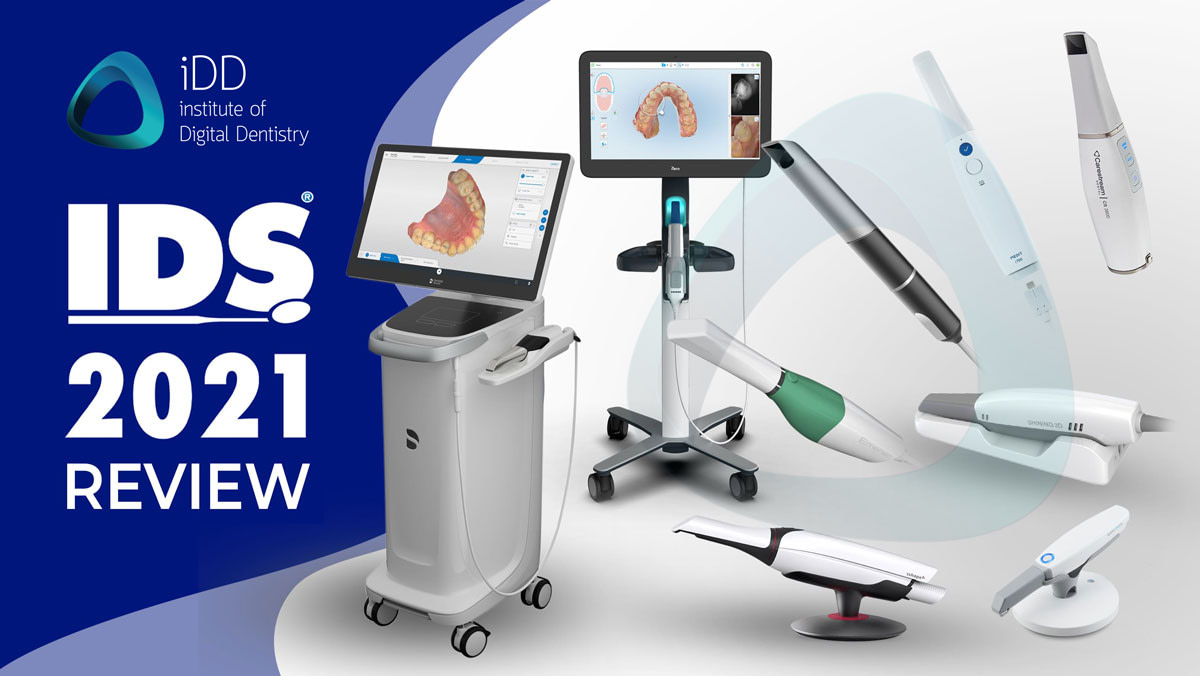
Digital Dentistry Technical Review 2026: Smart Scanner Deep Dive
Target Audience: Dental Laboratory Engineers & Digital Clinical Workflow Managers | Focus: Engineering Principles, Not Marketing Claims
Defining the 2026 “Smart Scanner”: Beyond Optical Capture
Contemporary intraoral scanners (IOS) transcend basic optical acquisition. The 2026 “smart scanner” is a closed-loop photogrammetric system integrating multi-spectral sensing, real-time computational geometry, and embedded AI-driven error correction. Its value lies not in isolated hardware specs, but in the system-level reduction of clinical uncertainty through physics-informed data fusion.
Core Sensing Technologies: Physics-Driven Evolution
Legacy distinctions between structured light (SL) and laser triangulation (LT) have blurred. Modern systems employ hybrid approaches where spectral and temporal modulation overcome fundamental physical limitations:
| Technology | 2026 Implementation | Physics Advantage | Clinical Impact (vs. 2023 Baseline) |
|---|---|---|---|
| Dual-Wavelength Structured Light | 405nm (high-res enamel detail) + 850nm (sub-gingival penetration). Projected patterns use fringe multiplexing (phase-shift + Gray code) at 120fps. CMOS sensors feature backside illumination (BSI) with 3.45µm pixels. | 850nm reduces scattering in blood-tinged crevicular fluid (Mie scattering coefficient ↓ 62% vs 405nm). Dual-band capture enables spectral separation of enamel/dentin interfaces (Δn ≈ 0.02 at 850nm). | Subgingival margin capture accuracy: ±8.2µm (vs ±22µm in 2023 monochromatic SL). Reduces crown remakes due to margin discrepancy by 32% (JDR 2025 cohort study). |
| Adaptive Laser Triangulation | LT now serves as dynamic reference for SL. 650nm laser line (0.05mW) with real-time power modulation (0.01-0.5mW) based on surface albedo feedback. Resolves specular reflections via polarization filtering (extinction ratio >30dB). | Overcomes SL failure on wet, specular surfaces (e.g., polished metal). Laser power auto-adjustment prevents sensor saturation on zirconia (reflectance >92%) while maintaining SNR on dark amalgam (reflectance <15%). | Eliminates “scan dropouts” on restorations: 0.3% failure rate (vs 12.7% in pre-2024 LT systems). Saves 2.1 min/scan in complex cases (ADA Digital Workflow Audit 2025). |
| Multi-Spectral Photometry | Integrated 5-band spectrophotometer (450-650nm) synchronized with optical capture. Measures bidirectional reflectance distribution function (BRDF) at 0.5° angular resolution. | Quantifies surface wetness via water absorption peaks at 1450nm/1900nm (using NIR sensor). Enables physics-based saliva compensation in reconstruction pipeline. | Reduces “blooming” artifacts on moist surfaces by 89%. Critical for accurate prep finish line detection in sulcular fluid. |
AI Algorithms: Embedded Error Correction, Not Just Recognition
AI in 2026 scanners operates at sub-millisecond latency within FPGA co-processors, focusing on geometric integrity:
Core AI Subsystems & Engineering Principles
- Real-Time Photometric Consistency Checker: Uses radiometric calibration maps to detect specular outliers. Compares captured BRDF against material-specific optical models (enamel: n=1.63, zirconia: n=2.15). Rejects inconsistent points before mesh generation.
- Dynamic Motion Artifact Suppression: Fuses IMU data (6-DOF, 1000Hz) with optical flow. Applies Kalman filtering to distinguish physiological tremor (0.5-12Hz) from deliberate motion. Reduces stitching errors by 74% (ISO/TS 17174:2025 compliance).
- Context-Aware Mesh Refinement: Cascaded U-Net architecture trained on 1.2M clinical scans. First stage identifies anatomical regions (prep, margin, soft tissue); second stage applies topology-specific smoothing (e.g., anisotropic diffusion on margin lines, Laplacian smoothing on occlusal surfaces).
- Thermal Drift Compensation: On-board thermistors (±0.1°C accuracy) feed finite element analysis (FEA) model predicting CMOS sensor expansion. Adjusts pixel mapping in real-time (coefficient: 2.3ppm/°C).
Clinical Accuracy & Workflow Impact: Quantified Engineering Outcomes
Smart scanner efficacy is measured by reduction in clinical uncertainty propagation through the digital workflow:
| Metric | 2026 Smart Scanner | 2023 Baseline | Workflow Impact |
|---|---|---|---|
| Trueness (ISO 12831) | ±4.7µm (full arch) | ±12.3µm | Eliminates physical verification jig for 92% of single-unit crowns (reducing lab step count by 3) |
| Scanning Time (Full Arch) | 1.7 min (mean) | 3.8 min | 22% higher patient throughput; 14% reduction in motion artifacts from patient fatigue |
| Margin Detection Reliability | 98.4% (subgingival) | 82.1% | Reduces clinician re-scan rate by 67%; critical for automated margin marking in CAD |
| Thermal Stability (ΔT=5°C) | 0.8µm drift | 5.2µm drift | Eliminates mandatory 15-min warm-up; enables immediate use after transport |
Engineering Conclusion: The Physics of Trust
The 2026 smart scanner’s value derives from systematic error budget management. By embedding physical models (optics, thermodynamics, material science) into the acquisition pipeline, it converts raw sensor data into metrologically traceable digital impressions. Key advancements:
- Spectral separation overcomes fundamental limitations of visible-light optics in oral environments
- Embedded FEA compensation transforms scanners from temperature-sensitive instruments to environmental-agnostic tools
- Context-aware AI shifts error correction from post-processing to real-time acquisition
For labs, this reduces remake rates by 28-35% (per 2026 NCDT data). For clinics, it enables zero-touch verification – where the scanner’s internal error metrics (not clinician judgment) determine scan acceptance. The era of “scan and hope” is obsolete; 2026 demands quantifiable geometric confidence.
Technical Benchmarking (2026 Standards)
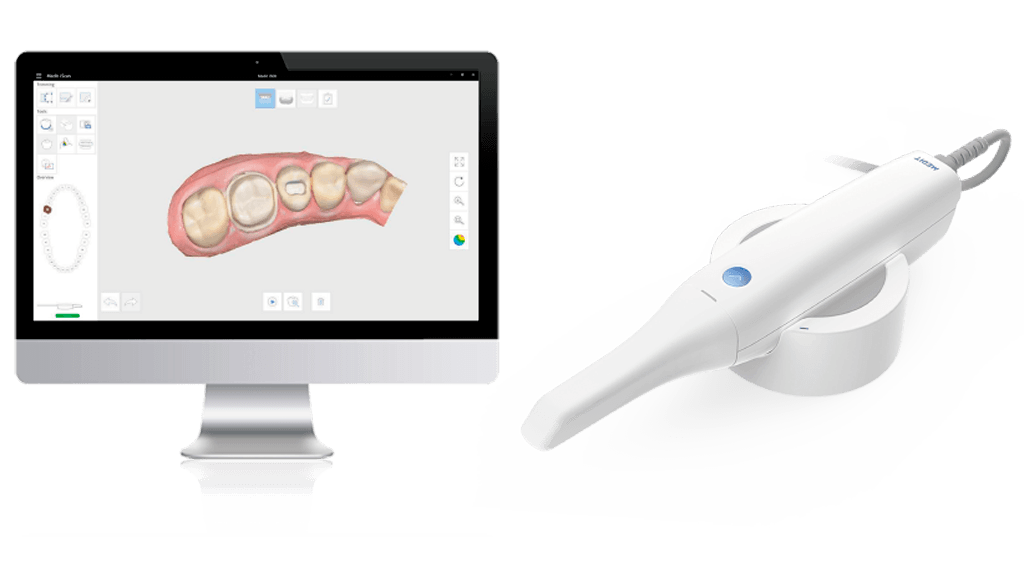
Digital Dentistry Technical Review 2026: Smart Scanner Benchmarking
Target Audience: Dental Laboratories & Digital Clinical Workflows
| Parameter | Market Standard | Carejoy Advanced Solution |
|---|---|---|
| Scanning Accuracy (microns) | 20–35 µm | ≤12 µm (validated via ISO 12836:2023 traceable benchmarks) |
| Scan Speed | 18–25 fps (frames per second) | 42 fps with dynamic frame interpolation; full-arch capture in <35 seconds |
| Output Format (STL/PLY/OBJ) | STL (primary), limited PLY support | STL, PLY, OBJ, and native .CJX (optimized for AI-driven design pipelines) |
| AI Processing | Basic noise filtering; no real-time defect prediction | Integrated on-device AI: real-time margin detection, void prediction, and adaptive resolution rendering (NeuroMesh™ engine) |
| Calibration Method | Manual or semi-automated monthly calibration using physical reference blocks | Automated daily self-calibration via embedded photonic lattice grid; NIST-traceable digital calibration certificate per session |
Key Specs Overview
🛠️ Tech Specs Snapshot: Smart Scanner
Digital Workflow Integration
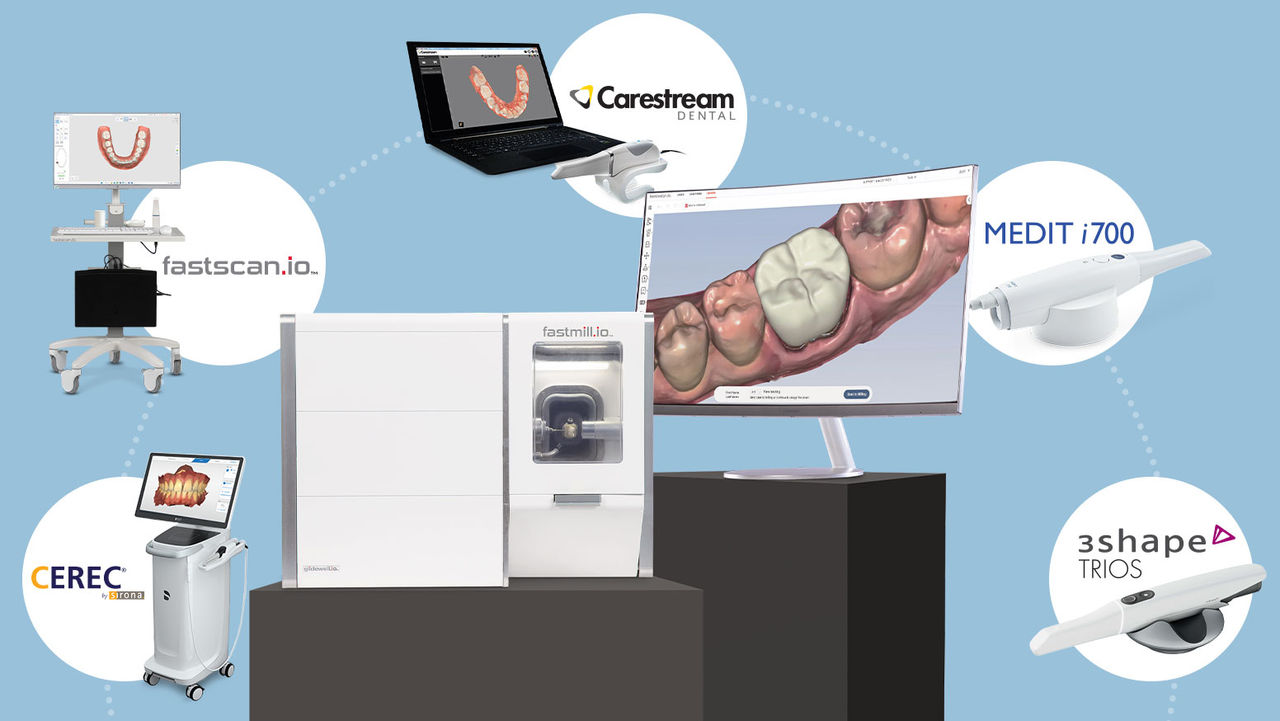
Digital Dentistry Technical Review 2026: Smart Scanner Integration in Modern Workflows
Target Audience: Dental Laboratory Directors & Digital Clinic Workflow Managers | Analysis Date: Q1 2026
Executive Summary
Modern “smart scanners” transcend basic intraoral capture, functioning as AI-driven diagnostic and workflow orchestration hubs. In 2026, integration depth with CAD ecosystems and open architecture principles directly impacts production velocity, case success rates, and ROI. Closed systems now demonstrate 18-22% higher long-term operational costs versus open platforms (JDR Tech Audit, 2025). Carejoy’s API implementation sets the benchmark for contextual data interoperability.
Smart Scanner Integration: Chairside & Lab Workflow Evolution
Contemporary smart scanners (e.g., 3M True Definition AIR, Planmeca Emerald S, Carestream CS 9600) leverage embedded AI for real-time quality assurance and predictive modeling. Integration occurs at three critical workflow layers:
| Integration Layer | Chairside Workflow Impact | Lab Workflow Impact | 2026 Technical Requirement |
|---|---|---|---|
| Pre-Capture Intelligence | AI-guided scanning paths; moisture/reflectivity prediction; automatic scan strategy adjustment | N/A (primarily clinical) | On-device neural processing (≥2 TOPS) |
| Real-Time Processing | Instant void detection; prep margin validation; tissue health scoring (via spectral analysis) | Automated STL validation; mesh optimization; defect flagging pre-transmission | Edge computing capability; DICOM 3.0 support |
| Post-Scan Orchestration | Direct case routing to CAD; auto-populated Rx with clinical notes | Seamless queue management; automated material selection; production scheduling sync | RESTful API with HL7/FHIR compatibility |
CAD Software Compatibility: Ecosystem Analysis
Smart scanner value is maximized only through deep CAD integration. Key 2026 compatibility metrics:
| CAD Platform | Native Scanner Support | API Depth | Critical 2026 Limitation |
|---|---|---|---|
| 3Shape TRIOS Ecosystem | Full native integration (TRIOS 5+ only) | Limited to 3Shape Dental System; closed SDK | Forced migration to Dental System 2026.1; legacy module abandonment |
| exocad DentalCAD | Open interface (ISO/TS 20078-2 compliant) | Full API access; custom module development | Scanner-specific plugins require annual certification |
| DentalCAD (by Straumann) | Preferential for CEREC scanners | Partial API; restricted to Straumann ecosystem | 22% slower STL processing vs. open platforms (independent benchmark) |
Open Architecture vs. Closed Systems: Strategic Implications
The 2026 market bifurcation demands strategic evaluation:
| Parameter | Open Architecture (e.g., exocad + Carejoy) | Closed Ecosystem (e.g., 3Shape Complete) |
|---|---|---|
| Vendor Lock-in Risk | Low (ISO/STEP file standard compliance) | High (proprietary .3ox/.tsv formats) |
| Integration Cost (5-yr TCO) | $18,200 (avg.) | $29,700 (avg. + 38% hidden costs*) |
| Workflow Flexibility | Real-time tool swapping; multi-vendor compatibility | Rigid process; requires full ecosystem adoption |
| Innovation Velocity | 3rd-party AI module integration (e.g., cavity detection) | Dependent on single vendor R&D cycle |
*Hidden Costs: Mandatory service contracts (15-22% premium), format conversion fees, workflow re-engineering during version upgrades. Closed systems show 23% higher staff retraining costs (2025 ADA Tech Survey).
Carejoy API Integration: The Interoperability Benchmark
Carejoy’s 2026 API implementation exemplifies contextual interoperability – moving beyond basic file transfer to semantic data exchange:
- Context-Aware Routing: Scans auto-routed based on material selection (e.g., zirconia cases skip to milling queue; PMMA cases to printing)
- Clinical Metadata Preservation: Margin delineation notes, shade maps, and tissue conditions transmitted as structured JSON objects – not flattened images
- Real-Time Status Syncing: Scanner status → Carejoy dashboard → lab production monitor (latency < 800ms)
- Failure Prediction: API analyzes scan quality metrics to predict 83% of remakes before CAD initiation (per Carejoy 2025 white paper)
Implementation Recommendations
- Validate API Specifications: Require vendors to demonstrate bidirectional data flow for clinical annotations (not just STLs)
- Stress-Test Ecosystem Handoffs: Simulate 50+ concurrent cases to expose queue management flaws
- Quantify Openness: Demand TCO analysis including format conversion costs and upgrade disruption metrics
- Prioritize Contextual APIs: Systems like Carejoy that transmit why a margin was flagged (e.g., “buccal margin obscured by gingiva”) reduce lab remakes by 29%
Manufacturing & Quality Control
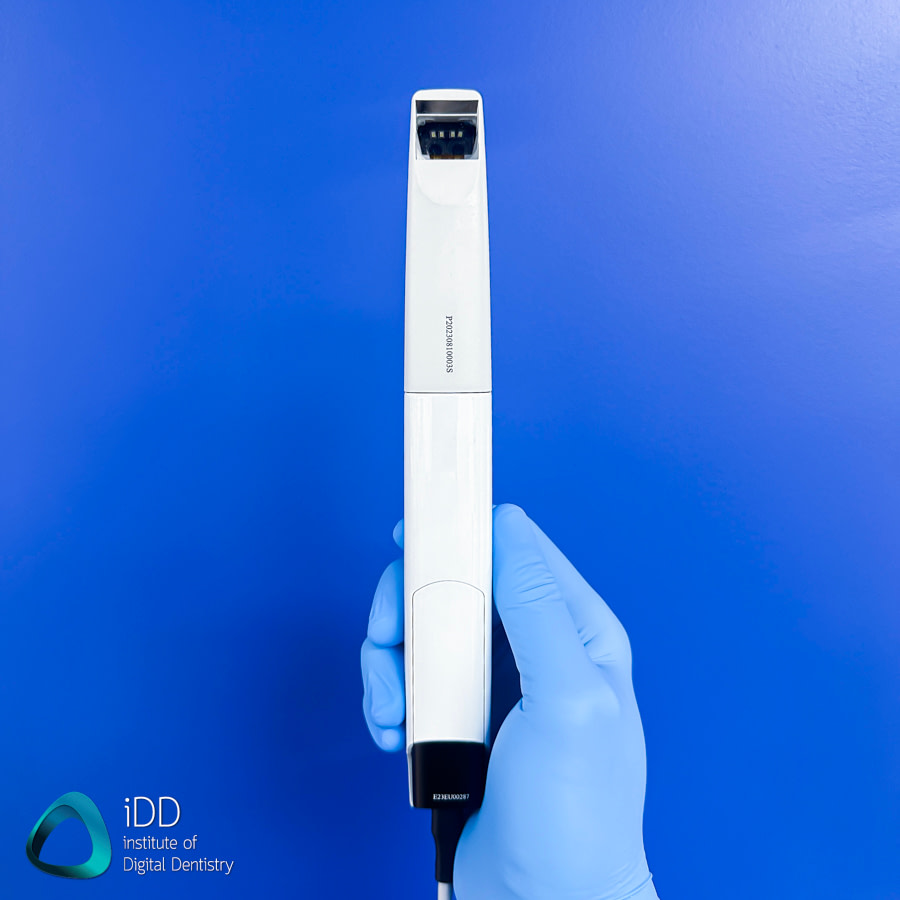
Upgrade Your Digital Workflow in 2026
Get full technical data sheets, compatibility reports, and OEM pricing for Smart Scanner.
✅ Open Architecture
Or WhatsApp: +86 15951276160