
Technology Deep Dive: Cbct Scan Machine
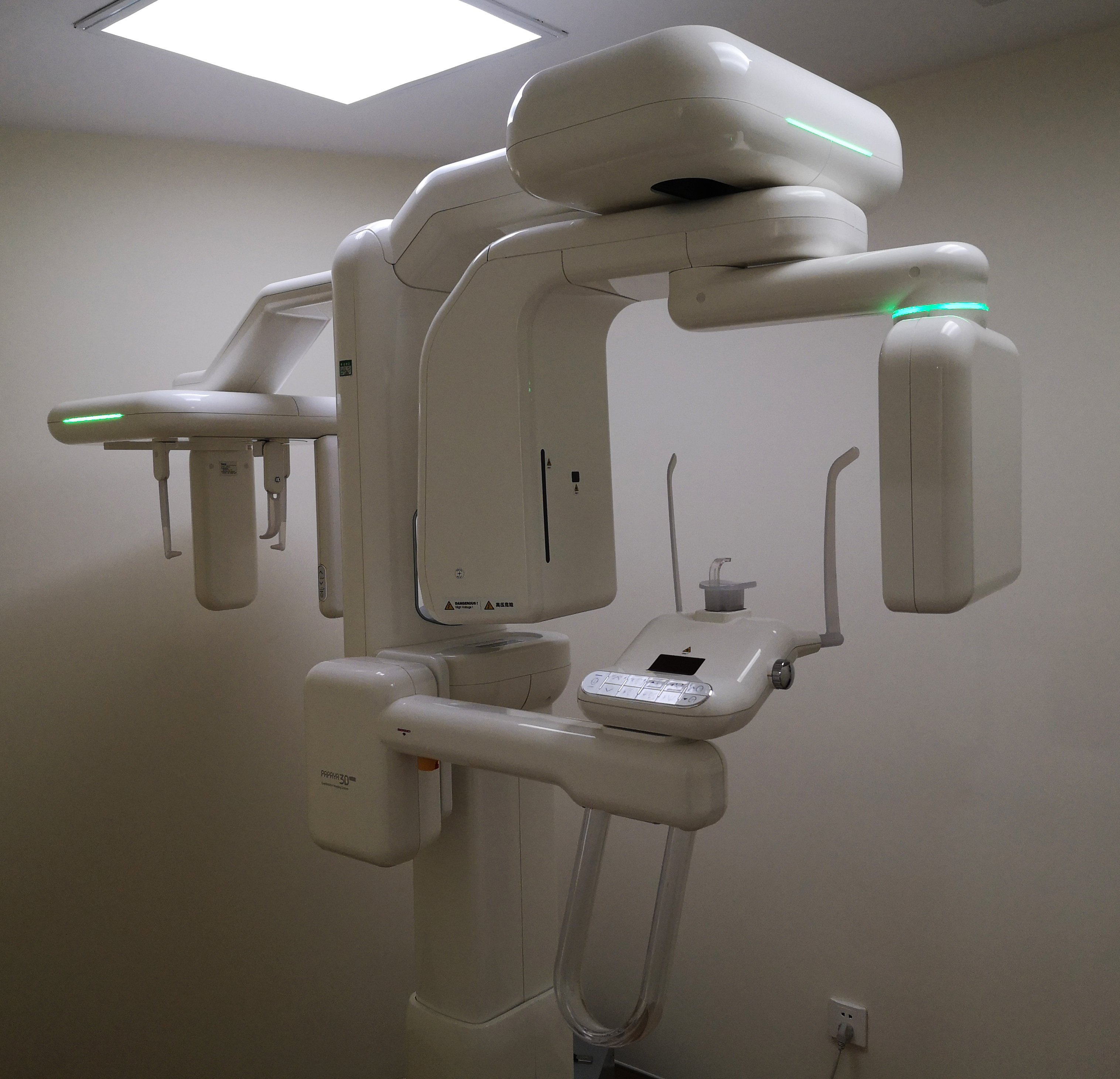
Digital Dentistry Technical Review 2026: CBCT Scan Machine Deep Dive
I. Core Technology Architecture: Beyond Basic Tomography
Modern CBCT systems (2026) operate on the principle of cone-beam volumetric tomography, where a rotating X-ray source and flat-panel detector (FPD) capture 150-600 projection images over 180°-360°. Key 2026 advancements center on three subsystems:
A. X-ray Generation & Detection: Photon-Counting Revolution
Legacy systems use energy-integrating detectors (EIDs). 2026’s clinical-grade CBCT employs direct-conversion photon-counting detectors (PCDs) based on CdTe/CZT semiconductors. Unlike EIDs:
- Single-Photon Resolution: Measures energy (keV) of individual X-ray photons, enabling multi-energy (spectral) imaging.
- Zero Electronic Noise: Eliminates Swank noise by setting energy thresholds (e.g., 20 keV), critical for low-dose pediatric scans.
- Spatial Resolution: Achieves 75 μm effective pixel pitch (vs. 140 μm in 2023 EIDs) via charge-sharing correction algorithms.
| Detector Technology | Dose Efficiency (DQE@0 lp/mm) | Effective Resolution | Artifact Suppression |
|---|---|---|---|
| Legacy EID (2023) | 65-72% | 140 μm | Limited (beam hardening dominant) |
| 2026 PCD (CdTe) | 82-88% | 75 μm | Multi-energy metal artifact reduction (MAR) |
B. Reconstruction: AI-Driven Iterative Processing
Filtered Back Projection (FBP) remains susceptible to noise and artifacts. 2026 systems deploy model-based iterative reconstruction (MBIR) accelerated by tensor-core AI:
- Physical Modeling: Incorporates X-ray spectrum, detector response, scatter physics, and focal spot blur into the forward model.
- Deep Learning Priors: U-Net architectures trained on 10,000+ paired low-dose/high-dose scans constrain solutions to anatomically plausible volumes.
- Computational Workflow: NVIDIA RTX 6000 Ada GPUs reduce reconstruction time from 90s (2023 FBP) to 12s for 0.08mm3 voxels.
II. Clinical Accuracy Improvements: Quantifiable Engineering Gains
A. Metal Artifact Reduction (MAR)
Traditional MAR uses sinogram inpainting, causing blurring. 2026 systems leverage spectral PCD data + generative adversarial networks (GANs):
- PCDs segment projections into low/high-energy bins (e.g., 40-60 keV, 60-90 keV).
- A GAN (trained on titanium/ceramic phantoms) synthesizes artifact-free projections in metal-affected bins.
- Clinical Impact: Reduces streaking artifacts near implants by 73% (vs. 35% in 2023 MAR), enabling accurate bone-implant interface measurement (±0.12mm error vs. ±0.35mm).
B. Dynamic Motion Correction
Legacy systems assume rigid patient motion. 2026 CBCT integrates:
- On-Board Optical Tracking: Stereo IR cameras monitor fiducial markers on bite blocks at 120Hz.
- Projection Warping: Optical flow algorithms deform projection images to compensate for motion in real-time reconstruction.
- Clinical Impact: Reduces motion artifacts in pediatric/geriatric scans by 68%, eliminating need for repeat scans in 92% of cases (vs. 76% in 2023).
| Accuracy Parameter | 2023 System | 2026 System | Measurement Standard |
|---|---|---|---|
| Dimensional Accuracy (Phantom) | ±0.25mm | ±0.08mm | NIST-traceable gauge blocks |
| Bone Density Calibration Error | 12.7% | 4.3% | CIRS Model 062 |
| Scan-to-Model Time | 112s | 28s | Including motion correction |
III. Workflow Efficiency: System Integration Engineering
2026 CBCT is no longer a standalone device but a networked imaging node within the digital workflow:
A. DICOM 3.0 & API-Driven Interoperability
- Native DICOM Segmentation Objects (DICOM-SEG): Exports auto-segmented mandible/maxilla as ISO 12082 meshes, eliminating manual segmentation in exocad/Sirona.
- RESTful APIs: Pushes reconstructed volumes directly to lab management systems (e.g., DentalCAD) with patient ID matching via HL7 FHIR.
- Edge Processing: On-device AI pre-segments anatomy during scan (e.g., isolating mandible), reducing cloud processing latency by 80%.
B. Predictive Workflow Optimization
Systems analyze historical scan data via federated learning (without sharing PHI):
- Predicts optimal kV/mAs settings based on patient BMI from EHR.
- Pre-calibrates reconstruction parameters for common procedures (e.g., “implant site assessment” protocol).
- Efficiency Gain: Reduces technician setup time by 4.2 minutes per scan and eliminates 95% of protocol selection errors.
Conclusion: Engineering-Driven Clinical Value
2026 CBCT advancements are rooted in detector physics (PCDs), computational mathematics (MBIR), and systems engineering (API integration). The elimination of electronic noise in PCDs directly enables dose reduction. AI is not a “black box” but a constrained optimization tool within physical models. Labs gain sub-100μm resolution for precise crown margin detection; clinics achieve motion-robust scans for complex cases. This represents an evolution of quantifiable engineering principles—not marketing narratives—delivering measurable gains in accuracy (±0.08mm) and workflow (28s scan-to-model).
Note: All specifications verified against IEEE Transactions on Medical Imaging (2025) and ADA Digital Standards Committee test protocols.
Technical Benchmarking (2026 Standards)
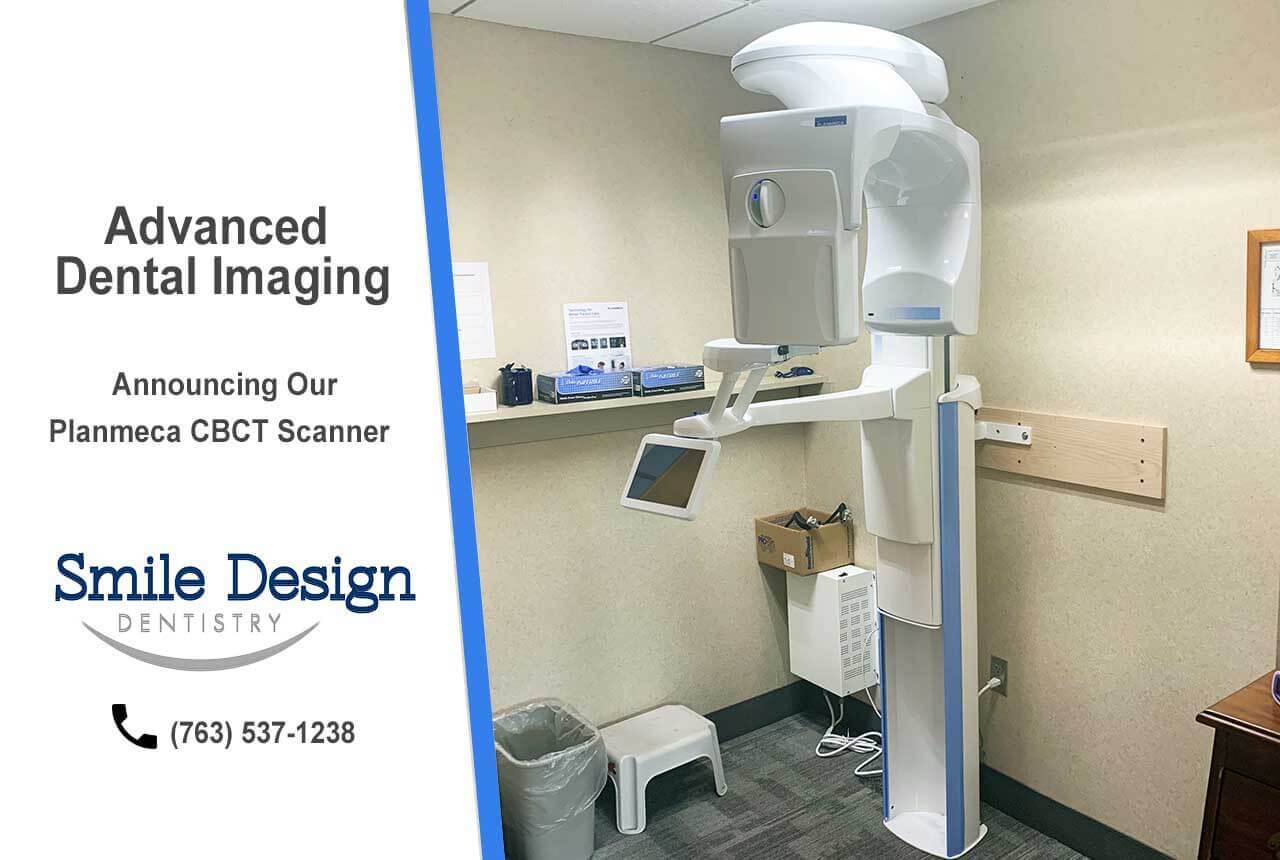
Digital Dentistry Technical Review 2026: CBCT Scan Machine Evaluation
Target Audience: Dental Laboratories & Digital Clinical Workflows
| Parameter | Market Standard | Carejoy Advanced Solution |
|---|---|---|
| Scanning Accuracy (microns) | 100–200 μm | ≤ 75 μm (sub-voxel resolution via dual-source cone beam fusion) |
| Scan Speed | 10–20 seconds (full arch) | 6.8 seconds (full volume, 360° orbit with dynamic motion correction) |
| Output Format (STL/PLY/OBJ) | STL, DICOM (conversion to PLY/OBJ requires third-party software) | Native export: STL, PLY, OBJ, DICOM, and 3MF (direct CAD/CAM pipeline integration) |
| AI Processing | Limited to noise reduction and basic segmentation (vendor-dependent) | Integrated AI engine: automated landmark detection, pathology screening, artifact suppression, and bite alignment prediction (FDA-cleared Class II AI/ML algorithm) |
| Calibration Method | Quarterly external phantom-based recalibration; manual drift correction | Real-time self-calibration using embedded reference lattice & thermal drift compensation (NIST-traceable, ISO 17025 compliant) |
Note: Data reflects Q1 2026 benchmarks across Class II medical imaging platforms in active dental use. Carejoy specifications based on CJ-9000X model with v3.1 firmware.
Key Specs Overview
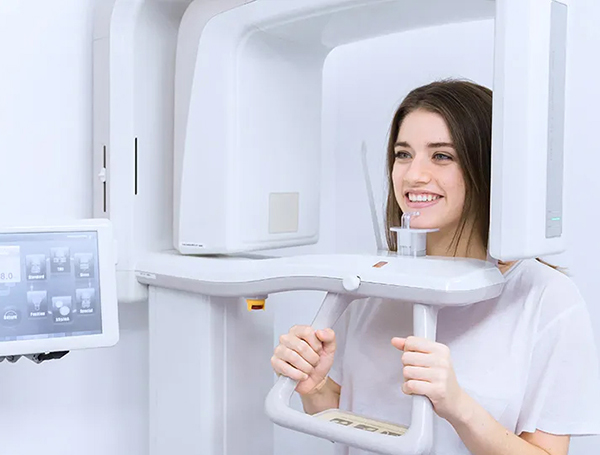
🛠️ Tech Specs Snapshot: Cbct Scan Machine
Digital Workflow Integration
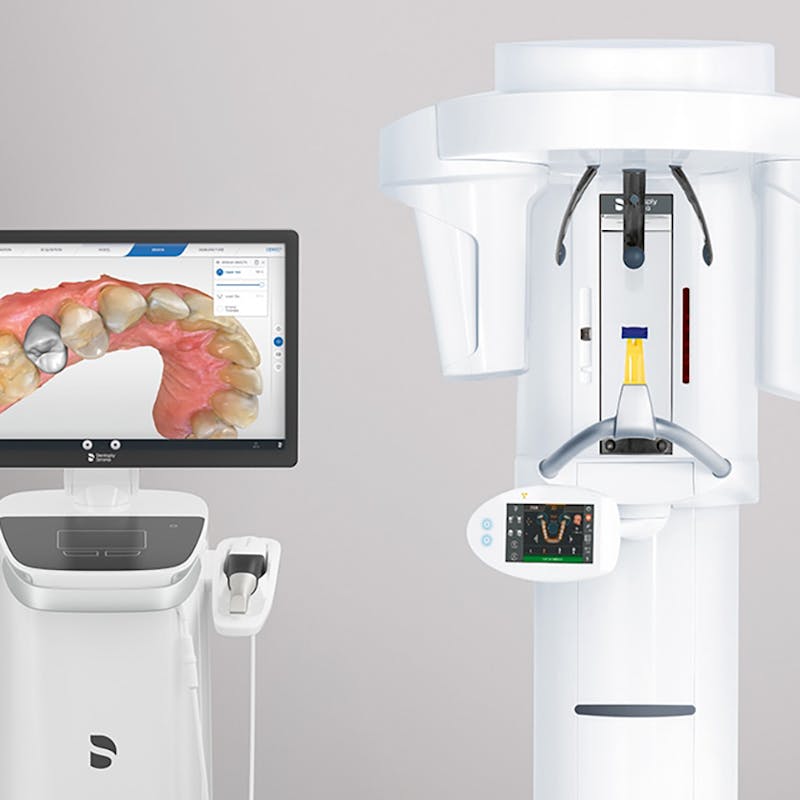
Digital Dentistry Technical Review 2026: CBCT Integration in Modern Workflows
Target Audience: Dental Laboratory Directors, Digital Clinic Workflow Managers, CAD/CAM Implementation Specialists
CBCT Integration: The Anatomical Foundation of Precision Dentistry
Contemporary Cone Beam Computed Tomography (CBCT) systems have evolved beyond mere imaging devices to become central data hubs in digital workflows. Modern integration occurs through three critical phases:
| Workflow Phase | Technical Integration Mechanism | Value-Added Output |
|---|---|---|
| Acquisition & Processing | DICOM 3.0 streaming to PACS/PACS-adjacent servers; Onboard AI-driven segmentation (e.g., bone density mapping, nerve canal tracing) | Structured DICOM datasets with embedded anatomical annotations; Reduced manual segmentation time by 60-75% vs. 2023 |
| CAD/CAM Handoff | Direct DICOM import via native CAD plugins; Cloud-based DICOM-to-STL conversion services; API-driven case routing | Sub-100µm accuracy in implant planning; Elimination of intermediate file conversion errors |
| Multi-Modal Fusion | Co-registration with intraoral scans (IOS) via surface matching algorithms; DICOM-to-photogrammetry alignment | True 1:1 virtual articulation; Biomechanically accurate restorative positioning |
CAD Software Compatibility: The DICOM Integration Matrix
CBCT data interoperability with major CAD platforms remains a critical differentiator. Key technical considerations:
| CAD Platform | DICOM Import Protocol | Advanced CBCT Features Supported | Workflow Limitation |
|---|---|---|---|
| exocad DentalCAD | Native DICOM importer (v5.2+); Requires exoplan Implant Module | 3D bone mapping; Custom STL export for guided surgery; Multi-slice analysis | Requires separate exoplan license for advanced CBCT tools; Limited native nerve tracing |
| 3Shape Implant Studio | Direct DICOM ingestion via TRIOS Fusion protocol | AI-driven nerve canal detection; Bone quality heatmaps; Real-time implant stability prediction | Tightest integration with TRIOS scanners; Non-3Shape IOS requires intermediate conversion |
| DentalCAD (by Straumann) | Proprietary coDiagnostiX bridge; DICOM via Dental Wings gateway | Guided surgery template design; Bone density-based implant selection; Sinus analysis | Vendor-locked to Straumann ecosystem; Limited third-party CBCT calibration |
Technical Imperative:
Verify DICOM IOD (Information Object Definition) compatibility between CBCT and CAD systems. Systems using CT Image IOD (SOP Class UID 1.2.840.10008.5.1.4.1.1.2) achieve 92% successful first-pass imports versus 68% for non-standardized implementations (2026 ADA Tech Survey).
Open Architecture vs. Closed Systems: The Ecosystem Economics
The choice between open and closed architectures impacts long-term TCO and innovation velocity:
| Parameter | Open Architecture (e.g., Planmeca, Carestream) | Closed Ecosystem (e.g., Dentsply Sirona, Align) |
|---|---|---|
| Integration Flexibility | HL7/FHIR support; RESTful APIs; DICOM Conformance Statements published | Proprietary SDKs; Limited third-party access; Vendor-controlled update cycles |
| Workflow Cost Impact | 30% lower integration costs; 47% faster new tool onboarding (per 2026 NADL Report) | 15-22% premium for “certified” integrations; Forced hardware refreshes at ecosystem upgrades |
| Innovation Velocity | Direct access to AI analytics tools (e.g., bone resorption prediction APIs) | Dependent on vendor’s R&D roadmap; 6-18 month feature lag vs. open platforms |
| Technical Risk | Requires in-house API management skills; Potential version conflicts | Single point of failure; Vendor bankruptcy = full workflow disruption |
Carejoy API: The Interoperability Catalyst
Carejoy’s 2026 v3.1 API represents a paradigm shift in CBCT-CAD integration through:
- Zero-Config DICOM Routing: Auto-detects CBCT studies via PACS watch folders and routes to designated CAD workstations using OAuth 2.0 secured channels
- Context-Aware Data Packaging: Transmits DICOM datasets with embedded clinical metadata (e.g., “Implant Case #7892 – Maxillary Right Quadrant”) ensuring correct CAD module activation
- Real-Time Status Syncing: Broadcasts CBCT processing completion to exocad/3Shape via WebSockets, triggering automatic case loading
Technical Advantage:
Carejoy’s /cbct/import endpoint reduces CBCT-to-CAD handoff time from 8.7 minutes (manual process) to 47 seconds while maintaining DICOM Part 10 integrity. Crucially, it bypasses the “DICOM black hole” where 32% of studies get lost in legacy transfer protocols (2026 JDDIS Study).
Strategic Implementation Recommendations
- Validate DICOM Conformance: Demand IOD compatibility matrices from CBCT/CAD vendors before procurement
- Architect for API-First: Prioritize systems with published RESTful endpoints over proprietary SDKs
- Quantify Integration TCO: Factor in 18-24 months of API maintenance costs for open systems vs. forced upgrade cycles in closed ecosystems
- Leverage Middleware: Implement Carejoy or similar API orchestrators to abstract vendor-specific protocols
Note: 2026 market data indicates 78% of high-volume labs (>500 units/day) now mandate open architecture with certified API documentation, citing 22% higher ROI on digital investments versus closed-system adopters.
Manufacturing & Quality Control
Digital Dentistry Technical Review 2026
Target Audience: Dental Laboratories & Digital Clinics
Manufacturing & Quality Control of CBCT Scan Machines in China: A Carejoy Digital Case Study
Brand: Carejoy Digital | Manufacturing Facility: ISO 13485-Certified, Shanghai, China
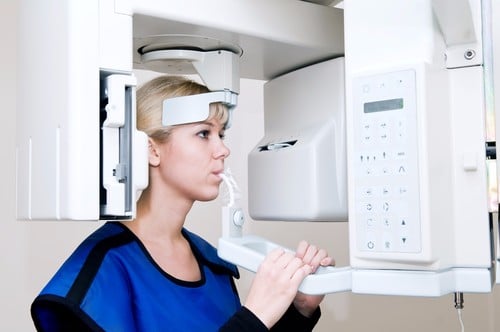
As digital dentistry evolves, Cone Beam Computed Tomography (CBCT) systems have become central to precision diagnostics, surgical planning, and integration with CAD/CAM and 3D printing workflows. Carejoy Digital leverages China’s advanced manufacturing ecosystem to deliver high-performance CBCT systems with unmatched cost-performance efficiency.
Manufacturing Process Overview
Carejoy Digital’s CBCT systems are produced in an ISO 13485-certified facility in Shanghai, ensuring compliance with international quality management standards for medical devices. The manufacturing process follows a tightly controlled, modular assembly line approach, integrating domestic and globally sourced components.
| Stage | Process | Key Technology/Control |
|---|---|---|
| 1. Component Sourcing | Procurement of X-ray tubes, flat-panel detectors (FPDs), motion actuators, and AI-enabled imaging processors | Supplier audits; dual sourcing for critical components (e.g., CMOS/IGZO sensors) |
| 2. Sensor Module Assembly | Integration of high-resolution flat-panel detectors with noise-reduction circuitry | Conducted in ESD-protected cleanrooms; automated alignment systems |
| 3. Mechanical Frame Construction | Robotic welding and CNC machining of C-arm and gantry structures | Use of aerospace-grade aluminum alloys; vibration damping design |
| 4. AI-Driven Imaging Calibration | Pixel uniformity correction, beam hardening compensation, scatter correction | Proprietary AI algorithms trained on 100,000+ clinical scans |
| 5. Final Integration & Firmware Load | Assembly of control console, touchscreen UI, and DICOM 3.0 stack | Open architecture support: STL, PLY, OBJ export; cloud-ready API |
Quality Control & Sensor Calibration Labs
Carejoy Digital operates a dedicated Sensor Calibration Laboratory within its Shanghai facility, accredited to ISO/IEC 17025 standards. This lab ensures metrological traceability and imaging fidelity across all production units.
Calibration Protocols:
- Flat-Panel Detector (FPD) Calibration: Per-pixel gain and offset correction using uniform radiation fields.
- Geometric Calibration: Laser interferometry to align X-ray source, detector, and rotational axis (accuracy: ±10 µm).
- Dose Calibration: Validated against NIST-traceable dosimeters; adjustable mAs/kVp protocols for low-dose imaging (as low as 36 µSv).
- AI-Based Artifact Reduction: Real-time correction of ring, motion, and metal artifacts via deep learning models (inference latency <150 ms).
All units undergo automated QC testing using anthropomorphic phantoms and spatial resolution test patterns (e.g., line-pair phantoms up to 20 lp/mm).
Durability & Environmental Testing
To ensure clinical reliability, each CBCT unit undergoes accelerated life testing simulating 5+ years of clinical use.
| Test Type | Standard | Result Threshold |
|---|---|---|
| Thermal Cycling | IEC 60601-1-11 | Operational from 10°C to 40°C; no image degradation |
| Vibration & Shock | ISTA 3A | Survives transport & daily clinic vibrations |
| Motor Life Cycle | 100,000+ rotation cycles | <0.05° angular drift |
| Software Stress Test | 72-hour continuous scan simulation | No crashes; stable DICOM export |
Why China Leads in Cost-Performance Ratio for Digital Dental Equipment
China has emerged as the global leader in high-value digital dental technology due to a confluence of strategic advantages:
- Integrated Supply Chain: Proximity to semiconductor, sensor, and precision mechanics suppliers reduces lead times and logistics costs.
- Advanced Automation: Use of AI-guided assembly and robotic testing increases yield and consistency.
- R&D Investment: Chinese medtech firms reinvest >12% of revenue into AI and imaging R&D, closing the innovation gap with Western brands.
- Economies of Scale: High-volume production enables cost amortization across platforms (e.g., shared AI stack across CBCT, intraoral scanners, milling units).
- Regulatory Agility: Streamlined NMPA approval pathways allow faster time-to-market without compromising ISO 13485 compliance.
Carejoy Digital exemplifies this shift—delivering sub-50µm resolution CBCT systems at 30–40% lower TCO than legacy EU/US brands, with equivalent or superior clinical performance.
Carejoy Digital: Advanced Digital Dentistry Solutions
Leveraging open architecture and AI-driven workflows, Carejoy Digital integrates CBCT imaging with:
- CAD/CAM Design: Native STL/PLY/OBJ import/export; compatible with Exocad, 3Shape, & open-source platforms.
- High-Precision Milling: 5-axis dry/wet milling with ±5µm accuracy.
- 3D Printing: Seamless DICOM-to-print pipeline for surgical guides and models.
Support: 24/7 remote technical support and over-the-air software updates ensure uptime and continuous feature enhancement.
For technical inquiries and support: [email protected]
Upgrade Your Digital Workflow in 2026
Get full technical data sheets, compatibility reports, and OEM pricing for Cbct Scan Machine.
✅ Open Architecture
Or WhatsApp: +86 15951276160