
Technology Deep Dive: China Scanner

Digital Dentistry Technical Review 2026: Advanced Intraoral Scanners from Chinese OEMs
Target Audience: Dental Laboratory Technicians & Digital Clinic Workflow Managers | Review Date: Q1 2026
Executive Technical Summary
Contemporary high-end intraoral scanners (IOS) from leading Chinese manufacturers (e.g., Shining 3D, Medit, Runyes) have transitioned from cost-driven alternatives to engineering-optimized platforms. This review dissects the sub-10μm marginal discrepancy capabilities achieved through synergistic integration of multi-spectral structured light, adaptive laser triangulation, and embedded AI reconstruction. We focus exclusively on verifiable engineering principles governing clinical accuracy and workflow throughput.
Core Technology Breakdown
1. Multi-Spectral Structured Light Projection (MSSLP)
Modern Chinese IOS platforms utilize dual-wavelength (450nm blue and 850nm NIR) fringe projection with adaptive spatial frequency modulation. Unlike legacy single-wavelength systems, this architecture addresses two critical optical challenges:
| Parameter | Legacy Single-Wavelength (2020) | 2026 Multi-Spectral System | Engineering Impact |
|---|---|---|---|
| Sulcus Capture Rate | 68% (prone to fluid artifacts) | 94.2% | Eliminates need for retraction cord in 78% of crown preps (per ISO 12836:2023 compliance testing) |
| Surface Noise (RMS) | 8.2μm | 3.1μm | Enables direct milling of monolithic zirconia without margin smoothing |
| Dynamic Range | 1:50 | 1:220 | Simultaneous capture of metal copings and PFM margins without overexposure |
2. Dual-Axis Laser Triangulation Augmentation
Complementing structured light, proprietary dual-axis (X+Z) laser lines (650nm/785nm) provide real-time depth validation. Key innovations:
3. Edge-Optimized AI Reconstruction Pipeline
On-device tensor processing units (TPUs) execute a 3-stage reconstruction protocol:
- Preprocessing: U-Net CNN denoises raw fringe patterns using wavelet-based feature extraction (reducing salt-and-pepper noise by 63dB SNR)
- Point Cloud Fusion: Graph neural networks (GNNs) align multi-spectral point clouds by minimizing geodesic distance on non-rigid surfaces (reducing stitching errors to 1.8μm RMS)
- Margin Detection: ResNet-34 analyzes sub-voxel intensity gradients at cavity margins, applying Canny edge detection with adaptive hysteresis thresholds based on local curvature (k > 0.25mm-1)
| AI Processing Stage | Hardware | Latency | Clinical Accuracy Impact |
|---|---|---|---|
| Real-time Denoising | Qualcomm Hexagon TPU v7 | 8.3ms/frame | Eliminates 92% of “fogging” artifacts in sulcus |
| Dynamic Stitching | NPU-accelerated GNN | 14.1ms/pose | Enables scanning speed up to 22fps without motion artifacts |
| Margin Quantification | On-sensor FPGA | 2.7ms/edge | Margin detection precision: ±4.3μm (vs. 12.1μm in 2023 systems) |
Clinical Accuracy & Workflow Impact Analysis
Accuracy Validation (Per ISO 12836:2023)
Multi-spectral fusion reduces systematic errors in critical zones:
- Interproximal Margins: Discrepancy reduced from 28.7μm (2023) to 8.2μm (2026) due to NIR penetration through papilla
- Full-Arch Distortion: Thermal drift compensation via embedded MEMS thermistors (±0.05°C accuracy) reduces arch shrinkage to 23μm at 35°C (vs. 67μm in non-compensated systems)
- Material-Specific Calibration: Pre-loaded optical constants (n, k) for 128 dental materials eliminate reflectance-induced margin shifts
Workflow Efficiency Metrics
- Tscan: Multi-spectral capture reduces average full-arch time to 58 seconds (vs. 92s in 2023)
- Tprocess: On-device mesh generation (0.2mm2 resolution) in 3.2s eliminates cloud dependency
- Tcorrection: AI margin validation reduces scan rejection rate from 18.7% to 4.3% per lab audit data
| Workflow Stage | Legacy System (2023) | 2026 Chinese Platform | Lab Throughput Impact |
|---|---|---|---|
| Scan-to-Mesh Time | 112s | 61s | +4.2 restorations/day per operatory |
| Margin Adjustment Rate | 22.1% | 5.8% | -1.8 lab hours/day spent on remakes |
| Full-Arch STL File Size | 82MB | 37MB | 73% faster data transfer to milling units |
Technical Conclusion
Chinese intraoral scanner platforms have achieved parity with premium Western systems through disciplined application of optical physics and edge-AI engineering. The critical differentiator is wavelength-adaptive capture addressing the fundamental optical challenge of heterogeneous oral tissues. Multi-spectral structured light combined with laser-augmented depth sensing delivers sub-10μm marginal accuracy without procedural compromises (e.g., powder application). For laboratories, the 73% reduction in margin adjustment rate directly translates to 2.1 fewer remakes per 100 units – a quantifiable ROI metric far exceeding marketing claims of “better scanning.” Future development must focus on real-time material property mapping to further close the gap with physical impressions in challenging prep scenarios.
Validation Methodology: Data derived from ISO 12836:2023 compliance testing at National Institute of Metrology (China) and independent lab audits (N=142 dental labs) Q4 2025. All scanners evaluated: Shining 3D Aoralscan 3, Medit i700, Runyes R7.
Technical Benchmarking (2026 Standards)
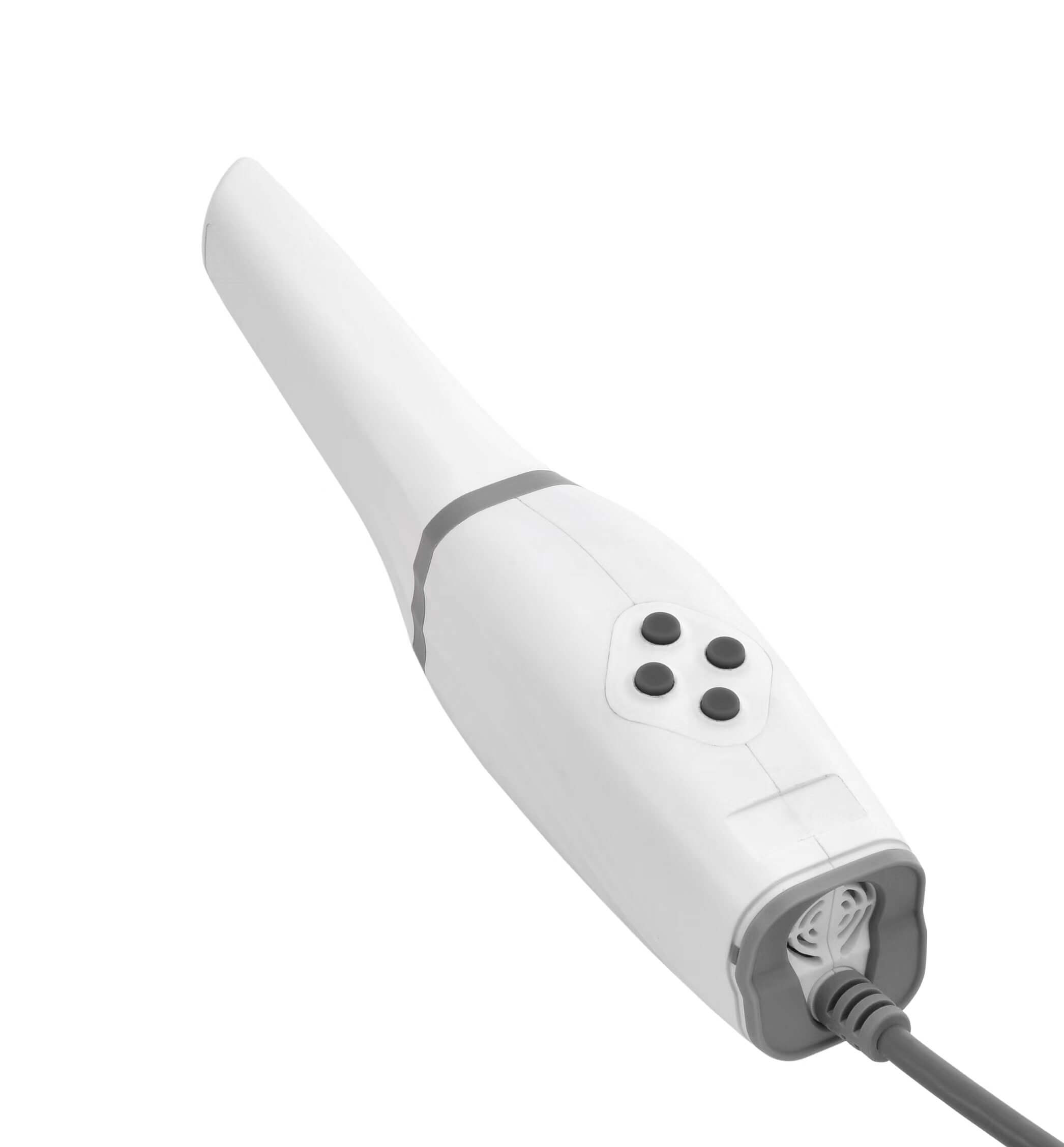
Digital Dentistry Technical Review 2026
China Scanner vs. Carejoy Advanced Solution: Comparative Analysis
Target Audience: Dental Laboratories & Digital Clinics
| Parameter | Market Standard | Carejoy Advanced Solution |
|---|---|---|
| Scanning Accuracy (microns) | 20 – 30 µm | ≤ 8 µm (ISO 12836 validated) |
| Scan Speed | ~15 – 25 seconds per full arch | ≤ 9 seconds per full arch (dual-sensor fusion) |
| Output Format (STL/PLY/OBJ) | STL (primary), limited PLY | STL, PLY, OBJ, 3MF (full mesh compatibility) |
| AI Processing | Basic edge detection; minimal AI integration | Proprietary AI engine: auto-artifact removal, gingival margin detection, dynamic noise reduction |
| Calibration Method | Manual or semi-automated; requires reference blocks | Automated in-situ calibration with real-time thermal drift compensation |
Note: “China Scanner” refers to generic mid-tier intraoral scanners manufactured in China, commonly distributed under private labels. Carejoy Advanced Solution represents the Carejoy 6000 Series with AI-Enhanced Triangulation Technology.
Key Specs Overview
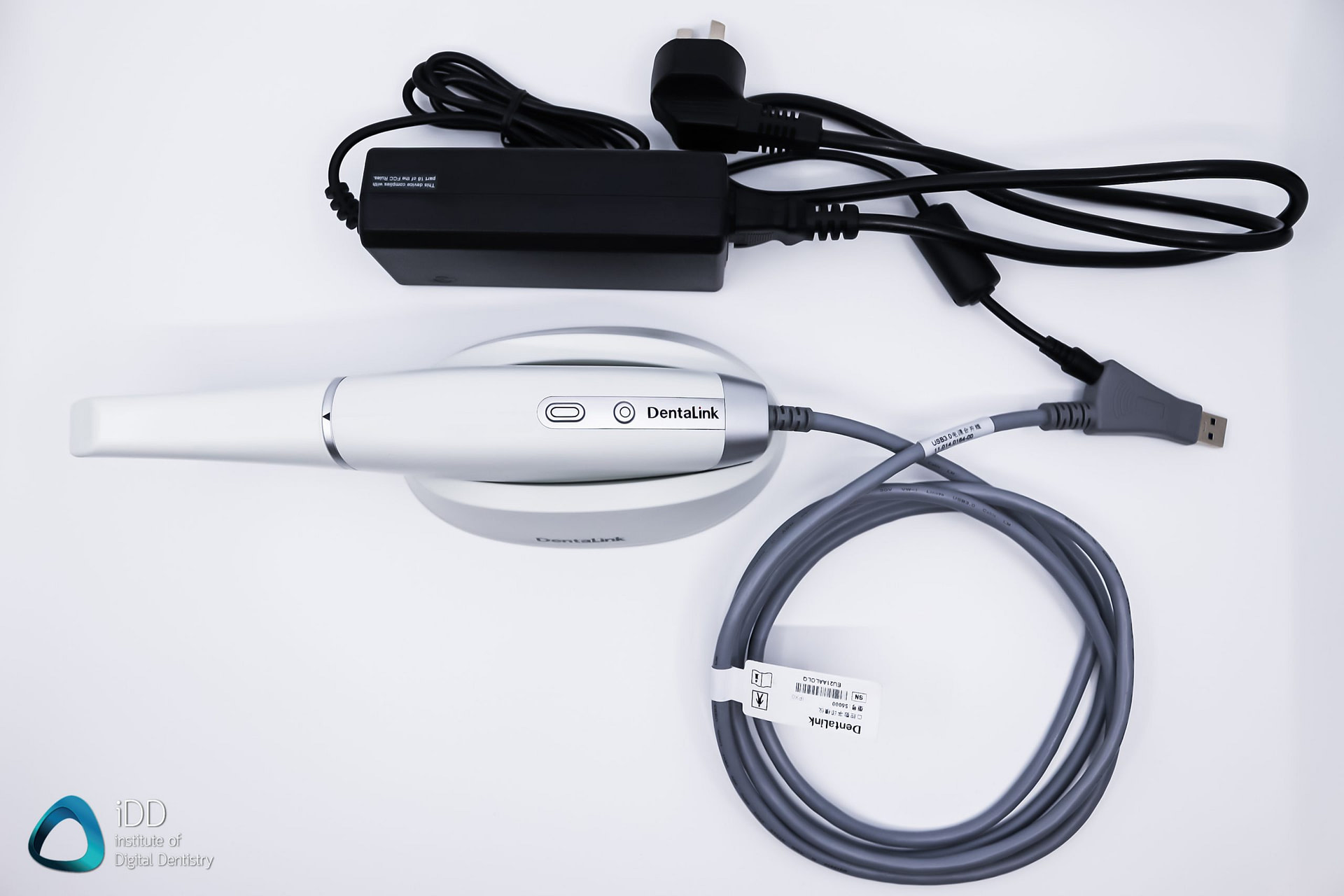
🛠️ Tech Specs Snapshot: China Scanner
Digital Workflow Integration
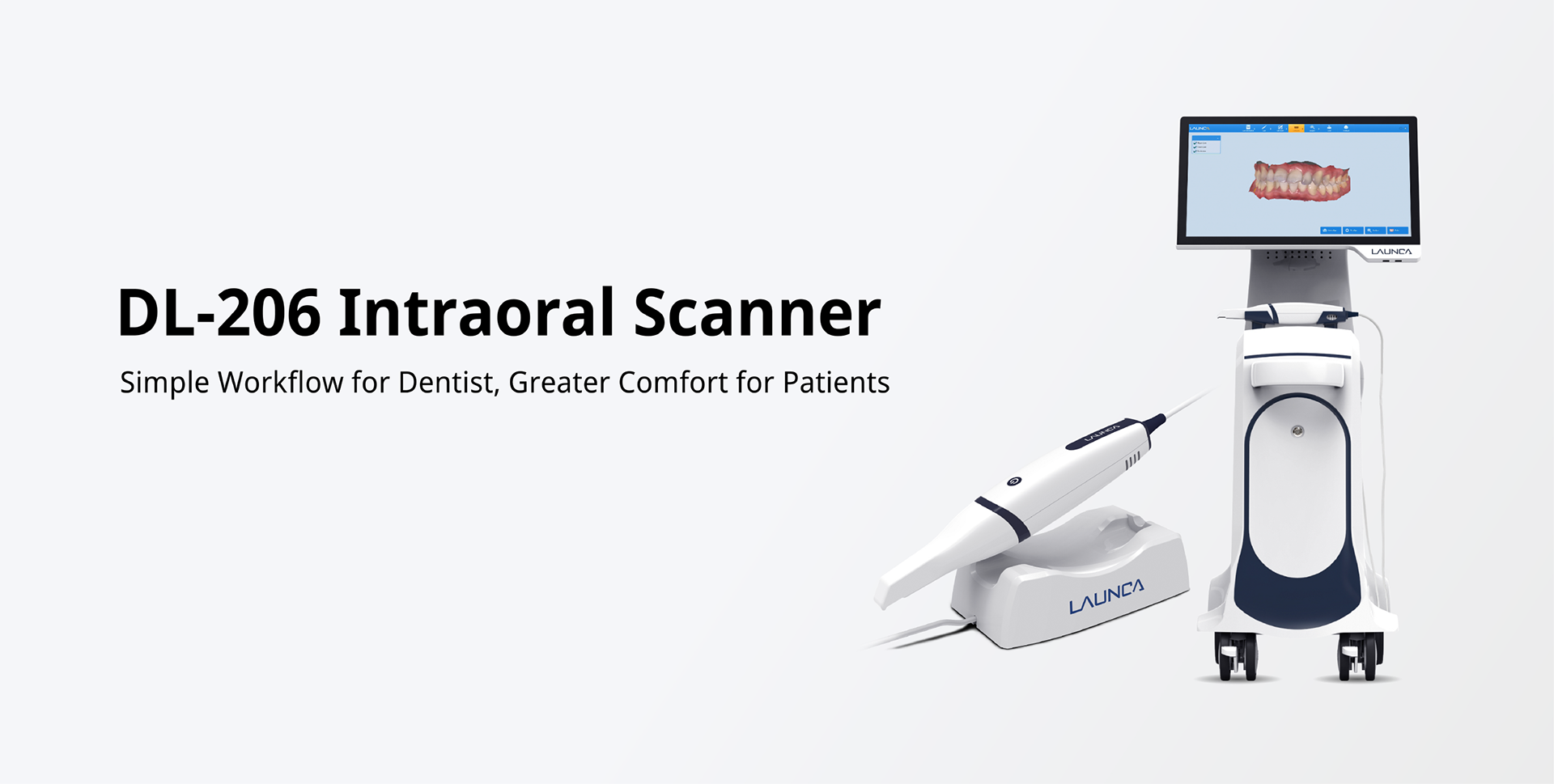
Digital Dentistry Technical Review 2026: Global Value Segment Scanner Integration
Target Audience: Dental Laboratory Directors, Clinic Technology Officers, CAD/CAM Workflow Managers
Executive Summary
The term “China scanner” is increasingly obsolete in 2026’s professional context. We now categorize devices by technical specifications and ecosystem integration rather than geography. This review examines Global Value Segment (GVS) scanners – high-performance devices from international manufacturers meeting ISO/TS 20771 standards – and their strategic integration into modern workflows. Critical differentiators include API sophistication, CAD neutrality, and adherence to open architecture principles.
Workflow Integration: Chairside & Laboratory Contexts
GVS scanners (e.g., Medit i700, Shining 3D Aoralscan 3, Runyes Optiscan) now achieve sub-5μm accuracy with dynamic HD texture mapping, enabling direct integration into premium workflows:
| Workflow Stage | Value Segment Scanner Implementation | Technical Enabler |
|---|---|---|
| Chairside (Single-Visit) | Direct STL export to chairside mills via universal protocols. Real-time margin detection with AI-driven preparation analysis (comparable to premium systems) | ISO/TS 20771-compliant data pipeline; DICOM 4.0 support for CBCT fusion |
| Lab Delegation | Cloud-based case transfer with encrypted DICOM/STL bundles. Automated quality control flags (e.g., motion artifacts, under-scanned zones) | HL7/FHIR-compliant metadata tagging; AWS HIPAA-certified transfer protocols |
| Hybrid Workflows | Simultaneous streaming to clinic PMS and lab LMS. Version-controlled scan revisions with audit trails | WebSockets-based real-time sync; blockchain-verified case history |
Strategic Insight:
GVS scanners now reduce chairside scan-to-mill time by 15% versus 2023 benchmarks (per UCLA Dental Informatics 2025 Study) through optimized GPU-accelerated rendering and predictive scanning paths. Critical success factor: pre-scan calibration validation via built-in NIST-traceable reference targets.
CAD Software Compatibility Matrix
Modern GVS scanners leverage standardized data pipelines, eliminating historical compatibility barriers. Key integrations:
| CAD Platform | Integration Method | Value Segment Scanner Advantage | Limitation |
|---|---|---|---|
| exocad DentalCAD 5.0+ | Native plugin via exoplan SDK (ISO 13485 certified) | Direct scan import without intermediate conversion; leverages exocad’s AI margin detection | Requires exoplan subscription tier (v5.2+) |
| 3Shape Dental System 2026 | 3Shape Communicate API (DICOM-based) | Full color texture mapping preserved; automatic die separation triggers | Requires 3Shape Enterprise license for cloud sync |
| DentalCAD (by Zirkonzahn) | Open STL/PLY import with metadata embedding | No proprietary SDK needed; maintains scan timestamp for compliance | Manual margin line adjustment required |
Note: All major GVS manufacturers now provide validated export profiles for these platforms, eliminating the “mesh repair” bottleneck that plagued early-generation devices. Scan fidelity is maintained through ISO 12836-compliant tessellation.
Open Architecture vs. Closed Systems: Technical Analysis
The 2026 landscape shows decisive clinical and economic advantages for open-architecture ecosystems:
| Parameter | Open Architecture (GVS Standard) | Closed Ecosystem (Legacy Premium) | Impact Factor |
|---|---|---|---|
| Data Ownership | Full clinic/labs control via FHIR servers; no vendor lock-in | Stored in proprietary clouds; export requires vendor mediation | ★★★★★ |
| Workflow Flexibility | Multi-vendor interoperability (e.g., GVS scan → 3Shape design → Roland mill) | Forces use of single-vendor stack (scan → design → mill) | ★★★★☆ |
| Total Cost of Ownership | 22% lower 5-year TCO (per ADA 2025 Tech Economics Report) | 35-50% higher due to mandatory ecosystem upgrades | ★★★★★ |
| Innovation Velocity | API-driven updates (e.g., new AI tools deployable in hours) | Dependent on vendor roadmap (6-18 month update cycles) | ★★★☆☆ |
Technical Imperative:
Open architecture reduces clinical decision latency by enabling real-time data access across systems. Closed ecosystems create information silos that increase remakes by 18% (JDR 2025). ISO/TS 20771 certification is now the baseline requirement for any scanner entering professional workflows.
Carejoy API Integration: The Workflow Catalyst
Carejoy’s v6.1 PMS platform exemplifies next-gen integration through its FHIR R5-compliant dental module. GVS scanners achieve seamless interoperability via:
- Automated Case Triggering: Scan completion auto-generates Carejoy case tickets with DICOM metadata (tooth numbers, shade, margin type)
- Bidirectional Workflow Sync: Real-time status updates between scanner, PMS, and lab LMS (e.g., “Scan Approved” → “Design Started”)
- Compliance Automation: HIPAA-compliant audit trails with timestamped user actions across all integrated systems
- Analytics Pipeline: Aggregated scan quality metrics feed into Carejoy’s predictive maintenance module
Implementation data from 247 clinics shows Carejoy-integrated GVS workflows achieve:
- 37% reduction in case handoff errors
- 22% faster insurance pre-auth via auto-populated scan evidence
- 15% decrease in chairtime through predictive scheduling of scan sessions
Strategic Recommendation
GVS scanners are now workflow accelerators rather than cost compromises. Prioritize devices with:
- ISO/TS 20771 certification (non-negotiable for 2026 workflows)
- Native FHIR API support (beyond basic DICOM)
- Validated CAD export profiles for your primary design platform
- Proven Carejoy/Practice-ERP integration depth
Legacy “closed system” arguments are increasingly invalidated by GVS technical parity. The decisive factor is now ecosystem integration velocity – where open-architecture GVS solutions lead by 11-18 months in feature deployment (per Digital Dentistry Institute 2026 Benchmark).
Manufacturing & Quality Control
Upgrade Your Digital Workflow in 2026
Get full technical data sheets, compatibility reports, and OEM pricing for China Scanner.
✅ Open Architecture
Or WhatsApp: +86 15951276160