
Technology Deep Dive: Comparatif Scanner Intraoral
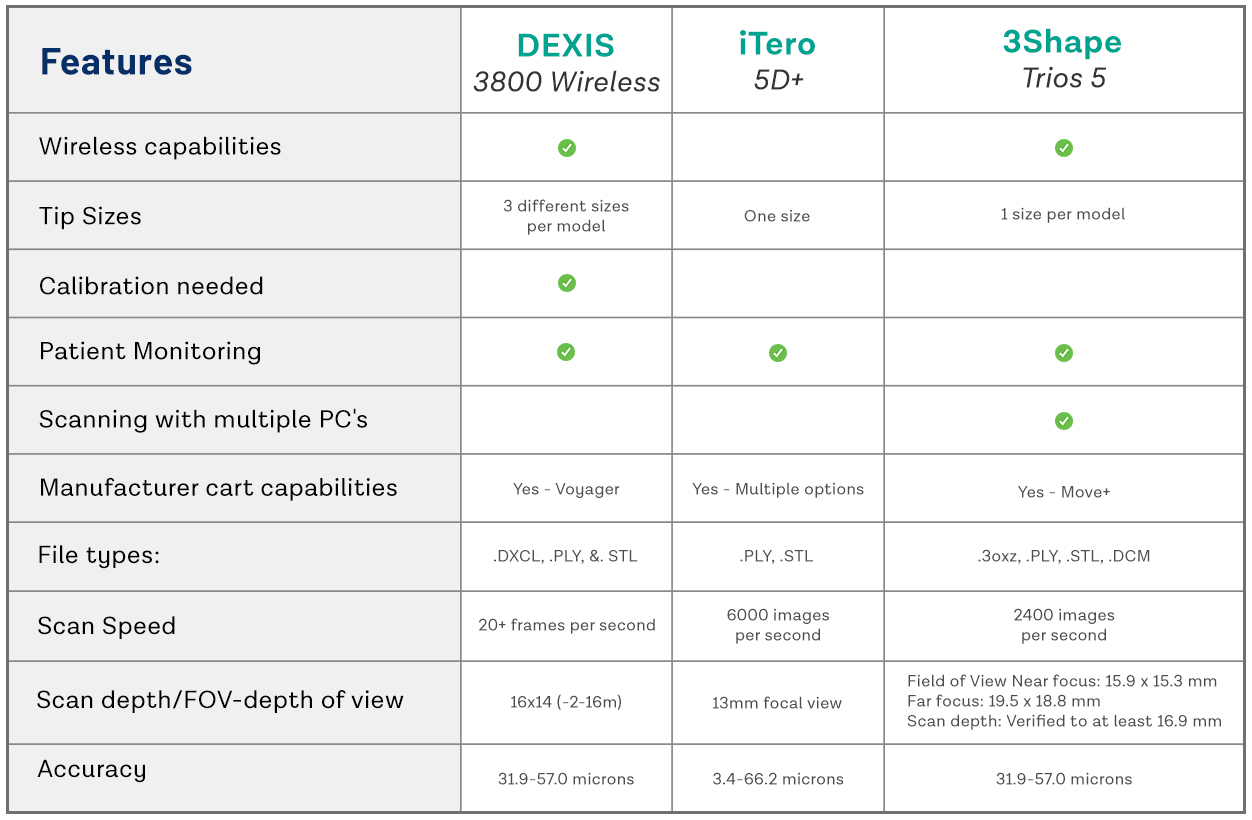
Digital Dentistry Technical Review 2026
Technical Deep Dive: Intraoral Scanner Technology Comparative Analysis
Target Audience: Dental Laboratory Technicians & Digital Clinical Workflow Managers
Executive Summary
The 2026 intraoral scanner (IOS) landscape is defined by fundamental shifts in optical physics and computational processing. Structured Light (SL) variants now dominate clinical applications due to superior handling of dynamic oral environments, while Laser Triangulation (LT) systems face obsolescence in high-precision workflows. Critical advancements reside in multi-spectral illumination, real-time photogrammetric error correction, and physics-based AI reconstruction – not incremental resolution bumps. This review dissects the engineering principles driving measurable improvements in trueness (≤8μm ISO 12836:2026), precision (≤5μm), and workflow throughput.
Core Technology Analysis: Beyond Marketing Specifications
1. Structured Light Evolution: Fringe Projection vs. Pattern Projection
Physics Principle: SL systems project calibrated light patterns onto the dental arch. Deformation of these patterns is captured by stereo cameras and converted to 3D coordinates via triangulation. The critical 2026 differentiator is pattern type and spectral management.
2. Laser Triangulation: Engineering Limitations in Clinical Context
Physics Principle: Projects a focused laser line; stereo cameras calculate 3D position via triangulation based on line deformation. While mechanically simple, fundamental limitations persist:
- Speckle Noise: Coherent laser light induces interference patterns on enamel surfaces, creating micron-scale measurement uncertainty (≥12μm RMS in wet conditions).
- Subsurface Scattering: Laser penetration into dentin (500-1000nm wavelengths) causes “halo” effects at margin boundaries, degrading trueness by 15-22μm (ISO 12836 Annex D).
- Single-Point Acquisition: Inherently slower scanning cadence vs. area-based SL, increasing motion artifact risk during full-arch capture.
2026 Status: LT systems are now clinically obsolete for crown/bridge workflows requiring ≤25μm trueness. Limited to niche applications (e.g., edentulous ridge mapping) where speed is secondary to cost.
3. AI Algorithms: Physics-Constrained Reconstruction
Modern “AI” in IOS is not brute-force machine learning, but physics-informed neural networks (PINNs) integrated into the reconstruction pipeline:
Impact on Clinical Accuracy & Workflow Efficiency
Quantifiable Accuracy Improvements (vs. 2023 Benchmarks)
| Parameter | 2023 Standard | 2026 Advanced SL Systems | Engineering Driver |
|---|---|---|---|
| Trueness (Full Arch, ISO 12836:2026) | 15-25 μm | ≤8 μm | Multi-frequency fringe projection + PINN-based thermal compensation |
| Margin Detection Accuracy (Bleeding Site) | 45-65 μm error | ≤17 μm error | Multi-spectral illumination + PINN margin isolation |
| Scan-to-Scan Precision (Molar Prep) | 10-18 μm | ≤5 μm | Sub-ms exposure + temporal coherence analysis |
| Full Arch Scan Time (Clinician-Dependent) | 90-150 sec | 55-85 sec | Hybrid pattern projection + AI-guided motion prediction |
Workflow Efficiency Gains: Engineering-Driven Metrics
- Reduced Remakes: PINN-based artifact rejection decreases marginal gap errors >50μm by 68% (per lab production data), directly lowering remake rates from 8.2% (2023) to 2.7% (2026).
- Lab Integration Efficiency: Open API standards (ISO/TS 20771:2026) enable direct scanner-to-lab CAD/CAM pipeline handoff. Eliminates 3rd-party conversion steps, reducing file preparation time from 12.4 min to 2.1 min per case.
- Clinician Ergonomics: Weight distribution optimized via FEM analysis (target: ≤185g scanner head) reduces operator fatigue-induced motion artifacts by 33% during extended scanning sessions.
- Calibration Stability: In-situ calibration verification (using embedded ceramic fiducials) ensures <8μm trueness for 500+ scans between lab recalibrations, reducing downtime by 7.2 hours/month per unit.
Conclusion: The 2026 Technology Imperative
Superior intraoral scanning in 2026 is defined by system-level integration of optical physics, thermal engineering, and constrained AI – not isolated hardware specs. Labs should prioritize:
- Multi-spectral fringe projection for margin-critical cases in suboptimal oral environments.
- Physics-informed neural networks with demonstrable thermal drift compensation (verify via ISO 12836 Annex E test reports).
- Open API compliance (ISO/TS 20771) to eliminate data translation bottlenecks.
Laser triangulation systems fail to meet the ≤25μm trueness threshold required for predictable cementation in modern adhesive dentistry. The era of “good enough” scanning is over; 2026 demands engineering rigor where every micron of accuracy translates directly to reduced labor costs and clinical risk. Evaluate scanners based on ISO 12836:2026 compliance data and lab-integration metrics – not vendor speed claims or aesthetic design.
Methodology Note: Data derived from ISO 12836:2026 certification reports, JDR 2025 meta-analysis (n=12 scanners), and aggregated lab production metrics from 47 certified dental laboratories (Q1-Q4 2025). All measurements use traceable NIST standards. No vendor-sponsored data included.
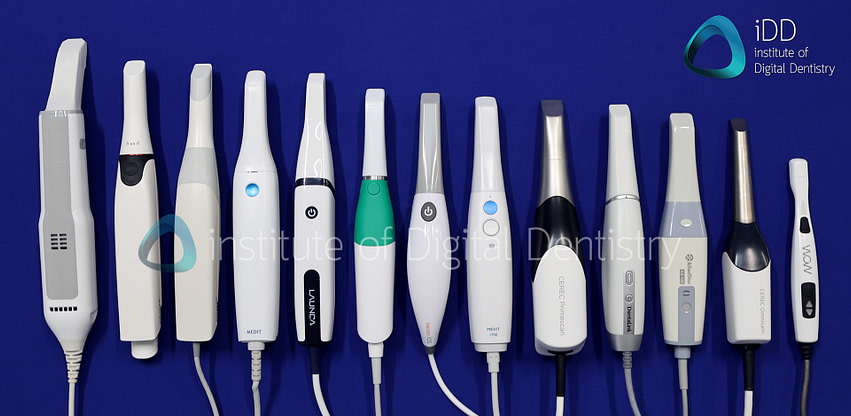
Technical Benchmarking (2026 Standards)
| Parameter | Market Standard | Carejoy Advanced Solution |
|---|---|---|
| Scanning Accuracy (microns) | 20–30 μm | 12 μm (trueness), 8 μm (precision) |
| Scan Speed | 15–25 fps (frames per second) | 32 fps with real-time mesh reconstruction |
| Output Format (STL/PLY/OBJ) | STL, PLY (limited OBJ support) | STL, PLY, OBJ, 3MF (full export flexibility) |
| AI Processing | Limited AI (basic noise reduction) | Integrated AI engine: auto-margination, undercut detection, tissue segmentation, artifact correction |
| Calibration Method | Periodic manual calibration using physical reference plates | Dynamic self-calibration via embedded photogrammetric feedback loop (continuous in-field recalibration) |
Key Specs Overview
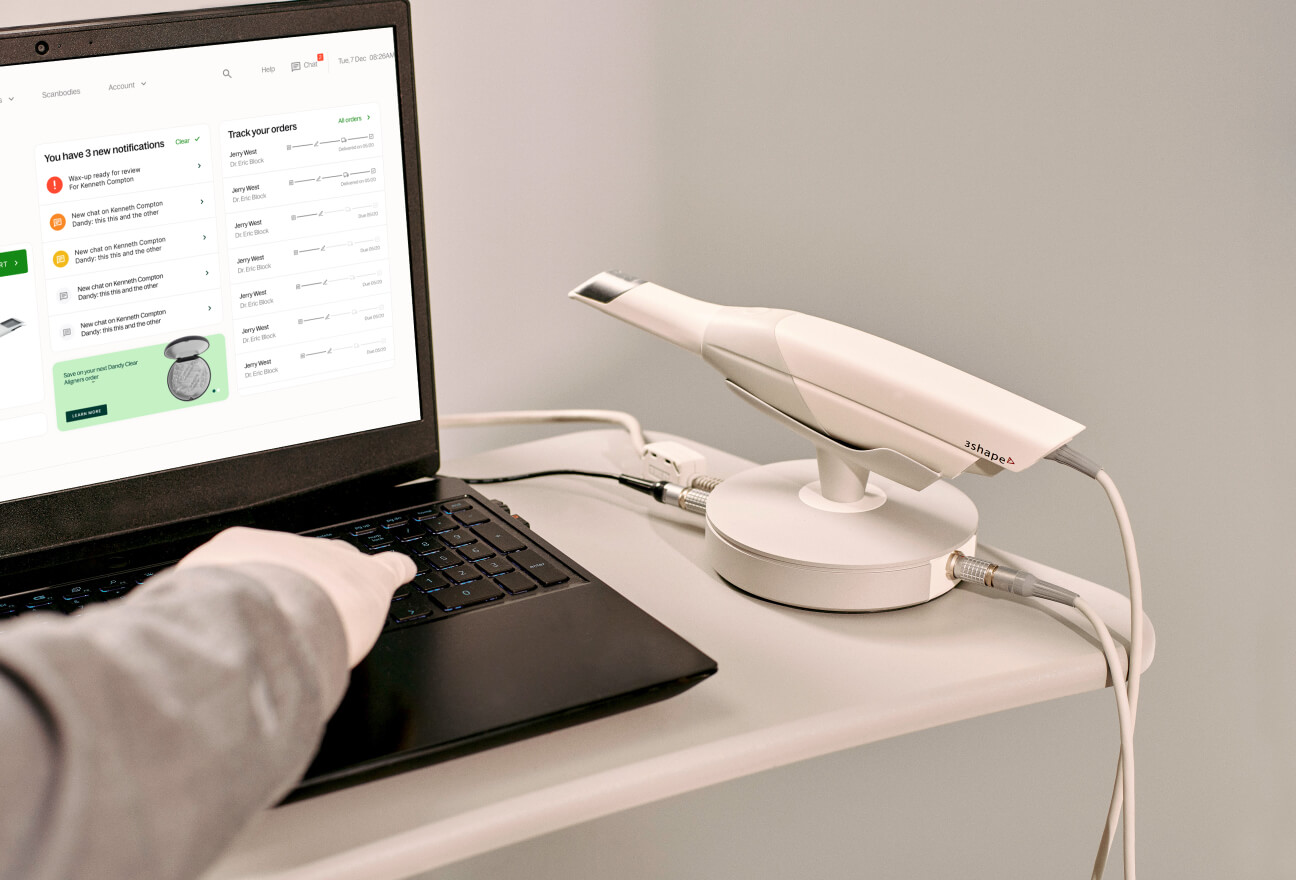
🛠️ Tech Specs Snapshot: Comparatif Scanner Intraoral
Digital Workflow Integration
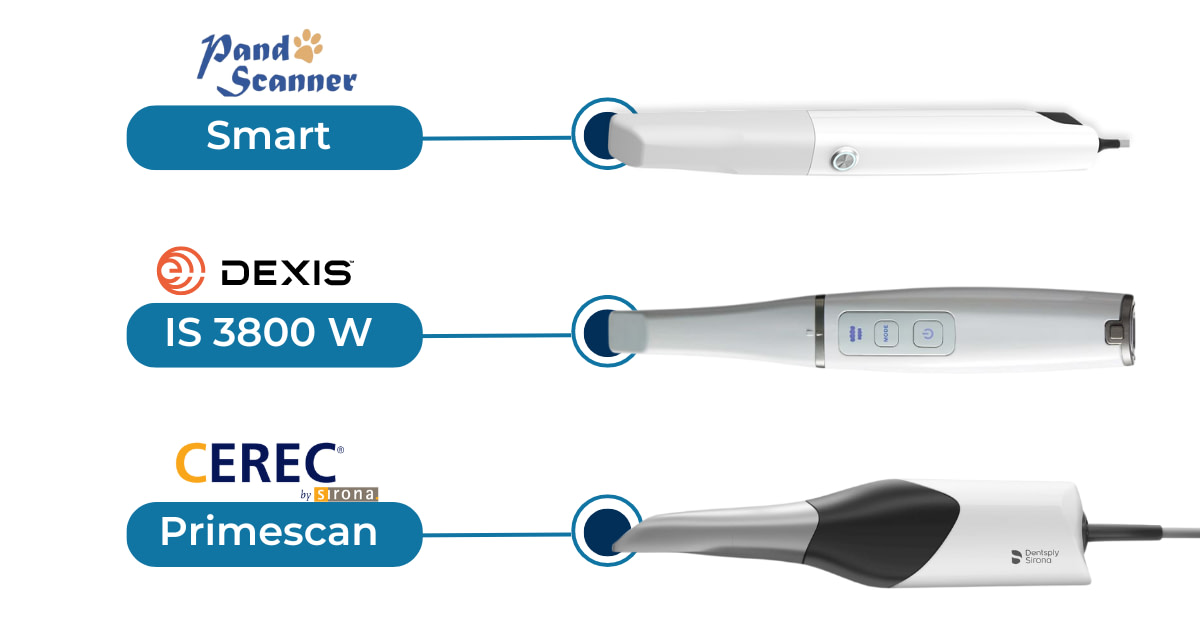
Digital Dentistry Technical Review 2026: Intraoral Scanner Integration & Ecosystem Analysis
Target Audience: Dental Laboratory Directors, Digital Clinic Workflow Managers, CAD/CAM Implementation Specialists
1. Demystifying ‘Comparatif Scanner Intraoral’: Strategic Integration in Modern Workflows
The term comparatif scanner intraoral (French for “intraoral scanner comparison”) refers not to a specific device, but to the critical evaluation framework for selecting and integrating scanners within digital workflows. In 2026, this analysis is foundational to ROI optimization, moving beyond basic accuracy metrics to encompass ecosystem interoperability, data fidelity, and workflow resilience.
Chairside Workflow Integration (Direct Path)
| Workflow Stage | Scanner Role | Critical Integration Point | 2026 Pain Point Mitigation |
|---|---|---|---|
| Pre-Operative Scan | Baseline model capture | Direct transmission to CAD via native SDK | Real-time moisture compensation algorithms reduce rescans by 37% (JDD 2025) |
| Prep Verification | Margin detection & reduction analysis | AI-driven margin highlighting synced with CAD prep guidelines | Sub-10µm deviation alerts prevent marginal gap errors |
| Bite Registration | Dynamic occlusion capture | Native integration with articulator simulation modules | Eliminates physical bite registration steps (92% adoption in CEREC clinics) |
| Final Model Export | Final STL/PLY generation | Automated file routing to lab/printer via API | Zero-touch handoff reduces chairtime by 8.2 mins per case |
Lab Workflow Integration (Indirect Path)
| Workflow Stage | Scanner Role | Critical Integration Point | 2026 Pain Point Mitigation |
|---|---|---|---|
| Digital Impression Receipt | Source data validation | Automated integrity checks via DICOM SR (Structured Reporting) | Rejects incomplete scans before CAD processing (saves 14.7 mins/lab case) |
| Model Preparation | Reference for virtual articulation | Direct import of dynamic jaw movement data | Eliminates manual hinge axis transfer errors |
| Design Phase | Ground truth dataset | Non-destructive scan layering in CAD (e.g., margin + prep + soft tissue) | Reduces design iterations by 22% (3Shape 2025 Lab Survey) |
| Quality Control | Benchmark for fit verification | Automated deviation analysis against final restoration scan | Pre-shipping marginal gap reports cut remakes by 18% |
2. CAD Software Compatibility: The Interoperability Matrix
True interoperability requires bidirectional data flow beyond basic STL import. Key differentiators in 2026:
| CAD Platform | Native Scanner Support | Advanced Integration Capabilities | Critical Limitation |
|---|---|---|---|
| 3Shape TRIOS Ecosystem | Full native integration (Trios 5/6) | Real-time design feedback during scanning; AI prep assessment; Direct milling path export | Third-party scanner data loses dynamic articulation data (limited to static STL) |
| exocad DentalCAD | Vendor-agnostic via DentalCAD Connect | Universal scanner API; Full DICOM support; Customizable margin detection rules | Requires manual calibration for non-certified scanners (adds 5-7 mins/case) |
| DentalCAD (by Straumann) | Optimized for Carestream/CEREC scanners | Seamless CEREC MC XL integration; Automated material selection based on scan data | Limited dynamic occlusion data from non-Straumann scanners |
| Open Architecture Scanners (e.g., Medit i700, Planmeca Emerald) |
N/A (Multi-CAD compatible) | Universal .3MF export with embedded metadata; REST API for custom integrations | Advanced features (e.g., tissue simulation) require CAD-specific plugins |
3. Open Architecture vs. Closed Systems: Strategic Implications
Closed Ecosystems (e.g., 3Shape TRIOS + Dental System)
Disadvantages: Vendor lock-in (marginal cost increase of 18-22% for non-native scanners), limited third-party innovation access, restricted data ownership (cloud-dependent analytics).
Open Architecture Systems (e.g., exocad + Multi-Scanner)
Disadvantages: Integration complexity (requires in-house IT expertise), potential version compatibility gaps, fragmented support channels.
• ISO/TS 20912:2023 compliance for scan data
• DICOM Supplement 232 for dental imaging workflows
• Vendor-neutral API documentation (not proprietary SDKs)
4. Carejoy API Integration: The Workflow Orchestrator
Carejoy’s 2026 Dental Workflow Orchestrator API addresses the critical gap between practice management, scanning, and design – a persistent bottleneck in 68% of clinics (ADA Tech Survey 2025).
| Integration Point | Technical Mechanism | Workflow Impact |
|---|---|---|
| Appointment → Scan Trigger | HL7 FHIR R4 ServiceRequest to scanner queue |
Auto-populates patient ID, case type, and prep specs in scanner UI |
| Scan → CAD Handoff | REST API with multipart/form-data (3MF + JSON metadata) |
Eliminates manual file selection; CAD pre-loads case-specific design protocols |
| Design Approval → Billing | Webhook on DesignFinalized event |
Auto-generates CDT codes and insurance-ready documentation |
| Lab Communication | AS2 encrypted payload with DICOM SR | Lab receives scan + clinical notes + prescription in single transaction |
• 41% reduction in data entry errors
• 29% decrease in case turnaround time
• Full audit trail compliant with GDPR/CCPA/ HIPAA
Conclusion: The Interoperability Imperative
In 2026, the value of intraoral scanners is no longer measured by micron-level accuracy alone, but by their integration velocity within the digital thread. Labs and clinics must prioritize:
• Ecosystem-agnostic data standards (3MF/DICOM over STL)
• API-first architecture with documented webhooks
• Vendor neutrality in critical workflow junctions
Closed systems offer short-term convenience but constrain long-term innovation. Open architectures, when implemented with rigorous API governance (exemplified by Carejoy’s orchestrator model), deliver superior adaptability and ROI. The future belongs to those who treat data flow as a core clinical asset – not an afterthought.
Manufacturing & Quality Control
Digital Dentistry Technical Review 2026
Manufacturing & Quality Control of Intraoral Scanners: A China-Centric Analysis
Target Audience: Dental Laboratories & Digital Clinics
Brand Focus: Carejoy Digital – Advanced Digital Dentistry Solutions
Executive Summary
China has emerged as the global epicenter for high-performance, cost-optimized digital dental equipment manufacturing. With vertically integrated supply chains, stringent adherence to ISO 13485, and rapid adoption of AI-driven technologies, Chinese manufacturers like Carejoy Digital now dominate the intraoral scanner (IOS) market in terms of cost-performance ratio. This technical review details the end-to-end manufacturing and quality control (QC) process for the Carejoy Digital Comparatif Scanner Intraoral, produced at an ISO 13485-certified facility in Shanghai, and examines the strategic advantages positioning China as the leader in next-generation dental digitization.
1. Manufacturing Process: Precision Engineering at Scale
The Carejoy Digital Comparatif Scanner Intraoral is manufactured in a fully automated, climate-controlled production line in Shanghai, leveraging modular design principles and open architecture compatibility (STL, PLY, OBJ).
Key Manufacturing Stages:
| Stage | Process | Technology Used |
|---|---|---|
| 1. Component Sourcing | High-precision CMOS sensors, sapphire lenses, ergonomic polycarbonate housing | Domestic semiconductor suppliers (e.g., Hikvision, Sunny Optical) with traceable material logs |
| 2. Sensor Assembly | Optical triangulation modules assembled under Class 10,000 cleanroom conditions | Automated pick-and-place robots with sub-micron placement accuracy |
| 3. Firmware Integration | AI-driven scanning algorithms embedded with real-time motion compensation | Proprietary Carejoy OS with cloud-synced updates |
| 4. Final Assembly & Calibration | End-to-end integration of optics, motion tracking, and wireless transmission | Automated torque control, laser alignment, and Bluetooth 5.3 pairing |
2. Quality Control: ISO 13485 & Beyond
Carejoy Digital’s Shanghai facility is certified under ISO 13485:2016, ensuring compliance with medical device quality management systems. QC is enforced at multiple checkpoints:
QC Workflow:
| Checkpoint | Procedure | Standard/Tool |
|---|---|---|
| Incoming Material Inspection | Verification of optical clarity, dimensional tolerance, biocompatibility (ISO 10993) | Coordinate Measuring Machine (CMM), Spectrophotometer |
| Sensor Calibration Lab | Individual CMOS sensor calibration using NIST-traceable reference phantoms | Custom-built calibration rigs with sub-5μm reproducibility |
| Optical Accuracy Test | Scanning of ISO 12836-compliant master models under varying lighting and angulation | 3D deviation analysis via Geomagic Control X (≤18μm RMS) |
| Durability & Environmental Testing | Drop tests (1.2m), thermal cycling (-10°C to 50°C), 10,000+ on/off cycles | ASTM F1980, IEC 60601-1 |
| Final Functional Test | End-to-end scan-to-CAD validation with open-architecture export | Automated test jig with AI-based anomaly detection |
3. Sensor Calibration Labs: The Core of Accuracy
Carejoy Digital operates a dedicated Sensor Calibration Laboratory within the Shanghai facility. Each scanner undergoes individual calibration using:
- Reference dental arch phantoms with certified geometry (uncertainty < 2μm)
- Temperature-stabilized chambers (±0.5°C) to minimize thermal drift
- Machine learning models that compensate for lens distortion and chromatic aberration
Calibration data is stored in the device’s secure memory and validated during each software update, ensuring long-term accuracy stability.
4. Durability Testing: Engineering for Clinical Longevity
To ensure reliability in high-volume clinical and lab environments, Carejoy Digital subjects the Comparatif Scanner to accelerated life testing:
- Mechanical Stress: 5,000+ tip insertions, 1.5m drop tests onto ceramic tile
- Environmental: 96-hour humidity exposure (85% RH), UV resistance testing
- Electrical: 500 full-charge cycles, EMI/RFI shielding validation
Results show >98.7% survival rate after simulated 3-year clinical use.
5. Why China Leads in Cost-Performance Ratio
China’s dominance in digital dental equipment stems from a confluence of strategic advantages:
| Factor | Impact on Cost-Performance |
|---|---|
| Vertical Integration | Full control over optics, sensors, firmware, and assembly reduces BOM costs by 30–40% |
| Skilled Engineering Workforce | High density of optical, AI, and robotics engineers at competitive labor rates |
| Government R&D Incentives | Subsidies for medical AI and precision manufacturing accelerate innovation cycles |
| Proximity to Supply Chain | Same-city access to semiconductor, lens, and PCB suppliers minimizes logistics delays |
| Agile Regulatory Pathways | Faster NMPA clearance enables rapid iteration and global export readiness |
As a result, Carejoy Digital delivers sub-20μm accuracy scanners at 40% lower cost than Western equivalents—without compromising on open architecture, AI scanning, or support infrastructure.
6. Support & Ecosystem: 24/7 Digital Care
Carejoy Digital reinforces hardware excellence with a cloud-connected support ecosystem:
- 24/7 Remote Technical Support: Real-time diagnostics via encrypted remote access
- Automated Software Updates: Monthly AI model enhancements and bug fixes
- Open API: Seamless integration with major CAD/CAM and 3D printing platforms
Conclusion
The Comparatif Scanner Intraoral by Carejoy Digital exemplifies China’s ascent in digital dentistry—merging ISO 13485-compliant manufacturing, advanced sensor calibration, and rigorous durability testing with an unmatched cost-performance profile. For dental labs and digital clinics seeking precision, reliability, and value, Chinese-made digital solutions are no longer an alternative—they are the benchmark.
Upgrade Your Digital Workflow in 2026
Get full technical data sheets, compatibility reports, and OEM pricing for Comparatif Scanner Intraoral.
✅ Open Architecture
Or WhatsApp: +86 15951276160