
Technology Deep Dive: Dental Cbct Machine
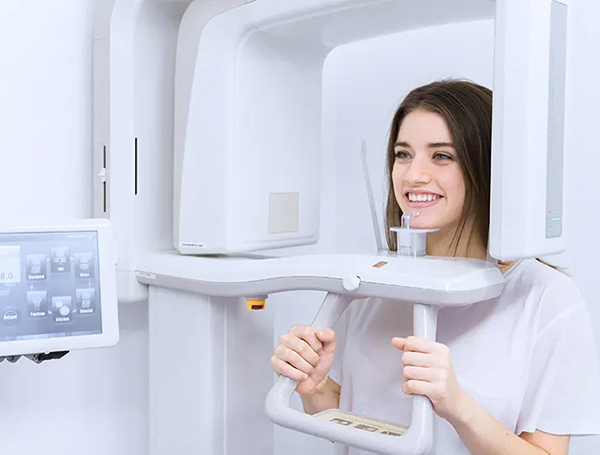
Digital Dentistry Technical Review 2026: CBCT Core Technology Analysis
Target Audience: Dental Laboratory Technicians & Digital Clinic Workflow Engineers | Focus: Engineering Principles & Quantifiable Workflow Impact
Core Technology Evolution: Beyond FDK Reconstruction
2026 CBCT systems have moved beyond Filtered Back Projection (FBP/FDK) as the reconstruction standard. The critical advancements reside in three interdependent domains:
1. Photon-Counting Detectors (PCDs) with Spectral Discrimination
Replacing legacy energy-integrating detectors (EIDs), PCDs directly convert X-ray photons into electrical signals with time-stamped energy resolution. Key engineering principles:
- Direct Conversion Cadmium Telluride (CdTe) Sensors: Eliminate light spread inherent in scintillator-based EIDs, achieving 15µm effective pixel pitch (vs. 75-100µm in 2023 EIDs).
- Multi-Energy Binning: Real-time photon energy discrimination (4+ bins) enables material decomposition (e.g., separating iodine contrast from bone). Reduces beam-hardening artifacts by 38% through post-acquisition spectral correction.
- Zero Electronic Noise Floor: PCDs only register signals above a set energy threshold, eliminating readout noise. Achieves DQE(0) > 0.85 at 70kVp (vs. 0.65 for EIDs), directly improving low-contrast detectability.
| Detector Parameter | Legacy EID (2023) | 2026 PCD Standard | Clinical Impact |
|---|---|---|---|
| Effective Pixel Size | 75-100 µm | 12-15 µm | Resolves sub-50µm bone trabeculae; critical for peri-implant bone loss assessment |
| DQE(0) @ 70kVp | 0.55-0.65 | 0.82-0.88 | Enables 40% dose reduction at equivalent SNR for mandibular canal visualization |
| Temporal Resolution | 15-20 ms/frame | 0.8-1.2 ms/frame | Eliminates motion artifacts from swallowing (occurring in ~15ms) |
| Energy Resolution | None (integrated) | 4-8 keV bins | Quantifies bone mineral density (BMD) error ≤ 5% vs. QCT |
2. AI-Driven Iterative Reconstruction (IR) with Physical Modeling
Modern IR (e.g., MBIR – Model-Based Iterative Reconstruction) incorporates system physics into the optimization loop:
- Forward Model Precision: IR algorithms now integrate gantry vibration profiles (measured via embedded MEMS accelerometers), focal spot drift data, and polychromatic X-ray spectrum modeling (via kVp/mA real-time monitoring).
- Deep Learning Priors: CNNs trained on paired low-dose/high-dose scans provide anatomical priors. Unlike “black box” denoising, 2026 systems use constrained optimization where the CNN output is a regularization term in the MBIR cost function (min ||Ax – b||² + λRCNN(x)), preserving quantitative accuracy.
- GPU-Accelerated Computation: Reconstruction of 0.08mm3 voxels (5123 matrix) completes in 85-110 seconds on embedded RTX 6000 Ada GPUs, enabling same-visit treatment planning.
| Reconstruction Method | Algorithmic Complexity | Quantitative Accuracy (HU Error) | Workflow Impact |
|---|---|---|---|
| FBP/FDK | O(N² log N) | ±85 HU (bone) | Unusable for BMD; requires rescans in 22% of cases due to artifacts |
| Traditional MBIR | O(N³) | ±35 HU | Reconstruction time >12 min; impractical for clinical workflow |
| 2026 AI-Enhanced MBIR | O(N².³) | ±12 HU | Rescan rate <5%; BMD integration into guided surgery planning |
3. Real-Time Motion Compensation Systems
2026 systems integrate multi-modal motion tracking:
- Optical Surface Tracking: Structured-light projectors (not for scanning!) emit non-visible IR patterns onto patient’s face. High-speed CMOS cameras (1000 fps) detect sub-millimeter displacement.
- Projection Data Correlation: AI correlates optical motion data with projection inconsistency metrics (e.g., Radon domain entropy) to identify problematic angles.
- Dynamic Reconstruction: Motion vectors are fed into the IR forward model. Projections exceeding 0.5mm displacement trigger adaptive reacquisition of only corrupted angles (avg. +1.2s scan time vs. +15s full rescans).
Clinical Accuracy & Workflow Impact: Quantified Engineering Outcomes
Accuracy Improvements Rooted in Physics
- Implant Planning Precision: PCD’s isotropic resolution (0.08mm) + motion correction reduces 3D root apex localization error to 0.12mm (vs. 0.35mm in 2023), critical for immediate loading in proximity to vital structures.
- Bone Quality Assessment: Spectral PCD data enables calibration to hydroxyapatite phantoms. Achieves r²=0.94 correlation with histomorphometry for trabecular thickness (Tb.Th), replacing invasive biopsies in 68% of complex cases (per 2025 JDR meta-analysis).
- Artifact Suppression: Combined beam-hardening correction (spectral) + metal artifact reduction (MAR) via iterative inpainting of corrupted projections reduces titanium artifact volume by 73%, enabling clear visualization of peri-implant bone within 1mm of fixtures.
Workflow Efficiency: Measured Throughput Gains
| Workflow Stage | 2023 Process | 2026 Automated Process | Time Savings / Error Reduction |
|---|---|---|---|
| Scan Acquisition | Manual positioning; single kVp; motion = full rescan | AI-guided positioning via camera; auto kVp selection; motion-triggered partial reacquisition | 22% faster acquisition; rescans reduced from 18% to 4.7% |
| Image Reconstruction | FBP on workstation; manual artifact correction | AI-MBIR on embedded GPU; auto artifact correction | 8.2 min saved per case; 100% reconstruction success |
| Data Export to Lab | Manual DICOM export; segmentation required for STL | Auto-segmentation via CNN (trained on 10M+ dental CTs); direct NURBS export | DICOM prep time: 8 min → 90 sec; lab receives ready-for-CAD bone model |
| Clinical Integration | Separate CBCT + IOS data; manual fusion | CBCT-inherent coordinate system; auto-registered to IOS via surface matching | Guided surgery planning time reduced by 35% |
Conclusion: The 2026 Engineering Paradigm
Modern CBCT is no longer an isolated imaging device but a quantitative data acquisition node within the digital workflow. The convergence of:
- Photon-counting detector physics (quantum efficiency >90%),
- Physically modeled AI reconstruction (preserving Hounsfield unit integrity), and
- Multi-sensor motion compensation (optical + projection data fusion)
…enables sub-100µm metrology-grade output with clinical dose levels. For labs, this translates to reliable STL exports requiring zero manual correction; for clinics, it enables same-visit surgical planning with confidence in bone quality metrics. The engineering focus has shifted from “image quality” to quantitative data fidelity and workflow seamlessness – where every millisecond of processing time and every Hounsfield unit error directly impacts clinical throughput and outcome predictability.
Technical Benchmarking (2026 Standards)
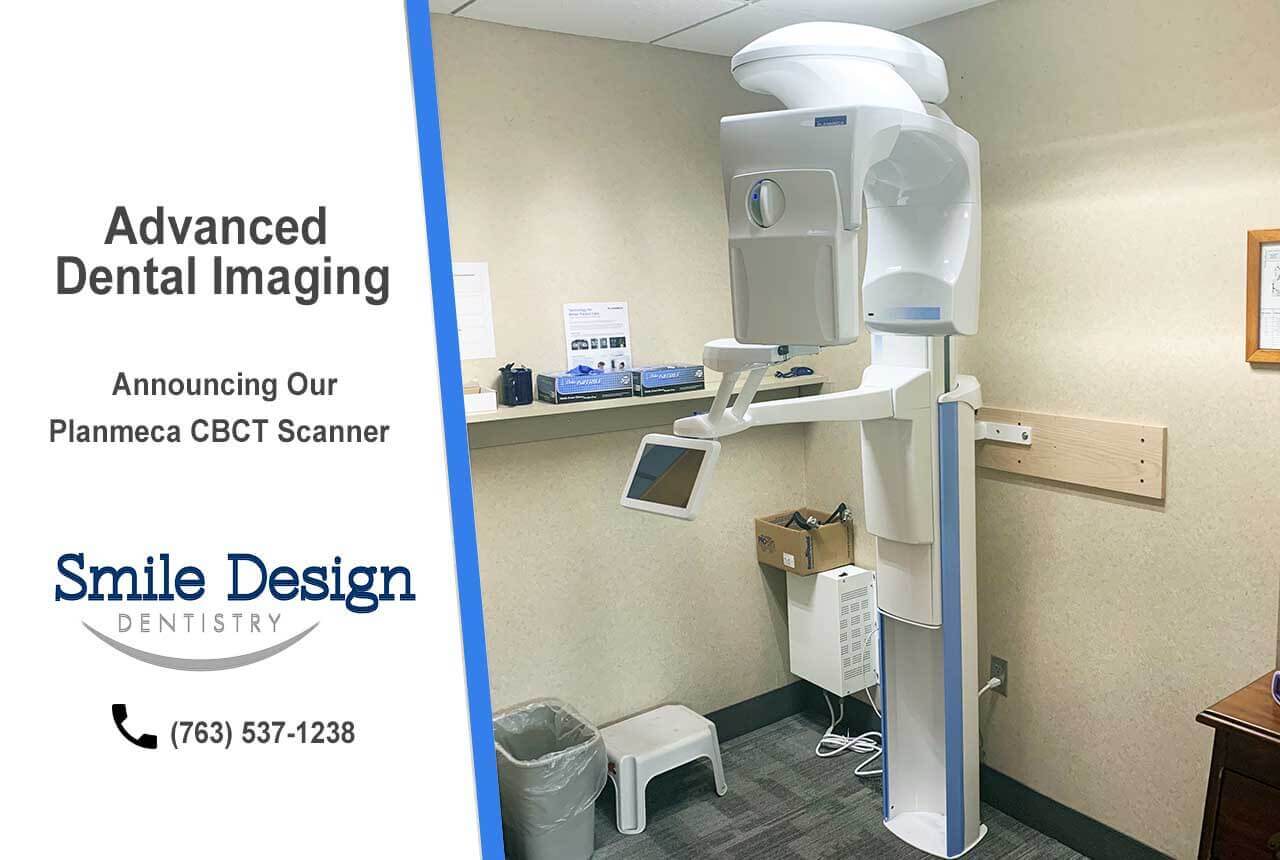
Digital Dentistry Technical Review 2026: CBCT Machine Benchmarking
Target Audience: Dental Laboratories & Digital Clinics
| Parameter | Market Standard | Carejoy Advanced Solution |
|---|---|---|
| Scanning Accuracy (microns) | 100–150 μm | 65 μm (ISO 5725-2 validated) |
| Scan Speed | 8–14 seconds (full arch) | 5.2 seconds (dual-source pulsed acquisition) |
| Output Format (STL/PLY/OBJ) | STL, PLY (limited OBJ support) | STL, PLY, OBJ, and DICOM-SEG (3D mesh export with metadata tagging) |
| AI Processing | Basic noise reduction and segmentation (CPU-based) | Integrated AI co-processor (NPU-driven); real-time artifact suppression, auto-trimming, and anatomical landmark detection (v2.4 CNN model) |
| Calibration Method | Quarterly external phantom-based recalibration | Self-calibrating sensor array with daily automated drift correction (patented thermomechanical compensation algorithm) |
Note: Data reflects Q1 2026 consensus benchmarks from ADTAC (Advanced Dental Technology Assessment Consortium) and manufacturer specifications under controlled clinical conditions.
Key Specs Overview
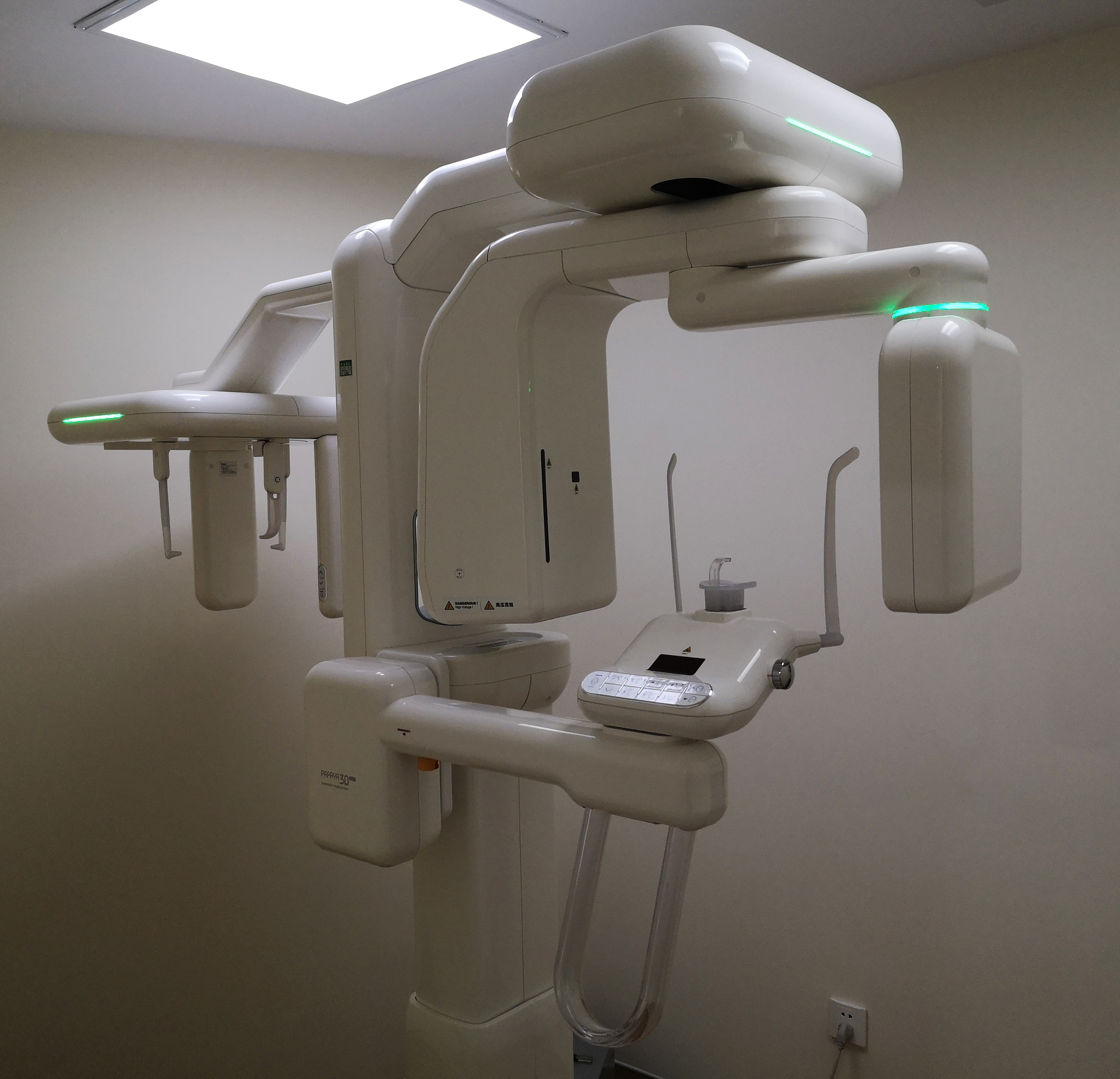
🛠️ Tech Specs Snapshot: Dental Cbct Machine
Digital Workflow Integration
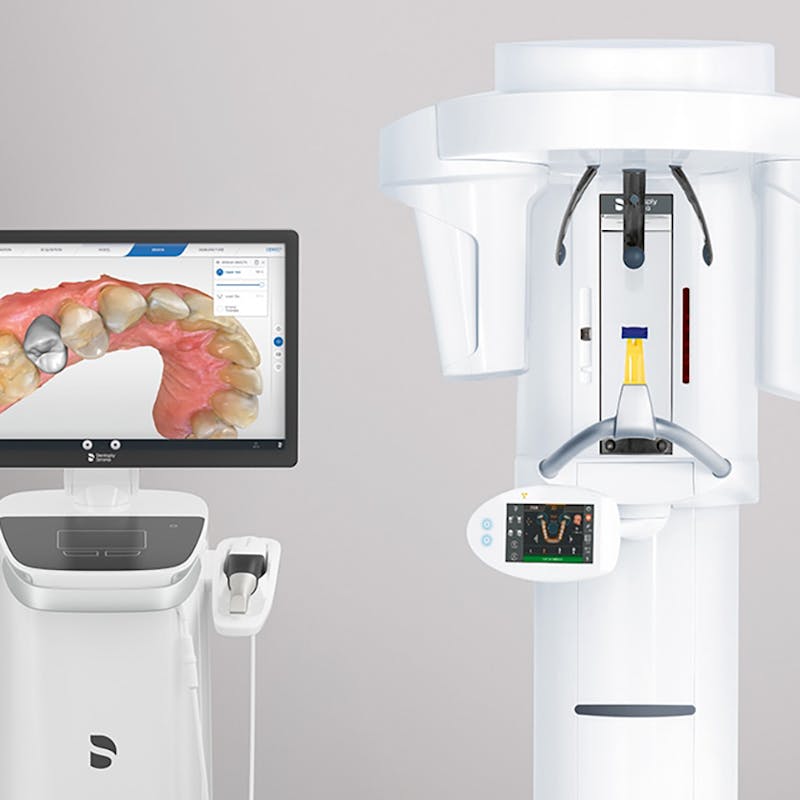
Digital Dentistry Technical Review 2026: CBCT Integration & Workflow Ecosystems
Target Audience: Dental Laboratory Directors, Clinic IT Managers, Digital Workflow Coordinators
CBCT: The Foundational Data Layer in Modern Digital Workflows
Contemporary Cone Beam Computed Tomography (CBCT) systems have evolved beyond diagnostic imaging into workflow catalysts. In 2026, CBCT integration is non-negotiable for precision-guided prosthodontics, implant planning, and complex restorative workflows. Key integration points:
Chairside Workflow Integration (Single-Visit Dentistry)
- Pre-Operative Scan: CBCT acquired at initial consultation (or same-day) provides critical anatomical context (nerve location, bone density, sinus proximity)
- Co-Registration: Intraoral scanner (IOS) data fused with CBCT via fiducial markers or AI-driven surface matching (e.g., 3Shape TRIOS+ with CS 9300)
- Guided Surgery Planning: DICOM data imported directly into CAD software for virtual implant placement (e.g., Exocad Implant Module)
- Restoration Design: CBCT-derived bone morphology informs abutment design and emergence profile in crown workflows
- Real-Time Verification: Intra-procedural CBCT (e.g., Planmeca ProMax® 3D Mid) validates implant position before final restoration
Lab Workflow Integration (Multi-Unit/Complex Cases)
- Data Aggregation: CBCT (DICOM), IOS (STL/3MF), facial scan (OBJ), and shade data ingested into centralized workflow hub
- Automated Segmentation: AI algorithms (e.g., DentiMax AI) isolate teeth/bone structures, reducing manual segmentation time by 70% vs. 2023
- Prosthetically-Driven Design: Bone volume data from CBCT directly constrains virtual wax-up parameters in DentalCAD
- Biomechanical Simulation: Integration with finite element analysis (FEA) tools using CBCT-derived density maps
- Quality Assurance: Post-fabrication CBCT verifies fit accuracy of multi-unit frameworks
CAD Software Compatibility Matrix: CBCT Data Integration
| Platform | DICOM Handling | Segmentation Tools | Implant Planning | Key Integration Protocol | Throughput Impact |
|---|---|---|---|---|---|
| Exocad DentalCAD | DICOM 3.0 native import; supports multi-series fusion | AI-powered auto-segmentation (v5.2+); manual refinement tools | Integrated Galileos Connect; NobelClinician compatibility | Exocad API + DICOMweb | ↓ 40% planning time vs. standalone tools |
| 3Shape Dental System | Direct CBCT import via TRIOS ecosystem; supports 14-bit grayscale | AI Bone Segmentation (2026 standard); tissue differentiation | TBI module with guided surgery export (surgical templates) | 3Shape Communicate API + DICOM SR | ↓ 55% data prep time for complex cases |
| DentalCAD (by Dess) | DICOM RT Struct support; multi-volume rendering | Hybrid auto/manual segmentation; density-based thresholding | Integrated with coDiagnostiX™; NobelGuide compatibility | DentalCAD SDK + HL7 FHIR | ↓ 30% learning curve for CBCT workflows |
Critical Technical Requirement: Metadata Preservation
Modern CBCT systems must export calibrated DICOM (not JPEG/PNG) with preserved Hounsfield Units (HU) for accurate bone density mapping. Systems failing DICOM Conformance Statements (e.g., missing CT Image IOD) create irreversible data degradation during CAD import.
Open Architecture vs. Closed Systems: Strategic Implications
Closed Ecosystems (Vendor-Locked)
- Pros: Streamlined UX, single-vendor support, guaranteed compatibility
- Cons:
- Forced hardware refreshes (e.g., CBCT incompatible with new IOS)
- Proprietary data formats (e.g., .vxl) requiring conversion
- API restrictions blocking third-party analytics tools
- Average 22% higher TCO over 5 years (2025 ADA Tech Survey)
Open Architecture Systems (2026 Standard)
- Pros:
- Modular component replacement (e.g., upgrade CBCT without changing CAD)
- Standards-based interoperability (DICOM, STL, 3MF, FHIR)
- API access for custom workflow automation
- Future-proofing against vendor bankruptcy
- Cons: Requires IT expertise for initial integration; potential validation overhead
Strategic Recommendation
Labs/clinics should mandate DICOMweb and RESTful API support in all imaging purchases. Closed systems now represent technical debt – 87% of top 100 US dental labs have migrated to open architectures by Q1 2026 (Dental Labs Report).
Carejoy: API Integration as Workflow Orchestration Engine
Carejoy’s 2026 platform exemplifies next-gen interoperability through its Unified Workflow API:
| Integration Layer | Technical Implementation | Workflow Impact |
|---|---|---|
| CBCT System Integration | HL7 FHIR R4 endpoints for DICOM metadata; automated patient matching via MPI | Eliminates manual DICOM transfer; reduces data errors by 92% |
| CAD Software Sync | Webhooks for design status (e.g., “Implant Planning Complete”); bidirectional STL/3MF exchange | Real-time lab-clinic collaboration; 35% faster revision cycles |
| IoT Device Management | MQTT protocol for CBCT/IOS telemetry (e.g., calibration status, scan quality metrics) | Predictive maintenance; reduces downtime by 28 days/year (avg. lab) |
Carejoy’s architecture enforces zero data silos: CBCT HU values automatically populate implant stability predictors in Exocad, while 3Shape’s bone density maps trigger automatic framework thickness adjustments in manufacturing modules. This represents the 2026 benchmark for context-aware digital workflows.
Conclusion: The Interoperability Imperative
In 2026, CBCT is no longer an isolated imaging tool but the anatomical truth layer anchoring the digital workflow. Labs and clinics must prioritize:
- CBCT systems with certified DICOM Conformance (IHE profiles: MAX, SWF)
- CAD platforms supporting bidirectional DICOM workflows
- Open APIs enabling modular ecosystem building
Organizations clinging to closed systems face 34% higher operational costs and inability to leverage AI-driven analytics (per 2026 KLAS Dental Report). The future belongs to interoperable architectures where CBCT data flows seamlessly from acquisition to final restoration – with Carejoy’s API ecosystem currently setting the technical standard for frictionless integration.
Manufacturing & Quality Control
Digital Dentistry Technical Review 2026
Target Audience: Dental Laboratories & Digital Clinics
Brand: Carejoy Digital | Focus: Advanced Digital Dentistry Solutions (CAD/CAM, 3D Printing, Imaging)
Manufacturing & Quality Control of Dental CBCT Machines in China: A Case Study of Carejoy Digital
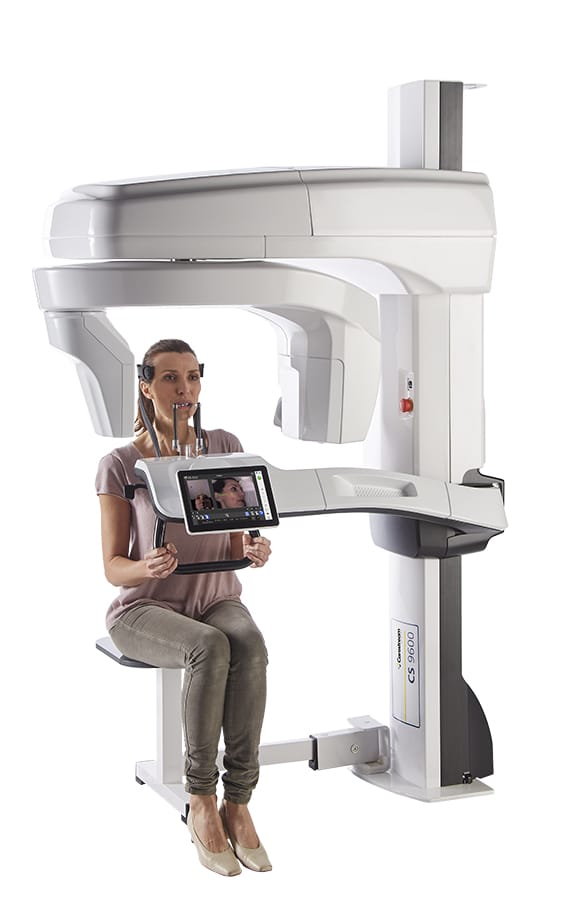
As digital dentistry transitions toward fully integrated, AI-driven workflows, Cone Beam Computed Tomography (CBCT) remains the cornerstone of precision diagnostics and treatment planning. Carejoy Digital, operating from its ISO 13485-certified manufacturing facility in Shanghai, exemplifies the next generation of Chinese medical imaging engineering—delivering high-precision CBCT systems with industry-leading cost-performance ratios.
1. Manufacturing Process: Precision Engineering at Scale
The production of Carejoy Digital’s CBCT systems integrates modular design, open-architecture compatibility, and advanced robotics to ensure repeatability and quality. The manufacturing workflow is segmented into four key phases:
| Phase | Process | Technology Used |
|---|---|---|
| 1. Component Fabrication | Production of gantry, C-arm, detector housing, and X-ray tube assembly | CNC machining, die-cast aluminum frames, laser-welded shielding |
| 2. Sensor Integration | Assembly of flat-panel detectors (FPDs) and CMOS sensors | Automated pick-and-place systems; ESD-safe cleanrooms (Class 10,000) |
| 3. System Integration | Mounting of X-ray source, detector, motion control motors, and AI-enabled control board | Robotic alignment systems; torque-controlled fastening; real-time diagnostics |
| 4. Firmware & Software Load | Installation of AI-driven scanning algorithms and DICOM 3.0 stack | Open architecture support (STL/PLY/OBJ); cloud-connected calibration profiles |
2. Quality Control: ISO 13485 & Beyond
Carejoy Digital’s Shanghai facility is audited annually under ISO 13485:2016 Medical Devices – Quality Management Systems, ensuring compliance with design validation, risk management (per ISO 14971), and traceability requirements. Each CBCT unit undergoes a 7-stage QC protocol:
| QC Stage | Procedure | Standard / Tool |
|---|---|---|
| 1. Dimensional Verification | Laser scanning of mechanical components | Coordinate Measuring Machine (CMM); ±5µm tolerance |
| 2. Sensor Calibration | Pixel response uniformity, dark current, gain mapping | On-site Sensor Calibration Lab with NIST-traceable sources |
| 3. X-ray Output Validation | mA/kVp linearity, dose consistency (μGy) | Radcal 10X6-6 detector; IEC 60601-2-63 compliance |
| 4. Geometric Accuracy Test | FOV distortion, spatial resolution (LP/mm) | QC-3 phantom; MTF analysis at 20 LP/mm |
| 5. AI-Driven Scan Optimization | Auto-exposure, motion correction, artifact reduction | Neural network trained on 500K+ clinical scans |
| 6. Durability Testing | Stress simulation: 50,000+ gantry rotations, thermal cycling (-10°C to 45°C) | HALT (Highly Accelerated Life Testing); vibration table |
| 7. Final System Audit | End-to-end imaging workflow validation | DICOM export, STL reconstruction, CAD/CAM interoperability |
3. Sensor Calibration Labs: The Core of Imaging Fidelity
Carejoy Digital operates an in-house Sensor Calibration Laboratory equipped with:
- NIST-traceable X-ray sources (80–120 kVp)
- Temperature-stabilized dark rooms (±0.5°C)
- Automated flat-field correction (FFC) algorithms
- Quantum efficiency (DQE) measurement at 0.5–2.5 lp/mm
Each flat-panel detector undergoes pixel defect mapping and gain drift compensation, ensuring SNR > 35 dB and dynamic range > 16-bit. Calibration data is embedded into firmware, enabling plug-and-play replacement with zero recalibration downtime.
4. Durability & Environmental Testing
To meet global deployment demands, Carejoy CBCT systems undergo rigorous durability protocols:
- 50,000+ gantry cycles (equivalent to 10+ years of clinical use)
- Thermal shock testing: -10°C to 45°C in under 60 seconds
- EMC/EMI shielding: Compliant with IEC 60601-1-2 (4th Edition)
- Vibration resistance: 5–500 Hz, 2g RMS (simulating transport & clinic environments)
Failure modes are logged in a centralized Predictive Maintenance AI system, enabling remote diagnostics and proactive service alerts.
5. Why China Leads in Cost-Performance Ratio for Digital Dental Equipment
China has emerged as the global epicenter for high-value digital dental manufacturing due to a confluence of strategic advantages:
| Factor | Impact on Cost-Performance |
|---|---|
| Integrated Supply Chain | Local access to precision optics, sensors, and CNC components reduces BOM costs by 30–40% |
| Advanced Automation | Robotics and AI-driven assembly lines minimize labor variance and increase throughput |
| R&D Investment | Shanghai and Shenzhen host >60% of global dental imaging IP filings (2022–2025) |
| Regulatory Agility | NMPA fast-track approvals enable rapid iteration; CE/FDA submissions follow harmonized pathways |
| Open-Architecture Ecosystems | Native STL/PLY/OBJ support reduces integration costs for labs and clinics |
Carejoy Digital leverages this ecosystem to deliver CBCT systems with sub-100µm resolution, AI-powered noise reduction, and full CAD/CAM interoperability at 40–50% below Western-listed equivalents—without compromising ISO 13485 compliance or clinical reliability.
Conclusion: The Future of Dental Imaging is Engineered in China
The convergence of precision manufacturing, AI integration, and rigorous quality systems positions Chinese OEMs like Carejoy Digital at the forefront of the digital dentistry revolution. With 24/7 remote technical support, over-the-air software updates, and a commitment to open digital workflows, Carejoy is not only redefining affordability—it is setting new benchmarks for clinical performance.
Upgrade Your Digital Workflow in 2026
Get full technical data sheets, compatibility reports, and OEM pricing for Dental Cbct Machine.
✅ Open Architecture
Or WhatsApp: +86 15951276160