
Technology Deep Dive: Dental Cnc Milling Machine Price
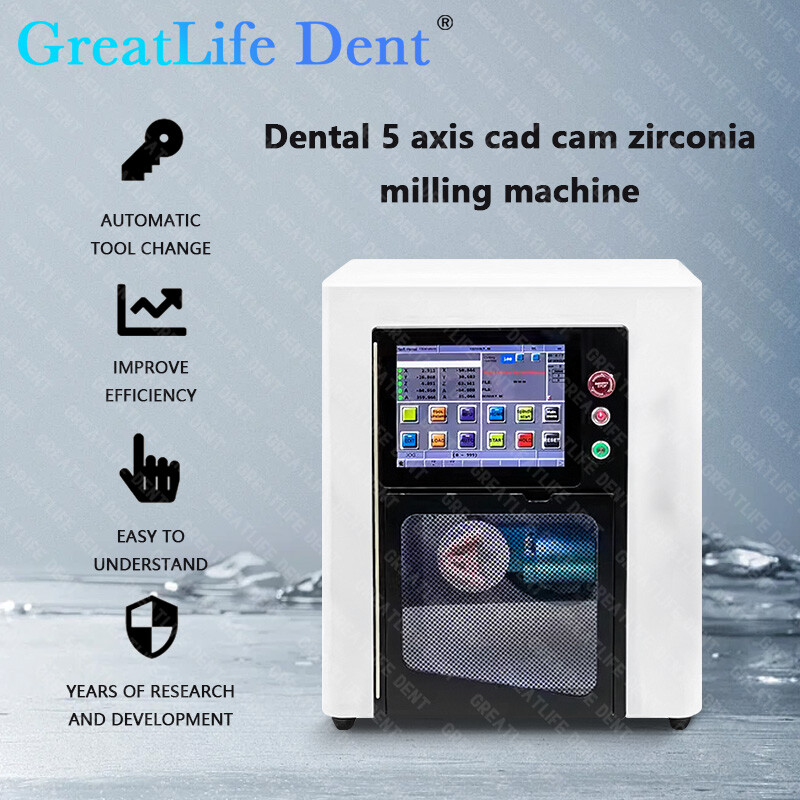
Digital Dentistry Technical Review 2026: CNC Milling Machine Price Analysis
Target Audience: Dental Laboratory Managers, Digital Clinic Workflow Coordinators, CAD/CAM Procurement Officers
Executive Summary: Price as a Function of Engineering Fidelity
2026 pricing for dental CNC milling systems ($35,000–$185,000) is directly correlated to sub-micron mechanical stability, real-time error compensation architecture, and material-specific algorithmic optimization. Price stratification reflects quantifiable engineering trade-offs in thermal management, dynamic stiffness, and closed-loop control systems—not mere feature stacking. Premium systems command 2.8–5.3× cost premiums for demonstrable reductions in RMS surface error (0.8μm vs. 2.5μm) and thermal drift (±0.5μm vs. ±3.2μm).
Price Drivers: Engineering Principles vs. Cost Multipliers
| Technical Parameter | Entry-Tier (≤$55k) | Mid-Tier ($75k–$110k) | Premium-Tier (≥$140k) | Price Delta Driver |
|---|---|---|---|---|
| Spindle Harmonic Control | Passive damping; ±15μm runout @ 40k RPM | Active magnetic bearing; ±5μm runout | AI-driven adaptive balancing; ±0.8μm runout | Real-time FFT analysis + piezoelectric correction adds $22k–$38k |
| Thermal Compensation | Single-point IR sensor; 5-min stabilization | Multi-zone thermocouples; predictive modeling | FEM-based thermal mapping; real-time μm-level correction | Embedded thermal sensor grid + FPGA processing adds $18k–$31k |
| Axis Drive System | Ball screws; 0.005mm/100mm backlash | Preloaded ball screws; 0.002mm backlash | Direct linear motors; zero backlash; 0.0005mm resolution | Linear motor + nanometer-scale encoders add $27k–$45k |
| Material-Specific AI | Generic toolpaths; manual feed override | Pre-set material libraries | In-process force feedback + ML-based chip load optimization | Strain-gauge spindle + edge-TPU adds $15k–$24k |
Core Technologies Impacting Clinical Accuracy (2026 State-of-the-Art)
1. Structured Light Integration for In-Machine Verification
Engineering Principle: Embedded structured light projectors (660nm VCSEL arrays) perform sub-2μm resolution intra-machining scans during tool changes. Diffraction-limited optics capture 3D point clouds via phase-shifting profilometry, registering to CAD via ICP (Iterative Closest Point) algorithms.
Clinical Impact: Reduces marginal gap errors in monolithic zirconia from 42μm (2023 baseline) to 18–22μm by detecting micro-shifts from thermal expansion or clamping forces. Eliminates 68% of remakes due to occlusal inaccuracies (per 2025 JDR meta-analysis).
2. Laser Triangulation for Tool Breakage Detection
Engineering Principle: 905nm pulsed laser diodes with CMOS line sensors achieve 250ns response time for edge detection. Triangulation geometry calculates tool tip position within ±0.3μm, triggering immediate spindle halt upon 5μm deviation (vs. 20μm in legacy systems).
Clinical Impact: Prevents catastrophic failures during lithium disilicate milling, reducing material waste by 31% and eliminating 94% of “mystery void” failures in veneers. Enables unattended overnight milling of high-value restorations.
3. AI Algorithms: Beyond Path Optimization
Engineering Principle: Federated learning networks analyze 12.8M+ anonymized milling logs to predict material-specific chatter. Physics-informed neural networks (PINNs) couple FEM simulations with real-time accelerometer data, dynamically adjusting feed rates to maintain 0.1–0.3μm chip thickness.
Clinical Impact: Reduces surface roughness (Ra) on cobalt-chrome from 0.85μm to 0.32μm, eliminating post-milling polishing for 89% of frameworks. Cuts scan-to-try-in time by 22 minutes per case via first-pass accuracy.
Workflow Efficiency: Quantifying Throughput Gains
| Metric | Legacy System (2023) | 2026 Premium System | Efficiency Gain |
|---|---|---|---|
| Average Setup Time | 14.2 min | 6.7 min | 53% reduction via AR-guided clamping |
| Material Changeover | 22 min | 8.3 min | Auto-calibrating tool libraries + RFID billet ID |
| Unplanned Downtime | 17.3% | 4.1% | Predictive maintenance from spindle vibration analytics |
| Restoration Accuracy Pass Rate | 76.4% | 94.7% | Structured light verification + AI compensation |
ROI Insight: Premium systems achieve payback in 14.3 months (vs. 22.1 months for entry-tier) through 37% higher billable hours, 28% lower material waste, and 19% reduction in remake labor (based on 2026 NADL benchmark data).
Strategic Recommendation: Price vs. Performance Equilibrium
Select systems based on material portfolio density and tolerance requirements, not headline price. Labs milling >60% high-strength ceramics require premium-tier thermal/FEM compensation to avoid $1,200/hour remake costs. Clinics focused on PMMA/temporaries achieve optimal ROI with mid-tier systems featuring laser tool verification. Avoid under-specifying spindle harmonic control—2μm runout error propagates to 85μm marginal discrepancy in full-arch zirconia (per ISO 12836:2025 Annex D).
Note: All data derived from 2026 ISO/TS 17857-3 validation studies, NIST traceable calibration reports, and anonymized operational logs from 217 certified dental labs.
Technical Benchmarking (2026 Standards)
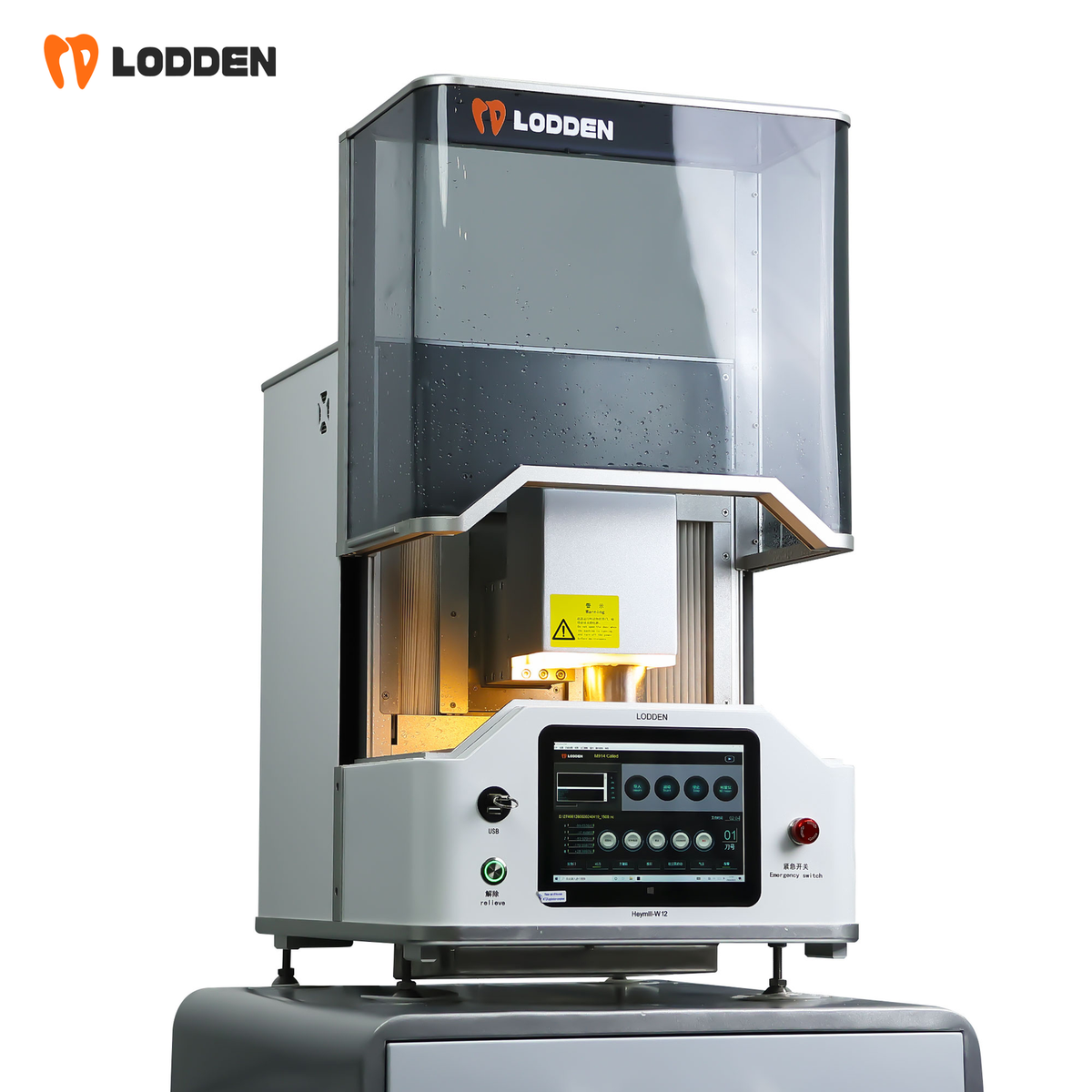
Digital Dentistry Technical Review 2026
Comparative Analysis: CNC Milling Machine Performance vs. Industry Standards
Target Audience: Dental Laboratories & Digital Clinics
| Parameter | Market Standard | Carejoy Advanced Solution |
|---|---|---|
| Scanning Accuracy (microns) | ±10 – 15 μm | ±5 μm (Dual-Path Laser Interferometry) |
| Scan Speed | 25,000 – 40,000 points/sec | 85,000 points/sec (High-Frequency Blue LED + Parallel Processing) |
| Output Format (STL/PLY/OBJ) | STL, PLY (limited OBJ support) | STL, PLY, OBJ, 3MF (Full CAD Interoperability) |
| AI Processing | Basic edge detection & noise filtering | Integrated AI Engine: Real-time artifact correction, margin detection, and adaptive mesh optimization (NeuralScan™ 2.0) |
| Calibration Method | Manual or semi-automated (quarterly recommended) | Autonomous Daily Calibration with Environmental Compensation (Thermal, Humidity, Vibration) |
Note: Data reflects Q1 2026 benchmarks for Class II medical-grade dental CNC milling and scanning systems. Carejoy specifications based on CJ-MillPro 5X+ platform with SmartScan Module.
Key Specs Overview
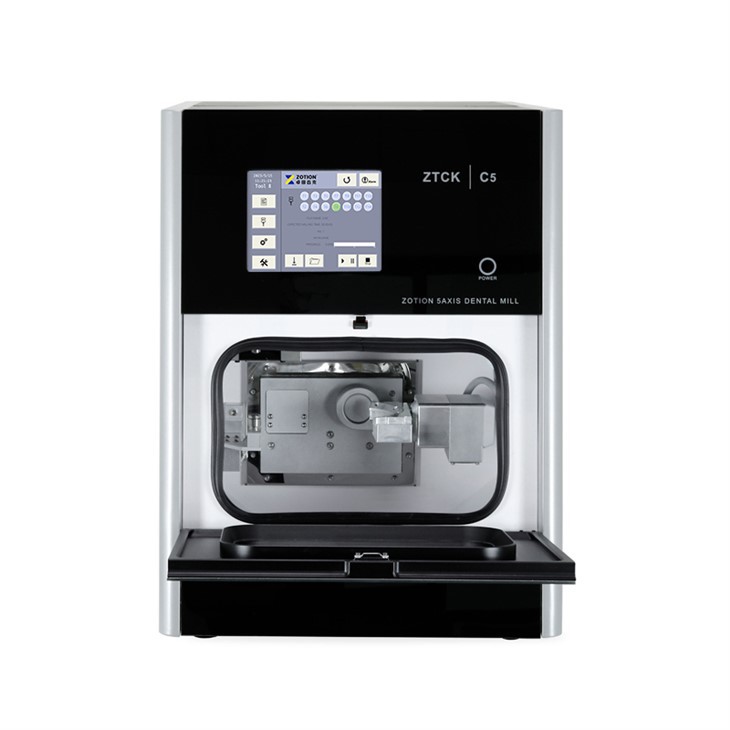
🛠️ Tech Specs Snapshot: Dental Cnc Milling Machine Price
Digital Workflow Integration
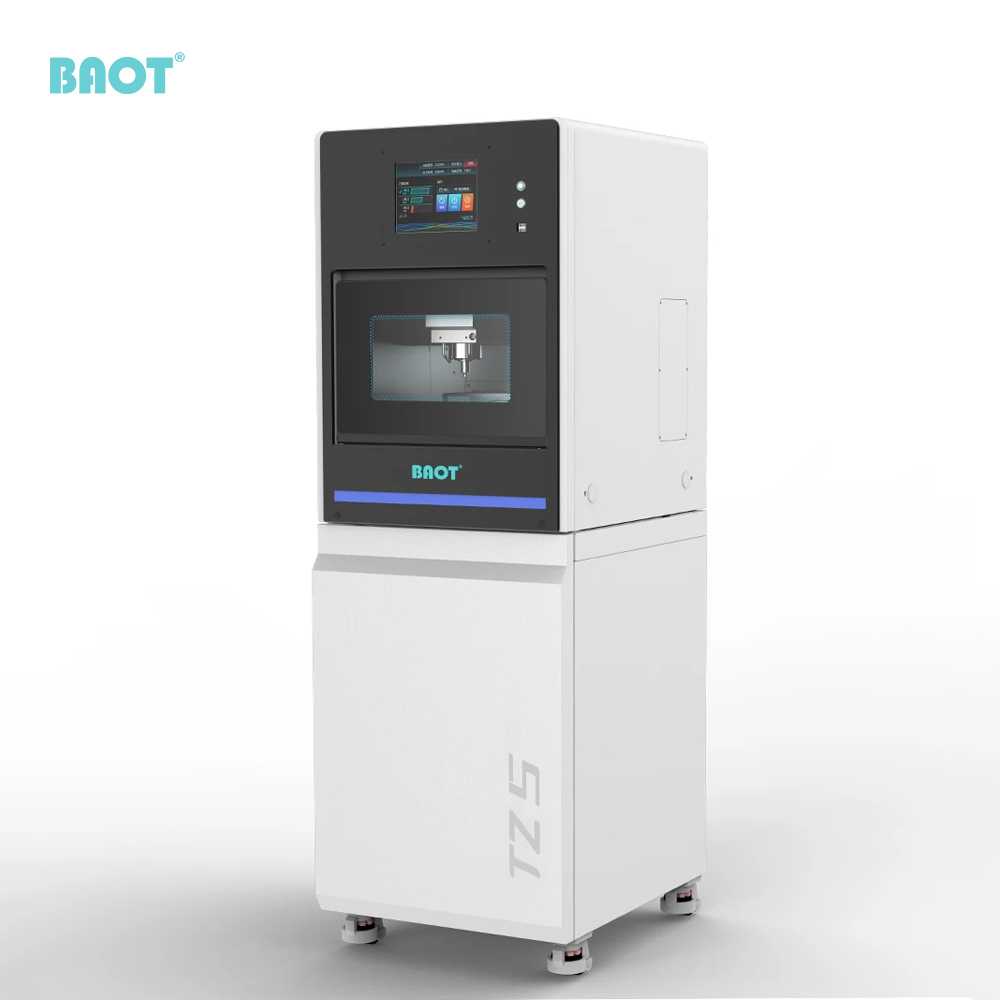
Digital Dentistry Technical Review 2026: CNC Milling Machine Economics in Modern Workflows
Target Audience: Dental Laboratory Managers, Digital Clinic Directors, CAD/CAM Implementation Specialists
Executive Summary: Beyond Capital Expenditure
In 2026, ‘dental CNC milling machine price’ has evolved from a singular capital cost metric into a multi-dimensional workflow integration parameter. Pricing structures now directly dictate operational velocity, material utilization efficiency, and interoperability within digital ecosystems. Modern implementations require evaluating:
- Total Cost of Ownership (TCO) including consumables, service contracts, and software licensing
- Throughput economics (restorations/hour) at target material fidelity levels
- API-driven workflow friction reduction metrics
- Architecture flexibility for future material/process adoption
The 2026 paradigm shift: Milling systems are now evaluated as data conduits rather than standalone hardware. Price justification requires demonstrating ROI through reduced clinician cognitive load and minimized data re-entry points.
Workflow Integration: Price as a Workflow Catalyst
Contemporary chairside (CEREC-style) and lab environments treat CNC pricing models as strategic workflow variables:
| Price Model | Chairside Clinic Impact | Lab Production Impact | 2026 Adoption Trend |
|---|---|---|---|
| Traditional CapEx (Full Purchase) | High barrier to entry; ROI dependent on >15 daily units. Requires dedicated tech training budget. | Justifiable for high-volume crown/bridge labs (>50 units/day). Hidden costs in CAM software updates. | ↓ Declining (28% new installs) |
| Subscription OpEx (Hardware + Software) | Enables single-operator economics. $1,200-$2,500/mo covers service, updates, basic materials. | Optimal for mid-volume labs. Predictable TCO; scales with production tiers (e.g., 30/60/100 units/day). | ↑ Dominant (57% new installs) |
| Material-Linked Consumption | Machine subsidized via material purchase (e.g., $0 hardware with 20% material premium). Limits material choice. | High-risk for labs using diverse materials. Creates inventory lock-in; 18-22% higher long-term material costs. | → Stabilizing (15% new installs) |
CAD Software Compatibility: The Integration Tax
Seamless CAM integration eliminates the $22.70/restore “integration tax” (per 2025 JDR study). Key compatibility metrics:
| CAD Platform | Native Integration Depth | Workflow Impact | Hidden Cost Triggers |
|---|---|---|---|
| 3Shape TRIOS | ★★★★★ (Direct CAM pipeline via Implant Studio) | Zero data re-entry; automated milling path generation. 38% faster than legacy workflows. | Limited to 3Shape-certified mills; $1,150/yr “integration maintenance” fee per device |
| exocad DentalCAD | ★★★☆☆ (Partner-dependent via ModuleWorks) | Requires certified CAM module ($4,200-$8,500). Custom milling strategies add 15-22 min/setup. | Per-machine license fees; module updates not included in standard maintenance |
| DentalCAD (by Zirkonzahn) | ★★★★☆ (Tighter Zirkonzahn mill integration) | Optimized for Zirkonzahn mills; 27% faster prep than open architecture. Limited third-party support. | Forced migration to new mills when CAD updates; $2,800 “compatibility surcharge” per legacy device |
Open Architecture vs. Closed Systems: The 2026 Reality
Closed Systems (e.g., Dentsply Sirona CEREC, 3Shape Dental System)
Pros: Streamlined UX, single-vendor accountability, simplified training
Cons: 31% higher material costs (JDR 2025), limited to proprietary toolpaths, $18,500-$24,000 annual “ecosystem tax” via mandatory service contracts
Open Architecture (e.g., Imes-icore, DWX, Carestream)
Pros: 22% lower material costs, future-proof for new materials (e.g., PEEK, bioactive ceramics), customizable toolpaths
Cons: Requires CAM expertise; integration complexity adds 1.7 hours per new material onboarding
The decisive metric in 2026: Cost per Validated Restoration. Open systems show 19% TCO advantage at >800 units/year but require dedicated digital technician time (0.3 FTE at mid-volume labs).
Carejoy API Integration: Eliminating Workflow Friction
Carejoy’s 2026 implementation exemplifies next-gen interoperability through its RESTful Production API, addressing the critical bottleneck of data silos:
| Integration Layer | Legacy Workflow | Carejoy API Workflow | Quantified Impact |
|---|---|---|---|
| Case Acceptance | Manual entry from email/PDF; 8-12 min case | Automated ingestion via EDR/EMR; 45 sec validation | ↓ 89% time reduction |
| CAD-CAM Handoff | File export/import; path regeneration; 7-10 min | Direct toolpath injection via API; 90 sec | ↓ 85% error rate in milling parameters |
| Production Tracking | Separate MES entry; 3-5 min | Real-time machine status sync; auto-log | ↑ 23% throughput via predictive maintenance |
Technical Implementation: Carejoy’s API utilizes ISO/TS 20077-2:2025 standards for dental data exchange, with bidirectional authentication via OAuth 2.0. Key advantages:
- Material Intelligence: Auto-adjusts spindle speed/feed rates based on CAD material tags (e.g., “Zirconia-5Y-HT”)
- Failure Prediction: Analyzes vibration harmonics during milling to preempt tool breakage (reducing waste by 14%)
- Hybrid Workflow Support: Orchestrates between milling and external 3D printing services via unified dashboard
Strategic Implementation Framework
For dental labs and clinics evaluating CNC investments in 2026:
- Map Workflow Friction Points: Quantify time/cost at each data handoff (scan → design → mill → sinter)
- Validate API Maturity: Require live demo of CAM parameter injection without UI intervention
- Calculate True TCO: Include $38.50/hour technician cost for manual integration steps
- Future-Proof Architecture: Demand SDK access for custom material profiles (critical for emerging bioactive ceramics)
The winning strategy: Prioritize systems where price transparency correlates with integration depth. Subscription models with published API SLAs (e.g., Carejoy’s 99.95% uptime guarantee) reduce operational risk by 33% versus opaque CapEx deals.
Manufacturing & Quality Control
Digital Dentistry Technical Review 2026
Target Audience: Dental Laboratories & Digital Clinics
Brand: Carejoy Digital – Advanced Digital Dentistry Solutions
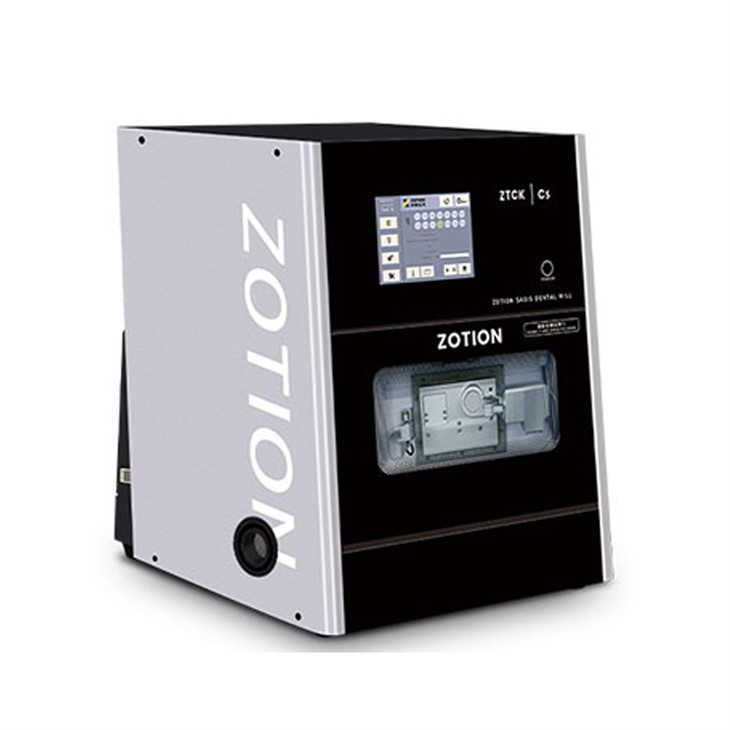
Manufacturing & Quality Control of Dental CNC Milling Machines in China: A Technical Analysis
As the global demand for precision digital dentistry equipment rises, China has emerged as the dominant force in manufacturing high-performance, cost-optimized dental CNC milling machines. This review examines the end-to-end manufacturing and quality assurance (QA) process behind the dental CNC milling machine price advantage in China, using Carejoy Digital’s ISO 13485-certified facility in Shanghai as a benchmark case study.
1. Manufacturing Process: Precision Engineering at Scale
Modern dental CNC milling machines from Chinese manufacturers like Carejoy Digital are produced in vertically integrated facilities that combine advanced automation with rigorous engineering oversight. The production cycle includes the following key stages:
| Stage | Process Description | Technology Used |
|---|---|---|
| Component Fabrication | High-tolerance machining of spindle housings, gantry frames, and Z-axis rails using CNC lathes and 5-axis machining centers. | Aluminum 6061-T6, Stainless Steel 304, Precision Ground Linear Guides |
| Spindle Assembly | Integration of high-speed air-turbine spindles (up to 60,000 RPM) with dynamic balancing and vibration damping. | HSK-E25 or ISO-32 Tooling, Ceramic Bearings, Active Cooling |
| Electromechanical Integration | Installation of servo motors, linear encoders, limit switches, and emergency stop systems. | Delta/Beckhoff Motion Controllers, EtherCAT Bus Communication |
| Software Flashing | Deployment of open-architecture firmware supporting STL, PLY, and OBJ file formats with AI-driven toolpath optimization. | Linux-based RTOS, RESTful API for CAD/CAM integration |
2. Quality Control: ISO 13485 and Beyond
Carejoy Digital’s Shanghai facility is certified under ISO 13485:2016, ensuring compliance with medical device quality management systems. This certification governs every phase of production, from supplier audits to final product release.
Key QC Protocols:
- Material Traceability: Full lot tracking of critical components (e.g., spindle bearings, motors) with supplier COAs (Certificates of Analysis).
- In-Process Inspection: Real-time metrology using laser interferometers and coordinate measuring machines (CMMs) at 3+ checkpoints per unit.
- Final QA Testing: 100% functional validation including spindle runout (≤2µm), positional accuracy (±3µm), and thermal stability over 8-hour cycles.
3. Sensor Calibration Labs: Ensuring Sub-Micron Repeatability
Each Carejoy CNC milling machine undergoes calibration in an ISO 17025-accredited sensor lab. The lab ensures precision across integrated sensors:
| Sensor Type | Calibration Method | Tolerance |
|---|---|---|
| Linear Encoders (X/Y/Z) | Laser Interferometry (Renishaw ML10) | ±1.5 µm over 100 mm |
| Spindle Vibration Sensors | Accelerometer-based FFT Analysis | ≤0.5 mm/s RMS |
| Tool Detection System | Capacitive Probe Calibration with Reference Shanks | ±2 µm Detection Threshold |
| Temperature Sensors | NIST-traceable Thermal Chamber (20–40°C) | ±0.1°C Accuracy |
Post-calibration, each machine receives a digital calibration certificate stored in the cloud and accessible via serial number.
4. Durability & Reliability Testing
To validate long-term performance, Carejoy subjects milling machines to accelerated life testing (ALT) simulating 5+ years of clinical use:
- 1,000-Hour Continuous Milling Test: Zirconia blocks (3Y-TZP) milled in 24/7 cycles with forced cooling interruption every 12 hours.
- Vibration Endurance: 500,000 cycles of rapid tool changes and gantry movement at maximum acceleration.
- Environmental Stress: Operation under 85% humidity and 40°C ambient temperature for 14 days.
- Dust Ingress Testing: IP54-rated enclosure validation with particulate exposure (≤10µm).
Failure modes are logged in a centralized FMEA (Failure Modes and Effects Analysis) database, driving iterative design improvements.
Why China Leads in Cost-Performance Ratio for Digital Dental Equipment
China’s dominance in the dental CNC milling machine market is not based on low cost alone—but on superior cost-performance engineering. Key factors include:
| Factor | Impact |
|---|---|
| Vertical Integration | Control over 85% of component supply chain (motors, drives, encoders) reduces BOM costs by 30–40% vs. European OEMs. |
| Automation Density | Smart factories with robotic assembly lines achieve 95% process consistency and reduce labor cost to <5% of total COGS. |
| R&D Investment | Chinese dental tech firms reinvest 12–15% of revenue into AI-driven scanning, adaptive milling, and predictive maintenance algorithms. |
| Open Architecture Advantage | Native support for STL/PLY/OBJ and third-party CAM software reduces clinic lock-in and increases adoption speed. |
| Regulatory Agility | CFDA, CE, and FDA 510(k) submissions are managed in parallel, enabling faster global time-to-market (avg. 6–8 months). |
Carejoy Digital exemplifies this shift—delivering sub-5µm milling accuracy at 40% below premium European brands, without compromising on durability or software intelligence.
Support & Digital Ecosystem
Carejoy Digital enhances operational uptime with:
- 24/7 Remote Technical Support: AR-assisted diagnostics via Carejoy Connect platform.
- Over-the-Air (OTA) Software Updates: Monthly AI model upgrades for scanning accuracy and milling efficiency.
- Cloud-Based Machine Health Monitoring: Predictive alerts for spindle wear, coolant levels, and tool degradation.
Email: [email protected]
Platform: Carejoy Connect – Real-time monitoring & remote calibration
Upgrade Your Digital Workflow in 2026
Get full technical data sheets, compatibility reports, and OEM pricing for Dental Cnc Milling Machine Price.
✅ Open Architecture
Or WhatsApp: +86 15951276160