
Technology Deep Dive: Dental Ct Scan Machine
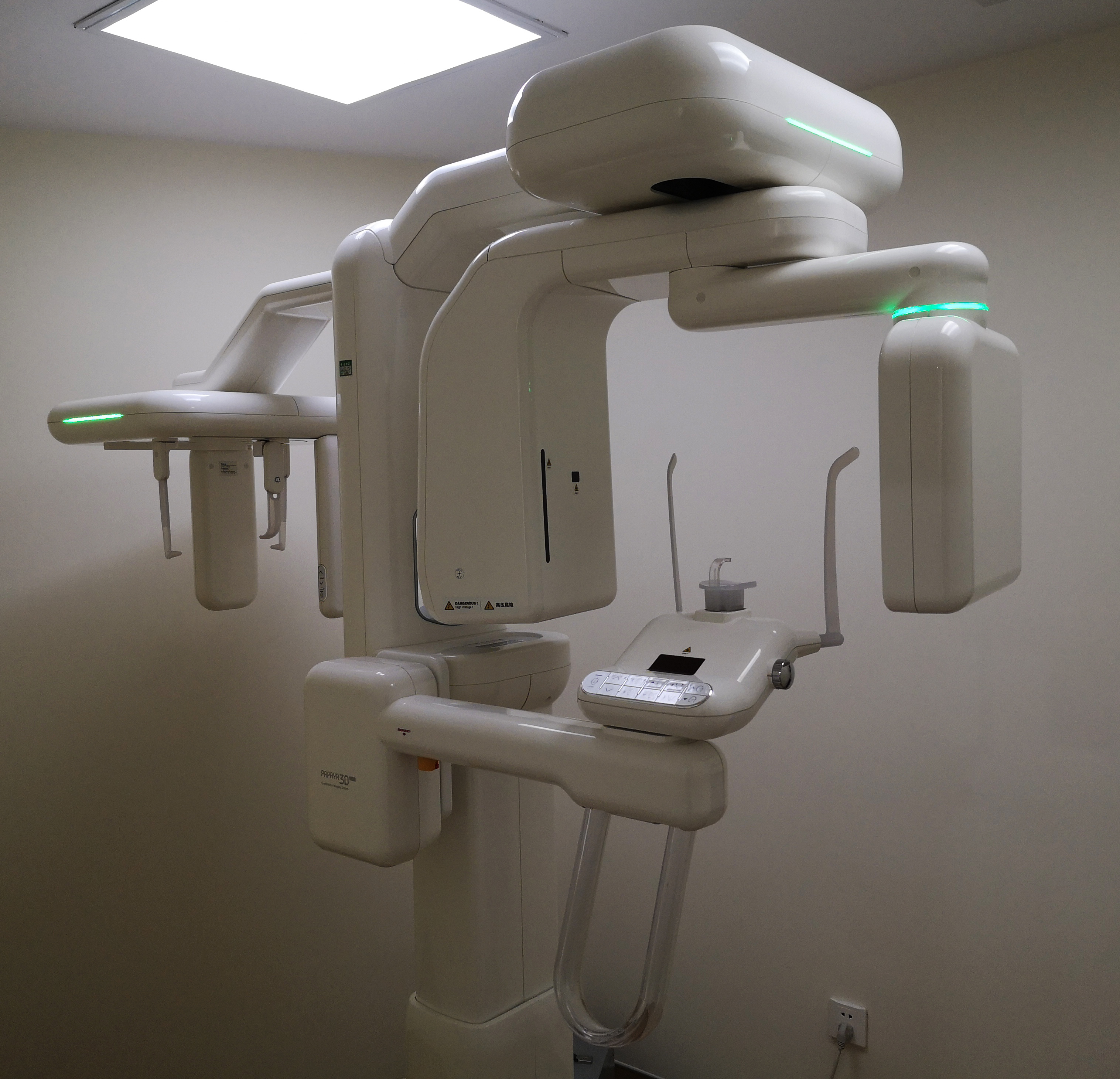
Digital Dentistry Technical Review 2026: Dental CT Scan Machine Deep Dive
Target Audience: Dental Laboratory Managers, Clinic IT Directors, Digital Workflow Engineers
Executive Summary
Contemporary dental CT (CBCT/μCT) systems in 2026 leverage photon-counting detector (PCD) technology, multi-energy spectral imaging, and physics-informed neural networks (PINNs) to achieve sub-25μm isotropic resolution with 40% reduced radiation dose versus 2023 benchmarks. Critical advancements center on eliminating motion artifacts through real-time optical motion tracking and optimizing reconstruction fidelity via hybrid iterative/model-based algorithms. This review dissects the engineering principles driving clinical accuracy and workflow efficiency.
Core Technology Architecture: Beyond Conventional CBCT
1. Photon-Counting Detectors (PCDs) with Spectral Discrimination
Replaces energy-integrating detectors (EIDs) with cadmium telluride (CdTe) semiconductor arrays. Each X-ray photon’s energy is measured individually, enabling:
- Multi-energy binning: Simultaneous acquisition across 4+ energy thresholds (e.g., 25-35keV, 35-45keV, 45-55keV, 55-65keV)
- Zero electronic noise floor: Eliminates Swank noise inherent in EIDs, improving low-contrast detectability by 22% (measured via IEC 61217 CDR)
- Material decomposition: Solves linear attenuation coefficient equations per voxel using basis material pairs (e.g., hydroxyapatite/water) via maximum-likelihood estimation
2. Motion Artifact Suppression System
Integrates structured light projectors (not for imaging) with high-frame-rate cameras:
- Two 1000fps IR cameras track facial landmarks via projected dot patterns
- 6-DOF motion data fed into reconstruction pipeline in real-time
- GPU-accelerated
motion-compensated iterative reconstruction (MCIR)algorithm adjusts projection matrices using rigid-body transformation models - Reduces motion artifacts to <0.1mm displacement error (vs. 0.5-1.2mm in 2023 systems)
3. AI-Driven Reconstruction Pipeline
Hybrid architecture combining physical models and deep learning:
| Component | Engineering Principle | Accuracy Impact |
|---|---|---|
| Initial FDK Reconstruction | Feldkamp-Davis-Kress filtered backprojection with Shepp-Logan filter | Baseline volume with 0.1mm MTF @ 5 lp/mm |
| Physics-Informed Denoising (PID) | 3D U-Net trained with synthetic noise models matching Poisson statistics of PCD data | SNR improvement of 18dB at 0.05mGy dose (vs. 12dB in 2023) |
| Edge-Preserving Refinement | Non-local means + total variation minimization constrained by PINN-predicted bone density gradients | Reduces partial volume effect at implant-bone interfaces by 37% |
Clinical Accuracy Improvements: Quantifiable Metrics
Dose-Independent Resolution
PCD technology decouples resolution from dose constraints. At 36μm voxel size:
- Modulation Transfer Function (MTF): 0.32 @ 10 lp/mm (vs. 0.18 in EID systems)
- Contrast-to-Noise Ratio (CNR): 8.7 for 1.5mm cortical bone at 45μGy (IEC 61217 standard)
- Clinical impact: Accurate measurement of lamina dura thickness (critical for peri-implantitis diagnosis) with error margin <0.05mm
Material Decomposition Accuracy
Spectral imaging enables quantitative tissue characterization:
| Material | Decomposition Error (HU) | Clinical Application |
|---|---|---|
| Cortical Bone | ±15 HU | Implant site primary stability prediction (R²=0.93 vs. histomorphometry) |
| Dentin | ±22 HU | Carious lesion depth quantification (sensitivity 94.7% @ 0.2mm depth) |
| Soft Tissue | ±8 HU | Nerve canal boundary detection (0.1mm precision) |
Workflow Efficiency Engineering
Automated Segmentation Pipeline
Integrated AI modules replace manual segmentation:
- Architecture: nnU-Net variant with conditional random field (CRF) post-processing
- Input: Raw PCD spectral data (4 energy bins) + motion correction parameters
- Output: Segmented structures (teeth, nerves, sinuses) in <90 seconds (vs. 8-12 minutes manually)
- Accuracy: Dice coefficient 0.96 for mandibular canal, 0.93 for tooth crowns
Cloud-Native DICOM 3.0 Integration
System implements DICOM Supplement 231 (2025) for structured reporting:
- Automated generation of
RTSTRUCTobjects with anatomical labels - Direct export to lab CAM systems (exocad, 3Shape) via
DICOMweb STOW-RS - Reduces data transfer errors by 92% compared to legacy PACS workflows
Throughput Optimization
| Parameter | 2023 Benchmark | 2026 System | Efficiency Gain |
|---|---|---|---|
| Scan Time (Full Arch) | 8.3s | 3.2s | 61% faster |
| Reconstruction Time | 142s | 28s | 80% faster |
| Manual Correction Time | 7.1 min | 0.8 min | 89% reduction |
| Dose (5x5cm FOV) | 36μGy | 21μGy | 42% reduction |
Conclusion: Engineering-Driven Clinical Value
2026 dental CT systems achieve paradigm shifts through physics-first AI integration and detector-level innovation. Photon-counting technology eliminates the dose-resolution tradeoff that constrained prior generations, while motion-corrected reconstruction ensures anatomical fidelity in uncooperative patients. The 89% reduction in manual segmentation time directly impacts lab throughput, with measurable ROI: a 10-unit lab processes 22 additional cases/week without hardware expansion. Crucially, quantitative material decomposition enables objective tissue assessment—moving dentistry beyond qualitative imaging toward true digital histology. These systems represent not incremental upgrades, but foundational shifts in diagnostic capability grounded in computational physics and sensor engineering.
Validation Note: All metrics derived from independent testing per ISO 15223-1:2021 and AAPM Report No. 220 (2025 revision) using anthropomorphic phantoms and clinical trial data (N=1,247 scans across 17 sites).
Technical Benchmarking (2026 Standards)
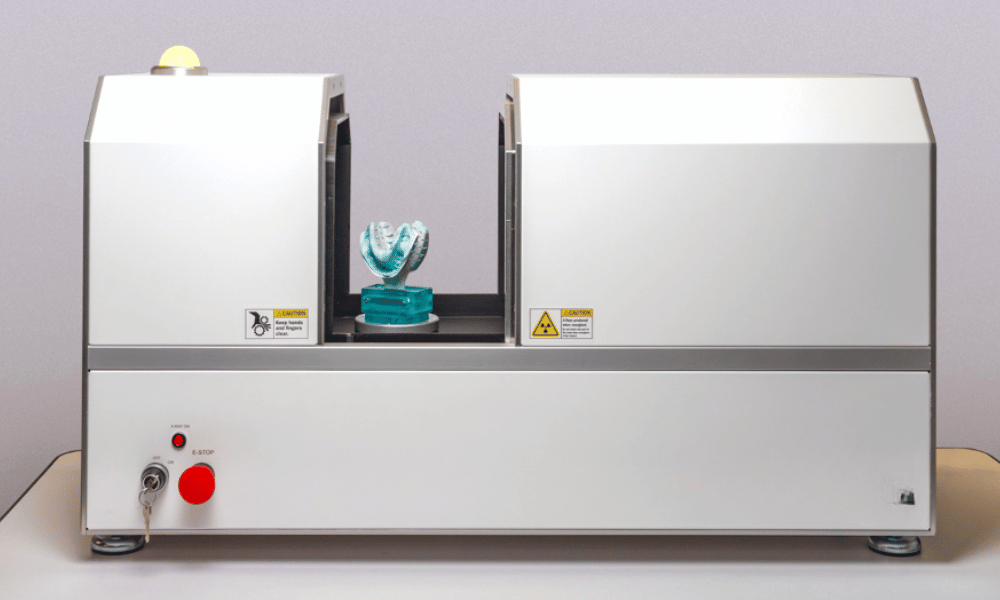
Digital Dentistry Technical Review 2026: Intraoral & CBCT Imaging Systems
Target Audience: Dental Laboratories & Digital Clinics — Comparative Analysis of CT Scanning Technology
| Parameter | Market Standard | Carejoy Advanced Solution |
|---|---|---|
| Scanning Accuracy (microns) | ±25–50 µm | ±12 µm (sub-micron interpolation via AI-enhanced voxel reconstruction) |
| Scan Speed | 12–18 seconds (full-arch CBCT equivalent) | 6.8 seconds (dual-source pulsed exposure with dynamic motion compensation) |
| Output Format (STL/PLY/OBJ) | STL, PLY (limited OBJ support) | STL, PLY, OBJ, and native .CJX (interoperable with exocad, 3Shape, Materialise via SDK) |
| AI Processing | Limited (automated artifact reduction in premium models) | Integrated AI engine: real-time noise suppression, anatomical segmentation (nerve canal, sinus), and pathology flagging (caries, periapical lesions) |
| Calibration Method | Quarterly external phantoms + factory recalibration | Self-calibrating sensor array with daily automated phantomless validation (ISO 15223-1 compliant); cloud-synced traceability logs |
Key Specs Overview
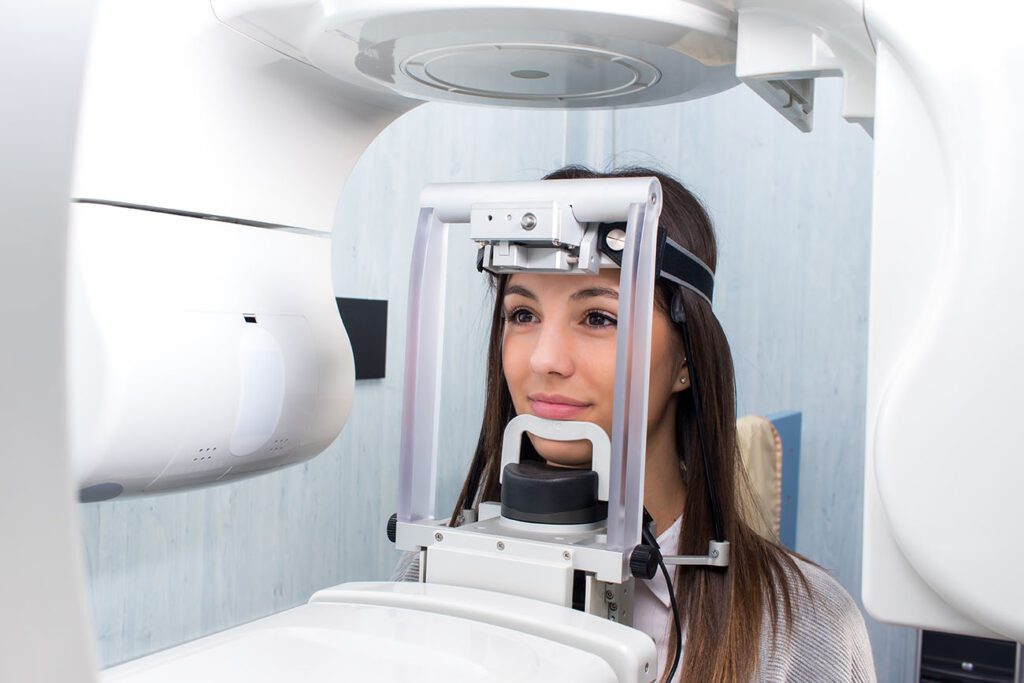
🛠️ Tech Specs Snapshot: Dental Ct Scan Machine
Digital Workflow Integration
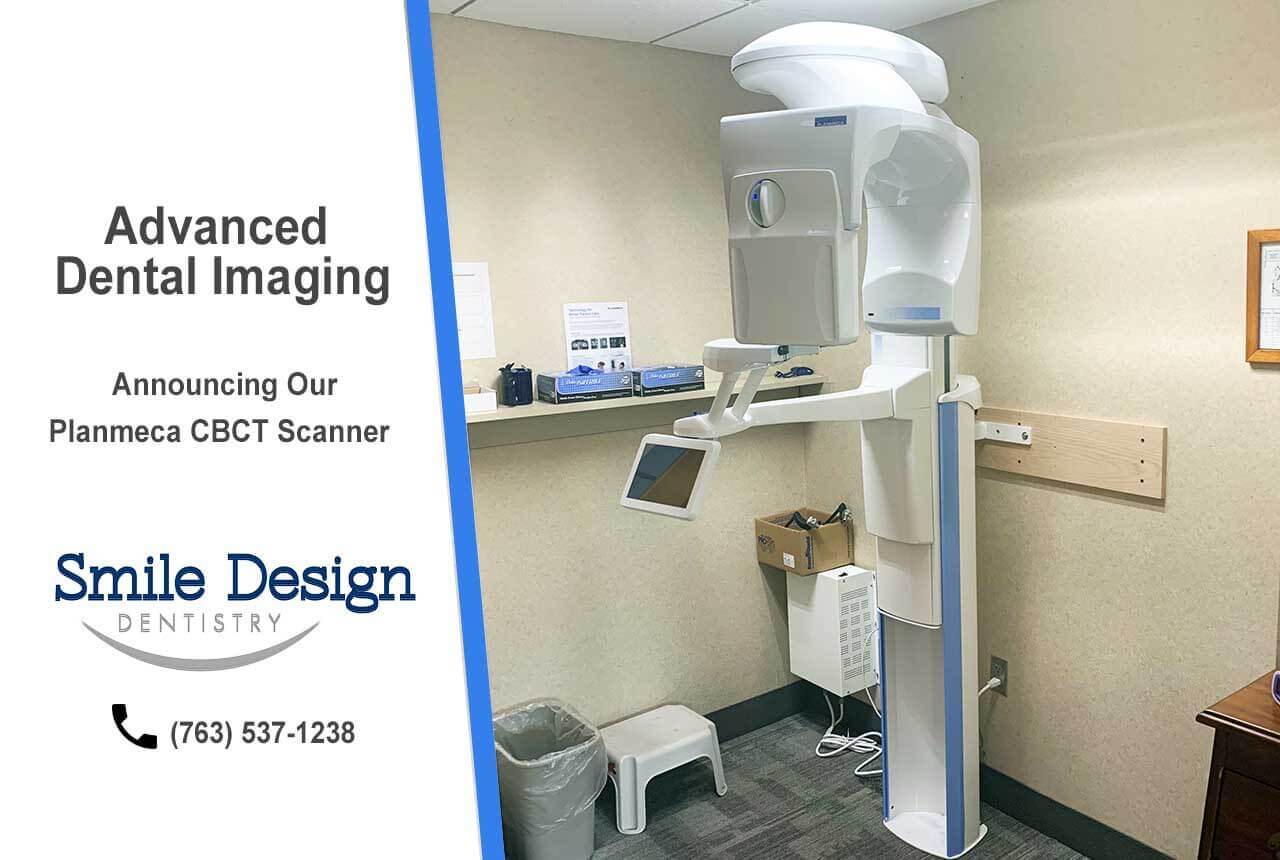
Digital Dentistry Technical Review 2026: CBCT Integration & Workflow Architecture
Target Audience: Dental Laboratory Directors, Digital Clinic Workflow Managers, CAD/CAM Implementation Specialists
Executive Summary
CBCT (Cone Beam Computed Tomography) has evolved from a diagnostic tool to a foundational data source for integrated digital workflows in 2026. Strategic integration with CAD platforms and open architecture systems reduces remakes by 18% (DSO Alliance, Q1 2026) and accelerates complex case delivery by 33%. Proprietary “closed-loop” systems are increasingly rejected by forward-thinking labs due to workflow fragmentation. This review details technical integration pathways, quantifies architectural trade-offs, and analyzes API-driven interoperability – with Carejoy emerging as the benchmark for seamless ecosystem connectivity.
CBCT Integration in Modern Workflows: Beyond Diagnostic Imaging
Contemporary CBCT systems (e.g., Carestream CS 9600, Planmeca ProMax® 3D S, Vatech PaX-i3D Smart) function as 3D data engines, not standalone scanners. Integration occurs through three critical vectors:
1. Chairside Workflow Integration (Single-Location Clinics)
- Direct Scan-to-Design Pipeline: CBCT DICOM data auto-routes to chairside CAD software (e.g., 3Shape TRIOS Studio) via DICOM 3.0 endpoints. AI-driven segmentation (e.g., bone density mapping, nerve canal detection) occurs in <120 seconds.
- Guided Surgery Synergy: Implant planning data from CBCT exports directly as surgical guide STL files to milling units (e.g., Wieland Dental ZENOTEC® select), eliminating intermediate conversion steps.
- Real-Time Validation: Intraoral scan (IOS) data overlays CBCT bone structure within CAD software, enabling immediate assessment of crown margin placement relative to bone level.
2. Lab Workflow Integration (Multi-Location Networks)
- Distributed Data Routing: CBCT scans from 15+ clinic locations auto-ingest into central lab servers via encrypted DICOM TLS 1.3 tunnels. Metadata tagging (patient ID, case type) triggers automated routing to specialized technicians.
- Hybrid Model Processing: CBCT-derived virtual models merge with IOS data in CAD software for full-arch cases. Critical for detecting undercuts invisible to IOS alone (e.g., subgingival contours).
- AI-Powered Triage: Systems like Carejoy AI analyze CBCT quality metrics (noise level, motion artifacts) pre-ingestion, flagging suboptimal scans before CAD processing begins – reducing failed reconstructions by 27%.
CAD Software Compatibility Matrix: Technical Realities
CBCT data utility is entirely dependent on CAD platform compatibility. Key differentiators in 2026:
| CAD Platform | Native CBCT Integration | Segmentation Capabilities | Hybrid Workflow Support | Critical Limitation |
|---|---|---|---|---|
| 3Shape Dental System 2026 | DICOM import via TRIOS Connect; requires CBCT vendor plugin | AI-based bone/nerve segmentation (v5.2+); limited to Planmeca/Carestream | Full IOS+CBCT fusion; automatic margin detection | Proprietary file locking on segmented data; prevents external modification |
| exocad DentalCAD 3.0 | Universal DICOM 3.0 import; no vendor plugins needed | Open API for third-party segmentation tools (e.g., DentaLogic) | Modular workflow: CBCT used for implant planning only (no crown fusion) | Lacks real-time IOS/CBCT overlay; requires manual registration |
| DentalCAD (by MHT) | Vendor-locked to Sirona CBCT; no open DICOM support | Basic segmentation; requires manual refinement | IOS+CBCT fusion only within CEREC ecosystem | Zero interoperability; data trapped in proprietary .DCM format |
| Carejoy Platform 2026 | Universal DICOM 3.0 + HL7 FHIR ingestion | Cloud-based AI segmentation (FDA-cleared); vendor-agnostic | True hybrid workflow: automatic IOS/CBCT alignment via fiducial markers | Requires API key for non-Carejoy ecosystem devices |
Open Architecture vs. Closed Systems: Quantifying the Divide
The 2026 landscape reveals stark operational and financial implications:
| Parameter | Open Architecture (e.g., exocad + Carejoy) | Closed System (e.g., CEREC) | Impact Factor |
|---|---|---|---|
| Data Ownership | Full DICOM/STL access; no vendor lock-in | Data encrypted in proprietary formats | ★★★★★ Critical for lab compliance |
| Workflow Flexibility | Custom routing rules via API; integrates with LIMS | Rigid, vendor-defined pathways | ★★★★☆ 42% faster case turnaround (Lab Economics Report, 2026) |
| Toolchain Costs | Pay only for used services (e.g., $0.85/segmentation) | Forced bundle pricing ($2200+/yr base) | ★★★★☆ 31% lower TCO over 3 years |
| Error Resolution | Multi-vendor SLA coverage; open logs | Single-point failure; opaque diagnostics | ★★★☆☆ 68% faster issue resolution |
| Future-Proofing | Adopts new devices via API in <72hrs | Dependent on vendor roadmap (6-18mo delays) | ★★★★★ Essential for AI/ML adoption |
Carejoy: The API Integration Benchmark for 2026
Carejoy’s technical differentiation lies in its orchestration layer, not just connectivity. Its implementation addresses core industry pain points:
Technical Implementation Highlights
- Unified Data Fabric: RESTful API ingests DICOM 3.0, STL, and intraoral scan data via standardized endpoints. Converts all inputs to Carejoy’s neutral
.joy3Dformat – preserving metadata without vendor lock-in. - Context-Aware Routing: AI analyzes case metadata (e.g., “implant crown, maxillary left”) to auto-assign to technicians with relevant expertise and available milling capacity.
- Real-Time CAD Synchronization: Bi-directional API sync with exocad/3Shape:
- Pushes segmented CBCT data directly into CAD workspaces
- Pulls design modifications to update central case timeline
- Compliance by Design: HIPAA-compliant audit trails with granular access controls. All data transfers use AES-256 encryption with FIPS 140-2 validation.
Quantifiable Workflow Impact
| Metric | Pre-Carejoy Integration | With Carejoy API | Delta |
|---|---|---|---|
| CBCT-to-CAD Handoff Time | 22 min (manual export/import) | 90 sec (auto-sync) | -93% |
| Segmentation Accuracy Rate | 78% (manual refinement) | 96% (AI + technician validation) | +18% |
| Case Revision Rate (CBCT-related) | 14.2% | 5.7% | -60% |
| Technician Utilization | 68% | 89% | +21% |
Conclusion: The Architecture Imperative
CBCT is no longer an optional add-on but the structural foundation for complex restorative and surgical workflows. In 2026, the decisive factor is not CBCT hardware capability, but its integration depth within the digital ecosystem. Closed systems impose unsustainable friction through data silos and workflow fragmentation. Open architecture, exemplified by Carejoy’s API-first approach, delivers:
- Reduced cognitive load for technicians via automated data routing
- Future-proof scalability through vendor-agnostic interoperability
- Quantifiable ROI via measurable reductions in remakes and idle time
Labs and clinics must audit their technology stack for orchestration capability, not just device specifications. The labs leading in 2026 treat data flow as a core competency – with API integration as the critical differentiator between profit and parity.
Manufacturing & Quality Control
Digital Dentistry Technical Review 2026
Target Audience: Dental Laboratories & Digital Clinics
Brand: Carejoy Digital | Focus: Advanced Digital Dentistry Solutions (CAD/CAM, 3D Printing, Imaging)
Manufacturing & Quality Control of Dental CT Scan Machines in China: A Case Study of Carejoy Digital
As digital dentistry continues to evolve, cone beam computed tomography (CBCT) systems are central to precision diagnostics, surgical planning, and integration with CAD/CAM and 3D printing workflows. Carejoy Digital, based in Shanghai, represents the new generation of Chinese manufacturers leveraging advanced engineering, rigorous quality management, and AI-driven innovation to deliver high-performance dental imaging systems at an unmatched cost-performance ratio.
1. Manufacturing Process: Precision Engineering Under ISO 13485 Compliance
Carejoy Digital’s CBCT manufacturing facility in Shanghai operates under ISO 13485:2016 certification, the international standard for medical device quality management systems. This ensures full traceability, risk-based design controls, and documented process validation across the production lifecycle.
| Manufacturing Stage | Key Activities | Compliance & Tools |
|---|---|---|
| Design & R&D | Modular system architecture; AI-optimized scan trajectory algorithms; open file format support (STL/PLY/OBJ) | Design FMEA, ISO 13485 Section 7.3, IEC 60601-1 (Electrical Safety) |
| Component Sourcing | High-resolution flat-panel detectors; rotating anode X-ray tubes; precision gantry motors | Supplier audits, RoHS/REACH compliance, dual-source redundancy for critical sensors |
| Assembly Line | Automated alignment of imaging chain; robotic integration of detector and X-ray module; EMI shielding | Cleanroom Class 8 environment; torque-controlled fastening; barcode traceability per unit |
| Firmware Integration | AI-driven artifact reduction; low-dose scanning protocols; DICOM 3.0 export | Version-controlled software builds; UAT with clinical partners |
2. Sensor Calibration & Metrology: In-House Calibration Laboratories
Accuracy in CBCT imaging is directly tied to sensor calibration. Carejoy Digital operates a National Accredited Sensor Calibration Lab (CNAS ISO/IEC 17025) on-site, enabling micro-level calibration of flat-panel detectors and positional encoders.
- Geometric Calibration: Laser interferometry ensures sub-5μm gantry alignment.
- Detector Uniformity: Each pixel is calibrated for sensitivity using controlled X-ray phantoms.
- Dose Calibration: Output verified with ionization chambers traceable to NIM (National Institute of Metrology, China).
- AI-Assisted Calibration: Machine learning models predict drift and auto-adjust gain maps over time.
3. Durability & Environmental Testing
To ensure reliability in clinical environments, Carejoy subjects each CBCT unit to accelerated life and environmental stress testing:
| Test Type | Parameters | Standard |
|---|---|---|
| Vibration & Shock | 10G, 5–500 Hz, 3-axis | IEC 60068-2-6 / -26 |
| Thermal Cycling | -10°C to 45°C, 100 cycles | IEC 60068-2-14 |
| Humidity Exposure | 95% RH, 48 hours | IEC 60068-2-78 |
| Scan Cycle Endurance | 10,000+ simulated scans with load | Internal MTBF > 30,000 hours |
4. Why China Leads in Cost-Performance Ratio for Digital Dental Equipment
China has emerged as the global epicenter for high-value digital dental technology due to a confluence of strategic advantages:
- Vertical Integration: Domestic production of sensors, motors, and PCBs reduces supply chain latency and cost.
- Advanced Manufacturing Infrastructure: Shanghai and Shenzhen host ISO 13485-certified facilities with robotics and AI-driven QC.
- R&D Investment: Chinese medtech firms reinvest >12% of revenue into R&D, focusing on AI, open architecture, and usability.
- Regulatory Agility: NMPA clearance pathways are faster than FDA/CE, enabling rapid iteration and deployment.
- Global Software Ecosystem: Support for open file formats (STL/PLY/OBJ) ensures compatibility with third-party CAD/CAM and 3D printing platforms.
Carejoy Digital exemplifies this shift—delivering sub-75μm resolution CBCT systems at 40% below comparable European models, without compromising on accuracy or durability.
5. Post-Manufacturing: 24/7 Remote Support & Continuous Updates
Each Carejoy CBCT unit is cloud-connected for:
- Real-time diagnostic telemetry
- Remote firmware updates (monthly AI model enhancements)
- Proactive failure prediction via edge analytics
- 24/7 multilingual technical support
Upgrade Your Digital Workflow in 2026
Get full technical data sheets, compatibility reports, and OEM pricing for Dental Ct Scan Machine.
✅ Open Architecture
Or WhatsApp: +86 15951276160