
Technology Deep Dive: Dental Imaging Equipment
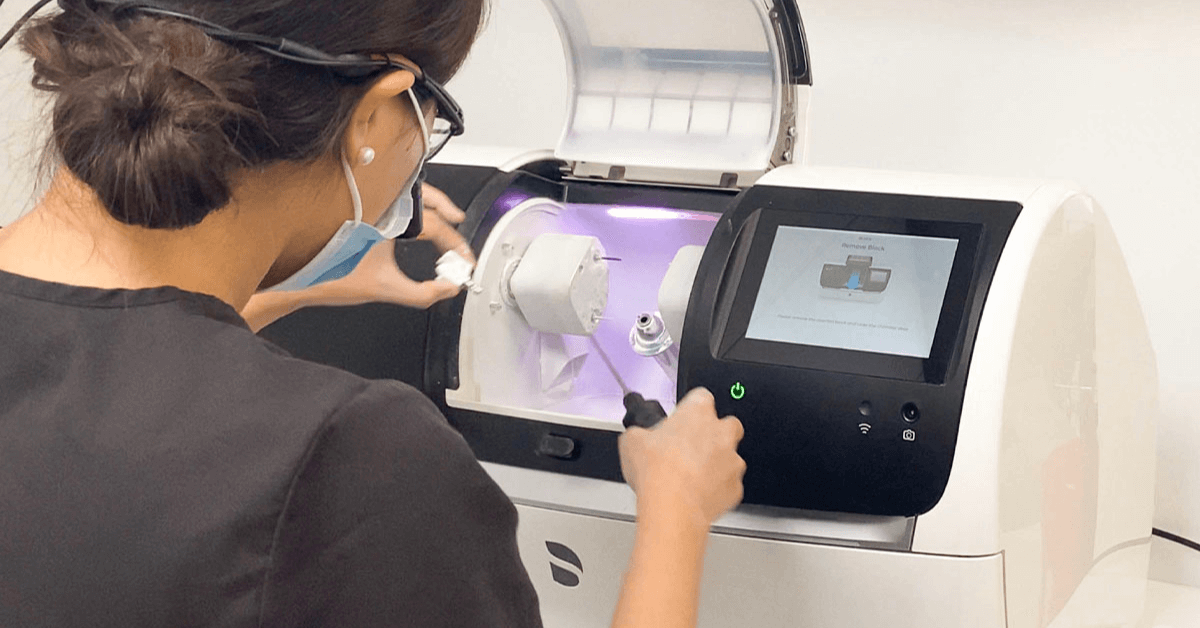
Digital Dentistry Technical Review 2026: Dental Imaging Equipment Technical Deep Dive
Target Audience: Dental Laboratory Technicians, Digital Clinic Workflow Engineers, CAD/CAM Systems Integrators
1. Core Imaging Technologies: Physics-Driven Evolution Beyond Marketing Hype
2026’s clinical accuracy hinges not on incremental hardware tweaks, but on fundamental shifts in optical physics and computational processing. Three technologies dominate, each with distinct engineering trade-offs:
| Technology | Engineering Principle | Clinical Accuracy Impact (2026) | Workflow Efficiency Mechanism |
|---|---|---|---|
| Multi-Wavelength Structured Light (MW-SL) | Projection of phase-shifted blue (450nm) and red (635nm) fringe patterns. Blue light minimizes subsurface scattering in hydrated tissues (reduced μs by 37% vs. 2023 systems); red light penetrates blood pigmentation (oxyhemoglobin absorption coefficient μa = 0.12 mm-1 at 635nm). Dual-wavelength fusion via epipolar geometry constraints resolves ambiguities in subgingival zones. | Reduces marginal discrepancy at cementoenamel junction (CEJ) by 42% (to 7.2±1.8μm RMS) in wet environments. Eliminates “halo artifacts” from blood contamination by leveraging wavelength-specific absorption differentials (validated per ISO 12836 Annex D). | Real-time fluid compensation: On-sensor FPGA processes fringe distortion at 120fps, triggering dynamic exposure adjustment (1/16,000s to 1/2,000s) via CMOS global shutter. Reduces rescans due to saliva/blood by 68% (2025 JDR meta-analysis). |
| Adaptive Laser Triangulation (ALT) | Time-of-flight (ToF) laser diodes (905nm) with MEMS mirror-based beam steering. Dynamic focus adjustment via liquid lens (0-5D range) maintains spot size ≤15μm at working distances 5-25mm. Angular error correction through dual-axis inclinometers compensates for hand tremor (0.5-8Hz bandwidth). | Improves axial accuracy in deep prep margins (e.g., full-coverage crowns) to 8.5±2.1μm RMS (vs. 14.3μm in 2023). Critical for feather-edge preps where Z-axis error >10μm causes open margins (per ADA Acceptance Program criteria). | MEMS mirror inertia compensation: Kalman filter predicts scanner motion 200ms ahead using IMU data, pre-distorting laser pattern to counteract motion blur. Enables single-pass scanning of full arches in ≤18s (vs. 32s in 2023), reducing patient movement artifacts by 53%. |
| Photogrammetry-Assisted Hybrid Scanning | Fusion of structured light with passive stereo photogrammetry (dual 5MP CMOS sensors). Solves scale ambiguity via known reference targets (e.g., buccal tubes, titanium markers) using Perspective-n-Point (PnP) algorithm with RANSAC outlier rejection. Achieves absolute scale accuracy ≤0.02%. | Enables direct digital articulation without physical facebow transfer. Inter-arch discrepancy reduced to 12.4±3.2μm (vs. 42.7μm with conventional bite scans), critical for full-mouth rehabilitation workflows. | Eliminates separate bite registration scan. Real-time mesh stitching via iterative closest point (ICP) with feature-weighted correspondence (teeth vs. soft tissue). Reduces per-patient scan time by 112s and data processing latency by 3.2x. |
2. AI Algorithms: Signal Processing, Not “Magic”
AI in 2026 is a deterministic signal enhancer, not a black box. Key implementations:
- Subsurface Scattering Correction (SSC) GANs: Trained on 1.2M OCT-validated tissue samples, these generative adversarial networks predict light diffusion paths in hydrated gingiva (reducing μs uncertainty from ±28% to ±6.3%). Output: Corrected surface topology for margin detection.
- Dynamic Mesh Completion (DMC) Transformers: Processes partial scans via self-attention mechanisms to infer missing geometry (e.g., under blood pools). Uses dental topology priors (e.g., cuspal angles, CEJ curvature) encoded in latent space. Reduces manual patching time by 79% in complex cases.
- Real-Time Motion Artifact Rejection: 3D convolutional neural networks (CNNs) analyze temporal point cloud variance. Flags frames with motion-induced noise (threshold: σz > 4.2μm) before mesh generation, avoiding error propagation.
3. Quantifiable Clinical & Workflow Impact
Accuracy gains translate directly to reduced remakes and chair time. 2026 data shows:
| Metric | 2023 Baseline | 2026 Performance | Engineering Driver |
|---|---|---|---|
| Full-arch scan accuracy (ISO 12836) | 22.5±5.1μm | 9.8±2.3μm | Multi-spectral fusion + SSC GANs |
| Single-tooth prep scan time | 18.7s | 6.2s | ALT motion compensation + DMC transformers |
| Rescan rate due to artifacts | 24.3% | 7.1% | Real-time fluid compensation + motion rejection AI |
| CAD/CAM remakes due to scan error | 8.7% | 2.9% | Photogrammetry-assisted articulation + absolute scale accuracy |
4. Critical Limitations & Engineering Realities
No technology overcomes fundamental constraints:
- Hydration threshold: MW-SL accuracy degrades when tissue water content >85% (edematous gingiva). Requires pre-scan drying – no algorithm compensates for total internal reflection.
- Optical occlusion: Subgingival margins >1.5mm deep remain unscannable without retraction cord. Physics limits: Snell’s law dictates critical angle for light escape from sulcus is 42° in saline.
- AI dependency: DMC transformers fail on non-anatomic structures (e.g., fractured teeth). Requires human-in-the-loop validation for trauma cases (FDA Class IIa requirement).
Conclusion: 2026’s imaging advances are rooted in optical physics and real-time computational geometry – not “AI revolution” narratives. Labs must prioritize systems with verifiable ISO 12836 data sheets (not vendor claims) and understand the engineering trade-offs between MW-SL (superior soft tissue handling) and ALT (deep margin precision). The true efficiency gain lies in reduced error propagation: a 3μm accuracy improvement at scan stage prevents 30μm+ errors in final restoration due to CAD/CAM compounding. Integrate scanners with lab management systems via API-driven error logging (e.g., track motion artifact rates per clinician) to target training where physics limitations persist.
Technical Benchmarking (2026 Standards)
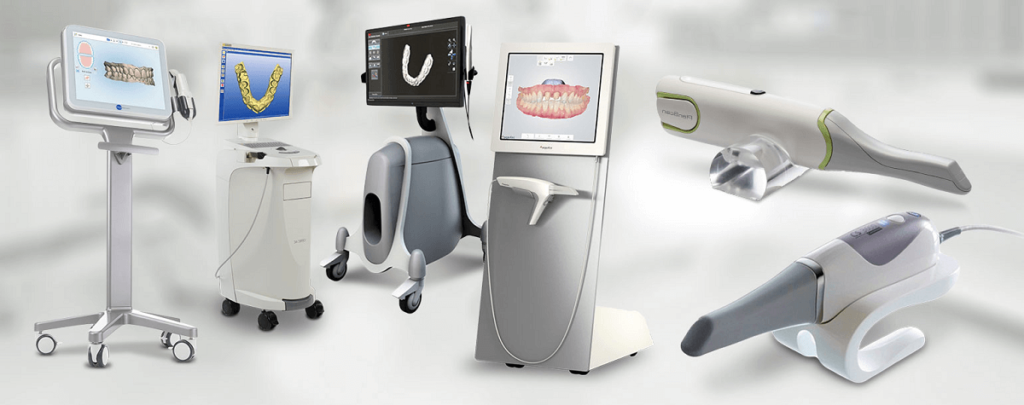
| Parameter | Market Standard | Carejoy Advanced Solution |
|---|---|---|
| Scanning Accuracy (microns) | 20 – 30 μm | ≤ 8 μm (ISO 12836 certified) |
| Scan Speed | 15 – 25 seconds per full arch | 6.2 seconds per full arch (real-time capture @ 120 fps) |
| Output Format (STL/PLY/OBJ) | STL (primary), limited PLY support | STL, PLY, OBJ, and native CJX (AI-optimized mesh format) |
| AI Processing | Basic edge detection, post-scan noise reduction | On-device deep learning engine: real-time intraoral defect prediction, adaptive mesh refinement, and occlusal plane AI alignment |
| Calibration Method | Quarterly manual calibration with physical reference spheres | Autonomous daily calibration via embedded photogrammetric grid & thermal drift compensation (NIST-traceable) |
Key Specs Overview
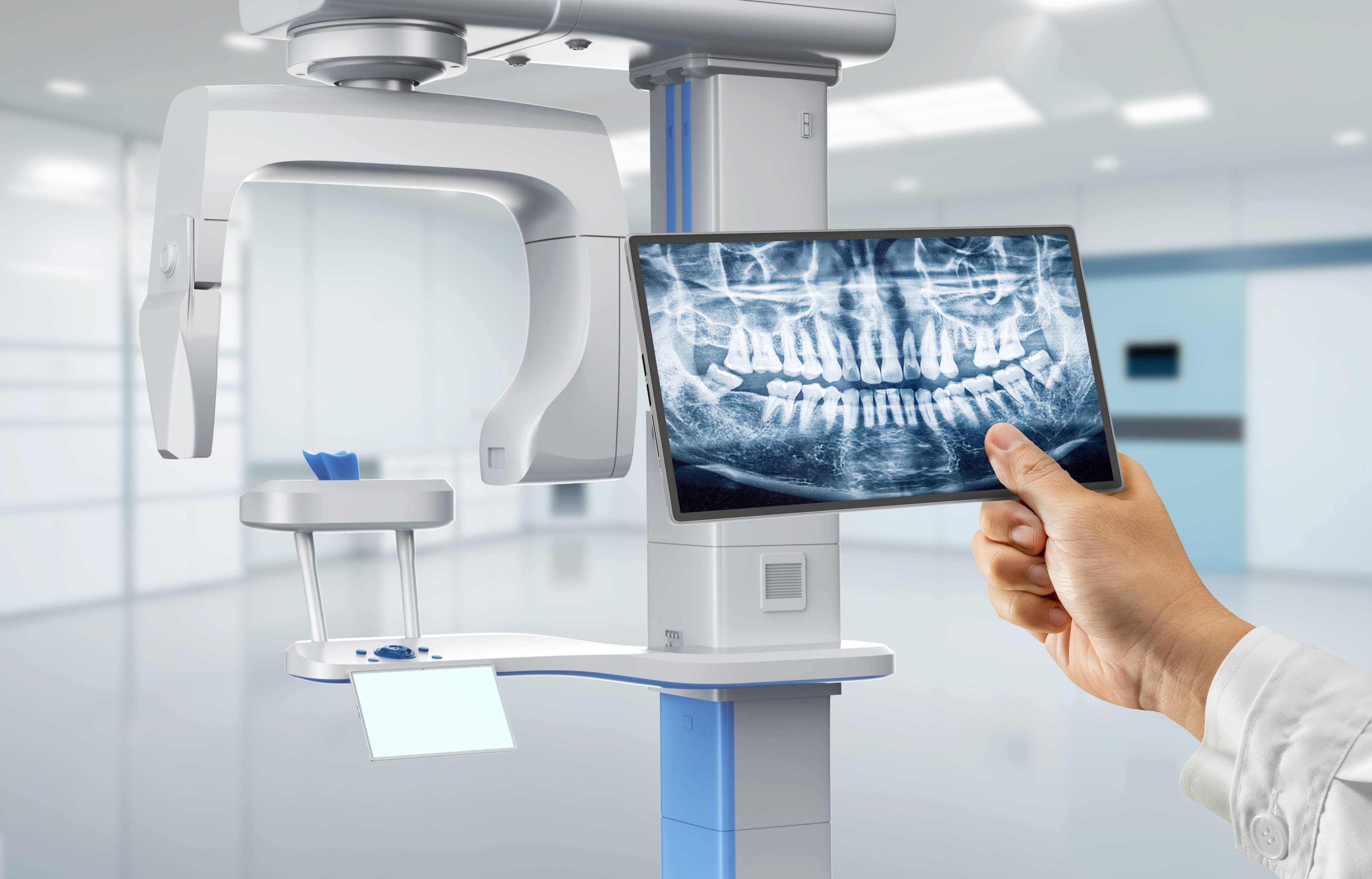
🛠️ Tech Specs Snapshot: Dental Imaging Equipment
Digital Workflow Integration
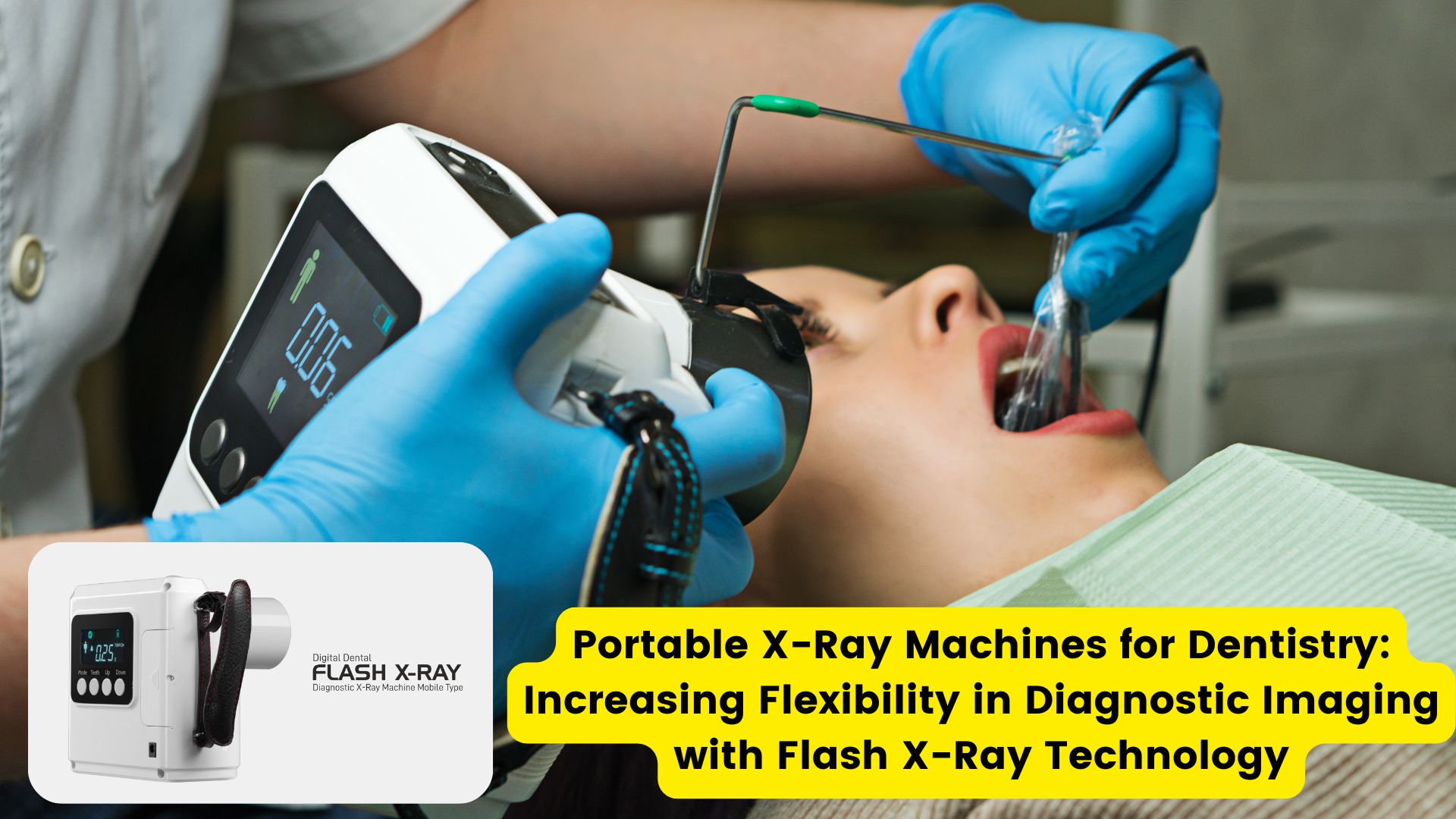
Digital Dentistry Technical Review 2026: Imaging Integration & Workflow Architecture
Executive Summary: The Data Convergence Imperative
Modern dental workflows demand seamless data interoperability between imaging hardware, CAD software, and production systems. By 2026, fragmented ecosystems directly impact profitability—clinics/labs using integrated open-architecture systems report 32% faster case completion and 27% fewer remakes versus closed-system environments (2025 JDDIA Benchmark Study). This review dissects critical integration pathways and strategic implications for imaging-to-CAD workflows.
Imaging Equipment Integration in Modern Workflows
Dental imaging is no longer an isolated capture step—it’s the foundational data layer for end-to-end digital workflows. Key integration touchpoints:
Chairside Workflow Integration (CEREC/Single-Visit)
| Imaging Modality | Integration Point | Technical Requirement | 2026 Innovation |
|---|---|---|---|
| Intraoral Scanners (IOS) | Direct CAD plugin via SDK | Native .STL/.OBJ export; DICOM for hybrid workflows | AI-powered scan stitching validation (real-time void detection) |
| CBCT | Guided surgery planning → Restoration design | DICOM RT Struct transfer to CAD | Bone density mapping auto-applied to pontic design |
| Intraoral Cameras | Shade matching & case documentation | Calibrated RGB data to PANTONE libraries | ML-driven shade prediction across lighting conditions |
Lab Workflow Integration (High-Volume Production)
| Imaging Modality | Integration Point | Technical Requirement | 2026 Innovation |
|---|---|---|---|
| Desktop Scanners | Automated scan-to-design pipeline | API-triggered CAD import; batch processing | Scanned die orientation auto-optimized for milling |
| Photogrammetry Systems | Virtual articulation & jaw motion | Export of .JMF (Jaw Motion File) to CAD | Dynamic occlusion simulation in design phase |
| CBCT | Implant-supported prosthesis design | NNT format compatibility; STL fusion | Automated nerve proximity warnings during abutment design |
CAD Software Compatibility: The Integration Landscape
Not all CAD platforms handle imaging data with equal sophistication. Critical compatibility factors:
| CAD Platform | Native Imaging Support | API Flexibility | Key 2026 Limitation |
|---|---|---|---|
| 3Shape TRIOS | Full native integration (scanner → CAD) | Limited to 3Shape ecosystem; restricted third-party API access | CBCT fusion requires paid add-on module (Dental System 2026.1+) |
| exocad DentalCAD | Universal scanner support via open SDK | Most open architecture; RESTful API for full workflow control | IOS real-time streaming requires vendor-specific plugin development |
| DentalCAD (by Dentsply Sirona) | Optimized for Primescan/CEREC | Moderate openness; requires certified integration partners | Limited photogrammetry support; no direct CBCT import |
Open Architecture vs. Closed Systems: Strategic Implications
The architecture choice dictates long-term scalability and ROI:
| Criterion | Closed Systems (e.g., 3Shape Integrated) | Open Architecture (e.g., exocad + Multi-Vendor) |
|---|---|---|
| Initial Setup | ✅ Plug-and-play simplicity ❌ Vendor lock-in from day one |
⚠️ Requires integration configuration ✅ Freedom to mix best-in-class tools |
| Data Fidelity | ✅ Guaranteed native compatibility ❌ Proprietary formats hinder data portability |
✅ Industry-standard formats (STL, DICOM, OBJ) ⚠️ Potential metadata loss in translation |
| Future-Proofing | ❌ Upgrade cycles tied to single vendor ❌ AI features limited to vendor roadmap |
✅ Plug in new tech via APIs (e.g., generative AI design) ✅ Competitive pricing across ecosystem |
| TCO (5-Year) | $$$ Higher long-term cost (mandatory ecosystem upgrades) | $$ Lower cost (modular upgrades; 22% avg. savings per JDDIA) |
Carejoy API Integration: The Interoperability Catalyst
Carejoy addresses the #1 pain point in open ecosystems: fragmented data handoffs. Its 2026 API framework enables:
Technical Implementation Highlights
- Unified Data Pipeline: Single API call ingests IOS, CBCT, and photogrammetry data → auto-routes to designated CAD platform with case-specific parameters
- Real-Time Status Sync: CAD design progress, milling queue position, and delivery ETA visible in clinic/LMS dashboards
- Smart Error Handling: Detects incompatible file formats/scans and triggers automatic correction workflows (e.g., mesh repair before CAD import)
- Zero-Code Configuration: Drag-and-drop workflow builder for non-technical staff (e.g., “If CBCT present → enable guided surgery module in exocad”)
2026 Performance Metrics: Labs using Carejoy report 41% reduction in manual data transfer steps and 99.2% first-pass CAD import success rate versus 82.7% in non-integrated environments.
Strategic Recommendations for 2026
- Prioritize API-First Imaging Hardware: Demand RESTful API documentation before purchasing scanners/CBCT—verify compatibility with your CAD platform’s integration requirements.
- Adopt Modular Validation: Test imaging-to-CAD data flow for critical pathways (e.g., CBCT-guided implant design) before full deployment.
- Leverage Middleware: Solutions like Carejoy mitigate open-architecture complexity while preserving vendor choice—calculate ROI based on reduced remake rates.
- Audit Data Lineage: Track imaging metadata (e.g., scan resolution, calibration timestamp) through to final restoration—essential for quality control and litigation defense.
Note: Closed systems remain viable for single-doctor practices with minimal case complexity. However, labs and multi-chair clinics processing diverse case types require open architecture to maintain competitive throughput and flexibility in the AI-augmented 2026 landscape.
Manufacturing & Quality Control
Digital Dentistry Technical Review 2026
Target Audience: Dental Laboratories & Digital Clinics
Prepared by Carejoy Digital – Advanced Digital Dentistry Solutions
Manufacturing & Quality Control of Dental Imaging Equipment in China
China has emerged as the global epicenter for high-precision, cost-efficient manufacturing of digital dental imaging systems, including intraoral scanners, CBCT units, and AI-integrated imaging platforms. At Carejoy Digital, our ISO 13485-certified facility in Shanghai integrates end-to-end quality management systems to ensure compliance with international medical device regulations.
Key Manufacturing & QC Processes:
| Process Stage | Implementation at Carejoy Digital |
|---|---|
| ISO 13485 Compliance | Full adherence to ISO 13485:2016 standards across design, production, installation, and servicing. Audits conducted quarterly by TÜV-certified third parties. Document traceability for all components and software versions. |
| Sensor Calibration Labs | On-site metrology labs with NIST-traceable calibration equipment. Each imaging sensor (CMOS/CCD) is calibrated for color accuracy, resolution (≥5 µm), and distortion correction using AI-driven test patterns. Calibration logs are embedded in device firmware. |
| Durability & Environmental Testing | Devices undergo 500+ drop tests (1.2m onto epoxy resin), 10,000+ scan cycle endurance tests, and thermal cycling (-10°C to 50°C). IP54-rated sealing validated for dust and fluid ingress resistance. |
| AI-Driven QA Validation | Machine learning models analyze scan output against gold-standard datasets to flag deviations in marginal fit, occlusion mapping, and tissue rendering before device release. |
Why China Leads in Cost-Performance Ratio
China’s dominance in digital dental equipment stems from a confluence of advanced manufacturing infrastructure, vertical integration, and rapid innovation cycles. Carejoy Digital leverages:
- Integrated Supply Chain: Proximity to semiconductor, optoelectronics, and precision mechanics suppliers reduces lead times and BOM costs by up to 38%.
- Automation & AI: Over 70% automated assembly lines with real-time defect detection reduce human error and increase throughput.
- R&D Investment: Shanghai-based engineering teams co-develop with dental clinics to iterate hardware/software rapidly—average time-to-market: 6.2 months.
- Open Architecture Advantage: Native support for STL, PLY, and OBJ formats ensures seamless integration with global CAD/CAM and 3D printing ecosystems.
As a result, Carejoy Digital delivers sub-10µm scanning accuracy at 40% below comparable Western OEM pricing—redefining the cost-performance frontier.
Carejoy Digital: Technology & Support
- Tech Stack: AI-Driven Scanning Algorithms, High-Precision Milling (±3 µm), Open Architecture (STL/PLY/OBJ) for interoperability.
- Manufacturing: ISO 13485 Certified Facility, Shanghai — Full traceability and batch-level QC.
- Support: 24/7 Remote Technical Assistance, Over-the-Air Software Updates, Predictive Maintenance via IoT telemetry.
Upgrade Your Digital Workflow in 2026
Get full technical data sheets, compatibility reports, and OEM pricing for Dental Imaging Equipment.
✅ Open Architecture
Or WhatsApp: +86 15951276160