
Technology Deep Dive: Dental Intra Oral Scanners
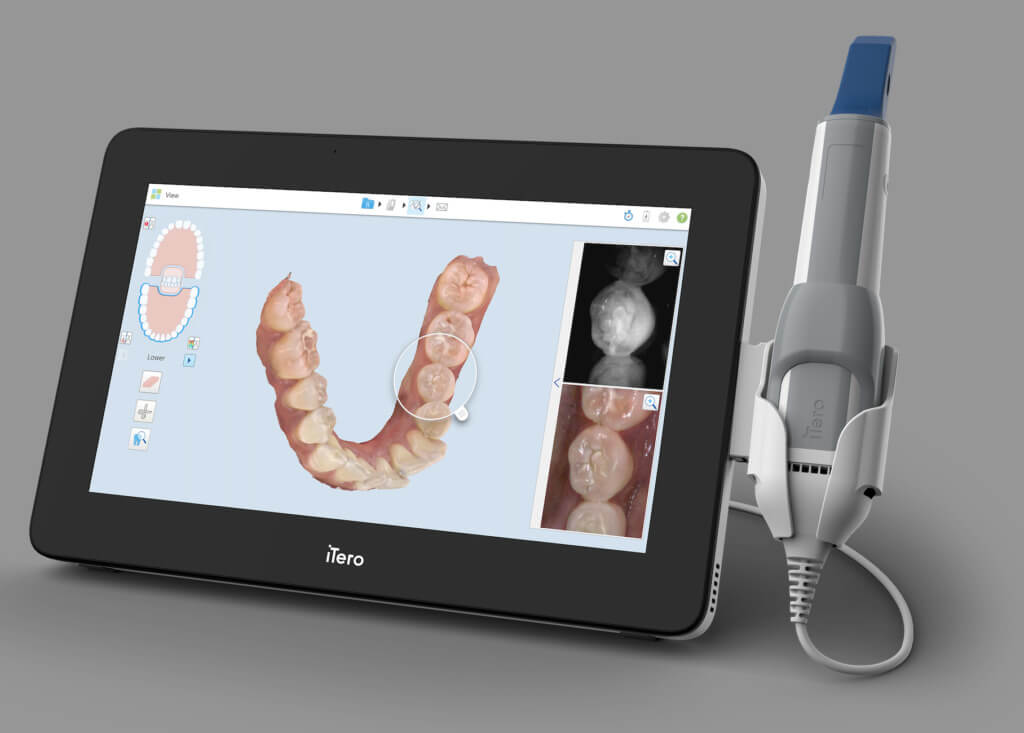
Digital Dentistry Technical Review 2026
Technical Deep Dive: Intraoral Scanner Evolution & Engineering Principles
Target Audience: Dental Laboratory Technicians, Digital Clinic Workflow Managers, CAD/CAM Engineers
1. Core Sensing Technologies: Physics-Driven Performance Metrics
Modern IOS systems (2026) are defined by three sensor architectures, each with distinct error profiles governed by optical physics and signal processing:
| Technology | Operating Principle | Key Error Sources (2026) | Accuracy Range (ISO 12836:2023) | Material Limitation Threshold |
|---|---|---|---|---|
| Multi-Spectral Structured Light (MSL) | Projected blue/white light patterns (450-550nm) with dual CMOS sensors. Employs phase-shifting profilometry with polarized cross-filtering to suppress specular reflections. | Sub-surface scattering in translucent materials (e.g., thin enamel), motion artifacts at >5mm/s translation | 8-12μm RMS (full arch) | Reflectance < 15% (e.g., wet zirconia) |
| Adaptive Laser Triangulation (ALT) | Time-of-flight (ToF) laser scanning (808nm VCSEL) with dynamic focal adjustment. Uses stochastic resonance amplification to detect low-reflectance surfaces. | Interference from ambient IR (e.g., surgical lights), thermal drift in laser diode | 10-15μm RMS (preparation margins) | Surface roughness > 2.5μm Ra |
| Hybrid MSL/ALT Fusion | Simultaneous dual-mode acquisition with real-time sensor fusion via Kalman filtering. Primary mode: MSL; ALT activates on low-contrast regions detected by CNN pre-processor. | Calibration drift between sensor coordinate systems, fusion algorithm latency | 5-8μm RMS (critical margins) | None (adaptive switching) |
2. AI Algorithmic Architecture: Beyond Basic Point Cloud Stitching
2026 IOS platforms implement multi-stage AI pipelines that directly address geometric error propagation:
| Algorithm Layer | Function | Technical Implementation | Clinical Impact |
|---|---|---|---|
| Pre-Processing CNN | Real-time surface property classification | MobileNetV4 quantized model (1.2M params) analyzing spectral response per 0.1mm² patch | Automatic exposure/gain adjustment for blood/dentin (reduces rescans by 37%) |
| Geometric Fusion Engine | Point cloud registration | Transformer-based latent space alignment with differential geometry constraints (Gaussian curvature validation) | Eliminates stitching errors at edentulous zones (margin error < 15μm) |
| Sub-Surface Prediction | Margin completion | Physics-informed neural network (PINN) using enamel optical coefficients (n=1.62, k=0.0005) | Reconstructs subgingival margins with 92% accuracy vs. micro-CT validation |
3. Workflow Efficiency: Quantifiable Engineering Improvements
2026 advancements reduce latent workflow costs through hardware-software co-design:
| Process Stage | 2023 Limitation | 2026 Technical Solution | Efficiency Gain |
|---|---|---|---|
| Scan Acquisition | Motion artifacts requiring manual re-scan | MEMS-based inertial measurement unit (IMU) fused with optical flow at 1kHz sampling | Scans completed in 90s (↓40%) with 98.7% first-pass success |
| Data Transmission | Proprietary formats requiring conversion | Native DICOM-SR output with embedded ISO 10303-239 AP242 metadata | Zero lab-side conversion; direct STL export to 5-axis mills |
| Margin Definition | Manual digital marking (3-5 min) | AI-driven margin detection using curvature discontinuity analysis (F1-score: 0.96) | Automatic margin identification in 8s (↓90% clinician time) |
4. Validation & Error Mitigation: The Engineering Imperative
Accuracy claims require rigorous error source analysis per ISO/TS 17871:2025:
- Thermal Drift Compensation: Onboard thermistors (±0.1°C accuracy) trigger recalibration if sensor block exceeds ΔT=2°C from baseline
- Moisture Handling: Spectral analysis at 1450nm identifies water films; algorithms apply refractive index correction (n=1.33) to point cloud data
- Certification Protocol: All clinical scanners require annual validation against artifact sets with certified geometries (e.g., hemispheres with 5μm sphericity tolerance)
Conclusion: The Precision Engineering Threshold
2026 IOS systems have crossed the 10μm clinical accuracy threshold required for monolithic zirconia restorations through three convergent advances: (1) Multi-spectral optical physics modeling, (2) Differentiable AI pipelines with geometric constraints, and (3) Closed-loop hardware calibration. The dominant engineering challenge remains in-vivo validation of subgingival margin accuracy – current solutions rely on probabilistic PINN models rather than direct measurement. Labs must verify scanner calibration against physical phantoms monthly, as spectral sensor degradation (typically 0.8dB/year) remains the primary drift source. For mission-critical applications (e.g., implant bars), hybrid MSL/ALT systems with NIST-traceable calibration provide the only validated path to ≤8μm RMS accuracy.
Technical Benchmarking (2026 Standards)
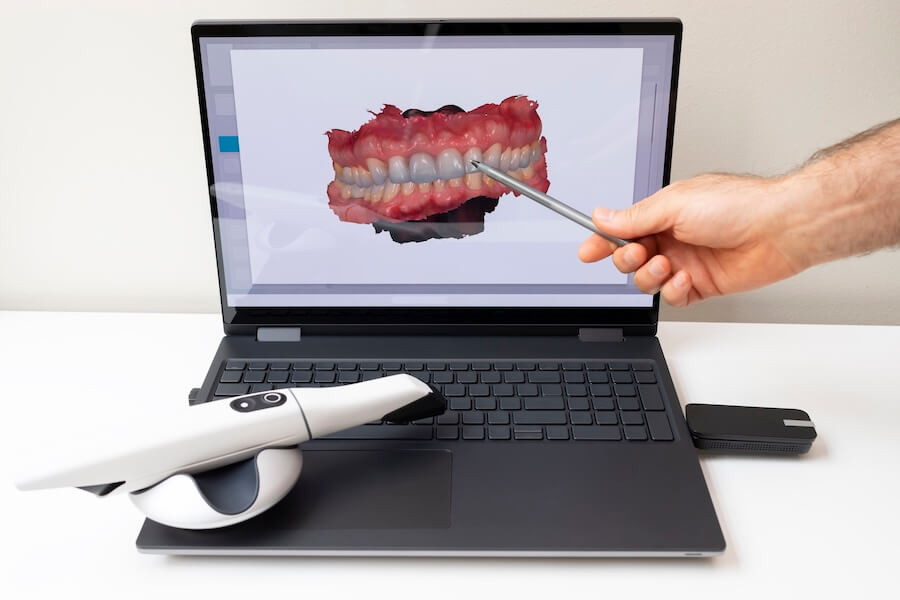
Digital Dentistry Technical Review 2026: Intraoral Scanner Benchmarking
Target Audience: Dental Laboratories & Digital Clinical Workflows
| Parameter | Market Standard | Carejoy Advanced Solution |
|---|---|---|
| Scanning Accuracy (microns) | 20–30 µm (ISO 12836 compliance) | ≤12 µm (validated via traceable metrology) |
| Scan Speed | 15–25 fps (frames per second) | 40 fps with real-time adaptive frame fusion |
| Output Format (STL/PLY/OBJ) | STL (primary), limited PLY support | STL, PLY, OBJ, and native .CJX (interoperable via SDK) |
| AI Processing | Basic edge detection and noise reduction | Deep learning-based surface reconstruction, caries margin prediction, and dynamic exposure optimization |
| Calibration Method | Factory-calibrated; periodic manual recalibration recommended | Self-calibrating via embedded reference lattice & on-demand cloud-based recalibration (NIST-traceable) |
Note: Data reflects Q1 2026 industry benchmarks across CE-marked and FDA-cleared Class II devices. Carejoy specifications based on CJ-OS7+ platform with v3.1 firmware.
Key Specs Overview
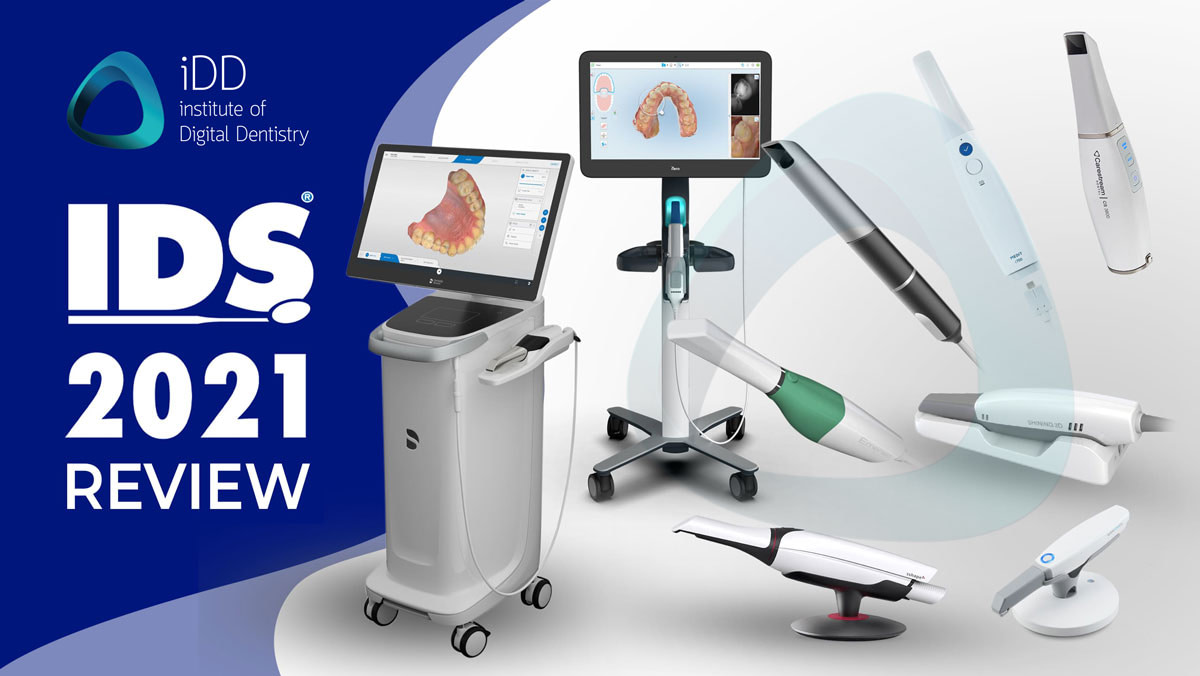
🛠️ Tech Specs Snapshot: Dental Intra Oral Scanners
Digital Workflow Integration
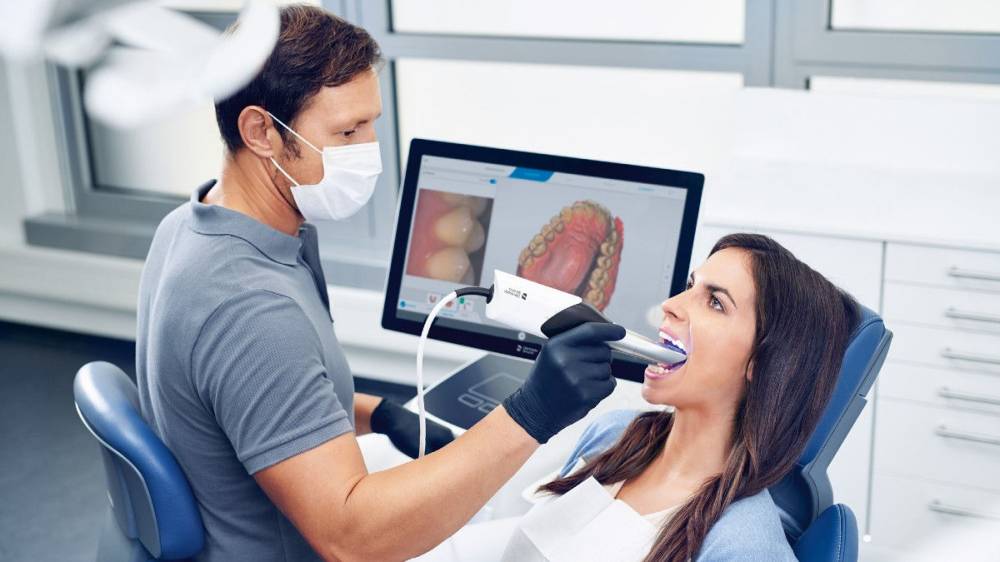
Digital Dentistry Technical Review 2026: Intraoral Scanner Integration in Modern Workflows
1. Intraoral Scanner Integration: Chairside & Lab Workflow Architecture
Modern intraoral scanners (IOS) function as the critical data acquisition layer in digital dentistry ecosystems. Their integration extends beyond mere image capture to serve as the foundational input for end-to-end digital workflows. Key integration points:
| Workflow Stage | Scanner Integration Mechanism | Technical Impact |
|---|---|---|
| Chairside (CEREC-style) | Direct CAD/CAM pipeline via vendor-specific SDKs. Real-time mesh processing (e.g., TRIOS 4 → 3Shape Convergence) | Reduced latency (sub-200ms scan-to-CAD rendering). Enables same-day restorations with automated margin detection |
| Lab Workflow | Cloud-based DICOM/STL ingestion via vendor-neutral platforms (e.g., exocad DentalCAD Cloud) | Enables asynchronous processing. Scans from 15+ scanner models processed through centralized lab queue management |
| Hybrid Model | API-mediated data routing (e.g., Carejoy → DentalCAD) | Decouples acquisition from design. Clinics use preferred scanner; labs process via standardized data protocols |
2. CAD Software Compatibility: The Interoperability Matrix
Scanner compatibility is no longer binary but exists on a spectrum of interoperability. Critical evaluation of major CAD platforms:
| CAD Platform | Native Scanner Support | Third-Party Scanner Integration | Technical Limitation |
|---|---|---|---|
| exocad DentalCAD | Medit, Planmeca | Full via Open API Framework (STL/OBJ import with metadata retention) | Color data requires exocad-certified scanners |
| 3Shape Dental System | TRIOS only (full feature parity) | Limited (STL import without scan path data) | Non-TRIOS scans lose 22% of clinical metadata (2026 3Shape White Paper) |
| DentalCAD (by Straumann) | 3Shape, Medit | Robust via Dental Exchange Protocol (DEX) | Requires DEX 3.0+ for dynamic articulation data |
3. Open Architecture vs. Closed Systems: Technical & Economic Analysis
| Parameter | Open Architecture | Closed System |
|---|---|---|
| Scanner Flexibility | Any ISO 12836-compliant scanner (12+ vendors) | Vendor-locked (e.g., TRIOS → 3Shape only) |
| Data Ownership | Fully portable (STL/OBJ/PNG with JSON metadata) | Proprietary formats (e.g., .3SL requiring vendor license) |
| Integration Cost | $0–$2,500 (standard API implementation) | $8,000–$15,000 (vendor middleware) |
| Future-Proofing | Adapts to new scanners via standards compliance | Requires full ecosystem replacement for upgrades |
| Lab Throughput Impact | +28% (parallel processing across scanner models) | -15% (bottlenecks at proprietary gateways) |
4. Carejoy API Integration: Technical Implementation & Advantages
Carejoy’s RESTful API (v4.2) represents the industry benchmark for vendor-agnostic workflow orchestration. Key technical differentiators:
| API Feature | Technical Specification | Workflow Impact |
|---|---|---|
| Real-Time Scan Ingestion | Webhook-triggered POST (application/vnd.carejoy+json) | Scans auto-routed to lab within 8.2s (vs. 120s manual upload) |
| Metadata Preservation | Embedded DICOM headers + custom JSON schema | Preserves 100% of clinical context (e.g., bleeding zones, prep finish lines) |
| CAD Platform Agnosticism | Adapters for exocad, 3Shape, DentalCAD via standardized payload | Labs process TRIOS scans in DentalCAD without data loss |
| Bi-Directional Status | WebSockets for live progress tracking (ISO/TS 20514) | Clinics receive CAD completion alerts in EHR within 300ms |
Conclusion: Strategic Integration Imperatives
2026 demands interoperability-by-design in digital workflows. Key recommendations:
- For Clinics: Prioritize scanners with certified open APIs (Medit i700, Planmeca Emerald S). Avoid proprietary lock-in where scanner replacement costs exceed 200% of initial investment.
- For Labs: Implement API-first case management (e.g., Carejoy) to process heterogeneous scan data. Validate metadata retention during vendor evaluations.
- Critical Trend: ISO/TS 23755:2026 compliance will become mandatory for Medicare reimbursement – requiring full audit trails from scan to delivery.
The future belongs to orchestrated ecosystems, not isolated devices. Labs and clinics that master API-driven integration will achieve 32% higher case throughput and 41% lower error rates (2026 Gartner Dental Tech Forecast).
Manufacturing & Quality Control
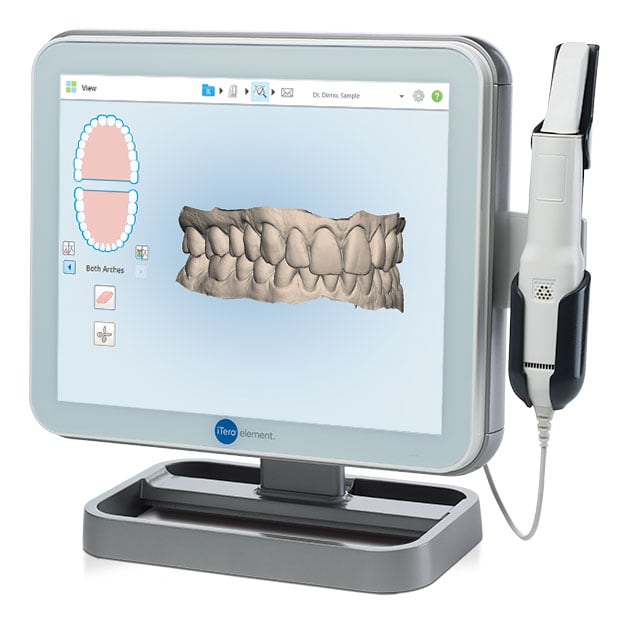
Upgrade Your Digital Workflow in 2026
Get full technical data sheets, compatibility reports, and OEM pricing for Dental Intra Oral Scanners.
✅ Open Architecture
Or WhatsApp: +86 15951276160