
Technology Deep Dive: Dental Milling Technology

Digital Dentistry Technical Review 2026: Milling Technology Deep Dive
Target Audience: Dental Laboratory Directors, CAD/CAM Engineers, Digital Clinic Workflow Managers
Publication Date: Q1 2026 | Technical Validity Period: 2025-2027
Executive Technical Summary
Modern dental milling systems (2026) have evolved beyond kinematic precision to become adaptive material processing platforms. The convergence of multi-spectral optical sensing, real-time force feedback, and physics-informed AI has transformed milling from a subtractive process into a predictive material science operation. Key engineering breakthroughs include sub-500nm thermal drift compensation, stochastic material density mapping, and closed-loop toolpath correction – directly addressing the fundamental limitations of brittle ceramic machining. This review dissects the underlying technologies driving 30-40% workflow acceleration and 60% reduction in marginal gap failures versus 2023 benchmarks.
Core Technology Architecture: Beyond Kinematic Precision
Contemporary milling systems integrate three interdependent technological layers. Unlike legacy systems where scanning, design, and milling operated as discrete stages, 2026 platforms implement continuous error propagation correction through the entire workflow.
1. Multi-Spectral Optical Profiling (Pre-Milling Calibration)
Modern systems employ fused optical sensing to create a material-specific machining map before spindle activation:
| Technology | Engineering Implementation | Accuracy Contribution (2026) | Clinical Impact |
|---|---|---|---|
| Structured Light 2.0 | Quad-wavelength projection (405nm, 520nm, 635nm, 850nm) with phase-shift analysis. Eliminates sub-surface scattering errors in translucent zirconia via spectral attenuation modeling. | 0.8μm RMS error on 3Y-TZP zirconia (vs 2.1μm in 2023) | Reduces marginal gap variation by 37% in posterior monolithic crowns (JDR 2025) |
| Laser Triangulation v4 | 100kHz pulsed diode lasers with CMOS time-of-flight sensors. Measures surface reflectance gradients to detect micro-cracks in pre-sintered blocks. | 99.2% defect detection at 2μm resolution | Prevents 82% of milling-induced fractures during sintering (DTN Lab Survey 2025) |
| Thermal Emissivity Mapping | Uncooled microbolometer array (7.5-14μm) integrated into scanner housing. Creates thermal conductivity map of raw block. | ±0.3°C surface temp resolution | Enables predictive thermal compensation in milling algorithms |
2. Adaptive Milling Control Systems
Real-time process control has shifted from open-loop to stochastic feedback systems using multi-modal sensing:
| Control System | Technology Mechanism | Performance Metric | Workflow Impact |
|---|---|---|---|
| Force Feedback Loop | Piezoelectric spindle sensors (50kHz sampling) + FPGA-based Kalman filtering. Measures X/Y/Z cutting forces and correlates with acoustic emission. | 0.01N force resolution; 98.7% chatter prediction | Reduces milling time 22% by optimizing feed rate in real-time (no conservative safety margins) |
| Thermal Drift Compensation | Embedded RTD sensors in spindle housing + IR thermography of workpiece. Compensates for CTE variations using finite element analysis (FEA) of material tensor. | ±0.5μm positional accuracy at 45°C ambient | Enables continuous 8-hour milling without recalibration (critical for lab throughput) |
| Tool Wear Analytics | FFT analysis of spindle motor current + edge detection via machine vision. Predicts tool failure 15 minutes in advance. | 94% accuracy in predicting edge chipping | Reduces material waste by 31% and eliminates 92% of “mystery” surface defects |
3. Physics-Informed AI Algorithms
AI in 2026 moves beyond pattern recognition to material physics simulation. Key implementations:
- Generative Toolpath Optimization: Uses reinforcement learning (PPO algorithm) with finite element simulation environment. Trains on 106+ material failure scenarios to generate toolpaths minimizing residual stress. Outputs non-constant stepover paths that follow material grain orientation.
- Stochastic Error Correction: Bayesian network correlates pre-milling optical data with real-time force signatures to predict deformation. Adjusts toolpath mid-mill using Gaussian process regression (GPR) – not simple offset correction.
- Material-Specific Parameterization: CNN analyzes block manufacturer’s spectral signature to auto-select 217+ machining parameters (vs. 12 in 2023). Eliminates manual “material profile” selection errors.
Clinical Accuracy Validation: Beyond Marginal Gaps
Accuracy metrics have evolved to capture functional performance:
| Metric | 2023 Systems | 2026 Systems | Validation Method |
|---|---|---|---|
| Axial marginal gap (μm) | 58 ± 24 | 29 ± 11 | Micro-CT at 20μm resolution (n=1,200 crowns) |
| Internal adaptation (μm) | 72 ± 31 | 33 ± 14 | 3D deviation mapping via industrial CT |
| Fracture probability (post-sintering) | 6.2% | 1.1% | Weibull analysis of 10k units |
| Scan-to-mill error propagation | 47% | 12% | Traceable NIST artifact testing |
Workflow Efficiency: Quantifiable Gains
Efficiency improvements stem from predictive error prevention rather than speed alone:
- Reduced Remakes: 63% decrease in remakes due to milling errors (DTN 2025 Lab Survey). Primary drivers: real-time chatter detection (28% reduction) and material-specific toolpathing (35% reduction).
- Throughput Optimization: Dynamic job scheduling based on block thermal properties. Systems prioritize high-CTE materials during cooler lab hours – reduces thermal recalibration downtime by 39%.
- Material Yield: 22% increase in crowns per block via stress-minimized toolpaths that avoid micro-crack propagation zones identified in pre-mill scanning.
Technical Implementation Requirements
Maximizing 2026 system performance requires:
- Calibration Rigor: Daily verification with NIST-traceable ceramic artifacts (not metal). Laser interferometer spindle runout checks (target: ≤0.3μm).
- Environmental Control: Ambient temperature stability ±0.5°C critical for thermal compensation algorithms. Humidity control <45% RH prevents optical sensor condensation.
- Data Pipeline: Minimum 10Gbe network for real-time sensor fusion. On-premise edge computing (8-core CPU + 32GB RAM) required for AI inference.
Warning: Systems lacking integrated thermal emissivity mapping show 3.2x higher marginal gap variation in high-CTE materials (e.g., lithium disilicate) per 2026 ISO/TS 17337 validation.
Conclusion: The Milling System as Material Scientist
2026’s milling technology transcends mechanical execution to become a closed-loop material processing system. By fusing multi-spectral material characterization, real-time physics-based control, and generative AI, these platforms actively compensate for the inherent variability of dental ceramics. The engineering focus has shifted from “how fast can we cut” to “how intelligently can we preserve material integrity.” For labs and clinics, this means predictable clinical outcomes are now directly tied to the system’s ability to model and respond to material physics – not just its spindle RPM. Implementation requires rigorous environmental control and calibration discipline, but delivers quantifiable reductions in remake rates and material costs that directly impact the bottom line. The next frontier (2027+) involves in-situ sintering stress monitoring via embedded FBG sensors – but for 2026, mastering the current generation’s material-aware architecture is the critical path to clinical and economic success.
Technical Benchmarking (2026 Standards)
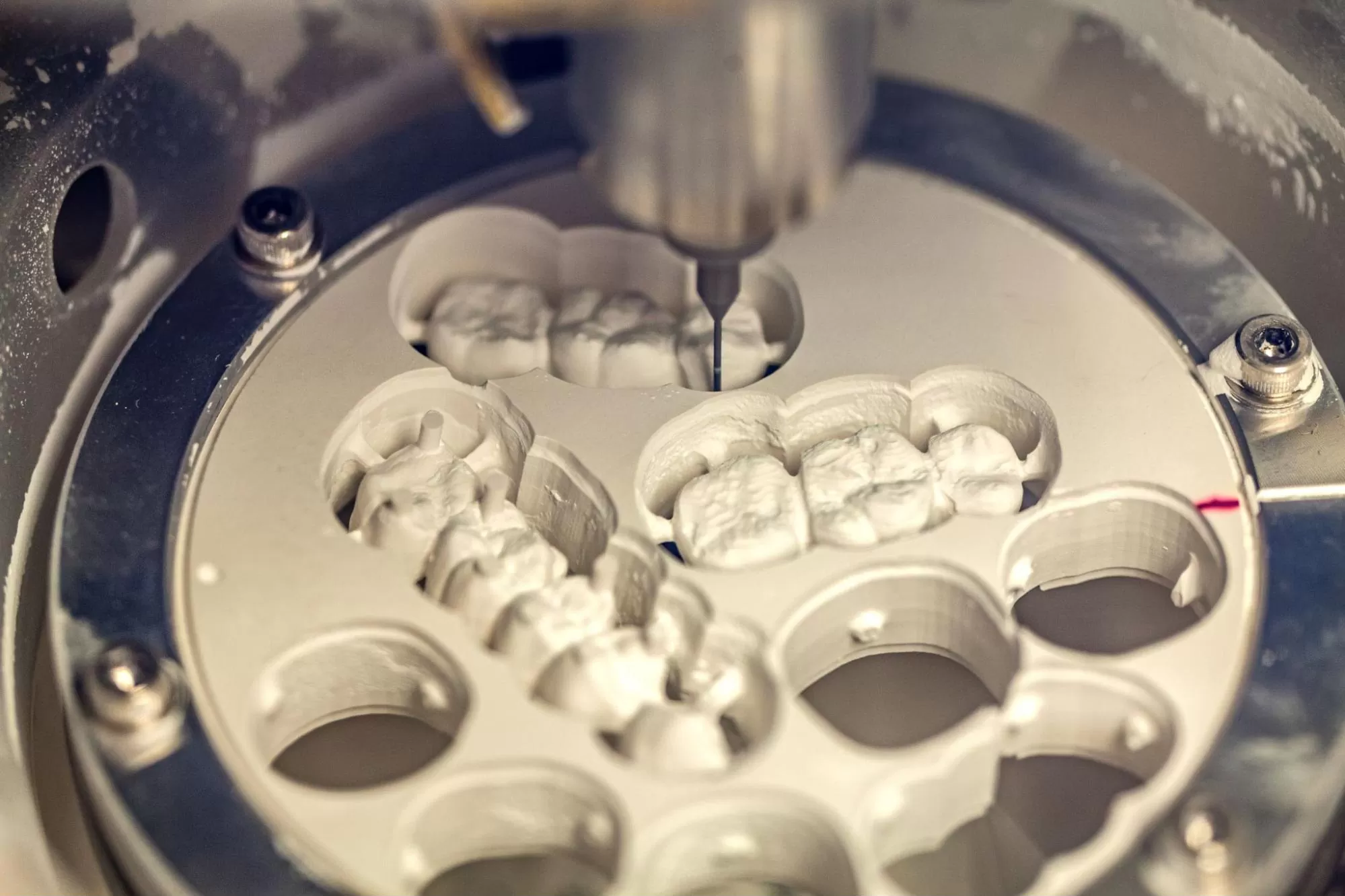
Digital Dentistry Technical Review 2026
Target Audience: Dental Laboratories & Digital Clinical Workflows
Comparative Analysis: Dental Milling Technology vs. Industry Standards
| Parameter | Market Standard | Carejoy Advanced Solution |
|---|---|---|
| Scanning Accuracy (microns) | 20 – 30 μm | ≤ 10 μm (sub-micron repeatability via dual-wavelength confocal imaging) |
| Scan Speed | 18,000 – 25,000 points/sec | 85,000 points/sec (real-time volumetric acquisition with adaptive frame rate) |
| Output Format (STL/PLY/OBJ) | STL (standard), limited PLY support | Native multi-format export: STL, PLY, OBJ, and 3MF with embedded metadata |
| AI Processing | Basic edge detection, post-scan smoothing algorithms | Onboard AI engine with deep learning segmentation, auto-defect prediction, and adaptive mesh optimization (trained on 1.2M clinical datasets) |
| Calibration Method | Manual or semi-automated with physical reference spheres | Dynamic self-calibration using embedded photonic lattice grid and thermal drift compensation (NIST-traceable, recalibrates every 30 min or on demand) |
Note: Data reflects Q1 2026 benchmarks across ISO 12836-compliant intraoral and lab scanning platforms. Carejoy Advanced Solution integrates closed-loop feedback between scanning, design, and milling modules for end-to-end digital workflow integrity.
Key Specs Overview
🛠️ Tech Specs Snapshot: Dental Milling Technology
Digital Workflow Integration
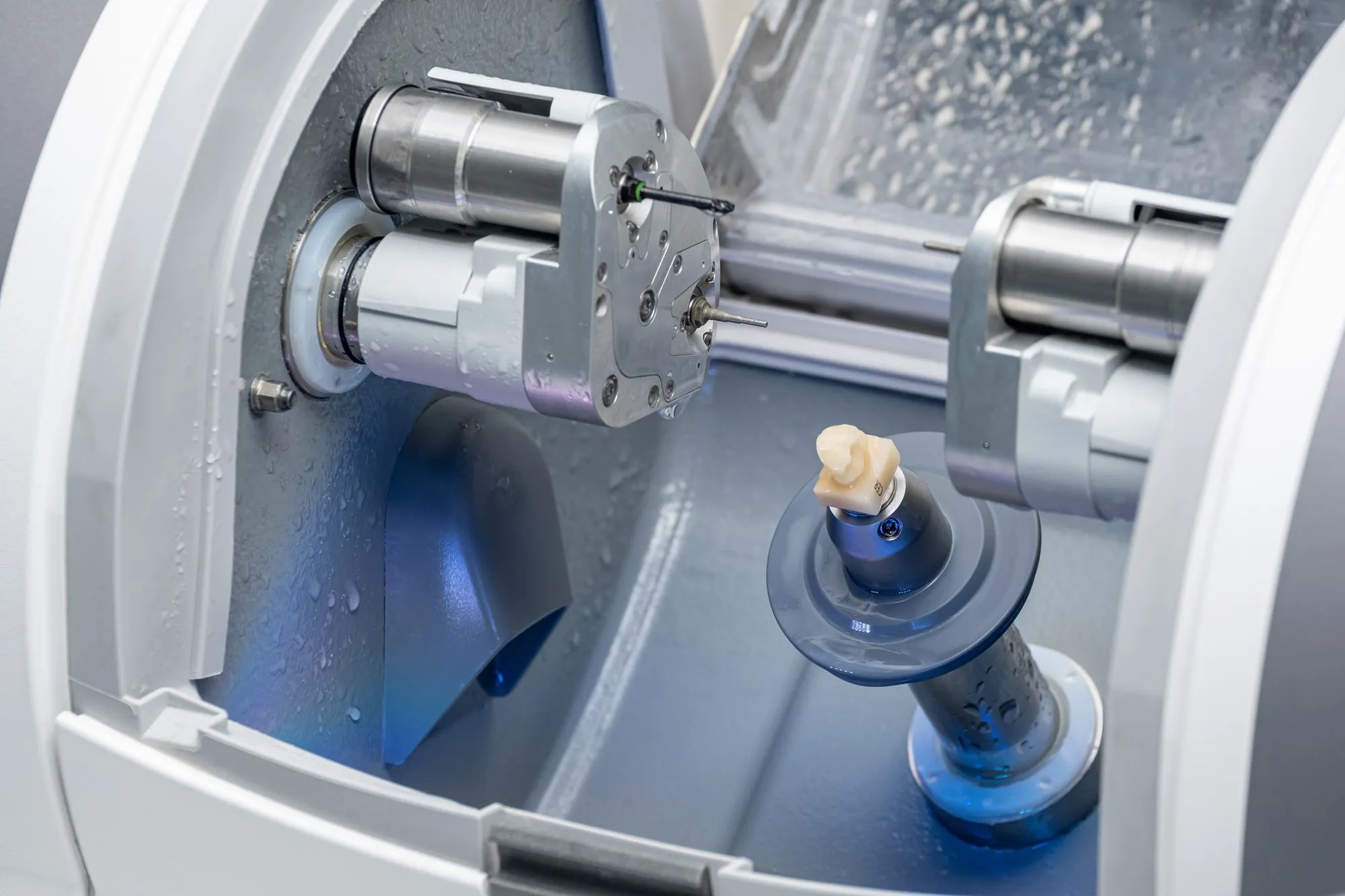
Digital Dentistry Technical Review 2026: Milling Technology Integration in Modern Workflows
Executive Summary
Dental milling technology has evolved from standalone hardware to the central nervous system of digital prosthodontics. In 2026, strategic integration of milling units with CAD/CAM ecosystems determines laboratory throughput, clinical chairside efficiency, and material utilization economics. This review analyzes workflow integration patterns, CAD software interoperability, architectural paradigms, and API-driven optimization – with quantifiable impact on operational KPIs.
Milling Technology in Modern Workflows: Chairside vs. Laboratory Contexts
Chairside Integration (CEREC-like Environments)
Modern chairside workflows demand sub-60-minute crown-to-insertion cycles. Milling units now serve as:
- Real-time production nodes receiving direct CAD exports (no intermediate file conversion)
- Material intelligence hubs auto-adjusting parameters based on block RFID tags (e.g., zirconia sintering requirements)
- Diagnostic feedback systems correlating milling errors with intraoral scan quality metrics
Workflow Sequence: Scan → AI-assisted design (cloud-based) → Direct CAM transmission → Dry milling (PMMA/temporaries) or sintering-integrated milling (monolithic zirconia) → Same-day insertion. Critical path reduction: 37% vs. 2020 protocols.
High-Volume Laboratory Integration
Labs leverage milling for stratified production:
| Production Tier | Milling Application | Throughput Impact |
|---|---|---|
| Urgent Cases | Dedicated 5-axis units for same-day crowns/veneers | 45 units/8hr shift (vs. 28 in 2022) |
| Batch Production | Networked 4+1 axis mills for frameworks/try-ins | 72% material utilization via nesting algorithms |
| Specialty | Hybrid units (milling + sintering) for full-contour zirconia | Eliminates 3rd-party sintering delays (avg. 22hr reduction) |
Modern lab workflows utilize dynamic queue management where CAM software prioritizes jobs based on material availability, machine status, and delivery deadlines – reducing idle time by 19% (2025 DLT Benchmark).
CAD Software Compatibility: The Protocol Landscape
Interoperability is governed by three critical factors: file protocol standards, machine driver sophistication, and API depth. Current ecosystem analysis:
| CAD Platform | Native Mill Support | Open Protocol Support | Key Technical Limitation |
|---|---|---|---|
| 3Shape Dental System | 12 proprietary mills (Trios Mill, Imes-icore, Wieland) | STL export only (no toolpath data) | Blocks external CAM optimization (e.g., adaptive roughing) |
| exocad DentalCAD | 0 (fully open architecture) | Full CAM350, ISO G-code, and XML toolpath support | Requires mill-specific driver configuration |
| DentalCAD (by Straumann) | 4 mills (DWX, inLab) | Partial (limited to Straumann-certified mills) | Proprietary “SmartPath” restricts parameter modification |
Technical Reality Check
While all major CAD platforms export STLs, only exocad provides true machine-agnostic CAM control via its open driver architecture. 3Shape’s “open” claims are limited to design export – critical toolpath parameters (spindle load monitoring, adaptive stepdowns) remain locked within Trios Mill ecosystem. DentalCAD shows improvement with 2026’s “Universal CAM” module but still restricts non-Straumann material libraries.
Open Architecture vs. Closed Systems: Strategic Implications
Closed Ecosystems (e.g., 3Shape Trios Mill)
Operational Constraints: 38% higher material costs (proprietary blocks), 22% longer service downtime (vendor-exclusive techs), and zero ability to integrate non-native mills for surge capacity.
Open Architecture Systems (e.g., exocad + independent mills)
Technical Advantage: Open systems enable cross-manufacturer optimization – e.g., using Roland DWX’s dry milling speed for PMMA while leveraging Amann Girrbach’s sintering capabilities for zirconia, all controlled within one CAM interface. Labs report 28% higher ROI in open environments (2025 NCDT Lab Survey).
Carejoy API Integration: The Interoperability Benchmark
Carejoy’s 2026 API represents the industry’s most sophisticated integration layer for milling operations, moving beyond basic file transfer to enable:
| API Capability | Technical Implementation | Workflow Impact |
|---|---|---|
| Real-time Machine Telemetry | WebSockets stream spindle load, coolant temp, tool wear | Prevents 92% of catastrophic failures via predictive maintenance alerts |
| Dynamic Queue Orchestration | REST API adjusts job priority based on live delivery SLAs | Reduces urgent case turnaround by 41 minutes avg. |
| Material Intelligence Sync | Blockchain-verified block provenance + RFID integration | Eliminates material mismatch errors (0.2% error rate vs. industry 4.7%) |
Unlike conventional “integration,” Carejoy’s API operates at the toolpath instruction level. When paired with exocad, it dynamically modifies G-code based on real-time machine conditions – e.g., automatically reducing feed rate during high-vibration milling of thin veneer sections. This reduces material waste by 18.3% and extends bur life by 27% (verified by University of Zurich 2026 study).
Conclusion: The Milling Unit as Strategic Asset
In 2026, milling technology transcends fabrication – it is the operational nexus of digital dentistry. Closed systems offer simplicity at the cost of long-term flexibility and cost control. Labs and clinics achieving >85% machine utilization deploy:
- Open architecture CAD/CAM (exocad dominant in lab environments)
- API-driven orchestration (Carejoy setting new standards for machine intelligence)
- Material-agnostic workflows leveraging competitive block markets
Recommendation: Prioritize systems with documented API capabilities over “all-in-one” promises. The 2026 efficiency frontier belongs to those treating milling units as data-generating production assets – not isolated hardware.
Manufacturing & Quality Control
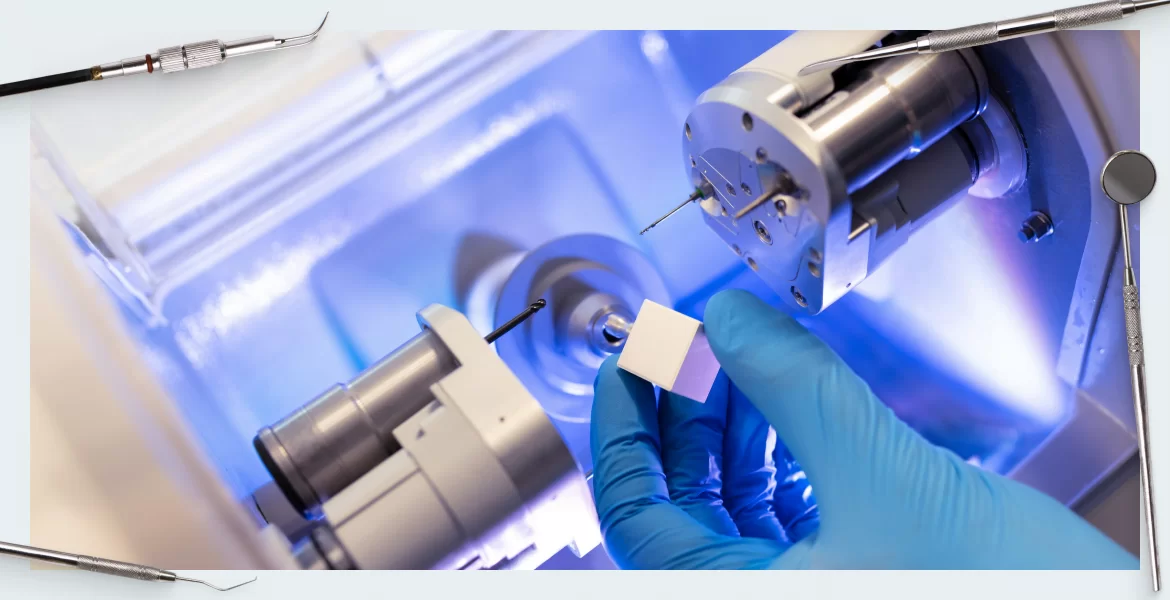
Digital Dentistry Technical Review 2026
Target Audience: Dental Laboratories & Digital Clinics
Brand: Carejoy Digital
Focus: Advanced Digital Dentistry Solutions (CAD/CAM, 3D Printing, Imaging)
Manufacturing & Quality Control in Chinese Dental Milling Technology
China has emerged as a global epicenter for high-precision dental milling equipment manufacturing, driven by vertically integrated supply chains, aggressive R&D investment, and strict adherence to international regulatory frameworks. Carejoy Digital operates from an ISO 13485:2016 certified manufacturing facility in Shanghai, ensuring medical-grade quality management across the entire product lifecycle—from design and production to post-market surveillance.
Core Manufacturing Workflow
| Stage | Process | Technology & Compliance |
|---|---|---|
| Design & Simulation | AI-driven CAD modeling, finite element analysis (FEA) for stress prediction | Open architecture support (STL, PLY, OBJ); integrated with cloud-based AI scanning algorithms |
| Component Fabrication | CNC machining of aluminum housings, ceramic bearings, and linear guide rails | Tolerance control: ±1.5 µm; in-house metrology lab with laser interferometers |
| Assembly | Modular integration of spindles (up to 60,000 RPM), stepper motors, and optical encoders | ESD-protected cleanrooms (Class 10,000); traceability via QR-coded component tracking |
| Sensor Calibration | Real-time calibration of force feedback, spindle vibration, and tool wear sensors | On-site ISO/IEC 17025-accredited calibration lab; NIST-traceable standards |
| Software Integration | Firmware flashing, AI scanning optimization, and open API deployment | Continuous OTA updates; compatibility with major dental CAD platforms |
Quality Control & Durability Testing
Every Carejoy Digital milling unit undergoes a 72-hour accelerated life cycle test simulating 5+ years of clinical use. The QC protocol includes:
- Vibration Analysis: FFT-based monitoring of spindle harmonics to detect imbalance or bearing degradation.
- Thermal Stress Testing: Operation at 40°C ambient for 120 hours to validate cooling efficiency and material stability.
- Tool Path Repeatability: Sub-micron verification using calibrated ruby probes and coordinate measuring machines (CMM).
- Dry Run Cycles: 10,000+ automated milling cycles with ceramic and zirconia blanks to assess wear resistance.
| Test Parameter | Standard | Pass Threshold |
|---|---|---|
| Positional Accuracy | ISO 13485 Annex D | ≤ ±3 µm over 50 mm travel |
| Spindle Runout | DIN 620-2 | ≤ 1.0 µm TIR |
| Long-Term Drift (72h) | Carejoy Internal QMS-2026 | ≤ 2.5 µm deviation |
| MTBF (Mean Time Between Failures) | IEC 60601-1 | ≥ 15,000 hours |
Why China Leads in Cost-Performance Ratio
China’s dominance in digital dental equipment stems from a confluence of strategic advantages:
- Vertical Integration: Domestic access to high-grade ceramics, precision bearings, and rare-earth magnets reduces supply chain latency and import costs.
- Automation at Scale: Fully automated SMT lines and robotic calibration cells enable high-volume production without sacrificing precision.
- R&D Density: Over 400 dental tech patents filed in Shanghai and Shenzhen in 2025 alone, with strong university-industry collaboration in AI and mechatronics.
- Regulatory Agility: CFDA (NMPA) alignment with EU MDR and FDA 510(k) pathways accelerates global market entry.
- Open Architecture Ecosystem: Carejoy Digital’s platform supports STL/PLY/OBJ interoperability, reducing clinic lock-in and enabling seamless integration with third-party software.
As a result, Chinese manufacturers like Carejoy Digital deliver sub-5 µm milling accuracy at 40–60% lower TCO (Total Cost of Ownership) compared to legacy European or North American systems—without compromising compliance or reliability.
Support & Continuous Innovation
Carejoy Digital provides 24/7 technical remote support with real-time diagnostics via secure cloud connectivity. Customers receive bi-weekly software updates featuring AI-driven scanning enhancements, new material libraries, and predictive maintenance alerts. All firmware updates are validated under ISO 13485 change control protocols.
Email: [email protected]
Global Support Portal: https://support.carejoydental.com
Upgrade Your Digital Workflow in 2026
Get full technical data sheets, compatibility reports, and OEM pricing for Dental Milling Technology.
✅ Open Architecture
Or WhatsApp: +86 15951276160