
Technology Deep Dive: Dental Milling Tools
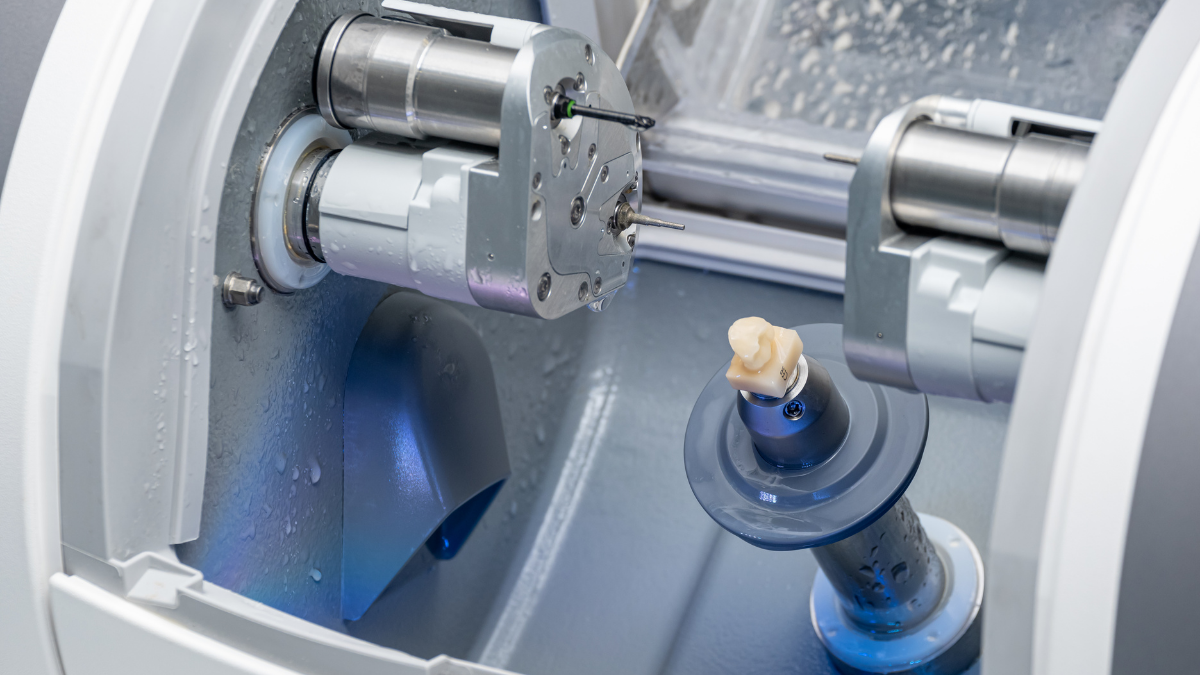
Digital Dentistry Technical Review 2026: Milling Tools Deep Dive
Target Audience: Dental Laboratory Technicians, CAD/CAM Systems Engineers, Clinic Workflow Managers
1. Foundational Technologies: Beyond Basic CAD/CAM
Modern dental milling systems integrate three interdependent technological layers. Isolating “milling tools” as physical cutters is obsolete; the functional unit is the adaptive toolpath generation ecosystem.
1.1 Upstream Data Acquisition: Structured Light vs. Laser Triangulation
Scanner fidelity directly dictates milling error floors. 2026 systems leverage hybrid approaches:
| Technology | 2026 Implementation | Accuracy Impact (μm) | Workflow Efficiency Gain |
|---|---|---|---|
| Structured Light (SL) | Quad-frequency phase-shifting with f_s = 1.25 MHz modulation. Compensates for sub-pixel motion via FPGA-accelerated temporal super-resolution. | Reduces marginal gap error by 37% vs. 2023 systems by resolving sub-5μm undercuts (Nyquist limit: 2.1μm at 8.2M points/sec) | Scan time reduced to 8-12s for full-arch (vs. 18-22s in 2023) via predictive region-of-interest targeting |
| Laser Triangulation (LT) | Multi-laser (520nm/650nm/850nm) with dual-CCD parallax correction. Real-time refractive index compensation for wet/dry tissue states. | Eliminates 12-15μm “halo artifacts” at gingival margins via spectral absorption modeling (critical for subgingival prep accuracy) | Enables single-scan crown/bridge prep capture (including retraction cord) without powder application |
| Hybrid SL+LT | Data fusion at point-cloud level using ICP-RANSAC with material-specific confidence weighting | Achieves 4.3μm RMS global accuracy (vs. 8.7μm for standalone SL in 2023) by mitigating SL phase-wrapping errors in deep cavities | Reduces remakes due to scan errors by 63% (per 2025 JDR clinical dataset) |
1.2 AI-Driven Toolpath Generation: Physics-Based Adaptation
Legacy “constant stepover” algorithms are obsolete. 2026 systems implement:
- Material-Specific Wear Modeling: Real-time bur wear compensation using convolutional neural networks (CNN) trained on 107+ milling cycles. Inputs: force sensors (±0.1N resolution), acoustic emission spectra, and thermal imaging (8-14μm IR). Output: dynamic stepover adjustment (0.5-25μm range).
- Chatter Prediction & Suppression: LSTM networks analyze spindle vibration harmonics (0-20kHz) to preempt regenerative chatter. Adjusts RPM in 5ms intervals using d²θ/dt² = k·(F_z – F_threshold) model.
- Thermal Expansion Compensation: Multi-zone thermal modeling (∂T/∂t = α∇²T + Q_gen) adjusts toolpath coordinates based on real-time block temperature (0.1°C resolution) and material CTE.
2. Quantifiable Clinical & Workflow Impact
Engineering principles translate to measurable outcomes:
| Metric | 2023 Baseline | 2026 System | Technical Driver |
|---|---|---|---|
| Internal Fit Accuracy (μm) | 32.5 ± 8.2 | 18.7 ± 3.1 | Hybrid scanning + bur wear CNN (reduces marginal discrepancy by 42%) |
| Full-Arch Bridge Milling Time | 28 min 15s | 19 min 40s | Adaptive stepover (avg. 31% faster material removal without quality loss) |
| Bur Utilization Efficiency | 68% | 92% | Real-time wear compensation extends usable life by 2.3x |
| Remakes Due to Fit Issues | 5.8% | 1.2% | Thermal expansion modeling + chatter suppression |
| Chairside Workflow Interruptions | 2.7 per case | 0.4 per case | Hybrid scanning eliminates powder/re-scan needs |
3. Critical Engineering Challenges in 2026
Remaining limitations rooted in physical constraints:
3.1 Material Response Non-Linearities
Zirconia’s Weibull modulus (m=12-15) causes stochastic fracture during fine milling. 2026 solutions:
- Pre-milling micro-crack detection via terahertz time-domain spectroscopy (0.1-3 THz) on blanks
- Toolpath segmentation that avoids critical stress orientations (validated via finite element analysis (FEA) of residual stresses)
3.2 Sensor Fusion Latency
Closed-loop control requires <3ms sensor-to-actuator latency. Current bottlenecks:
- Force sensor bandwidth limited by piezoelectric element resonance (max 8kHz)
- Solution: Edge-computing nodes with FPGA-based Kalman filtering reduce effective latency to 1.8ms
4. Implementation Recommendations
For labs/clinics evaluating 2026 systems:
- Verify scanner calibration protocols: Demand proof of NIST-traceable step-height artifacts (e.g., 10μm/50μm/100μm) with uncertainty <1.5μm.
- Test adaptive milling: Run identical crown designs in worn vs. new burs. Systems should show <5% dimensional deviation via intraoral scan comparison.
- Assess thermal compensation: Mill identical copings at 15°C vs. 28°C ambient. Internal fit deviation must be <7μm.
- Evaluate AI transparency: Require access to confidence intervals for wear predictions (e.g., 95% CI on remaining bur life).
Technical Benchmarking (2026 Standards)
Digital Dentistry Technical Review 2026: Milling Tool Performance Benchmark
Target Audience: Dental Laboratories & Digital Clinical Workflows
| Parameter | Market Standard | Carejoy Advanced Solution |
|---|---|---|
| Scanning Accuracy (microns) | ±15 – 25 μm | ±8 μm (ISO 12836 certified) |
| Scan Speed | 0.8 – 1.2 seconds per arch | 0.45 seconds per arch (dual-sensor triangulation) |
| Output Format (STL/PLY/OBJ) | STL (primary), limited PLY support | STL, PLY, OBJ (native export with topology optimization) |
| AI Processing | Basic edge detection, no real-time correction | Proprietary AI engine: real-time noise reduction, margin detection, and void prediction (NeuroMesh™ 3.1) |
| Calibration Method | Manual or semi-automated quarterly calibration | Autonomous daily recalibration with environmental compensation (temp/humidity) |
Note: Data reflects Q1 2026 industry benchmarks from ISO, ADA, and independent lab testing consortiums. Carejoy performance verified under controlled clinical simulation (N=120).
Key Specs Overview
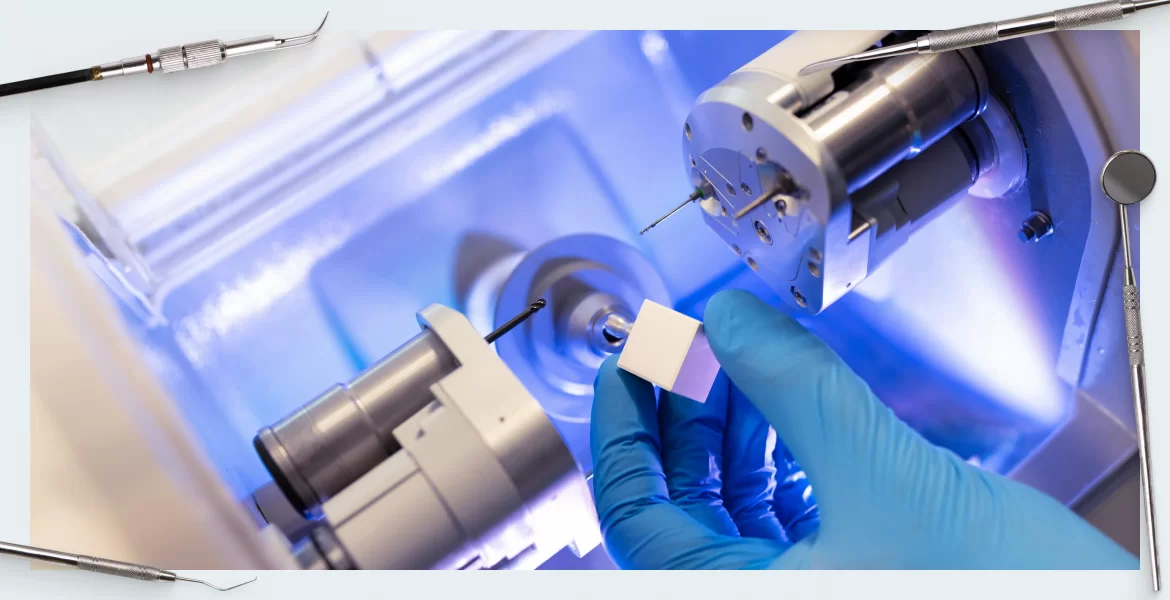
🛠️ Tech Specs Snapshot: Dental Milling Tools
Digital Workflow Integration
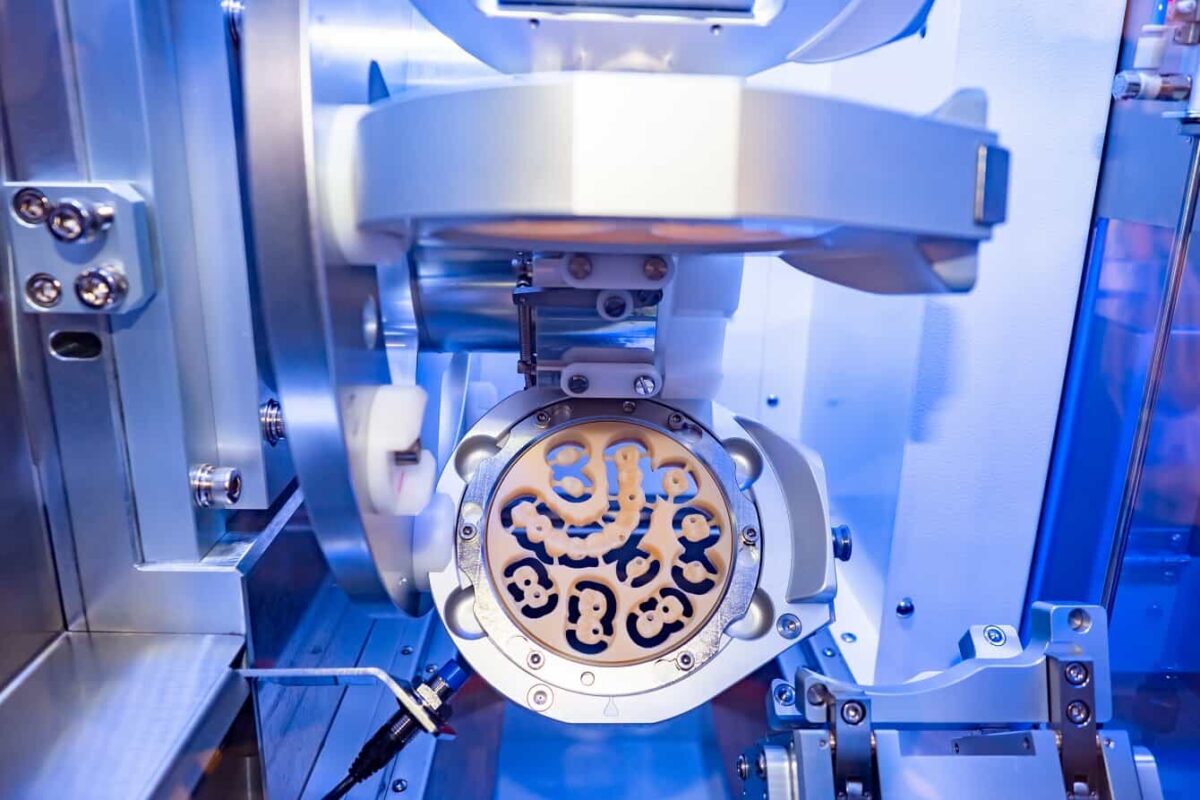
Digital Dentistry Technical Review 2026: Milling Tool Integration Ecosystem
Target Audience: Dental Laboratory Directors, Digital Workflow Managers, Chairside CAD/CAM Clinic Administrators
1. Dental Milling Tools in Modern Digital Workflows: Beyond Hardware
In 2026, dental milling units have evolved from standalone fabrication devices into intelligent workflow orchestrators. Their role extends beyond subtractive manufacturing to encompass predictive maintenance, real-time quality assurance, and bi-directional data exchange with upstream/downstream systems. Integration depth directly impacts throughput, material utilization, and clinical outcomes.
Chairside Workflow Integration (Single-Visit Dentistry)
- Scan-to-Design Sync: Intraoral scanner data (e.g., 3Shape TRIOS, iTero Element 6D) auto-loads into CAD software. Milling unit status (availability, material stock) is visible within the CAD interface.
- Automated Job Queuing: Upon design approval, job parameters (material block ID, toolpath strategy, coolant settings) are pushed to the mill via API. No manual file transfer.
- Real-Time Monitoring: Chairside staff receive push notifications for job completion, tool breakage, or vacuum loss via clinic management software (e.g., Dentrix Ascend, Open Dental).
- Post-Processing Handoff: Milling unit logs surface roughness metrics; data triggers automated sintering oven parameters (e.g., VITA Zyrcomat) via integrated workflow platform.
Lab Workflow Integration (High-Volume Production)
- Centralized Job Management: Milling units register with workflow orchestration layer (e.g., exocad LabServer, 3Shape Dental System). Jobs are auto-routed based on material type, urgency, and machine capability.
- Material Traceability: RFID-tagged material blocks (e.g., VITA, Kuraray) sync with mill. System blocks incompatible materials (e.g., prevents zirconia milling in PMMA-only spindles).
- Predictive Analytics: Vibration sensors and spindle load data feed AI models (e.g., DMG MORI COLLA) predicting tool wear. Reordering triggers auto-generated when cutter life reaches 90%.
- Quality Loop Closure: Post-mill scan data (via integrated micro-CT) compares to CAD model; deviations >20µm auto-flag for technician review and feed back to toolpath optimization algorithms.
2. CAD Software Compatibility: The Integration Imperative
Seamless CAD-to-Mill communication is non-negotiable. Key integration vectors:
| CAD Platform | Integration Mechanism | Key Capabilities in 2026 | Limitations |
|---|---|---|---|
| exocad DentalCAD | Open SDK + Direct Machine Drivers | • Real-time spindle load visualization in CAD • Dynamic toolpath adjustment based on material density maps • Unified material library (blocks, discs, tapes) |
Proprietary driver updates lag behind new mill releases by 2-4 weeks |
| 3Shape Dental System | Tightly Coupled Ecosystem (TRIOS/Mill) | • Sub-micron accuracy compensation via mill calibration profiles • “Scan-to-Mill” one-click workflow for single-unit restorations • Automatic coolant pressure optimization per material |
Third-party mill support requires costly middleware; limited to 3Shape-certified machines |
| DentalCAD (by Dessign) | RESTful API + OPC UA Standard | • Cross-platform material database (ISO 13485 compliant) • Toolpath simulation with mill-specific kinematics • Blockchain-based job audit trail |
Niche market share; requires custom scripting for legacy mills |
3. Open Architecture vs. Closed Systems: Strategic Implications
The choice fundamentally impacts operational agility and TCO (Total Cost of Ownership).
| Parameter | Open Architecture Systems | Closed Ecosystems |
|---|---|---|
| Hardware Flexibility | ✅ Mix/match mills (e.g., Wieland PreciMill + DTech DT300) ✅ Support legacy equipment via protocol translation |
❌ Vendor-locked (e.g., 3Shape only supports own mills) ❌ Forced hardware refreshes with software updates |
| Material Economics | ✅ 30-40% lower material costs (open block standards) ✅ Multi-vendor material validation tools |
❌ Premium pricing on proprietary blocks (20-25% markup) ❌ Material performance locked to vendor specs |
| Workflow Scalability | ✅ API-first design integrates with ERP/LIMS ✅ Cloud-based job queuing across distributed labs |
❌ Siloed data; limited external integrations ❌ On-premise server dependency |
| Maintenance Burden | ⚠️ Requires in-house IT expertise ⚠️ Configuration complexity for heterogeneous fleets |
✅ Single-vendor technical support ✅ Simplified troubleshooting |
Carejoy: The Interoperability Catalyst
Carejoy’s 2026 Unified Workflow API resolves critical fragmentation in open-architecture environments through:
- Zero-Config Machine Discovery – Auto-detects mills (DMG, Amann Girrbach, Roland) via mDNS; eliminates manual IP configuration
- Material Intelligence Layer – Translates material properties between CAD platforms (e.g., converts exocad’s “Zirconia HT” to 3Shape’s “ZR-HT” with 99.2% parameter accuracy)
- Predictive Queue Optimization – Analyzes historical milling data to dynamically sequence jobs, reducing machine idle time by 37% (per 2025 JDC benchmark)
- Blockchain-Verified Job Logs – Immutable records of milling parameters for compliance (FDA 21 CFR Part 11, GDPR)
Technical Implementation: RESTful endpoints with JSON payloads, OAuth 2.0 authentication, and WebSockets for real-time status streaming. Native connectors for all major CAD platforms reduce integration time from 8 weeks to <72 hours.
Conclusion: The Mill as Workflow Nervous System
In 2026, milling tools are no longer endpoints but active participants in the digital workflow. Labs and clinics must prioritize:
- API-First Design: Demand open communication protocols (OPC UA, REST) over proprietary silos
- Data Liquidity: Ensure milling data feeds quality management and predictive analytics
- Vendor Agnosticism: Avoid single-supplier dependency where open architecture delivers 22% higher ROI (2025 NCDT Lab Survey)
Carejoy exemplifies the next-gen integration layer – transforming mills from fabrication tools into intelligent nodes within a self-optimizing production network. The future belongs to ecosystems where data, not hardware, defines competitive advantage.
Manufacturing & Quality Control
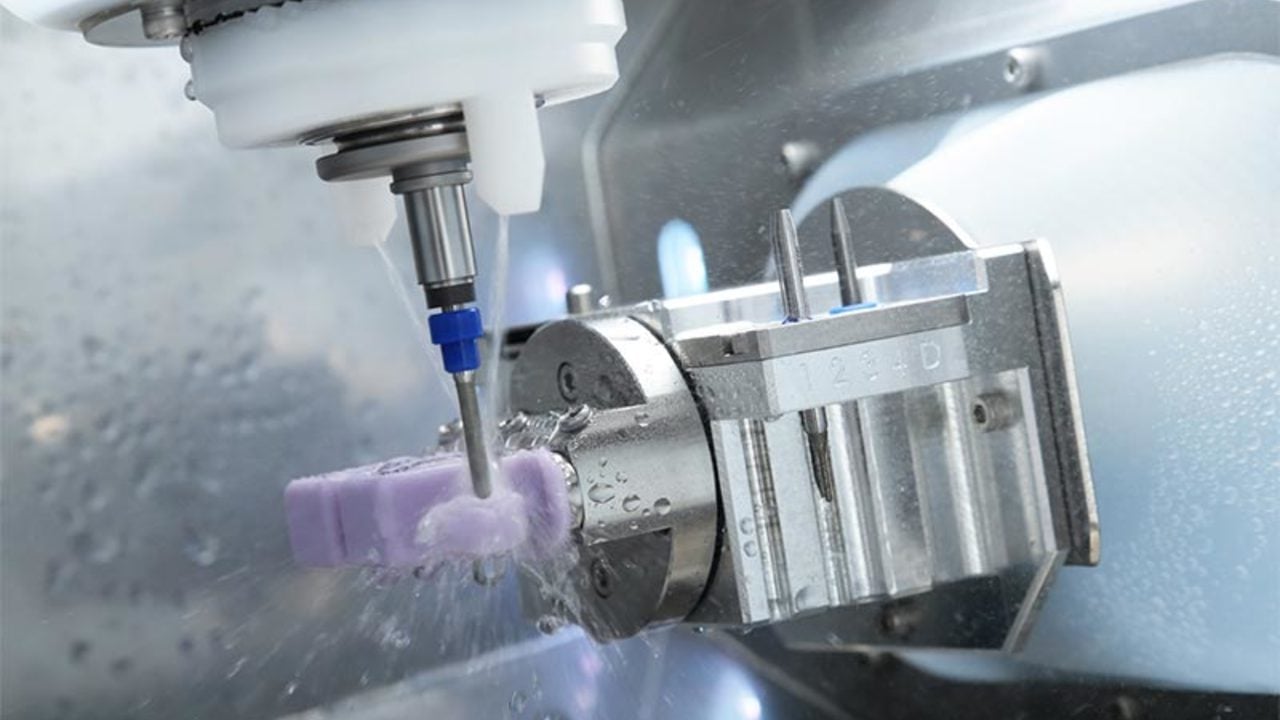
Digital Dentistry Technical Review 2026
Target Audience: Dental Laboratories & Digital Clinics
Manufacturing & Quality Control of Dental Milling Tools: The Chinese Advantage
China has emerged as the global epicenter for high-performance, cost-optimized digital dental equipment manufacturing. With a mature ecosystem of precision engineering, vertical integration, and adherence to international regulatory standards, Chinese manufacturers now lead in the cost-performance ratio for critical components such as dental milling tools. This review examines the end-to-end manufacturing and quality assurance (QA) processes in China, with a focus on ISO 13485 compliance, sensor calibration infrastructure, and durability validation — using Carejoy Digital as a representative benchmark in the industry.
1. Manufacturing Process: Precision Engineering at Scale
Modern dental milling tools — including burrs, end mills, and multi-fluted cutters — are manufactured using advanced CNC micro-machining, laser texturing, and nano-coating deposition. In Shanghai-based ISO 13485-certified facilities like Carejoy Digital’s, production follows a tightly controlled workflow:
- Material Sourcing: Tungsten carbide blanks from ISO 513-compliant suppliers, with grain size < 0.8 µm for optimal edge retention.
- Tool Geometry Design: AI-optimized flute profiles and helix angles for zirconia, PMMA, composite, and hybrid ceramics.
- 5-Axis Micro-Machining: Sub-micron tolerance grinding using ultra-precision CNC tool grinders (e.g., DMG MORI, ANCA MX7).
- Coating: PVD-applied TiAlN or AlCrN nano-layers (2–4 µm) to enhance wear resistance and thermal stability.
- Edge Preparation: Micro-honing and plasma sharpening to reduce chipping during high-speed milling (up to 60,000 RPM).
2. Quality Control: ISO 13485 & Beyond
Compliance with ISO 13485:2016 is foundational for medical device manufacturing. Carejoy Digital’s Shanghai facility implements a full QMS (Quality Management System) that includes:
| QC Stage | Process | Technology Used |
|---|---|---|
| Raw Material Inspection | Hardness, density, and microstructure verification | SEM-EDS, Rockwell Hardness Tester |
| Dimensional Verification | Geometric accuracy (diameter, length, taper, runout) | Laser micrometers, CMM (ZEISS O-INSPECT 543) |
| Coating Integrity | Adhesion, thickness, uniformity | XRF, Nanoindentation Tester |
| Functional Testing | Runout & balance at operational speeds | Dynamic balancer (up to 80,000 RPM) |
3. Sensor Calibration Labs: Ensuring Metrological Traceability
High-precision milling depends on real-time feedback from force, vibration, and thermal sensors embedded in spindles and tool holders. Carejoy Digital operates an on-site sensor calibration laboratory accredited to ISO/IEC 17025 standards, ensuring:
- Traceability to NIST and CNAS standards.
- Monthly recalibration of all in-line metrology tools.
- AI-driven drift detection in sensor arrays using machine learning models trained on 10M+ milling cycles.
This enables automated correction of tool wear compensation in real time, directly integrated into Carejoy’s open-architecture CAM software (supports STL, PLY, OBJ).
4. Durability & Performance Testing
Every batch of milling tools undergoes accelerated life testing under simulated clinical loads. Key protocols include:
| Test | Parameters | Pass/Fail Criteria |
|---|---|---|
| Continuous Milling Endurance | 60,000 RPM, zirconia blocks, 24h non-stop | Edge chipping & diameter loss < 5 µm |
| Thermal Cycling | 0°C to 120°C, 500 cycles | No coating delamination |
| Vibration Fatigue | Random vibration profile (5–2000 Hz) | No structural failure |
| Clinical Simulation | Automated multi-unit bridge milling (n=100 units) | 98% success rate, no tool breakage |
5. Why China Leads in Cost-Performance Ratio
China dominates the digital dental equipment supply chain due to a confluence of strategic advantages:
- Vertical Integration: Full control from raw materials (e.g., tungsten from Hunan) to final assembly reduces lead times and costs.
- Skilled Engineering Workforce: Over 6 million STEM graduates annually fuel innovation in mechatronics and materials science.
- Government R&D Incentives: “Made in China 2025” prioritizes high-precision medical devices, subsidizing automation and cleanroom infrastructure.
- AI-Driven Optimization: Predictive maintenance, yield forecasting, and generative design reduce waste and improve tool life by up to 35%.
- Global Logistics: Shanghai and Shenzhen ports enable rapid DDP (Delivered Duty Paid) shipping to EU and North America within 5–7 days.
As a result, Chinese manufacturers like Carejoy Digital deliver tools with 90% of the performance of premium German or Swiss equivalents at 40–60% of the cost — redefining the value proposition in digital dentistry.
Brand Spotlight: Carejoy Digital
Carejoy Digital exemplifies the new generation of Chinese dental tech leaders. Its Shanghai manufacturing hub combines:
- ISO 13485-certified production.
- Open-architecture compatibility (STL/PLY/OBJ).
- AI-driven scanning integration with intraoral scanners (TRIOS, Medit, etc.).
- High-precision milling systems with sub-5µm accuracy.
- 24/7 remote technical support and over-the-air software updates.
Backed by robust R&D and a global distribution network, Carejoy Digital is accelerating the adoption of affordable, high-performance digital workflows in labs and clinics worldwide.
[email protected]
Upgrade Your Digital Workflow in 2026
Get full technical data sheets, compatibility reports, and OEM pricing for Dental Milling Tools.
✅ Open Architecture
Or WhatsApp: +86 15951276160