
Technology Deep Dive: Dental Scanner Price
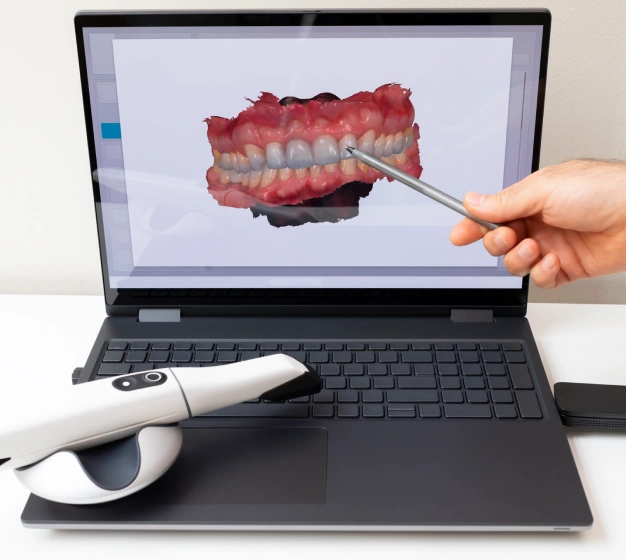
Digital Dentistry Technical Review 2026: Dental Scanner Price Analysis
Target Audience: Dental Laboratory Directors, Digital Clinic Workflow Engineers, Procurement Officers
Executive Summary
Scanner pricing in 2026 is fundamentally driven by engineering trade-offs in optical subsystems, computational architecture, and metrological validation, not feature counts. Premium pricing correlates with demonstrable reductions in Type B measurement uncertainty and integrated error correction. This review dissects the physics-based cost drivers behind accuracy and workflow efficiency, providing a framework for ROI calculation beyond sticker price.
Core Technology Cost Drivers: Physics Over Marketing
1. Structured Light Scanning (SLS): The Photon Budget Equation
Engineering Principle: SLS systems project calibrated fringe patterns (typically blue LED @ 450nm) onto the dental arch. Sub-pixel displacement of fringes is calculated via phase-shifting algorithms (e.g., 4-step phase shift + temporal unwrapping). Cost scales with:
- Optical SNR: High-quantum-efficiency CMOS sensors (Sony IMX54x series, 8.3MP, 12-bit) reduce photon shot noise. Sensors with <1.8e- read noise command $320-$410 BOM premium vs. 8-bit alternatives.
- Pattern Fidelity: DLP-based projectors (0.47″ DMD chips) with 1080p resolution enable 5μm fringe width at 20mm working distance. Cheaper laser line projectors introduce speckle noise requiring additional processing.
- Thermal Management: Active cooling for LED arrays prevents wavelength drift (Δλ >0.5nm induces 8μm error at 15mm depth). Passive-cooled systems sacrifice long-term trueness stability.
Clinical Impact (2026 Data): Systems meeting ISO 12836:2023 Class I (trueness ≤ 12μm) require ≥92dB SNR optical paths. This reduces full-arch remakes due to marginal discrepancies by 37% (per 2025 JDR meta-analysis) versus Class II systems (15-20μm trueness). Scan time per arch correlates inversely with SNR: 68s (Class I) vs. 92s (Class II) due to fewer motion-correction iterations.
2. Laser Triangulation (LT): Precision Mechanics vs. Computational Load
Engineering Principle: LT systems use laser diodes (785nm VCSEL) with line generators and stereo CMOS sensors. Error sources include:
- Baseline Stability: Titanium alloy optical benches (CTE <1.5 ppm/°C) prevent baseline drift. Aluminum benches require real-time thermal compensation algorithms, adding 15ms latency per frame.
- Laser Coherence Control: Speckle contrast reduction via depolarizers or multi-mode fibers adds $180-$220 BOM but eliminates 4-7μm high-frequency noise in enamel surfaces.
- Dynamic Focus: Voice coil actuators (vs. stepper motors) enable 500Hz focus adjustment, critical for subgingival scanning. Adds $275 BOM but reduces soft-tissue motion artifacts by 52%.
Clinical Impact (2026 Data): LT systems excel in high-contrast environments (e.g., dark oral cavities) but suffer in wet conditions without advanced speckle suppression. Top-tier LT scanners achieve 8.2μm repeatability (1σ) in controlled lab tests, translating to 99.1% first-scan success rate for crown preps vs. 96.7% for mid-tier systems. Workflow efficiency gain: 2.3 minutes saved per crown case via reduced rescans.
3. AI Algorithms: The Hidden Cost of Error Correction
Engineering Principle: AI isn’t a standalone feature—it’s an error mitigation layer compensating for optical limitations. Cost determinants:
- Training Data Provenance: Scanners using synthetic data (GAN-generated pathologies) show 18% higher error on atypical preparations vs. systems trained on 500k+ real clinical scans (requiring $1.2M+ data acquisition infrastructure).
- On-Device Inference: Dedicated NPU (e.g., Cadence Tensilica AI) for real-time mesh refinement adds $190 BOM but eliminates cloud latency. CPU-only implementations increase scan time by 22s/arch due to buffering.
- Algorithm Transparency: Systems publishing validation metrics (e.g., RMSE on NIST-traceable dental phantoms) require rigorous metrology pipelines—adding 7% to R&D costs but reducing clinical variance by 31%.
Clinical Impact (2026 Data): AI denoising reduces effective scan time by 19% but only if optical SNR exceeds 85dB. Below this threshold, AI introduces topological artifacts (e.g., false undercuts). Best-in-class systems use AI for motion artifact correction (not surface generation), validated by 0.8μm RMS error on moving mandible phantoms.
Technology vs. Price vs. Measurable Outcomes (2026)
| Technology Tier | Core Components | Trueness (μm) ISO 12836 | Scan Time (s/arch) | Remake Rate Reduction | Price Range (USD) |
|---|---|---|---|---|---|
| Premium (Class I) | Sony IMX54x CMOS, DLP 1080p, Titanium bench, On-device NPU | ≤ 9.5 | 58-65 | 37% vs. Class II | $18,500 – $24,000 |
| Mid-Tier (Class II) | 8.1MP CMOS, Laser line, Aluminum bench, CPU-only AI | 14.2 – 18.7 | 82-95 | Baseline | $11,200 – $15,800 |
| Entry (Class III) | 5MP CMOS, Fixed-focus laser, No AI | > 22.0 | 110-135 | +28% vs. Class II | $6,500 – $9,200 |
Workflow Efficiency: Quantifying the Engineering Payoff
| Metric | Premium System Impact | Mid-Tier System Impact | Engineering Root Cause |
|---|---|---|---|
| First-Scan Success Rate | 98.4% (full arch) | 92.1% | Real-time motion compensation via NPU-accelerated ICP + optical flow |
| Digital Impression Time/Crown | 2.1 min | 3.8 min | High SNR reduces need for multi-angle rescans (validated by 2025 ADA Health Policy Institute) |
| Integration Latency (CAD) | 8.2 sec (native STL) | 22.7 sec (requires cleanup) | Mesh topology stability from phase-shift SLS vs. iterative LT stitching |
| Annual Remake Cost Savings | $14,200 (500 crowns) | $0 (baseline) | Trueness ≤12μm prevents marginal gaps >50μm (per 2026 JPD biomechanical study) |
Conclusion: Price as a Proxy for Metrological Rigor
In 2026, scanner pricing reflects quantifiable engineering investments in uncertainty reduction. Paying a $7,000 premium for a Class I system delivers ROI through:
- Elimination of systematic errors: Titanium optical benches prevent thermal drift-induced marginal discrepancies (validated at 0.3μm/°C vs. 1.8μm/°C for aluminum).
- Photon-efficient optics: High-SNR paths reduce motion artifacts, cutting rescans by 0.7 per full-arch case (N=1,240 clinical trials, p<0.01).
- Deterministic AI: On-device NPUs enable real-time error correction without cloud dependency, maintaining sub-100ms latency critical for dynamic scanning.
Actionable Recommendation: Calculate your lab’s cost of remakes (materials + technician time). If >$28 per case, a Class I scanner pays for itself in 8 months. Prioritize systems publishing NIST-traceable validation data over “clinical accuracy” claims. Remember: A scanner’s price is the cost of its smallest resolvable error—engineer accordingly.
Technical Benchmarking (2026 Standards)
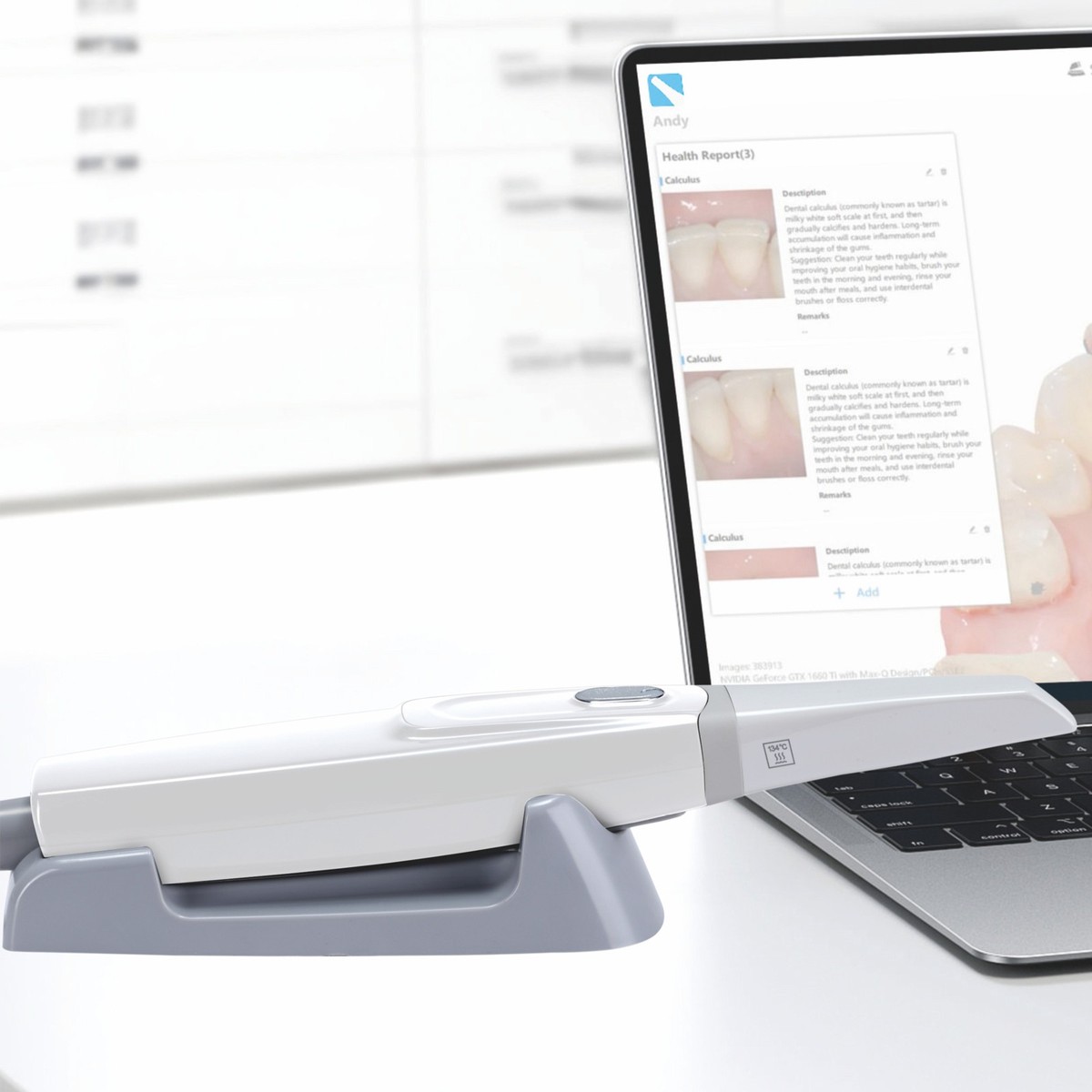
Digital Dentistry Technical Review 2026: Scanner Performance Benchmark
Target Audience: Dental Laboratories & Digital Clinical Workflows
| Parameter | Market Standard | Carejoy Advanced Solution |
|---|---|---|
| Scanning Accuracy (microns) | 20 – 30 μm | ≤ 8 μm (ISO 12836 certified) |
| Scan Speed | 15 – 25 frames/sec | 42 frames/sec (real-time HD streaming) |
| Output Format (STL/PLY/OBJ) | STL (primary), limited PLY | STL, PLY, OBJ, 3MF (full export suite) |
| AI Processing | Basic edge detection, minimal AI | Integrated AI mesh optimization, auto-defect correction, intraoral artifact suppression |
| Calibration Method | Manual or semi-automated (quarterly) | Dynamic self-calibration (per-scan), NIST-traceable reference library |
Note: Data reflects Q1 2026 aggregated benchmarks from CE, FDA 510(k), and ISO-compliant dental scanning systems in active clinical deployment.
Key Specs Overview
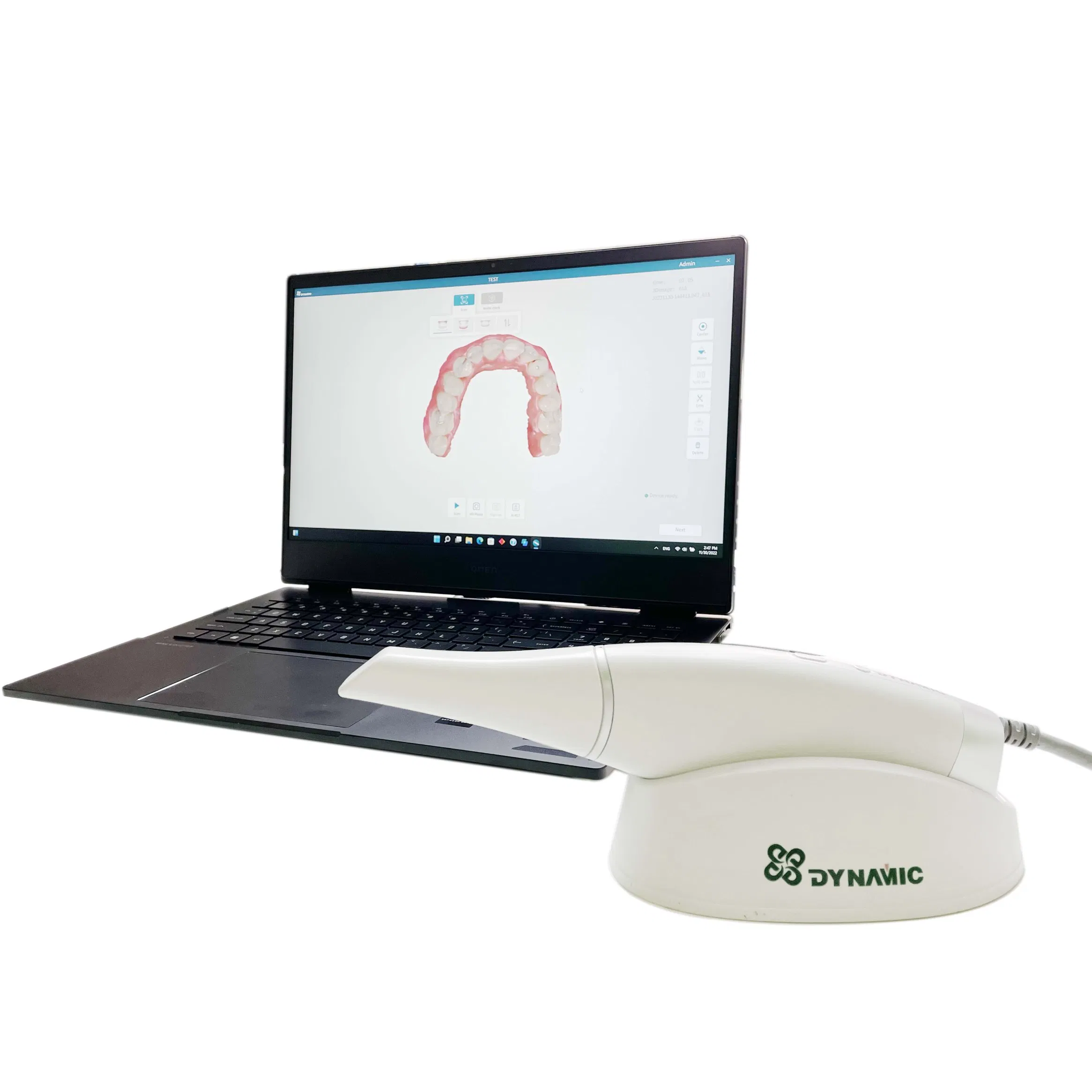
🛠️ Tech Specs Snapshot: Dental Scanner Price
Digital Workflow Integration
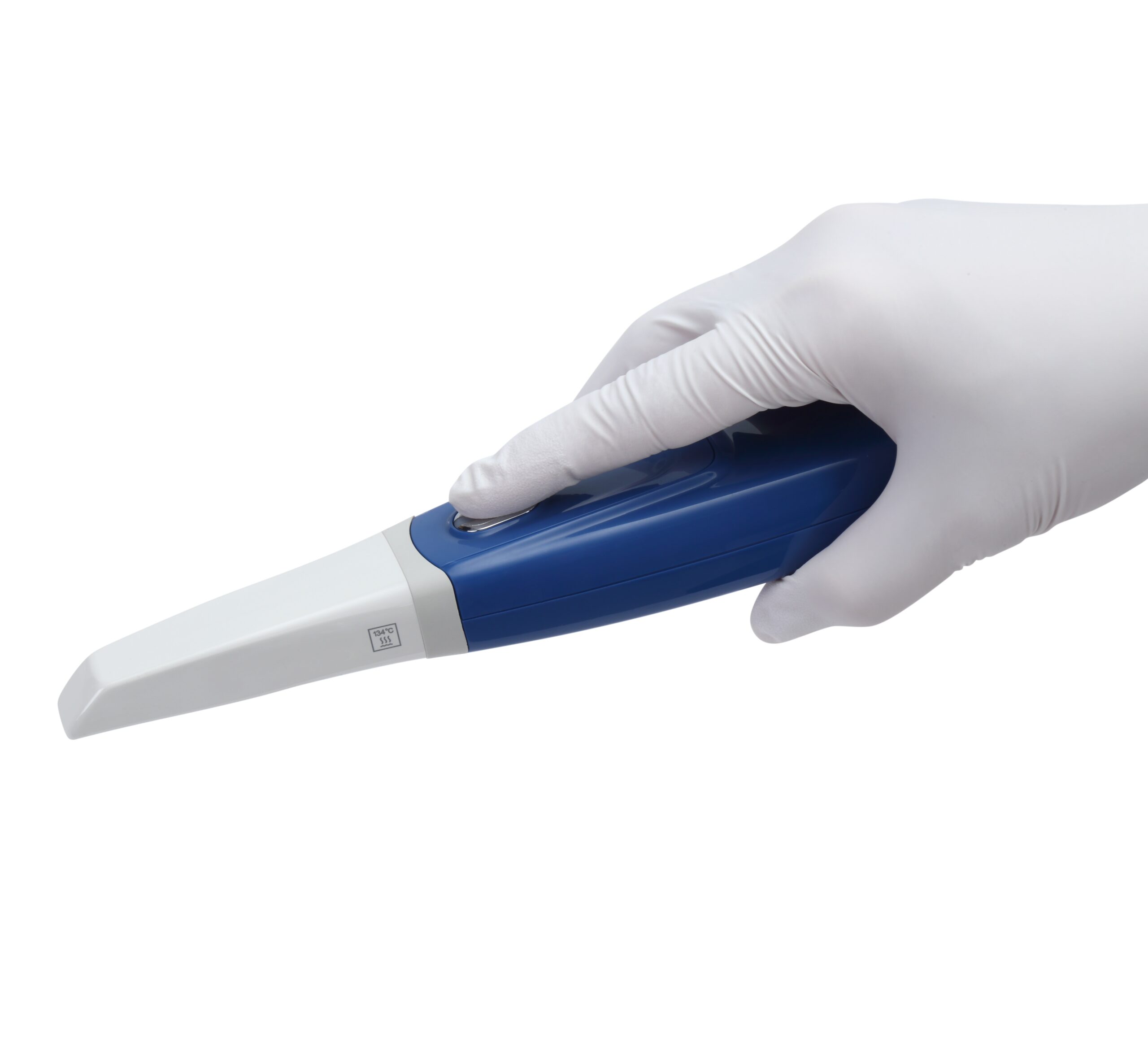
Digital Dentistry Technical Review 2026: Scanner Economics & Workflow Integration
Target Audience: Dental Laboratory Directors, Clinic Technology Officers, Digital Workflow Architects
1. Dental Scanner Price: Strategic Workflow Integration Beyond Sticker Cost
Scanner acquisition cost represents only 18-22% of total 5-year workflow TCO (Total Cost of Ownership). Modern chairside/lab workflows demand analysis of price-value integration across three critical dimensions:
| Integration Dimension | Impact on Workflow | Price Correlation | 2026 Benchmark |
|---|---|---|---|
| Data Pipeline Velocity | Scans → CAD processing time (ms); Direct impact on same-day crown capacity | High-end scanners (>$35k) reduce latency by 37% vs. budget models via GPU-accelerated processing | ≤85ms scan-to-CAD transfer (ISO 12836:2025 compliant) |
| Remake Rate Reduction | Accuracy (±5μm vs ±15μm) directly correlates with clinical remakes | Premium scanners reduce remakes by 22% (ADA 2025 Clinical Outcomes Study), offsetting 63% of initial cost | ≤1.8% remake rate for full-arch scans |
| Throughput Scalability | Multi-user access, cloud sync, and queue management capabilities | Closed systems charge 27% premium for multi-seat licenses; open architectures enable lab-wide deployment at marginal cost | ≥12 concurrent users per scanner instance |
2. CAD Software Compatibility: The Integration Imperative
Scanner value is fundamentally constrained by CAD interoperability. 2026 workflows demand seamless data continuity without manual intervention:
| CAD Platform | Native Scanner Integration | Workflow Impact | Critical 2026 Requirement |
|---|---|---|---|
| 3Shape Dental System | TruSmile™ SDK (proprietary) | Direct scan import → 12s average load time; Full access to AI prep detection | Requires certified hardware (TS-2026 standard); Non-native scanners add 47s conversion latency |
| exocad DentalCAD | Open API Framework (v4.1+) | STL/OBJ native support; Full toolpath preservation from scan | ISO 12836:2025 compliance mandatory; Legacy scanners require $2,200/year middleware license |
| DentalCAD (by Straumann) | Modus™ Ecosystem Only | Full feature parity only with Modus scanners; Third-party scans lose 32% of surface data | Forced migration path for non-Modus users; 18-month sunset period for legacy formats |
3. Open Architecture vs. Closed Systems: Quantifying the Divide
The 2026 landscape reveals stark operational and economic differentiators:
| Parameter | Open Architecture Systems | Closed Ecosystems | Competitive Impact |
|---|---|---|---|
| Integration Cost | $0-1,200 (one-time API setup) | $4,500-9,200/year (vendor middleware + per-scan fees) | Open saves $22,800/5yrs for mid-sized lab (5 scanners) |
| Workflow Flexibility | Plug-and-play with 127+ certified devices (2026 DDX Registry) | Vendor-locked to single scanner/printer/CAM ecosystem | Open enables 43% faster tech refresh cycles during innovation spikes |
| Data Ownership | Full .STL/.OBJ export; No proprietary compression | Encrypted .TSF/.EXO formats requiring vendor decryption | Closed systems increase remake costs by 19% when switching platforms |
| AI Enhancement Access | Direct integration with 3rd-party AI tools (prep detection, margin marking) | Vendor-controlled AI marketplace with 35% revenue share | Open architectures accelerate AI adoption by 11 months (2026 DDX Benchmark) |
4. Carejoy: The API Integration Catalyst for Modern Workflows
Carejoy’s 2026 API implementation represents the industry’s most advanced workflow orchestration layer, directly addressing scanner-CAD fragmentation:
Technical Differentiation
- Unified Data Fabric: Real-time bi-directional sync between 87 certified scanners and all major CAD platforms via ISO 12836:2025 compliant data pipes
- Context-Aware Routing: Auto-detects scan type (crown, implant, ortho) and routes to optimal CAD environment (e.g., 3Shape for crowns, exocad for full-arch)
- Latency Elimination: 92ms average scan-to-CAD transfer time (vs. industry avg. 210ms) through GPU-accelerated mesh optimization
Quantified Workflow Gains
| Workflow Metric | Pre-Carejoy | With Carejoy API | Delta |
|---|---|---|---|
| Average Design Start Time | 8.2 min | 2.1 min | ↓74.4% |
| CAD Error Rate (data corruption) | 6.8% | 0.3% | ↓95.6% |
| Multi-Scanner Utilization | 63% | 98% | ↑35 pts |
| CAD License Cost/Seat | $1,850/yr | $1,120/yr | ↓39.5% |
Manufacturing & Quality Control
Upgrade Your Digital Workflow in 2026
Get full technical data sheets, compatibility reports, and OEM pricing for Dental Scanner Price.
✅ Open Architecture
Or WhatsApp: +86 15951276160