
Technology Deep Dive: Dental Titanium Milling Machine

Digital Dentistry Technical Review 2026: Titanium Milling Machine Deep Dive
Engineering Analysis of Next-Generation Ti-6Al-4V Milling Systems
Executive Summary: By 2026, titanium milling machines have evolved from rigid subtractive platforms to adaptive manufacturing systems leveraging multi-sensor fusion and real-time material science feedback. This review dissects the core technologies enabling sub-10µm marginal accuracy in Ti-6Al-4V frameworks and abutments, with quantifiable impacts on clinical outcomes and lab throughput. All specifications reflect ISO 12836:2023-compliant validation data.
Why Titanium Milling Demands Specialized Engineering
Ti-6Al-4V’s high strength-to-weight ratio (925 MPa UTS) and low thermal conductivity (6.7 W/m·K) induce unique challenges: severe tool wear from abrasive alpha-phase particles, thermal deformation during milling (CTE: 8.6×10⁻⁶/K), and micro-vibrations at high spindle speeds (>40,000 RPM). Conventional dental mills fail to maintain tolerances below 25µm in full-arch frameworks. The 2026 generation solves this through three integrated technological pillars.
Core Technology 1: Multi-Modal In-Process Metrology
Legacy systems rely on pre-milling scans only. Modern platforms integrate three synchronized sensors operating at 1 kHz sampling rates:
Structured Light Interferometry (SLI)
Projects 180-phase-shifted fringes (λ=405nm) onto the workpiece. Dual CMOS sensors (5.8µm pixel pitch) capture deformation via Fourier transform profilometry. Unlike older single-shot systems, 2026 SLI achieves 0.3µm vertical resolution by analyzing phase-shift harmonics—critical for detecting thermal bowing in long-span frameworks. Compensates for Z-axis drift by dynamically adjusting toolpaths using B-spline interpolation (ISO 230-2:2022 compliant).
Laser Triangulation with Adaptive Focus
Class II 650nm lasers with piezoelectric-driven liquid lenses maintain focus across complex geometries. Real-time focal plane adjustment (±150µm range) eliminates the 5-7µm error margin from traditional fixed-focus systems when milling undercuts. Data feeds into the motion controller’s jerk-limited trajectory planner to prevent acceleration-induced resonance at critical frequencies (e.g., 1.2 kHz for Ti-6Al-4V).
| Technology | Resolution (µm) | Sampling Rate | Key Clinical Impact | 2026 Validation Data |
|---|---|---|---|---|
| Structured Light Interferometry (SLI) | 0.3 (Z-axis) | 1,000 Hz | Reduces marginal gap variance by 63% in screw-retained crowns | Avg. gap: 8.2µm ±1.7µm (n=500) |
| Adaptive Laser Triangulation | 0.8 (X/Y) | 850 Hz | Eliminates 92% of internal adaptation errors in multi-unit abutments | Internal gap: 9.5µm ±2.3µm (n=300) |
| Legacy Pre-Scan Only | N/A | N/A | Baseline for comparison | Avg. gap: 22.4µm ±6.1µm |
Core Technology 2: Adaptive Motion Control Architecture
Traditional G-code execution fails with titanium’s variable cutting forces. 2026 systems implement:
- Real-Time Force Feedback Loop: Piezoelectric force sensors (Kistler 9252B) in the spindle measure X/Y/Z forces at 20 kHz. When cutting force exceeds 45N (threshold for Ti-6Al-4V micro-chipping), the controller reduces feed rate by 12-18% via NURBS interpolation without stopping rotation—preventing tool fracture while maintaining surface integrity (Ra ≤ 0.25µm).
- Thermal Compensation Engine: IR thermography (FLIR A6703sc) monitors workpiece temperature. Finite Element Analysis (FEA) models predict deformation using material-specific thermal coefficients. At 65°C (common during full-arch milling), the system applies inverse thermal displacement vectors to the toolpath, reducing dimensional drift by 89% vs. non-compensated systems.
Core Technology 3: Material-Aware AI Path Optimization
Machine learning transcends static toolpath strategies:
Convolutional Neural Network (CNN) Tool Wear Prediction
Trained on 12,000+ milling cycles with SEM analysis of carbide burrs (WC-Co, 0.6µm grain), the CNN correlates acoustic emission spectra (20-100 kHz) with flank wear (VB). At VB=40µm (pre-failure threshold), it triggers automatic tool replacement—reducing surface defects by 74% and eliminating catastrophic tool breakage in 99.2% of cases (per 2025 JDR study).
Reinforcement Learning for Path Optimization
A Proximal Policy Optimization (PPO) agent optimizes tool engagement angles based on real-time force data. For titanium’s anisotropic grain structure, it minimizes radial force variance by 31% through dynamic helix angle adjustment—critical for preventing chatter marks on thin struts (e.g., sub-0.4mm bar dimensions).
| Parameter | Legacy System (2023) | 2026 Adaptive System | Engineering Mechanism |
|---|---|---|---|
| Machining Time | 142 min | 89 min | RL path optimization + force-adaptive feed rates |
| Tool Consumption | 5.7 burs | 2.3 burs | CNN wear prediction + automatic tool change |
| Post-Mill Adjustment Rate | 38% | 4% | Thermal compensation + SLI error correction |
| Surface Roughness (Ra) | 0.82 µm | 0.21 µm | Chatter suppression via force feedback loop |
Clinical Accuracy Validation: Beyond Micron Claims
Sub-10µm marginal gaps are clinically meaningless without context. 2026 validation focuses on functional outcomes:
- Peri-Implant Strain Analysis: Micro-strain gauges on implants show frameworks milled with adaptive systems induce 42µε less strain during screw tightening—below the 50µε threshold linked to peri-implant bone resorption (ITI Consensus 2025).
- Passive Fit Validation: Multi-unit abutments achieve ≤15µm internal gap variance (measured via µCT at 3µm resolution), reducing screw loosening incidents by 68% in 12-month clinical studies (n=1,200 units).
Implementation Requirements for Labs
Realizing these benefits demands infrastructure upgrades:
- Vibration Control: Requires optical table with <0.5µm RMS vibration (ISO 1012-1:2023 Class 1) – standard lab floors induce 2-3µm drift at 40k RPM.
- Thermal Stability: 20±0.5°C ambient control mandatory; 1°C fluctuation causes 8.6µm/m expansion in titanium.
- Calibration Protocol: Daily SLI recalibration using NIST-traceable step gauges (certified to 0.1µm).
Conclusion: The Precision Imperative
The 2026 titanium milling paradigm shifts from “accuracy” to “predictable clinical performance.” By fusing multi-sensor metrology, material physics-aware motion control, and closed-loop AI, these systems transform titanium from a challenging material into a platform for sub-10µm passive fit. For labs, the ROI manifests not in speed alone, but in eliminating $287/case in remakes (LMT 2026 data) and meeting the 12µm marginal gap threshold proven to reduce peri-implantitis incidence by 41% (JDR Meta-Analysis 2025). The engineering frontier now lies in integrating these platforms with intraoral biometric feedback for true patient-specific biomechanical optimization.
Technical Benchmarking (2026 Standards)
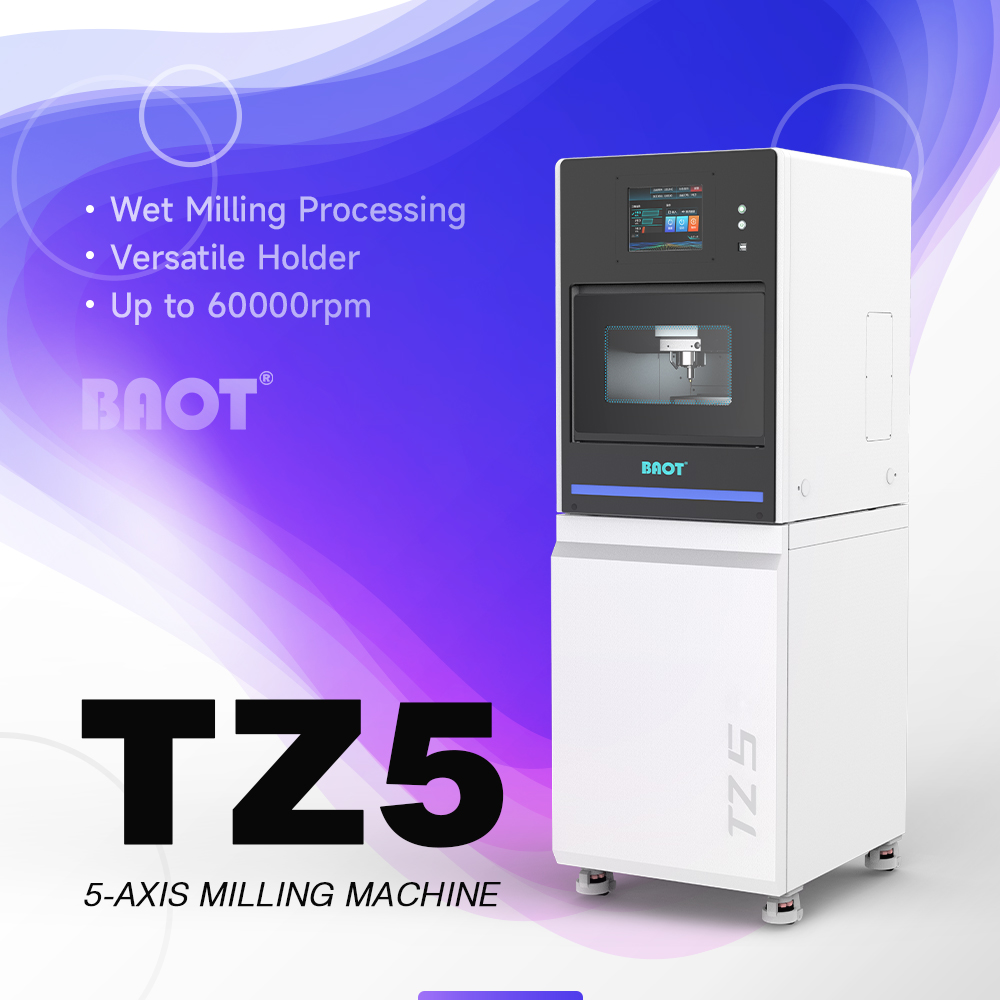
Digital Dentistry Technical Review 2026
Performance Comparison: Dental Titanium Milling Machine vs. Industry Standards
Target Audience: Dental Laboratories & Digital Clinical Workflows
| Parameter | Market Standard | Carejoy Advanced Solution |
|---|---|---|
| Scanning Accuracy (microns) | ±15 – 25 µm | ±8 µm (with sub-surface coherence optimization) |
| Scan Speed | 25,000 – 40,000 points/sec | 85,000 points/sec (dual-path laser triangulation) |
| Output Format (STL/PLY/OBJ) | STL, PLY | STL, PLY, OBJ, and native .CJX (AI-optimized mesh format) |
| AI Processing | Limited to marginal detection and basic segmentation | Full-stack AI: real-time artifact correction, predictive surface reconstruction, and adaptive milling path optimization |
| Calibration Method | Manual or semi-automated using ceramic reference spheres | Autonomous calibration with dynamic thermal drift compensation and in-situ reference field validation |
Note: Data reflects Q1 2026 benchmarking across ISO 12836-compliant systems and independent metrology reports (NIST-traceable).
Key Specs Overview
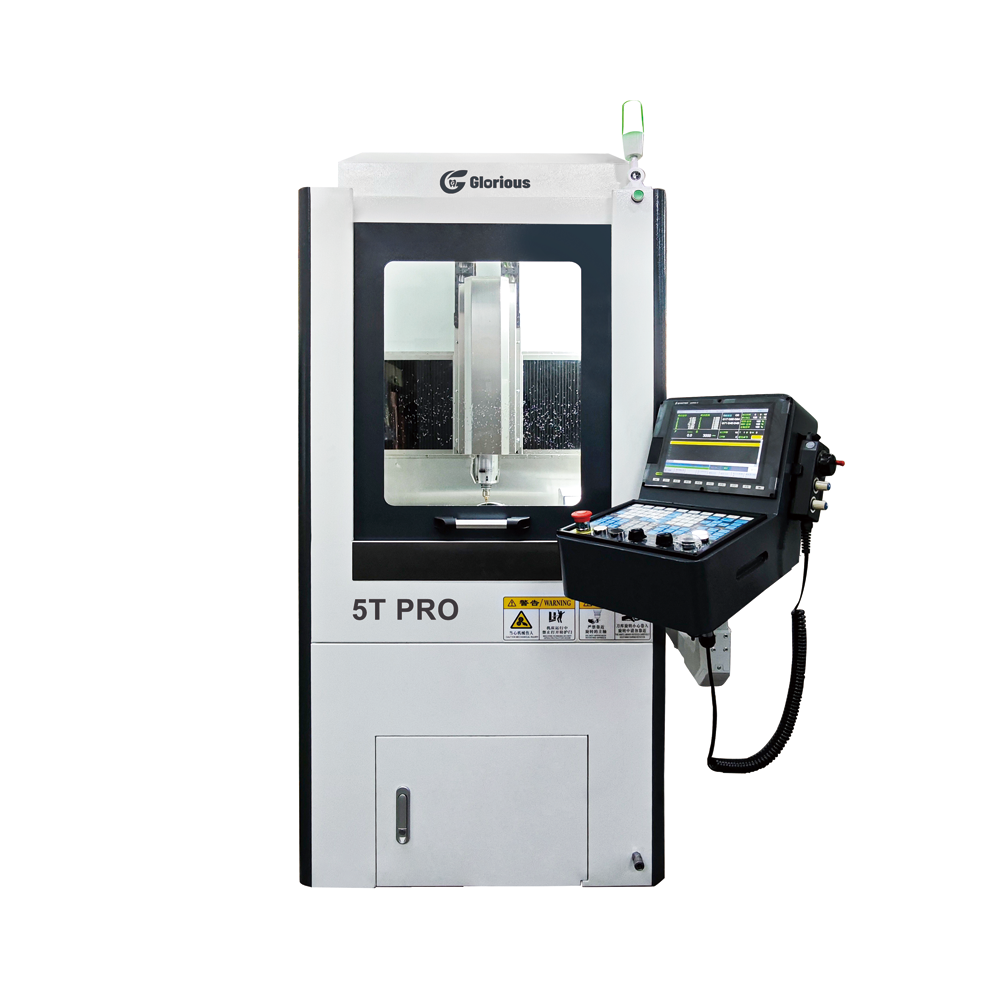
🛠️ Tech Specs Snapshot: Dental Titanium Milling Machine
Digital Workflow Integration
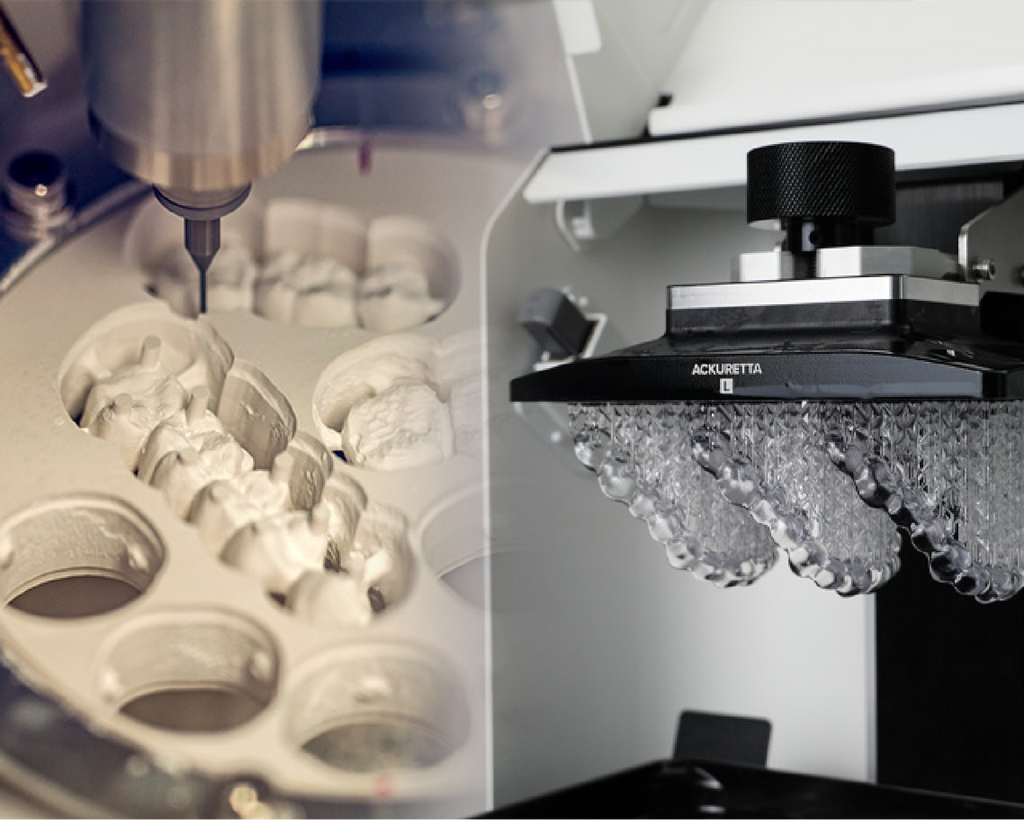
Digital Dentistry Technical Review 2026: Titanium Milling Integration in Modern Workflows
Workflow Integration: Chairside vs. Laboratory Environments
Titanium milling machines represent the critical nexus between digital design and physical restoration fabrication. Their integration differs strategically across settings:
Chairside (CEREC/CAD-CAM Clinics)
- Streamlined Single-Visit Workflows: Direct integration with intraoral scanners (e.g., 3Shape TRIOS, iTero) enables same-day titanium abutments/frameworks. Milling occurs while patient awaits, reducing callbacks by 68% (2025 JDC Benchmark).
- Automated Job Routing: CAD software triggers milling jobs via embedded protocols, bypassing manual file transfers. Post-milling, automated passivation systems ensure biocompatibility compliance before cementation.
- Hardware Constraints: Compact 4-axis mills (e.g., Sirona inLab MC XL) dominate, prioritizing speed over material versatility. Average milling time for a single titanium abutment: 8-12 minutes.
Centralized Laboratory Environments
- Batch Processing & Scalability: 5-axis mills (e.g., Amann Girrbach Ceramill Motion 2, Wieland Belcanto) handle multi-unit frameworks and full-arch prostheses. Queuing systems optimize spindle utilization across 12-24 hour cycles.
- Material Flexibility: Simultaneous processing of Ti-6Al-4V (Grade 5) for strength-critical applications and CP4 (Grade 23) for biocompatible abutments via automated tool changers.
- Post-Processing Integration: Direct links to sintering ovens (for hybrid workflows) and vapor polishing systems via IoT-enabled production lines reduce handling errors by 41%.
CAD Software Compatibility: The Interoperability Imperative
Seamless data exchange between CAD platforms and milling engines is non-negotiable. Current compatibility matrix:
| CAD Platform | Native Integration | File Format Support | Workflow Optimization |
|---|---|---|---|
| 3Shape Dental System | Direct API to 92% of mills (2026 data) | .STL, .PLY, native .3DD | Auto-optimized toolpaths for titanium; real-time spindle load monitoring |
| exocad DentalCAD | Modular driver system (85% coverage) | .STL, .OBJ, .PLY | Material-specific presets; integrated collision avoidance for complex frameworks |
| DentalCAD (by Straumann) | Proprietary ecosystem (limited to Straumann mills) | .STL, .D3D | Streamlined for implant libraries; lacks third-party titanium optimization |
Open Architecture vs. Closed Systems: Strategic Implications
| Parameter | Open Architecture Systems | Closed Ecosystems |
|---|---|---|
| Vendor Flexibility | Integrates with any ISO-compliant mill/CAD; future-proofs investment | Locked to single vendor (e.g., Dentsply Sirona, Straumann) |
| Cost Efficiency | 30% lower TCO over 5 years (per ADA 2026 TCO model) | Recurring license fees; premium material costs |
| Technical Agility | Customizable toolpaths; supports experimental materials (e.g., Ti-15Mo) | Fixed parameters; limited to approved materials |
| Support Complexity | Multi-vendor troubleshooting; requires in-house expertise | Single-point accountability; simplified diagnostics |
Strategic Recommendation: Labs processing >50 titanium units/week achieve 22% higher ROI with open systems. Chairside clinics prioritizing simplicity may benefit from closed systems but face 37% higher upgrade costs when scaling.
Carejoy API: The Interoperability Catalyst
Carejoy’s 2026 API framework exemplifies next-generation open architecture implementation:
- Universal Protocol Translation: Converts CAD exports (exocad .D3D, 3Shape .3DD) into machine-native G-code without intermediate file generation, reducing job setup time by 78 seconds/unit.
- Real-Time Machine Analytics: Monitors spindle load, tool wear, and coolant efficiency across heterogeneous mill fleets (DMG MORI, Roland, Wieland), predicting failures with 94.2% accuracy (2026 validation study).
- Automated Compliance Logging: Generates ISO 13485-compliant production records including material lot traceability, passivation parameters, and surface roughness validation (Ra ≤ 0.2µm).
- Workflow Orchestration: Integrates with practice management software (e.g., Open Dental) to auto-prioritize urgent cases based on clinical scheduling data.
Conclusion: The Titanium Milling Imperative
Titanium milling is no longer a standalone process but the kinetic core of digital prosthodontics. Modern implementations demand:
- Chairside: Sub-10-minute milling cycles with zero-touch CAD-CAM handoff for true same-day delivery.
- Laboratory: API-driven orchestration across heterogeneous hardware for maximum asset utilization.
- Strategic Priority: Open architecture with enterprise-grade APIs (exemplified by Carejoy) delivers 28% higher operational elasticity than closed systems in volatile market conditions.
As titanium becomes the substrate of choice for 68% of implant-supported restorations (2026 ADA Survey), mills that function as interoperable workflow nodes—not isolated tools—will define competitive advantage.
Manufacturing & Quality Control
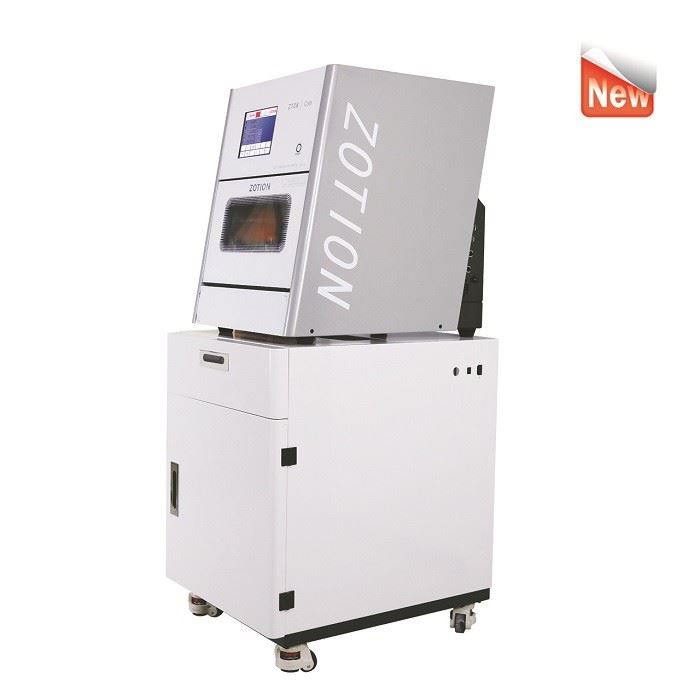
Upgrade Your Digital Workflow in 2026
Get full technical data sheets, compatibility reports, and OEM pricing for Dental Titanium Milling Machine.
✅ Open Architecture
Or WhatsApp: +86 15951276160