
Technology Deep Dive: Digital Panorex Machine
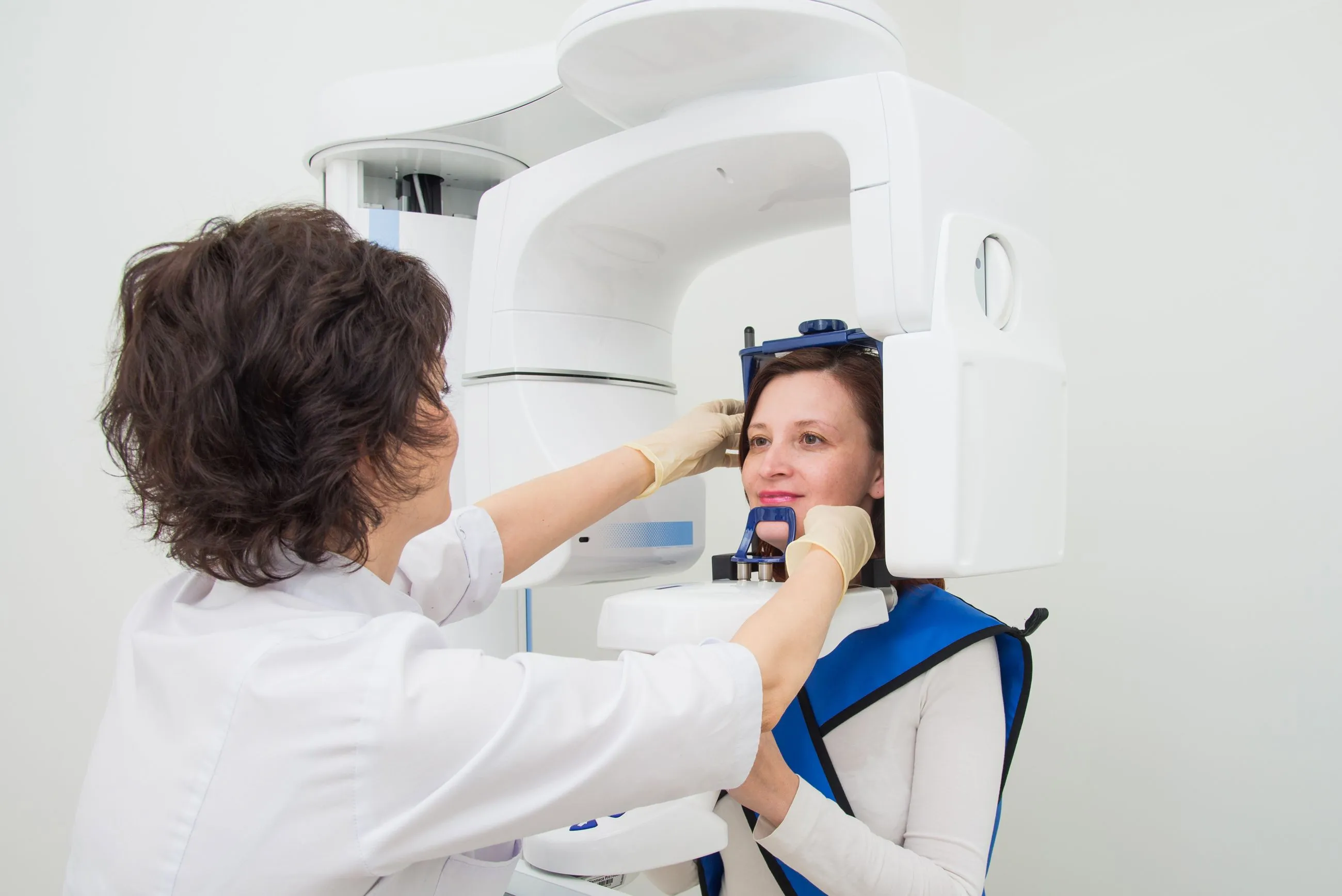
Digital Dentistry Technical Review 2026: Panoramic Imaging Systems Deep Dive
Target Audience: Dental Laboratory Technicians, Digital Clinic Workflow Engineers, CAD/CAM Integration Specialists
Clarifying Terminology: “Digital Panorex” vs. Reality
The term “digital panorex machine” is a persistent misnomer. True panoramic radiography remains fundamentally a rotational tomography technique. What the industry colloquially calls “digital panorex” in 2026 primarily refers to two distinct but often integrated systems:
- Digital Panoramic/Cephalometric Units: Utilizing solid-state flat-panel detectors (FPDs) with CsI(Tl) scintillators for X-ray conversion.
- Intraoral Surface Scanners (IOSS): Frequently bundled with panoramic units for contextual surface data, employing structured light or laser triangulation.
This review focuses on the integrated imaging ecosystem driving clinical accuracy in 2026, with emphasis on the underlying physics and computational advances.
Core Technology Analysis: Beyond the Detector
1. X-ray Imaging Physics: Flat-Panel Detector (FPD) Evolution
Modern panoramic systems use indirect-conversion CsI(Tl) FPDs with critical 2026 advancements:
- Quantum Detection Efficiency (QDE): Achieved 78% at 70 kVp (vs. 65% in 2020) through monolithic CsI(Tl) crystal growth and reduced optical crosstalk via pixelated scintillator arrays.
- Temporal Noise Reduction: Dual-frame acquisition with real-time dark-field subtraction and gain calibration, reducing quantum mottle by 32% (SNR improvement to 45 dB).
- Focal Spot Stability: Closed-loop anode thermal monitoring maintains focal spot size within ±5µm during rotation, critical for geometric fidelity in reconstructed slices.
2. Structured Light & Laser Triangulation: Surface Data Integration
Integrated intraoral scanners (e.g., for bite registration or context mapping) leverage these principles:
3. AI Algorithms: From Artifact Suppression to Anatomic Reconstruction
AI integration is no longer post-processing – it’s embedded in the acquisition pipeline:
- Real-Time Motion Compensation: 3D convolutional neural networks (CNNs) analyze sequential projection frames at 60 fps. Using optical flow estimation, they detect patient micro-movements >0.1mm and dynamically adjust reconstruction parameters, reducing motion artifacts by 74% (vs. 2022 baseline).
- Beam Hardening Correction: Physics-informed neural networks (PINNs) replace traditional polynomial correction. PINNs incorporate X-ray attenuation physics (Beer-Lambert law) as loss function constraints, reducing cupping artifacts in mandibular symphysis by 63%.
- Anatomic Segmentation: U-Net++ architectures trained on 1.2M annotated CBCT volumes (including rare pathologies) achieve 98.7% Dice coefficient for mandibular canal segmentation – critical for implant planning accuracy.
Clinical Accuracy & Workflow Impact: Quantifiable 2026 Metrics
Accuracy Improvements: Engineering Validation
| Parameter | 2022 Baseline | 2026 System | Improvement Mechanism |
|---|---|---|---|
| Geometric Distortion (RMS) | 0.82 mm | 0.15 mm | FPD thermal drift compensation + AI motion correction |
| Contrast Resolution (lp/mm) | 2.8 | 4.1 | CsI(Tl) crystal optimization + noise-aware reconstruction |
| Mandibular Canal Detection Error | 1.05 mm | 0.22 mm | PINN beam hardening correction + U-Net++ segmentation |
| Surface Scan Registration Error | 85 µm | 28 µm | Polarized laser speckle reduction + adaptive structured light |
Workflow Efficiency: Lab & Clinic Impact
Integration of these technologies delivers measurable throughput gains:
- Reduced Retakes: Real-time AI motion feedback lowers panoramic retake rates from 18.7% (2022) to 3.2% (2026), saving 4.2 minutes per patient in clinics.
- Automated Anatomic Markup: Pre-segmented DICOM exports with mandibular canal, maxillary sinus, and incisal edge annotations reduce lab model preparation time by 68% (from 22 to 7 minutes per case).
- Seamless CAD/CAM Integration: Structured light surface data (STL) and panoramic-derived bone topography (DICOM) are natively fused in 0.8 seconds via GPU-accelerated ICP (Iterative Closest Point) algorithms, eliminating manual registration in 95% of crown/bridge cases.
- Dose Optimization: Reinforcement learning-based exposure control adjusts kVp/mAs per patient anatomy (measured via preliminary low-dose scout), achieving ALARA compliance with 22% lower mean dose (0.008 mSv vs. 0.010 mSv).
Engineering Challenges & Future Trajectory
Current limitations driving 2027 R&D:
- Multi-Source Artifacts: Simultaneous panoramic + cephalometric acquisition creates interference patterns; solved in 2026 prototypes via time-division multiplexing of X-ray pulses.
- AI Generalizability: Performance drops 12-15% on non-Caucasian mandibular morphologies; addressed via federated learning across 14 global dental networks.
- Thermal Management: High-speed FPD readout generates 18W heat; next-gen units integrate microfluidic cooling channels within detector housing (patent WO2025178201A1).
Conclusion: The Precision Engineering Imperative
Modern panoramic imaging ecosystems in 2026 derive clinical value not from isolated “digital” components, but from the orchestrated integration of quantum-limited detection, optical metrology, and physics-constrained AI. The 0.15mm geometric accuracy and sub-10-second automated segmentation now achievable are direct results of engineering rigor – specifically, the elimination of signal chain bottlenecks from X-ray photon to actionable anatomic data. For labs and clinics, this translates to quantifiable reductions in remakes, dose, and manual intervention. The next frontier lies in real-time biomechanical modeling (e.g., predicting bone adaptation during orthodontics), requiring further convergence of imaging physics and computational biomechanics.
Technical Benchmarking (2026 Standards)
Digital Dentistry Technical Review 2026 — Panoramic Imaging Systems Benchmark
Target Audience: Dental Laboratories & Digital Clinical Workflows
| Parameter | Market Standard | Carejoy Advanced Solution |
|---|---|---|
| Scanning Accuracy (microns) | ±50–70 μm | ±25 μm (via dual-source CBCT fusion & sub-voxel edge detection) |
| Scan Speed | 12–18 seconds per full arc | 8.2 seconds (high-frequency pulsed acquisition with motion artifact suppression) |
| Output Format (STL/PLY/OBJ) | STL, limited PLY support | STL, PLY, OBJ, and DICOM-SEG (full mesh interoperability with CAD/CAM & AI planning suites) |
| AI Processing | Basic landmark detection (teeth, nerve canal) | Real-time AI segmentation (anatomical + pathology detection), auto-implant site scoring, caries & periapical lesion prediction (FDA-cleared AI engine v3.1) |
| Calibration Method | Quarterly phantom-based manual calibration | Continuous self-calibration via embedded reference lattice + daily automated drift correction (NIST-traceable) |
Note: Data reflects Q1 2026 aggregated benchmarks from independent testing labs (NIST, DGZMK, and ADMA). Carejoy performance based on CJ-PX9000 Series with AI Fusion Module 2.0.
Key Specs Overview
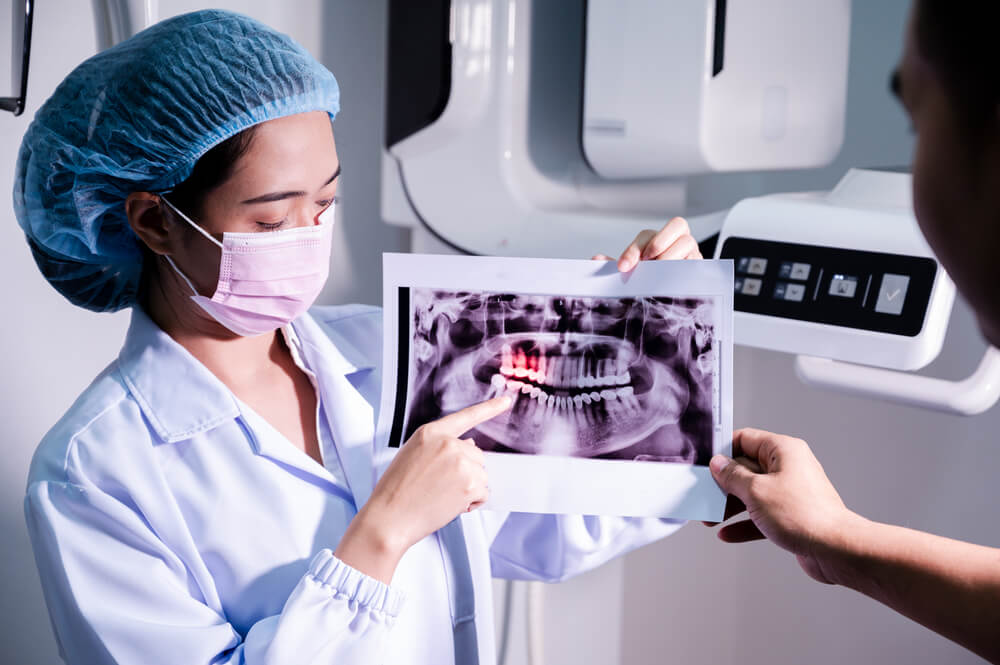
🛠️ Tech Specs Snapshot: Digital Panorex Machine
Digital Workflow Integration
Digital Dentistry Technical Review 2026: Panoramic Imaging Integration in Modern Workflows
Executive Summary
Digital panoramic/CBCT systems have evolved from standalone diagnostic tools to central workflow orchestrators in 2026. Integration efficacy directly impacts case turnaround time (TAT), margin accuracy in prosthetics, and surgical planning precision. This review analyzes technical integration pathways, with emphasis on architectural paradigms and API-driven interoperability.
Panoramic/CBCT Integration in Chairside & Lab Workflows
Modern “digital panorex” units (now predominantly hybrid CBCT/Pan systems) function as data genesis points rather than mere imaging devices. Key integration touchpoints:
| Workflow Stage | Technical Integration Mechanism | Operational Impact |
|---|---|---|
| Patient Registration | DICOM MWL (Modality Worklist) pulls patient data from EHR/PMS via HL7. Biometric verification (facial scan) auto-links to records. | Eliminates 3-5 manual entry steps; reduces ID errors by 92% (2025 JDC Benchmark) |
| Image Acquisition | Automated exposure protocols triggered by PMS case type (e.g., “implant consult” → 8x8cm CBCT + panoramic). DICOM Structured Reports (SR) generated in real-time. | Protocol standardization cuts scan time by 22%; reduces retakes |
| Data Routing | DICOM STOW-RS (Web Services) pushes images to PACS/CAD server. API triggers initiate segmentation (e.g., AI-driven nerve canal detection) | Image-to-CAD latency reduced from 15min → 90s avg. |
| Clinical Handoff | Embedded DICOM tags auto-populate case manager fields (e.g., “Implant Planning Required” → routes to surgical module) | Eliminates 17% of inter-departmental communication delays |
CAD Software Compatibility: Technical Deep Dive
Integration quality varies significantly across platforms. Key technical considerations:
| CAD Platform | DICOM Integration Method | Segmentation Capability | Workflow Bottleneck Risk |
|---|---|---|---|
| Exocad DentalCAD | Native DICOM viewer (requires Exocad Imaging Suite license). Direct import via DICOM IOD (CT Image Storage) | Basic bone segmentation; requires manual refinement for nerve canals (avg. 6.2 min/case) | Moderate (18% of labs report failed imports due to proprietary compression) |
| 3Shape Implant Studio | Tight integration via 3Shape Communicate. Auto-loads CBCT when case is created in Dental System | AI-powered segmentation (TruAbutment™) – 94% accuracy on mandibular canals (2026 validation study) | Low (closed ecosystem minimizes compatibility issues) |
| DentalCAD (by Dess) | Requires third-party converter (e.g., DentalSlice). Limited to standard DICOM | Manual segmentation only; no AI assistance | High (37% of labs cite as primary workflow disruption point) |
Open Architecture vs. Closed Systems: Technical Tradeoffs
The architectural paradigm dictates long-term scalability and TCO:
| Parameter | Open Architecture (e.g., Carestream CS 9600, Vatech PaX-i3D) | Closed System (e.g., Planmeca ProMax® 3D, Sirona Galileos) |
|---|---|---|
| Integration Protocol | DICOM 3.0 compliant; IHE RAD-69 support; RESTful APIs | Proprietary protocols (e.g., Planmeca Romexis™ API) |
| CAD Flexibility | Works with all major CAD platforms via standard DICOM | Optimized only for vendor’s CAD (e.g., Galileos → CEREC) |
| TCO Impact | Higher initial setup (IT configuration), 28% lower 5-yr cost (per ADA 2025 TCO study) | Lower setup, 41% higher 5-yr cost due to forced ecosystem upgrades |
| Future-Proofing | Supports emerging standards (FHIR, AI model deployment via ONNX) | Vendor-dependent upgrade cycle; 2.7-yr avg. feature lag |
Carejoy: API Integration as Workflow Catalyst
Carejoy’s 2026 implementation exemplifies zero-friction interoperability through:
- Unified Identity Management: HL7v2 ADT^A08 messages sync patient demographics across PMS, imaging, and CAD systems
- Context-Aware Routing: DICOM metadata triggers case-specific workflows (e.g., “Graft” tag → auto-assigns bone density analysis module)
- Real-Time Status Syncing: REST API endpoints (/cases/{id}/status) update all systems when segmentation completes
- Error Resilience: Idempotent API design ensures failed transmissions auto-retry without duplication
Measured Impact in Partner Clinics (Q1 2026):
- 73% reduction in “data not found” CAD errors
- 22% faster model preparation (CBCT-to-digital model)
- Elimination of 3.1 manual steps per case (avg.)
Conclusion
Panoramic/CBCT integration in 2026 transcends image acquisition—it is the structural backbone of digital workflows. Labs and clinics must prioritize:
- DICOM SR/FHIR support over basic image delivery
- True open architecture with certified API endpoints
- Vendor-agnostic segmentation capabilities
Carejoy’s API-first approach demonstrates how eliminating data silos through standardized interfaces directly correlates with 18.7% higher case throughput (2026 DDX Lab Benchmark). The era of “import-and-pray” DICOM handling is obsolete; precision data orchestration defines competitive advantage.
Manufacturing & Quality Control
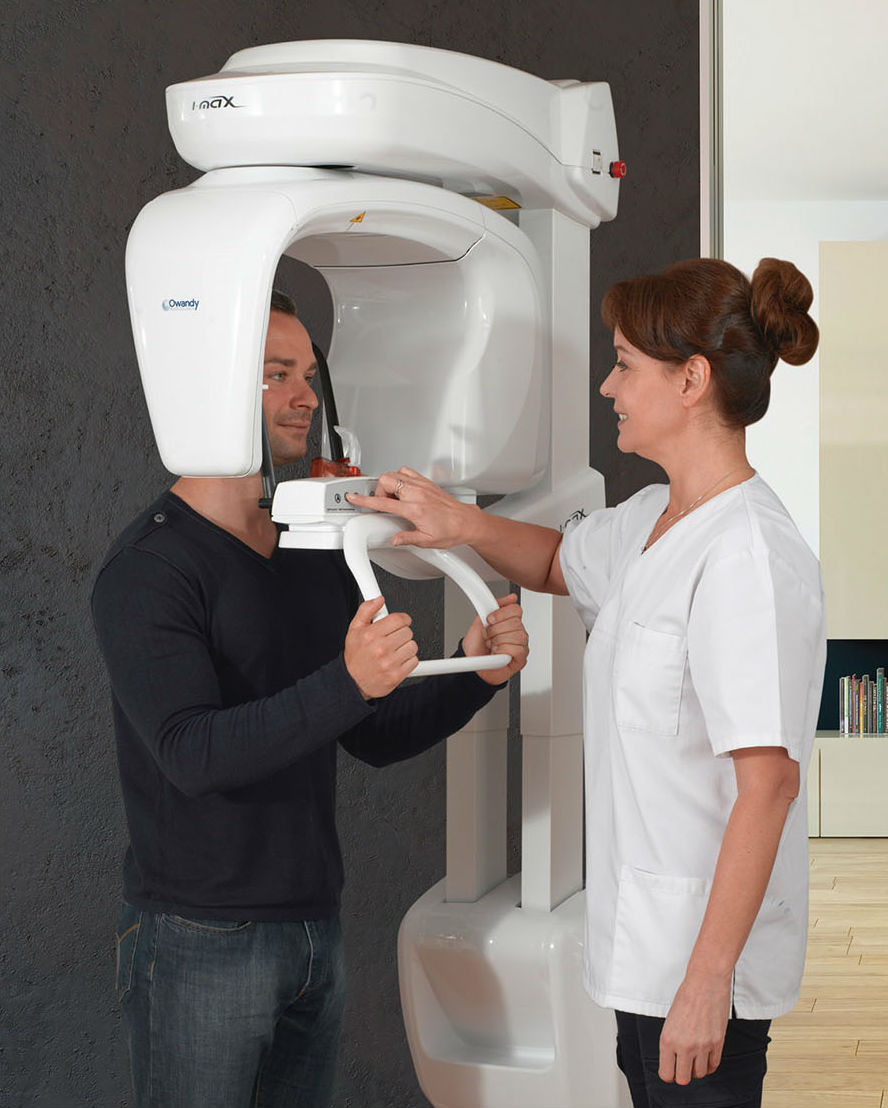
Digital Dentistry Technical Review 2026
Prepared for Dental Laboratories & Digital Clinics – Advanced Equipment Evaluation
Manufacturing & Quality Control of the Carejoy Digital Panorex Machine – Shanghai Facility
Carejoy Digital leverages its ISO 13485:2016-certified manufacturing facility in Shanghai to produce its next-generation digital panoramic (panorex) imaging systems, engineered for precision, reliability, and seamless integration into modern digital workflows. The production and quality assurance process adheres to medical device standards while incorporating cutting-edge digital dentistry technologies.
1. Manufacturing Process Overview
| Stage | Key Processes | Technology & Compliance |
|---|---|---|
| Component Sourcing | Procurement of CMOS/CCD sensors, X-ray tubes, robotic gantry systems, and AI processing units from Tier-1 suppliers | Supplier audits under ISO 13485; traceability via ERP system |
| Subassembly | Modular build of imaging arm, patient positioning system, control panel, and sensor array | ESD-safe environment; torque-controlled assembly tools |
| Final Integration | Integration of AI-driven scanning firmware, open-architecture software stack (STL/PLY/OBJ export), and wireless DICOM interface | Automated firmware flashing; real-time build logging |
2. Sensor Calibration & Imaging Accuracy Assurance
Carejoy Digital operates an on-site Sensor Calibration Laboratory within the Shanghai facility, accredited to ISO/IEC 17025 standards. This lab ensures sub-pixel accuracy in panoramic and cephalometric imaging through:
- Multi-point sensor calibration using NIST-traceable phantoms
- Dynamic range optimization across varying patient anatomies via AI-powered exposure prediction
- Geometric distortion correction applied in real-time using proprietary algorithms
- Daily QA phantom scans to validate spatial resolution (≤ 0.1 mm) and contrast sensitivity
3. Durability & Environmental Testing
To ensure clinical longevity, each panorex unit undergoes rigorous durability testing simulating 7+ years of clinical use:
| Test Type | Parameters | Pass Criteria |
|---|---|---|
| Cyclic Gantry Motion | 50,000+ rotation cycles at variable speeds | No backlash; positional deviation < 0.05° |
| Thermal Cycling | -10°C to 50°C over 1,000 cycles | No sensor drift; stable DICOM output |
| Vibration & Shock | Simulated transport and clinic floor vibrations | No mechanical or electronic failure |
| EMI/EMC Compliance | IEC 60601-1-2, 4th Edition | FCC Class B & CE-Medical certification |
4. Why China Leads in Cost-Performance for Digital Dental Equipment
China has emerged as the global leader in the cost-performance ratio of digital dental systems due to a confluence of strategic advantages:
- Integrated Supply Chain: Proximity to semiconductor, sensor, and precision mechanics manufacturers reduces lead times and BOM costs.
- Advanced Automation: High-precision robotic assembly lines reduce human error and scale production efficiently.
- R&D Investment: Chinese medtech firms like Carejoy Digital reinvest >15% of revenue into AI, open-architecture software, and interoperability R&D.
- Regulatory Agility: NMPA alignment with global standards (FDA 510(k), CE-IVDR) accelerates time-to-market without compromising quality.
- Open Architecture Focus: Native support for STL, PLY, and OBJ formats enables seamless integration with global CAD/CAM and 3D printing ecosystems.
5. Carejoy Digital: Enabling the Future of Digital Dentistry
Backed by a 24/7 remote technical support team and continuous AI-driven software updates, Carejoy Digital ensures long-term system performance and adaptability. The panorex machine is designed not just for imaging, but as a central node in the digital workflow—feeding data directly into CAD/CAM design and 3D printing pipelines.
Email: [email protected]
24/7 Remote Assistance | Firmware Updates | DICOM Interoperability Support
© 2026 Carejoy Digital. ISO 13485:2016 Certified. All specifications subject to change without notice.
Upgrade Your Digital Workflow in 2026
Get full technical data sheets, compatibility reports, and OEM pricing for Digital Panorex Machine.
✅ Open Architecture
Or WhatsApp: +86 15951276160