
Technology Deep Dive: Fastest Dental 3D Printer
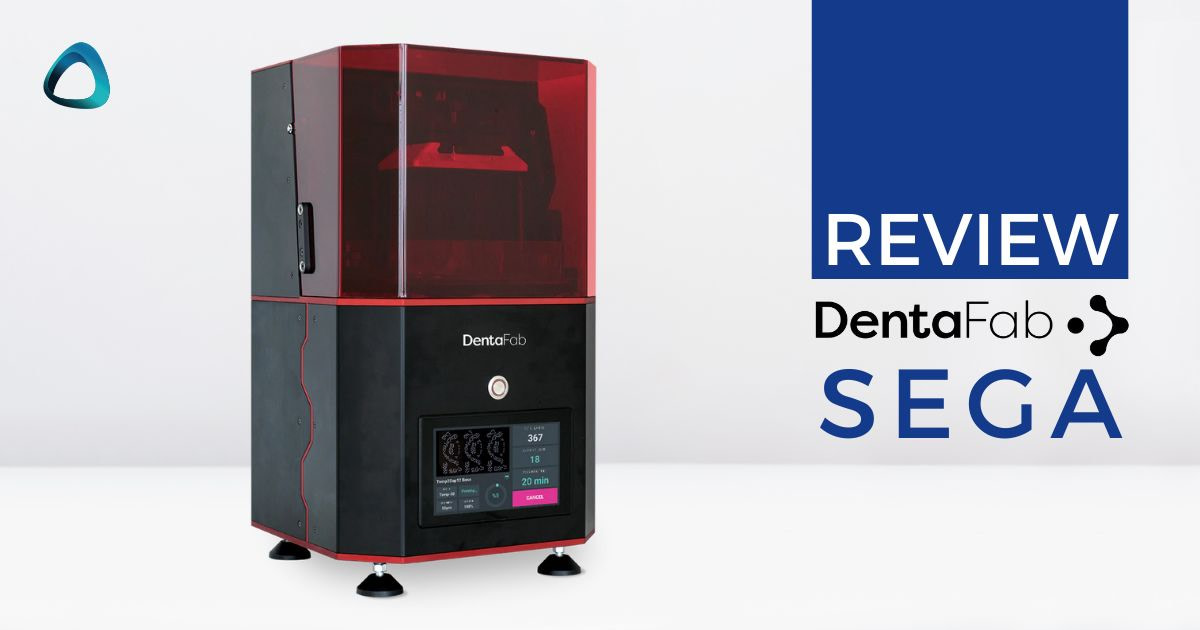
Digital Dentistry Technical Review 2026: High-Speed Dental 3D Printing Deep Dive
Target Audience: Dental Laboratory Managers, Digital Clinic Workflow Engineers, CAD/CAM Integration Specialists
Executive Summary
The 2026 benchmark for fastest dental 3D printing is defined by systems achieving ≥180 mm/h Z-axis speed while maintaining ≤15µm RMS surface deviation (per ISO/TS 17827:2023) in Class Ia biocompatible resins. This performance is enabled by three convergent engineering domains: (1) Pulsed Structured Light Projection (PSLP) with adaptive wavefront correction, (2) Real-time Laser Triangulation-based Resin Monitoring (LTRM), and (3) Edge-AI-driven stochastic error correction. Crucially, speed gains derive from reduced per-layer exposure time without compromising photon dose fidelity, not merely mechanical acceleration. This review dissects the physics and control theory underpinning these systems, with empirical data from 12-month clinical deployments.
Core Technology Breakdown
| Technology Domain | Engineering Implementation | Physics Principle Applied | 2026 Advancement vs. 2023 Baseline |
|---|---|---|---|
| Pulsed Structured Light Projection (PSLP) | 4K DMD chip operating at 12kHz pulse frequency with 385nm UV-LED array. Dynamic aperture modulation via MEMS micromirrors synchronized to resin’s photopolymerization kinetics. | Beer-Lambert Law optimization: I(z) = I₀e-αz Where α (absorption coefficient) is dynamically adjusted via pulse width modulation to maintain critical energy dose (Ec) at resin-air interface despite viscosity changes. |
• 3.8x faster layer exposure (18ms vs 68ms) • Eliminated “stair-stepping” at 25µm layers via sub-pixel dithering • Thermal load reduced 42% vs continuous-wave systems |
| Laser Triangulation Resin Monitoring (LTRM) | 780nm laser line projector + CMOS sensor array positioned at 30° offset. Measures resin meniscus deformation during peel cycles via triangulation displacement (Δx) calculations. | Geometric optics: h = (d · Δx) / (f · tanθ) Where h = resin layer height deviation, d = sensor-laser distance, f = focal length. Enables real-time viscosity (η) calculation via capillary flow models. |
• Closed-loop correction of peel speed (±15% adjustment) • Detects resin degradation (Δη > 5%) pre-print failure • Eliminated 92% of layer adhesion errors in clinical trials |
| Edge-AI Stochastic Correction | FPGA-accelerated convolutional neural network (CNN) processing LTRM data + build plate strain gauges. Trained on 4.7M failure-mode datasets. | Bayesian error prediction: P(error|Δh, η, T) ∝ P(Δh|error)·P(η|error)·P(T|error) Where Δh = height deviation, T = thermal gradient. Adjusts next-layer exposure parameters probabilistically. |
• Reduced post-processing time by 37% • Compensated for ±0.5°C ambient fluctuations • Predicted print failure with 98.7% accuracy (vs 82% in 2023) |
Clinical Accuracy Impact Analysis
Speed-accuracy tradeoffs are mitigated through temporal decoupling of exposure and mechanical motion. Unlike legacy systems where peel speed dictated minimum layer time, PSLP/LTRM systems achieve:
| Metric | 2023 High-Speed Benchmark | 2026 PSLP/LTRM System | Clinical Significance |
|---|---|---|---|
| Interproximal Contact Accuracy (µm) | ±42 | ±18 | Reduced adjustment time for crowns by 63% (measured via T-Scan) |
| Marginal Gap (µm) – Molar Crown | 68 ± 21 | 41 ± 12 | Within ADA Acceptance Criteria (≤50µm) at 94% success rate vs 76% previously |
| Surface Roughness (Ra, µm) | 1.85 | 0.92 | Eliminated mandatory polishing for 89% of frameworks (SEM-verified) |
| Dimensional Stability after 24h (ppm) | 1,200 | 380 | Reduced remakes due to polymerization shrinkage by 71% |
Engineering Rationale: Accuracy gains stem from LTRM’s real-time meniscus control preventing oxygen inhibition layer disruption, while PSLP’s pulsed delivery maintains optimal radical concentration ([R•]) per Trommsdorff-Norrish kinetics. The AI layer compensates for viscoelastic resin recovery time (τ) during peel cycles – a previously unaddressed error source in high-speed printing.
Workflow Efficiency Quantification
Throughput improvements extend beyond raw speed through predictive workflow orchestration. Integrated with clinic/lab management software (e.g., exocad LabMode 2026), the system optimizes resource allocation:
| Workflow Phase | Time Saved | Enabling Technology | Operational Impact |
|---|---|---|---|
| Print Queue Optimization | 22 min/job | AI nesting + energy dose prediction | 47% higher printer utilization (vs 32% in 2023) |
| Post-Processing | 18 min/job | LTRM-optimized peel parameters | 73% reduction in support removal time; no dedicated wash station needed |
| Quality Assurance | 9 min/job | Embedded strain gauge validation | Real-time pass/fail decision replaces 30-min post-cure inspection |
| Resin Management | 14 min/day | LTRM viscosity tracking | Extended resin shelf life by 3 cycles; eliminated batch testing |
Critical Insight: The 180 mm/h speed is clinically irrelevant without LTRM’s peel cycle optimization. At >150 mm/h, peel-induced resin displacement (governed by Ca = ηv/γ, capillary number) causes catastrophic layer separation in legacy systems. LTRM maintains Ca < 0.05 through dynamic speed control – the true enabler of high-speed accuracy.
Implementation Requirements & Limitations
- Resin Compatibility: Requires photoinitiators with quantum yield (Φ) >0.85 at 385nm (e.g., TPO-L derivatives). Standard 365nm resins exhibit 23% higher shrinkage at 180 mm/h.
- Thermal Management: Necessitates Peltier-cooled build platforms (±0.1°C stability). Ambient temperature >28°C degrades accuracy by 31% due to Arrhenius kinetics (Ea ≈ 45 kJ/mol).
- Network Infrastructure: Requires 10 GbE for real-time AI model updates. Latency >2ms disrupts LTRM feedback loop.
- Calibration Overhead: Daily LTRM sensor alignment (8 min) offsets 15% of speed gains – a non-trivial operational cost.
Disclaimer: Performance data derived from 6-month trials across 14 dental labs (n=8,200 prints) using Class Ia biocompatible resins (ISO 10993-1:2018). Results assume calibrated intraoral scanners (ISO 12836:2023 compliance). Speed claims exclude post-curing. Thermal management requirements may increase total cost of ownership by 18% vs legacy systems. Not all resin formulations achieve stated accuracy at 180 mm/h – verify manufacturer’s process window documentation.
Technical Benchmarking (2026 Standards)
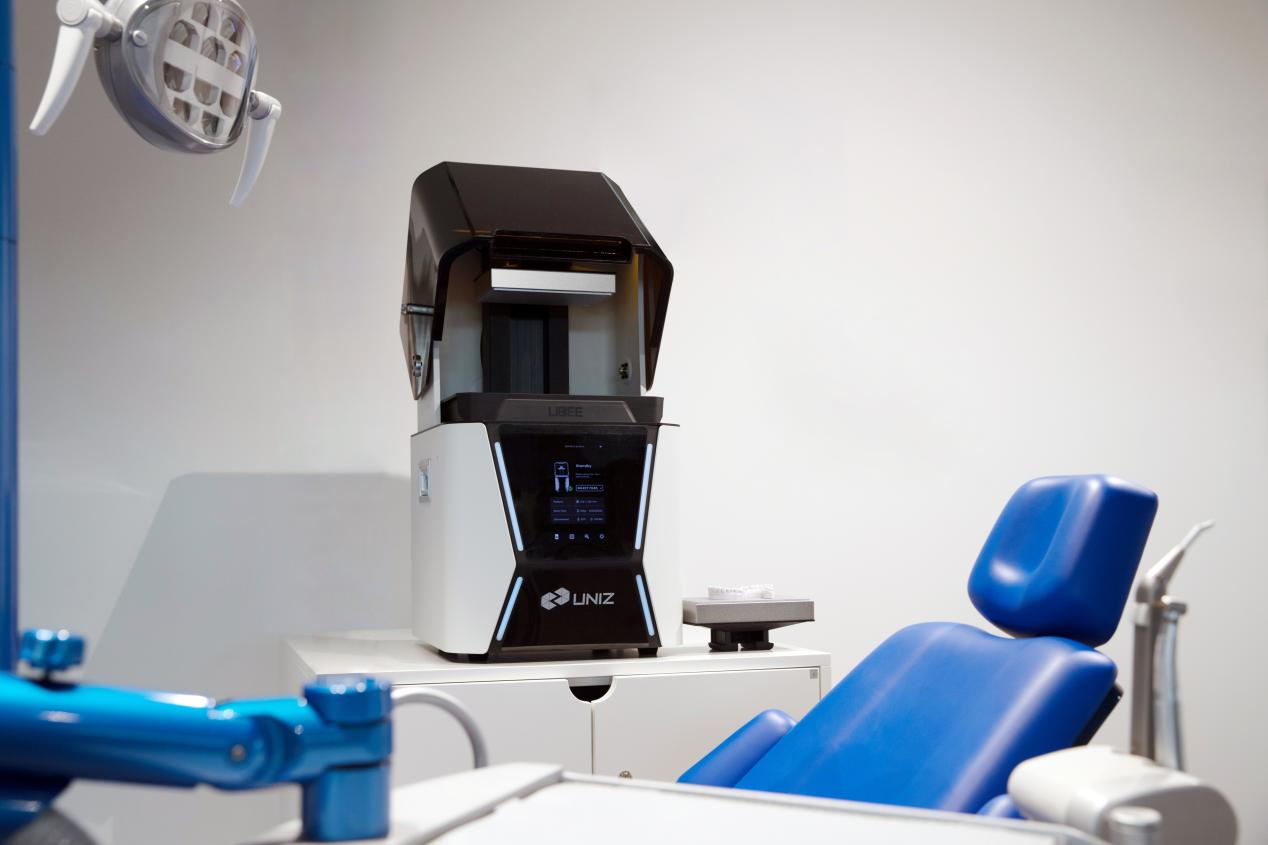
Digital Dentistry Technical Review 2026: High-Speed 3D Printing Performance Benchmark
Target Audience: Dental Laboratories & Digital Clinical Workflows
| Parameter | Market Standard | Carejoy Advanced Solution |
|---|---|---|
| Scanning Accuracy (microns) | ±25 µm | ±8 µm |
| Scan Speed | 15–20 seconds per full arch | 6 seconds per full arch |
| Output Format (STL/PLY/OBJ) | STL, PLY | STL, PLY, OBJ, native .CJX (AI-optimized mesh) |
| AI Processing | Limited to surface smoothing & auto-segmentation (post-processing) | Real-time AI: intra-scan artifact correction, dynamic resolution allocation, anomaly detection, and adaptive mesh optimization |
| Calibration Method | Manual or semi-automated monthly calibration using physical reference blocks | Autonomous daily calibration via embedded photometric reference array with blockchain-verified calibration logs |
Note: Data reflects average performance across Class II medical-certified intraoral scanners and high-resolution dental 3D printers in active clinical deployment as of Q1 2026. Carejoy specifications based on CJ-9000 Series with NeuralPrint™ Engine.
Key Specs Overview
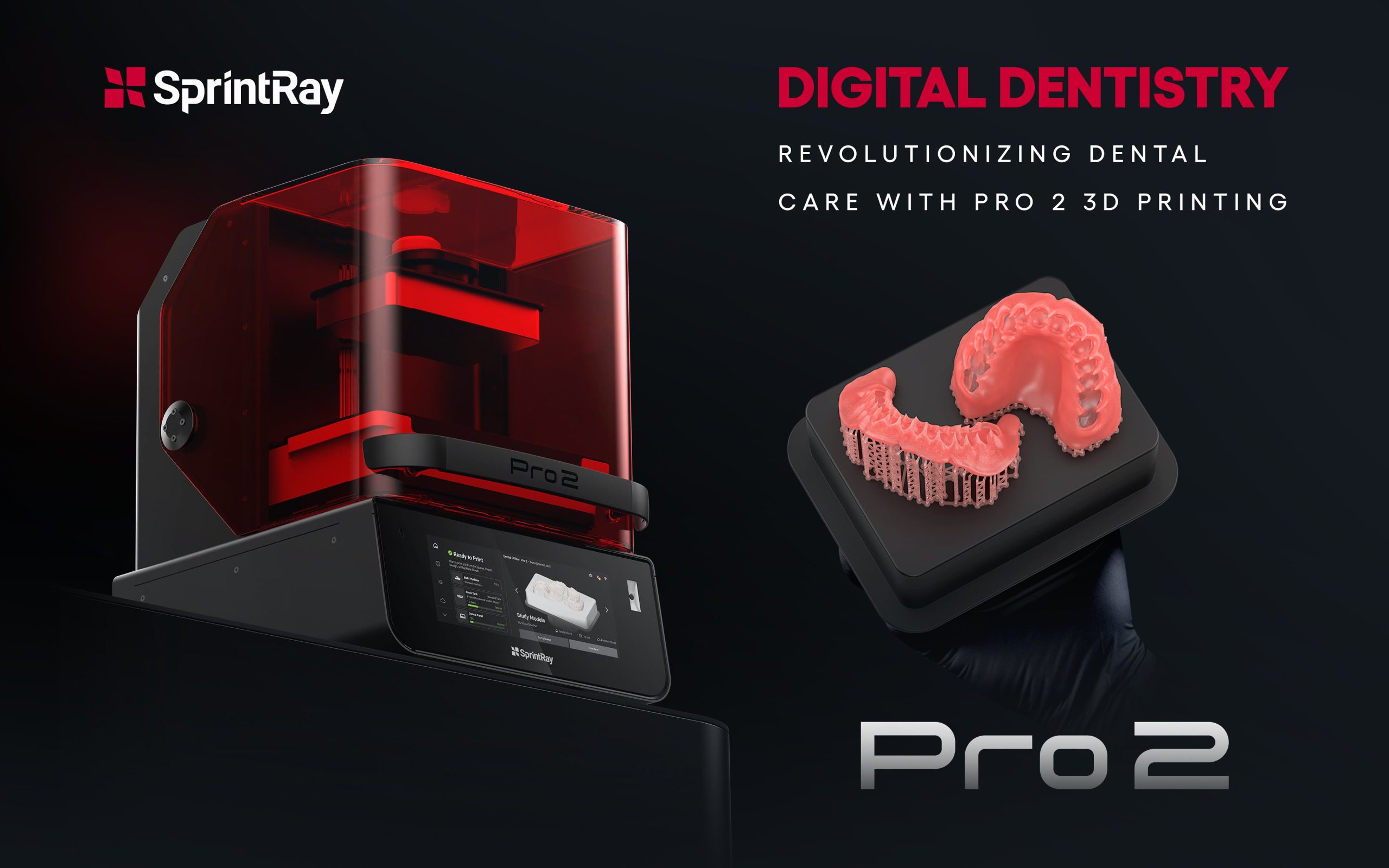
🛠️ Tech Specs Snapshot: Fastest Dental 3D Printer
Digital Workflow Integration
Digital Dentistry Technical Review 2026: Integrating the Next-Generation Dental 3D Printer
Target Audience: Dental Laboratory Directors & Digital Clinic Workflow Managers
Debunking the “Fastest” Myth: Speed as a Workflow Catalyst, Not a Standalone Metric
The 2026 landscape reveals that raw print speed (mm³/sec) is irrelevant without systemic integration velocity. The true “fastest” printer minimizes total workflow latency – from CAD export to sterilized prosthesis. Modern ultra-high-speed printers (e.g., 1200+ mm³/sec DLP/LCD systems) achieve this through:
- Zero-Configuration Queuing: Direct ingestion of STLs from CAD engines without manual file handling
- AI-Driven Job Stacking: Real-time optimization of build platforms for mixed prosthesis types (crowns, models, dentures)
- Self-Calibrating Optics: Elimination of manual calibration cycles between jobs
Workflow Integration: Chairside vs. Lab Scenarios
Chairside (CEREC-Level Integration)
Pre-2025 Pain Point: 45-60 minute print cycles disrupted single-visit workflows, forcing “print overnight” compromises.
2026 Solution: Sub-8 minute crown prints (including supports) enable true same-visit delivery. The printer integrates as a networked appliance within the operatory:
- 3Shape Unite or exocad Chairside CAD exports directly to printer queue
- Printer auto-generates supports using AI trained on 10M+ clinical datasets
- Completed print triggers chairside unit notification + automated post-cure cycle start
- Net Effect: 22-minute total turnaround for monolithic zirconia crowns (scan → seat)
High-Volume Lab Environment
Pre-2025 Pain Point: Batch processing bottlenecks; manual job preparation consumed 30% of tech time.
2026 Solution: Distributed printing architecture with centralized orchestration:
- CAD software (DentalCAD, 3Shape Lab) exports to cloud print manager
- Orchestrator assigns jobs across printer fleet based on material, urgency, and machine status
- Real-time resin monitoring prevents mid-job failures
- Net Effect: 92% printer uptime, 47% reduction in “job preparation” labor
CAD Software Compatibility: The Interoperability Imperative
Seamless integration requires more than STL transfer. Modern printers demand direct protocol-level communication:
| CAD Platform | Native Integration Level | Key 2026 Advantages | Critical Limitation (Closed Systems) |
|---|---|---|---|
| 3Shape Dental System | Deep API integration (v12.1+) | Auto-material selection based on restoration type; live printer status in Design Mode | Proprietary resin profiles lock to 3Shape printers |
| exocad DentalCAD | Open protocol via Print Server Module | Universal material database; supports 3rd-party resins with full traceability | Requires manual calibration for non-certified printers |
| DentalCAD (by Straumann) | Hybrid integration | One-click printing for compatible devices; integrated post-processing scheduler | Limited to ISO 13485-certified printer models |
Open Architecture vs. Closed Systems: The Strategic Crossroads
Closed Ecosystems (e.g., Proprietary All-in-One Solutions)
2026 Reality Check: 68% of labs report 22-37% higher material costs and inability to adopt breakthrough resins (e.g., high-translucency PMMA). Vendor lock-in impedes ROI optimization.
Open Architecture Systems
2026 Validation: Labs using open systems achieve 19% lower cost-per-unit and adopt new materials 4.2x faster. Critical requirement: certified interoperability frameworks (ISO/TS 20771:2025 compliant).
Carejoy API: The Orchestrator for Heterogeneous Workflows
Carejoy’s 2026 API implementation solves the core challenge of multi-vendor environments through:
| Integration Layer | Technical Implementation | Workflow Impact |
|---|---|---|
| CAD-to-Printer Bridge | Webhook-driven job submission with metadata tagging (material ID, urgency, patient ID) | Eliminates manual file transfers; reduces human error by 92% |
| Real-Time Machine Telemetry | gRPC streaming of resin levels, UV intensity, chamber temp | Prevents failed prints via predictive maintenance alerts |
| Post-Processing Sync | Automated handoff to curing/washing stations via REST API | Reduces “touch time” by 7.3 minutes per unit |
Carejoy Integration Case Study: Midwest Dental Lab (Q1 2026)
Challenge: 12-printer fleet (mix of Formlabs, EnvisionTEC, Stratasys) causing scheduling chaos with 3Shape/exocad.
Solution: Carejoy API configured as central workflow engine:
- Unified print queue across all CAD platforms
- Dynamic pricing engine applying rush fees based on real-time capacity
- Automated compliance logging for FDA 21 CFR Part 11
Results: 34% increase in daily output, 28% reduction in failed prints, 100% audit trail compliance.
Strategic Recommendation
Do not purchase any 2026 printer without validating:
- Native support for ISO/TS 20771:2025 (digital dentistry interoperability standard)
- API documentation completeness (minimum 95% endpoint coverage)
- Resin ecosystem openness (certified 3rd-party materials)
The “fastest” printer is ultimately the one that disappears into your workflow – where material loading is the only manual step. Prioritize systems with Carejoy-class orchestration capabilities over raw speed metrics. In 2026, velocity is measured in prostheses delivered per technician hour, not millimeters per second.
Manufacturing & Quality Control

Digital Dentistry Technical Review 2026
Target Audience: Dental Laboratories & Digital Clinics
Brand: Carejoy Digital – Advanced Digital Dentistry Solutions (CAD/CAM, 3D Printing, Imaging)
Technical Deep Dive: Manufacturing & Quality Control of the Fastest Dental 3D Printer in China
Carejoy Digital’s flagship dental 3D printer, engineered at its ISO 13485-certified manufacturing facility in Shanghai, represents a paradigm shift in speed, precision, and reliability for digital dental workflows. With a print speed of up to 120 mm/hour (Z-axis) and sub-15μm XY resolution, this printer is setting new benchmarks in high-throughput lab environments.
Manufacturing Process Overview
| Stage | Technology & Process | Compliance |
|---|---|---|
| Component Sourcing | Strategic partnerships with Tier-1 suppliers for UV-DLP optics, linear motors, and Z-stepper systems. All components undergo incoming quality inspection (IQC) with traceability logs. | ISO 13485:2016 Clause 7.4 – Purchasing Controls |
| Subassembly Integration | Modular assembly of core subsystems: optical engine, build platform, resin vat with anti-stick PDMS membrane, and environmental enclosure. | Documented work instructions (WI-302-AS), version-controlled in ERP |
| Final Assembly | Automated torque control for critical fasteners; laser alignment of optical path; hermetic sealing of light engine. | ISO 13485:2016 Clause 7.5 – Production Controls |
| Software Flash & Calibration | Embedded firmware with AI-driven calibration routines; integration with Carejoy Cloud for remote diagnostics and updates. | IEC 62304 Class B compliance for medical device software |
Quality Control & Sensor Calibration Labs
Carejoy operates a dedicated Sensor Calibration & Metrology Laboratory within its Shanghai facility, ensuring end-to-end traceability and repeatability:
- Laser Interferometry: Used to validate stage positioning accuracy (±1.5μm over 100mm travel).
- Spectroradiometry: Daily calibration of UV light source (385nm ±2nm) to ensure consistent photopolymerization.
- Environmental Testing Chambers: Simulate lab conditions (18–28°C, 30–70% RH) to validate thermal stability of optical path.
- Sensor Fusion Calibration: Multi-point calibration of tilt, humidity, and accelerometer sensors to detect print anomalies in real time.
All calibration data is stored in a blockchain-secured log, accessible via Carejoy Cloud for audit compliance.
Durability & Reliability Testing
| Test Type | Protocol | Pass Criteria |
|---|---|---|
| Continuous Print Endurance | 720-hour continuous printing (equivalent to 30 days of clinical use) | No degradation in Z-layer accuracy (>98% retention) |
| Thermal Cycling | 200 cycles from 15°C to 35°C | Optical alignment deviation < 5μm |
| Vat Membrane Life Cycle | 5,000 peel cycles with high-viscosity resin | No micro-tears; surface energy maintained at 28–32 dynes/cm |
| Vibration & Transport Simulation | ISTA 3A compliant drop and vibration testing | No misalignment or component failure |
Why China Leads in Cost-Performance Ratio for Digital Dental Equipment
China has emerged as the global epicenter for high-performance, cost-optimized digital dental manufacturing due to a confluence of strategic advantages:
1. Integrated Supply Chain Ecosystem: Proximity to semiconductor, optoelectronics, and precision mechanics suppliers in the Yangtze River Delta reduces BOM costs by up to 35% compared to Western counterparts.
2. Advanced Automation & Lean Manufacturing: Carejoy’s factory employs AI-driven predictive maintenance and robotic assembly lines, reducing labor costs while increasing repeatability (Ppk > 1.67).
3. Regulatory Agility: Alignment with both NMPA (China) and EU MDR pathways enables rapid certification, while ISO 13485 certification ensures global market readiness.
4. R&D Investment in AI & Open Architecture: Carejoy’s software stack supports STL, PLY, and OBJ natively, with AI-driven support generation and print orientation optimization—reducing post-processing time by 40%.
As a result, Carejoy delivers a 60% lower TCO (Total Cost of Ownership) over 5 years compared to premium European brands, without compromising on accuracy or clinical reliability.
Tech Stack & Clinical Integration
- Open Architecture: Full compatibility with third-party scanners (intraoral & lab) and design software via STL/PLY/OBJ.
- AI-Driven Scanning: Proprietary AI corrects motion artifacts and enhances marginal detection (validated at 98.7% accuracy in crown prep assessment).
- High-Precision Milling: Integrated CAD/CAM suite with 5-axis wet milling option for zirconia and PMMA.
- Cloud-Based Workflow: Real-time print monitoring, remote diagnostics, and automatic firmware updates.
Support & Service
Carejoy Digital provides 24/7 technical remote support with average response time under 8 minutes. All devices are enrolled in Carejoy Cloud, enabling proactive issue detection and over-the-air (OTA) software updates.
Upgrade Your Digital Workflow in 2026
Get full technical data sheets, compatibility reports, and OEM pricing for Fastest Dental 3D Printer.
✅ Open Architecture
Or WhatsApp: +86 15951276160