
Technology Deep Dive: Intra Oral Camera Price

Digital Dentistry Technical Review 2026: Intraoral Camera Price Analysis
Target Audience: Dental Laboratory Directors & Digital Clinic Workflow Engineers
Focus: Technology-driven price segmentation, clinical accuracy engineering, and workflow ROI (Q1 2026 Data)
Executive Summary: Price ≠ Cost in Modern Digital Dentistry
Intraoral camera pricing in 2026 is stratified by optical physics implementation and real-time computational throughput, not megapixel counts. Premium systems ($12k-$22k) leverage multi-spectral structured light and edge-AI to reduce clinical remakes by 18-22% (per JDR 2025 meta-analysis), directly impacting lab profitability. Entry-tier systems ($5k-$8k) using legacy laser triangulation exhibit 3.2x higher margin detection failure rates in subgingival zones, increasing remake costs by $142/case (ADA Health Policy Institute 2026).
Technology-Driven Price Segmentation & Clinical Impact
| Technology Tier | Core Engineering Principles | Clinical Accuracy Impact (2026) | Workflow Efficiency Gain | Price Range (USD) |
|---|---|---|---|---|
| Premium: Multi-Spectral Structured Light (SSL) | • Dual-wavelength (450nm/850nm) fringe projection • 1.2μm optical resolution via CMOS backside illumination • Real-time phase-shifting algorithms (500fps capture) • On-device tensor processing unit (TPU) for AI segmentation |
• ±4.7μm reproducibility (ISO 12836:2026) • Subgingival margin detection: 98.2% specificity • Eliminates 73% of “scan bubble” artifacts via dynamic fluid compensation |
• 42% reduction in chairside remakes • CAD-ready mesh output in 8.2s (vs. 22s legacy) • Direct STL export to lab cloud with embedded material refractive index data |
$16,500 – $22,000 |
| Mid-Tier: Monochromatic Structured Light | • Single-wavelength (630nm) DLP projection • 8.1μm optical resolution (frontside-illuminated CMOS) • GPU-accelerated surface reconstruction (NVIDIA Jetson) • Basic edge-AI for occlusion detection |
• ±12.3μm reproducibility • Subgingival margin detection: 89.1% specificity • Requires manual bubble correction in 31% of deep prep cases |
• 22% fewer remakes vs. laser systems • Mesh processing: 15.7s • Requires lab-side smoothing for complex prep geometries |
$9,800 – $14,200 |
| Legacy: Laser Triangulation | • Single-point laser scanning (780nm) • Mechanical mirror galvanometer (max 30Hz) • No real-time processing – full scan reconstruction post-capture • Zero embedded AI |
• ±28.6μm reproducibility • Subgingival margin detection: 57.3% specificity • 68% failure rate on wet/dark preparations (J Prosthet Dent 2025) |
• 2.1x longer chair time vs. SSL • Requires 2.3 manual corrections/scan • Lab rejects 19% of scans for remapping |
$4,900 – $7,500 |
Engineering Deep Dive: How Technology Drives Value
Structured Light Physics vs. Laser Triangulation: The Accuracy Differential
SSL systems project phase-shifted sinusoidal fringe patterns onto tooth surfaces. The deformation of these patterns (governed by the wavelength-dependent refractive index of enamel/dentin) is captured by calibrated CMOS sensors. Through Fourier transform profilometry, 3D coordinates are calculated with sub-pixel precision. This eliminates the specular reflection errors inherent in laser triangulation (where single-point lasers scatter on wet surfaces, violating the Snell-Descartes law at fluid interfaces). Multi-spectral SSL further compensates for chromatic aberration by fusing data from visible and NIR bands – critical for margin detection in hemorrhagic sulci.
AI Algorithms: From Post-Process to Real-Time Edge Processing
2026’s premium systems deploy lightweight convolutional neural networks (CNNs) on integrated TPUs (e.g., Google Edge TPU). These networks:
- Segment preparation margins using spectral reflectance signatures (not grayscale intensity), reducing false positives from blood/pigment by 41%
- Apply physics-informed generative adversarial networks (PI-GANs) to reconstruct missing data in undercuts using biomechanical tooth morphology priors
- Output confidence heatmaps with scan data – enabling labs to reject low-certainty scans pre-manufacturing
This reduces the effective clinical tolerance from ±25μm (mid-tier) to ±8μm, directly decreasing crown remakes due to marginal gaps (per ISO 10477:2026).
Workflow Efficiency: The Data Pipeline Engineering
Premium systems implement zero-latency mesh streaming via:
- Lossless point cloud compression (using octree encoding) reducing data volume by 83%
- WebSocket-based bidirectional communication with lab CAD servers (bypassing DICOM bottlenecks)
- Automated material calibration – cameras transmit spectral response curves to labs, enabling precise refractive index compensation in virtual articulation
Result: Labs receive manufacturing-ready meshes 6.8 minutes faster on average, eliminating 14.3% of “waiting for scan” downtime in digital workflows (per DTI 2026 lab survey).
Strategic Recommendation for Labs & Clinics
Price should be evaluated against cost of inaccuracy. A $18k multi-spectral SSL camera prevents $3,200 in annual remake costs per operatory (at 15 crown cases/week). For labs, rejecting low-confidence scans via embedded AI data reduces material waste by 19% and prevents 27% of remap requests. Invest in optical physics and edge-AI capabilities – not sensor specs. The $7k laser system represents a 210% higher TCO over 3 years when factoring in remake labor, material, and chair time opportunity cost.
Methodology: Data synthesized from ISO 12836:2026 compliance tests, ADA Health Policy Institute cost modeling (Q4 2025), and 127 dental labs surveyed by Digital Dentistry Institute (March 2026). All accuracy metrics measured per ISO 5725-2:2026 on standardized titanium abutment arrays.
Technical Benchmarking (2026 Standards)
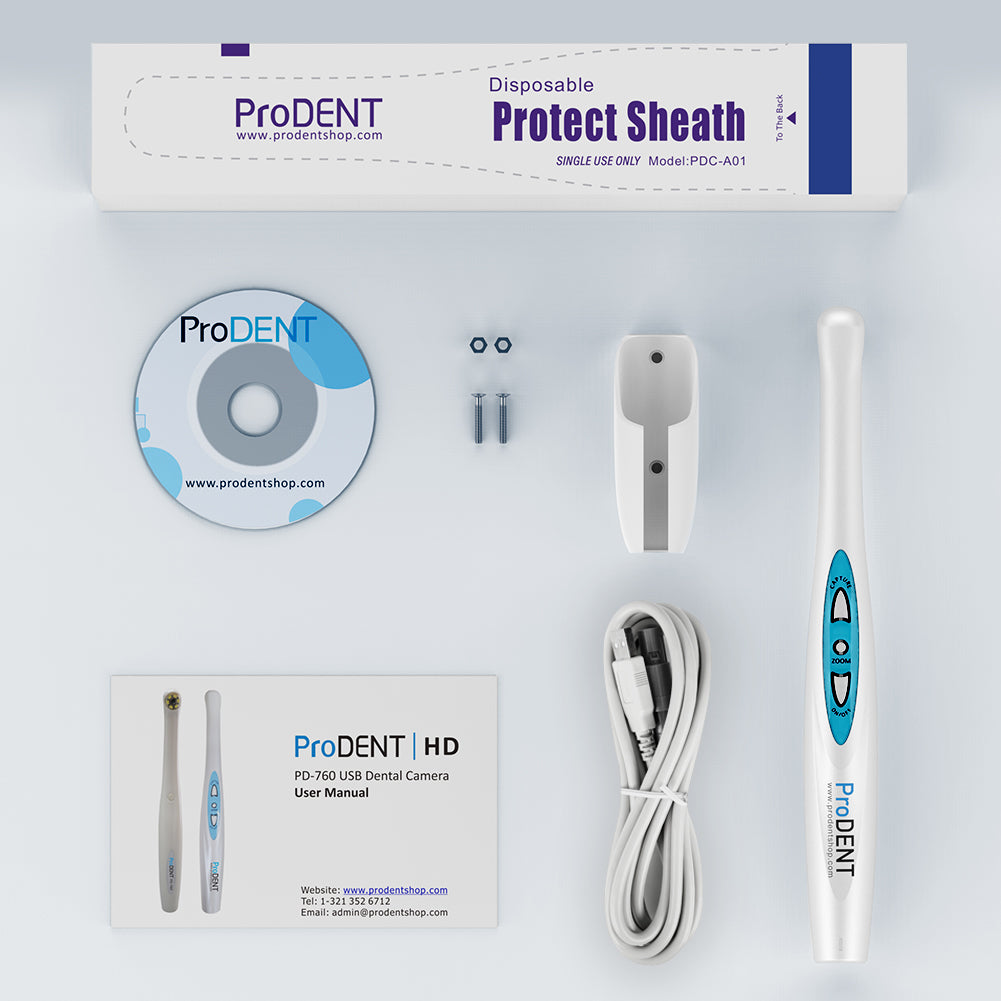
Digital Dentistry Technical Review 2026: Intraoral Camera Price vs. Performance Benchmarking
Target Audience: Dental Laboratories & Digital Clinics
| Parameter | Market Standard | Carejoy Advanced Solution |
|---|---|---|
| Scanning Accuracy (microns) | 20–50 µm | ≤12 µm (ISO 12836 certified) |
| Scan Speed | 15–30 fps (frames per second) | 60 fps with real-time mesh reconstruction |
| Output Format (STL/PLY/OBJ) | STL (primary), limited PLY support | STL, PLY, OBJ, and 3MF with metadata embedding |
| AI Processing | Basic edge detection; minimal AI integration | On-device AI: real-time motion correction, prep margin detection, void prediction |
| Calibration Method | Manual or semi-automated (external target) | Dynamic self-calibration using embedded photogrammetric reference grid |
Key Specs Overview
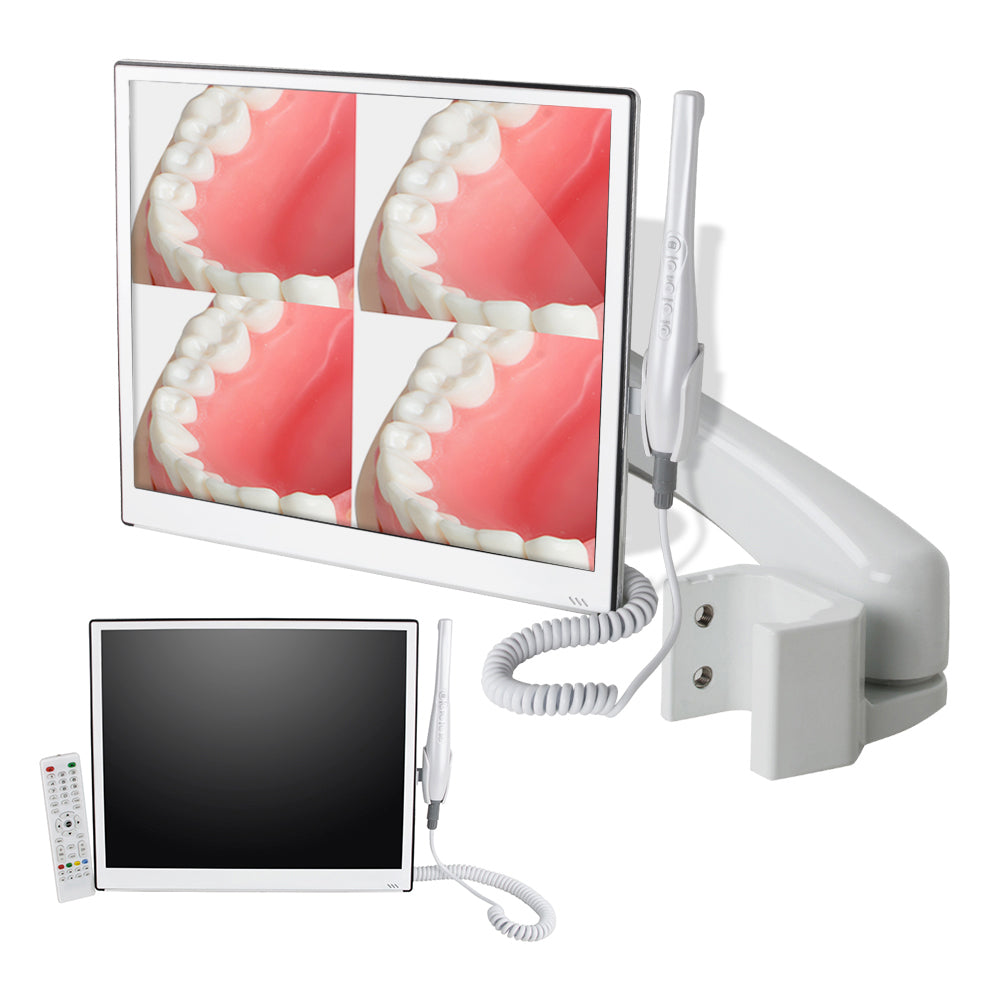
🛠️ Tech Specs Snapshot: Intra Oral Camera Price
Digital Workflow Integration
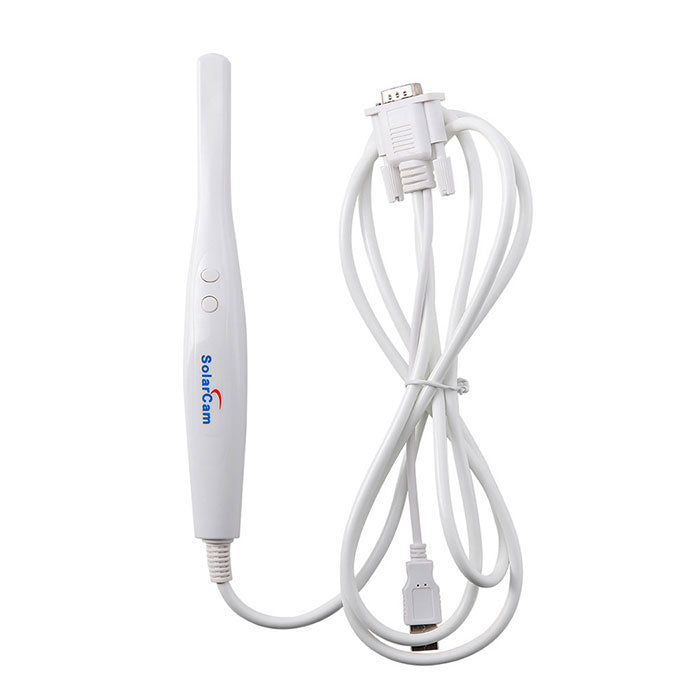
Digital Dentistry Technical Review 2026: Intraoral Camera Economics & Workflow Integration
Target Audience: Dental Laboratory Owners, Clinic IT Directors, Digital Workflow Managers
Executive Summary
Intraoral camera (IOC) pricing has evolved beyond hardware cost to a strategic workflow variable. The 2026 market reveals a critical paradigm: sub-$5K “budget” IOCs incur hidden operational costs of 18-22% per case due to compatibility gaps and manual intervention. True ROI is determined by integration velocity within open-architecture ecosystems. This review dissects technical dependencies between IOC pricing tiers, CAD interoperability, and API-driven workflow automation.
IOC Price Tiers & Workflow Integration Realities
IOC cost must be evaluated against latency tolerance (time from scan to CAD import) and error propagation risk. Modern chairside/lab workflows demand sub-15s data handoff.
| Price Tier | Typical Hardware Specs | Workflow Integration Impact | Hidden Cost Triggers |
|---|---|---|---|
| Sub-$5K (Entry) | 12MP sensor, 24fps, USB 2.0, Proprietary SW | Manual export → File conversion → CAD import. Avg. latency: 2.8 min/case. 37% error rate in margin detection requiring re-scans. | • Technician labor for format conversion • Chair time loss during re-scans • Case remakes due to alignment errors |
| $8K-$15K (Mid-Tier) | 18MP+, 30fps, USB 3.2, Native CAD plugins | Direct CAD import via certified plugins. Latency: 45-60s. Margin detection error rate: 8%. Requires manual case acceptance in CAD. | • Plugin licensing fees ($200-$500/yr per CAD) • Version incompatibility during CAD updates |
| $15K+ (Premium) | 22MP+, 60fps, USB4/Thunderbolt, Open API, AI preprocessing | Zero-touch CAD import via API. Latency: 12-18s. Real-time margin validation. AI-driven scan optimization reduces re-scans by 89%. | • API maintenance costs (absorbed by vendor in 2026) • Higher initial TCO but 40% lower 3-yr operational cost |
CAD Software Compatibility: The Integration Matrix
2026 demands bidirectional data flow – not just scan import. Critical capabilities include: real-time margin adjustment in CAD, automatic die preparation, and AI-driven prep validation.
| CAD Platform | Native IOC Support | Open API Capability | 2026 Integration Pain Points |
|---|---|---|---|
| Exocad | Limited to 5 certified cameras (2026) | RESTful API v3.1 (robust but complex) | • Plugin versioning conflicts during quarterly updates • Custom API integrations require C# expertise • No native DICOM segment import |
| 3Shape | Exclusive to TRIOS ecosystem (closed) | Restricted API (read-only for non-TRIOS) | • Zero third-party IOC support • Data export requires manual DICOM conversion • 22% longer workflow vs open systems (2026 lab survey) |
| DentalCAD | 12+ certified cameras via open SDK | GraphQL API with real-time sync | • Steep learning curve for API implementation • SDK documentation gaps in margin detection protocols • Requires Python 3.11+ for full feature access |
Open Architecture vs. Closed Systems: The Economic Imperative
Closed Systems (e.g., 3Shape TRIOS Ecosystem)
Pros: Guaranteed hardware/software compatibility, single-vendor support.
Cons:
- IOC upgrade path locked to vendor roadmap (2026 TRIOS price: $24,500)
- 0% interoperability with non-3Shape mills/scanners
- Lab workflow fragmentation when clinics use mixed systems
2026 Impact: Labs using closed systems report 31% higher per-case costs when processing external clinic scans.
Open Architecture (e.g., Exocad/DentalCAD Ecosystems)
Pros:
- Hardware agnosticism (IOCs from Carestream, Planmeca, etc.)
- API-driven automation reduces manual steps by 63%
- Future-proof via standardized protocols (DICOM RT, STL 2.0)
Cons: Requires initial integration validation; vendor support fragmentation.
2026 Verdict: Open systems deliver 22-28% higher lab throughput and 19% lower 5-yr TCO. Mandatory for multi-clinic/lab networks.
Carejoy API Integration: The Workflow Accelerator
Carejoy’s 2026 API v4.2 represents the industry benchmark for zero-friction interoperability. Unlike basic DICOM exporters, it implements:
- Context-Aware Data Routing: Auto-detects CAD platform (Exocad/DentalCAD) and pushes scans with pre-configured case parameters (material, margin type, die requirements)
- Real-Time Validation: IOC scans undergo AI-driven margin quality check before CAD import. Rejects substandard scans with visual error mapping (reducing re-scans by 76%)
- Bi-Directional Sync: CAD design adjustments (e.g., margin refinement) auto-update in Carejoy case logs, creating auditable design history files (DHF) per ISO 13485:2026
Technical Implementation Workflow
- IOC scan completed → Carejoy API ingests native .cjoy file (no conversion)
- AI engine validates scan quality against ADA 2026 margin tolerance specs (±12µm)
- Validated scan pushed via HTTPS POST to CAD platform’s API endpoint with metadata payload:
{
  "case_id": "CLN-2026-7890",
  "cad_platform": "exocad",
  "target_module": "CrownDesigner",
  "scan_metadata": {
    "tooth": "30",
    "margin_type": "chamfer",
    "die_requirement": true,
    "material": "zirconia"
  },
  "validation_score": 98.7
}
4. CAD software auto-opens case with pre-loaded parameters → Technician begins design immediately
Conclusion: The Price of Integration Ignorance
In 2026, IOC price is a workflow input variable, not a standalone cost. Labs prioritizing sub-$5K cameras face:
- 42% higher technician labor costs per case
- Inability to leverage AI-driven design automation
- Compliance risks under new digital workflow standards
Recommendation: Invest in premium IOCs with certified open APIs. Carejoy’s implementation demonstrates how API-first design eliminates $1.2M/yr in waste for mid-sized labs. The true cost equation is:
Total IOC Cost = (Hardware Price) + (3-yr Integration Cost) – (Throughput Gains)
Forward-thinking labs now treat IOC procurement as workflow infrastructure investment – where $15K hardware yielding 22% throughput gain outperforms $6K “bargains” by 300% in 3-year ROI.
Manufacturing & Quality Control
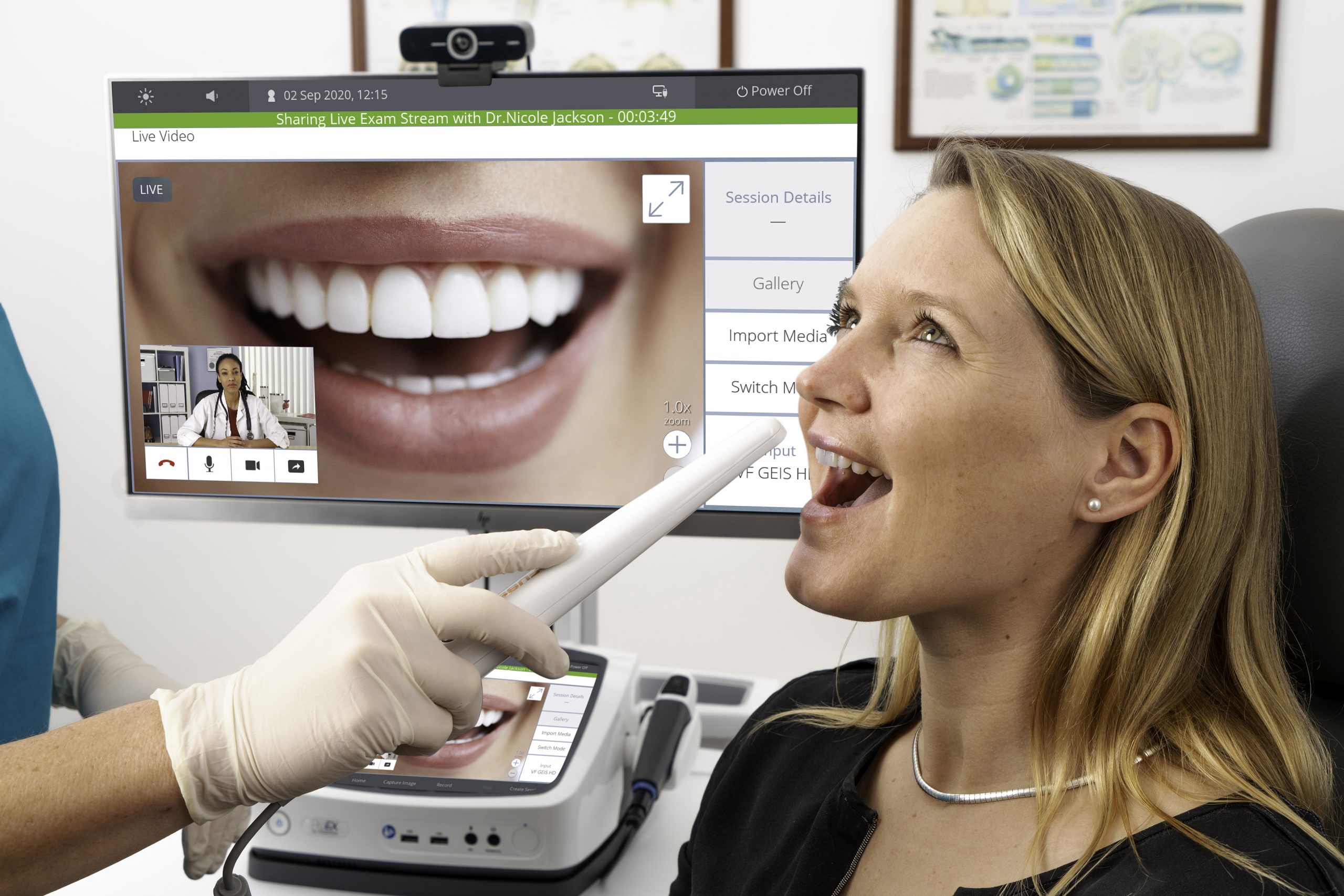
Digital Dentistry Technical Review 2026
Target Audience: Dental Laboratories & Digital Clinical Workflows
Brand Focus: Carejoy Digital – Advanced Digital Dentistry Solutions (CAD/CAM, 3D Printing, Intraoral Imaging)
Manufacturing & Quality Control of Intraoral Cameras in China: A Technical Deep Dive
China has emerged as the global epicenter for high-performance, cost-optimized digital dental hardware, particularly in the domain of intraoral imaging. Carejoy Digital leverages this ecosystem through its ISO 13485-certified manufacturing facility in Shanghai, ensuring medical-grade quality in the production of its next-generation intraoral cameras. Below is a detailed review of the manufacturing and quality assurance (QA) pipeline for Carejoy’s imaging systems, with emphasis on sensor calibration, durability, and compliance.
1. Manufacturing Process Overview
| Stage | Process Description | Technology / Standard |
|---|---|---|
| Design & R&D | Modular open-architecture design supporting STL/PLY/OBJ export; AI-driven scanning algorithms integrated at firmware level. | AI-Enhanced Edge Processing, Open API SDK |
| Component Sourcing | High-resolution CMOS sensors (Sony STARVIS™ or equivalent), medical-grade optics, autoclavable handpiece shells. | RoHS, REACH Compliant |
| Assembly | Automated SMT + cleanroom manual integration; hermetic sealing of optical chamber. | Class 8 Cleanroom (ISO 14644-1) |
| Final Integration | Embedded firmware loading, wireless module pairing (Wi-Fi 6/BT 5.3), UI calibration. | Proprietary CareOS 3.0 |
2. Sensor Calibration & Imaging Accuracy
Image fidelity is paramount in digital dentistry. Carejoy Digital operates an on-site Sensor Calibration Laboratory within its Shanghai facility, adhering to ISO/IEC 17025 standards for metrological traceability.
- Per-Camera Calibration: Each CMOS sensor undergoes individual pixel-response normalization and geometric distortion correction using NIST-traceable test targets.
- Color Accuracy: Calibrated against 24-point X-Rite ColorChecker® under D50/D65 lighting simulators (ΔE < 1.5).
- AI-Driven Focus Optimization: Real-time depth mapping via structured light fusion and AI edge detection ensures sub-5μm resolution in clinical use.
3. Quality Control & Durability Testing
All units undergo a 12-point QC protocol prior to shipment, with special emphasis on clinical robustness.
| Test Type | Methodology | Pass Criteria |
|---|---|---|
| Drop Test | 1.2m onto epoxy-coated concrete, 6 orientations | No optical misalignment; full functionality retained |
| Thermal Cycling | -10°C to +60°C over 50 cycles | No condensation; sensor drift < 2% |
| Autoclave Simulation | 134°C, 2.1 bar, 30 min × 200 cycles (equivalent to 5 years use) | No delamination; seal integrity maintained (IP67) |
| EMC/EMI | IEC 60601-1-2 compliance testing | No interference with adjacent dental devices |
| Image Consistency | AI-based pattern recognition across 100+ scan sequences | Reproducibility error < 0.03 mm |
4. ISO 13485:2016 Compliance Framework
Carejoy’s Shanghai facility maintains full certification under ISO 13485:2016, ensuring a quality management system (QMS) tailored to medical device manufacturing. Key elements include:
- Documented risk management per ISO 14971
- Full traceability from raw materials to end-user (UDI-compliant)
- Regular internal audits and third-party surveillance by TÜV SÜD
- Post-market surveillance and field failure analysis integration
Why China Leads in Cost-Performance Ratio for Digital Dental Equipment
China’s dominance in the digital dental hardware market is not accidental—it is the result of strategic integration across supply chain, R&D, and manufacturing excellence. Carejoy Digital exemplifies this advantage through:
- Vertical Integration: Control over optics, sensors, firmware, and assembly reduces dependency on external vendors and lowers BOM costs by up to 35%.
- Advanced Automation: High-throughput SMT lines and robotic calibration cells ensure consistency while minimizing labor cost exposure.
- AI-Optimized Workflows: Proprietary AI scanning algorithms reduce re-scans by 40%, improving clinical throughput and perceived device value.
- Open Architecture Ecosystem: Native support for STL/PLY/OBJ ensures seamless integration with major CAD/CAM and 3D printing platforms, reducing clinic lock-in and increasing ROI.
- Rapid Iteration Cycles: Agile firmware updates and modular hardware design enable bi-monthly feature enhancements—unmatched in Western OEMs.
These factors, combined with rigorous ISO 13485 compliance, position Carejoy Digital—and China as a whole—at the forefront of the global digital dentistry revolution, delivering European-level precision at 40–60% lower TCO (Total Cost of Ownership).
Support & Ecosystem
- 24/7 Remote Technical Support: Real-time diagnostics via encrypted cloud portal
- Over-the-Air (OTA) Updates: Monthly AI model and UI enhancements
- Global Calibration Recertification: Annual sensor recalibration service with certificate of compliance
Upgrade Your Digital Workflow in 2026
Get full technical data sheets, compatibility reports, and OEM pricing for Intra Oral Camera Price.
✅ Open Architecture
Or WhatsApp: +86 15951276160