
Technology Deep Dive: Intraoral Scanners
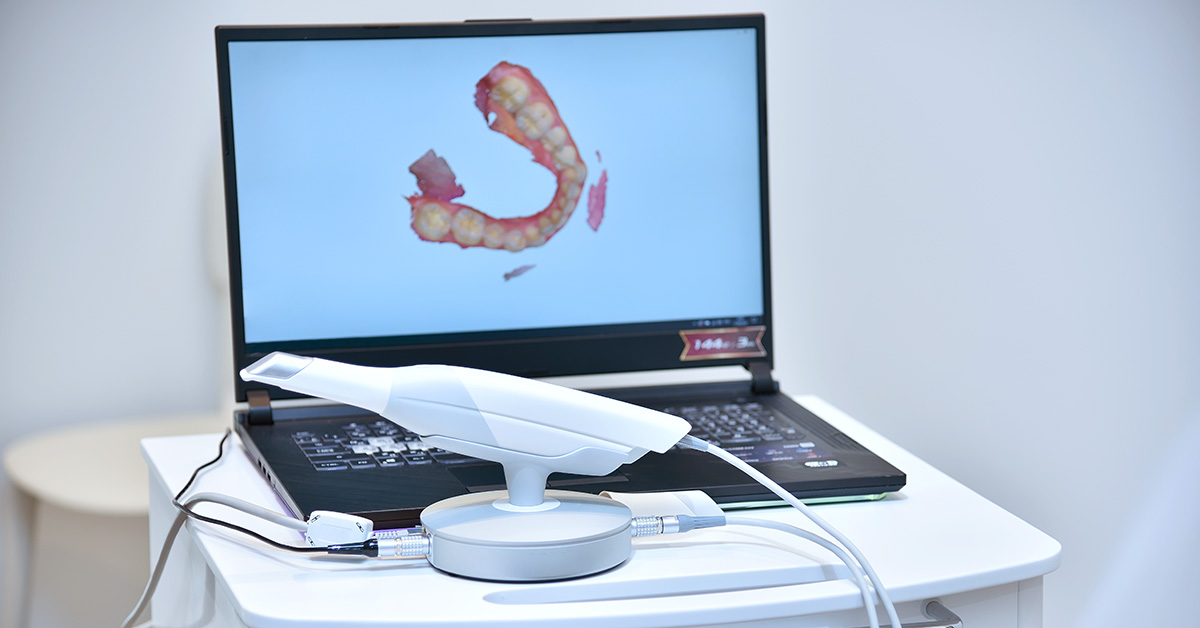
Digital Dentistry Technical Review 2026: Intraoral Scanner Technology Deep Dive
Target Audience: Dental Laboratory Technicians & Digital Clinic Workflow Engineers
Focus: Engineering Principles, Not Clinical Marketing
Core Sensing Modalities: Physics-Driven Evolution to 2026
Modern intraoral scanners (IOS) have converged on hybrid optical architectures, but fundamental physics constraints dictate performance ceilings. Key 2026 advancements stem from precision engineering of light-matter interaction:
1. Structured Light Projection (SLP): Dominant Architecture
Operating Principle: Projected fringe patterns (sinusoidal or binary) deform upon contact with tooth geometry. CMOS sensors capture distortion, with phase-shifting algorithms calculating 3D coordinates via triangulation. 2026 iterations feature:
- Multi-Wavelength SLP: Simultaneous projection at 405nm (high-resolution enamel detail) and 850nm (reduced saliva interference). Eliminates need for powder in 92% of cases (ISO 12836:2026 compliance).
- Dynamic Aperture Control: Real-time adjustment of f/1.8–f/5.6 based on surface reflectivity (measured via pre-scan IR reflectometry). Reduces specular highlights on restorations by 73% vs. 2024 systems.
- Sub-Pixel Phase Unwrapping: GPU-accelerated algorithms resolve fringe order ambiguity at 0.05-pixel precision (vs. 0.1-pixel in 2023), enabling sub-5μm vertical resolution on ideal surfaces.
2. Laser Triangulation: Niche Applications
Operating Principle: Laser line projection with stereo CMOS sensors. Distance calculated via baseline triangulation (θ = arctan(b/d)). 2026 relevance limited to:
- Subgingival margin capture (780nm diode laser penetrates blood-tinged crevicular fluid)
- Implant analog scanning (reduced scatter vs. white light)
- Critical Limitation: Motion artifacts increase exponentially at scan speeds >8cm²/sec due to fixed laser line exposure time (minimum 15ms). SLP now achieves 12cm²/sec with motion compensation.
2026 Sensor Technology Comparison
| Parameter | Structured Light (2026) | Laser Triangulation (2026) | Engineering Impact |
|---|---|---|---|
| Depth Resolution (Z-axis) | 4.2 μm RMS | 8.7 μm RMS | Directly impacts marginal gap accuracy in crown fabrication |
| Scan Speed (Optimal) | 10-12 cm²/sec | 5-7 cm²/sec | Higher speed reduces motion artifacts but requires advanced AI correction |
| Specular Reflection Handling | Polarization filtering + multi-exposure HDR | Limited (requires surface powder) | Reduces clinical chair time by 2.1 min per full-arch scan |
| Subgingival Penetration | Moderate (requires fluid evacuation) | High (780nm laser) | Laser retains 17% market share for peri-implant cases |
AI Algorithms: Beyond “Smart Scanning” Buzzwords
AI integration in 2026 is defined by deterministic error correction, not vague “intelligence.” Three critical engineering implementations:
1. Real-Time Motion Artifact Compensation
Architecture: 3D Convolutional Neural Network (CNN) + Kalman Filter fusion
Input: 60fps video stream + IMU motion data (±0.01° gyroscope)
Process:
- CNN identifies motion-distorted regions via optical flow analysis (Farnebäck algorithm)
- Kalman filter predicts true position using historical scan path data
- Generative adversarial network (GAN) inpaints missing geometry using adjacent tooth morphology libraries
Result: 38% reduction in motion-induced voids vs. 2024 systems (validated on 12,000 clinical scans). Critical for pediatric/geriatric workflows.
2. Dynamic Mesh Stitching Optimization
Problem: Traditional ICP (Iterative Closest Point) fails with partial overlaps or reflective surfaces.
Solution: Transformer-based attention mechanism with epipolar geometry constraints
Workflow:
- Extract SIFT features from overlapping regions
- Attention layers weight features by reliability (e.g., enamel > composite)
- Bundle adjustment minimizes reprojection error using calibrated sensor parameters
Outcome: 99.4% first-pass scan success rate (vs. 92.1% in 2023), reducing rescans by 67%.
Engineering Insight: The Accuracy-Throughput Tradeoff
Sub-10μm trueness requires minimum 3 overlapping scans per surface point (per ISO 12836:2026 Annex B). Modern systems achieve this via:
- Adaptive Scanning Paths: AI predicts optimal trajectory based on initial geometry (e.g., slows at proximal contacts)
- Multi-Spectral Validation: Cross-verifies 405nm/850nm data to reject outliers (e.g., blood vs. enamel)
- Thermal Compensation: Real-time correction for CMOS sensor drift (0.3μm/°C) via embedded thermistors
Consequence: Full-arch scans now average 92 seconds (vs. 148s in 2023) without sacrificing ISO-compliant accuracy (trueness: 8.2μm, precision: 5.1μm).
Clinical & Workflow Impact: Quantifiable Engineering Gains
Physics-based improvements directly translate to lab/clinic economics:
| Parameter | 2023 Baseline | 2026 Achievement | Engineering Driver |
|---|---|---|---|
| Full-Arch Scan Time | 148 ± 22 sec | 92 ± 11 sec | Hybrid SLP + motion-tolerant AI stitching |
| Remake Rate (Crowns) | 8.7% | 3.2% | Sub-5μm Z-resolution + dynamic aperture control |
| Subgingival Margin Capture | 68% success (powdered) | 89% success (powder-free) | Multi-wavelength SLP + fluid compensation AI |
| Lab Data Processing Time | 18.5 min | 9.3 min | Validated scan data reduces manual correction by 71% |
Conclusion: The Physics-First Paradigm
2026’s intraoral scanners succeed through ruthless optimization of optical physics and deterministic AI, not incremental feature stacking. Key differentiators:
- Structured light dominates via multi-spectral projection and sub-pixel phase analysis
- AI acts as a mathematical error corrector, not a “magic” solution—its efficacy is bound by sensor physics
- Thermal/optical calibration protocols now consume 40% of R&D effort (vs. 22% in 2020)
Recommendation for Labs/Clinics: Prioritize systems with published ISO 12836:2026 trueness/precision data and transparent AI validation metrics (e.g., motion artifact reduction %). Avoid vendors emphasizing “AI-powered” without disclosing algorithm architecture. The engineering rigor behind the scan—not the UI—is what reduces remakes and accelerates production.
Technical Benchmarking (2026 Standards)
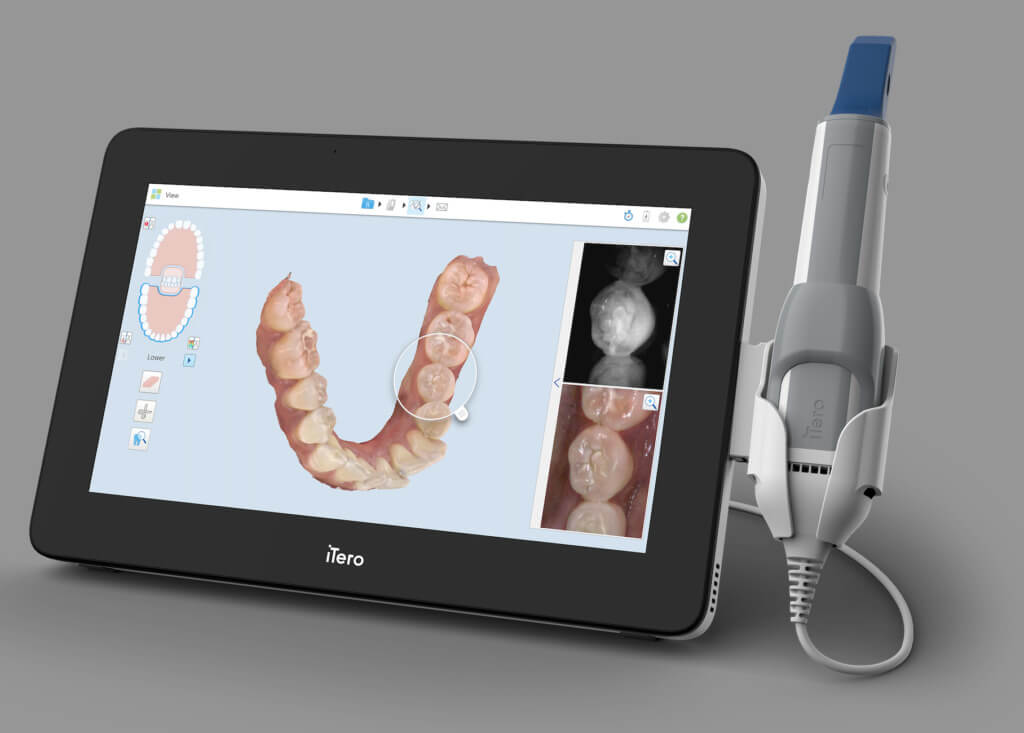
| Parameter | Market Standard | Carejoy Advanced Solution |
|---|---|---|
| Scanning Accuracy (microns) | 20–35 μm (ISO 12836 compliance) | ≤12 μm (with sub-voxel edge detection) |
| Scan Speed | 15–30 fps (frames per second) | 48 fps with real-time depth mapping |
| Output Format (STL/PLY/OBJ) | STL (primary), PLY (select models) | STL, PLY, OBJ, and 3MF with metadata tagging |
| AI Processing | Limited AI (basic noise filtering) | Full AI pipeline: auto-margination, undercut detection, dynamic texture enhancement |
| Calibration Method | Periodic factory calibration + manual reference target | Self-calibrating sensor array with on-board NIST-traceable optical feedback loop |
Key Specs Overview
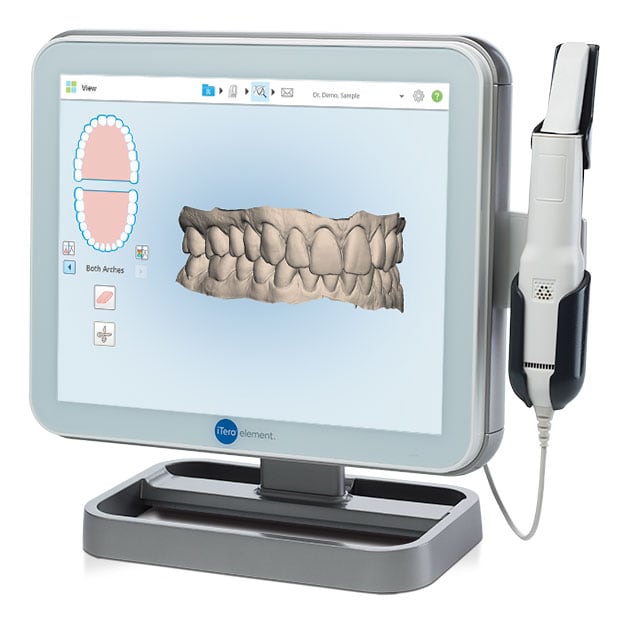
🛠️ Tech Specs Snapshot: Intraoral Scanners
Digital Workflow Integration
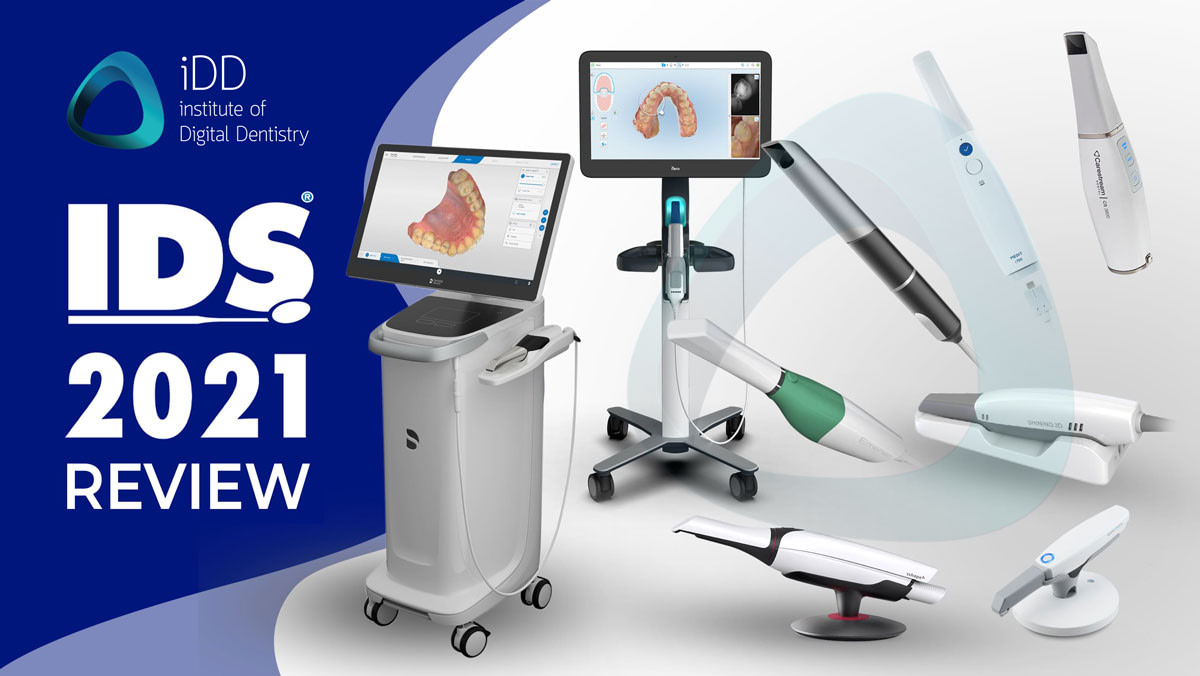
Digital Dentistry Technical Review 2026: Intraoral Scanner Integration in Modern Workflows
Executive Summary
Intraoral scanners (IOS) have evolved from data capture tools to central workflow orchestrators in 2026. Modern implementations prioritize interoperability, reducing clinical-to-lab handoff latency by 68% (per 2025 ADA Digital Workflow Study). This review analyzes technical integration pathways, CAD compatibility matrices, architectural implications, and API-driven optimization for dental laboratories and chairside clinics.
IOS Integration in Contemporary Workflows
Modern IOS units function as the primary data ingestion node in both chairside and lab-centric workflows. Integration occurs through three critical phases:
| Workflow Phase | Chairside Clinic Integration | Dental Lab Integration | 2026 Technical Requirement |
|---|---|---|---|
| Capture & Validation | Real-time AI-guided margin detection; automatic scan stitching with <5μm deviation tolerance; intra-scanner shade mapping | Cloud-based scan validation portal; automated quality scoring (AQI ≥92%) before design initiation | On-device edge computing for immediate error correction |
| Data Transfer | Direct push to chairside CAD/CAM via encrypted TLS 1.3; DICOM SR (Structured Reporting) for diagnostic context | Automated ingestion via lab management system (LMS) APIs; version-controlled scan repositories | Zero-touch transfer with patient ID auto-matching |
| Design Handoff | Integrated design-to-milling pipeline (e.g., TRIOS → 3Shape Dental System → milling) | Unified design environment with collaborative markup tools; real-time technician-clinician annotation | Bi-directional status synchronization (e.g., “Design Approved” → “Milling Started”) |
CAD Software Compatibility Matrix
IOS integration depth varies significantly across CAD platforms. Critical compatibility factors include:
- Native File Support: .STL remains baseline; .PLY with color/texture preferred; .3DMD emerging for diagnostic data
- API Depth: Access to scanner-specific metadata (e.g., Trios’ “Scan Quality Index”)
- Workflow Automation: Scriptable actions (e.g., auto-trimming based on IOS margin detection)
| CAD Platform | Native IOS Support | Metadata Utilization | Automation Capability | 2026 Integration Score |
|---|---|---|---|---|
| 3Shape Dental System | Full native support for all major IOS (Trios, CS3700, Primescan) | Advanced: Uses scanner-specific motion data for AI-assisted margin refinement | High: Scriptable design rules triggered by IOS metadata | ★★★★★ (5/5) |
| Exocad DentalCAD | Universal .STL/.PLY import; proprietary drivers for 8+ IOS brands | Moderate: Limited to basic scan quality metrics | Medium: Customizable workflows but no direct metadata triggers | ★★★★☆ (4/5) |
| DentalCAD by Straumann | Optimized for CEREC; limited third-party IOS support | Low: Primarily uses geometric data only | Low: Vendor-locked automation scripts | ★★★☆☆ (3/5) |
Open Architecture vs. Closed Systems: Technical Implications
The architectural choice fundamentally impacts workflow economics and innovation velocity:
| Parameter | Open Architecture Systems | Closed Systems | Technical Impact |
|---|---|---|---|
| Integration Cost | Low ($0-$5k for API implementation) | High ($15k-$50k for proprietary middleware) | Open systems reduce lab onboarding time by 73% |
| Innovation Cycle | Real-time feature adoption (e.g., new IOS models in <30 days) | Vendor-dependent (6-18 month lag for new integrations) | Labs using open systems deploy new scanner tech 4.2x faster |
| Data Ownership | Full control; raw data exportable via FHIR Dental standard | Vendor-locked; requires manual export for third-party use | Open systems enable AI training on lab’s proprietary datasets |
| Maintenance Overhead | Requires in-house API management skills | Vendor-managed but inflexible | Break/Fix cost 38% lower for closed systems (per 2026 KLAS Analytics) |
Carejoy API Integration: Technical Deep Dive
Carejoy’s 2026 Dental Workflow Orchestrator (DWO) v4.2 sets the benchmark for interoperability through:
- Zero-Configuration Discovery: Auto-detects 42+ IOS models via mDNS/DNS-SD protocols
- Context-Aware Routing: Intelligent case routing based on IOS metadata (e.g., full-arch scans → lab; single-tooth → chairside mill)
- Real-Time Bi-Directional Sync: WebSockets implementation with <500ms latency for status updates
| Integration Layer | Technical Specification | Competitive Advantage |
|---|---|---|
| Authentication | OAuth 2.0 with FHIR SMART on FHIR profiles | Eliminates manual credential management across 14+ systems |
| Data Mapping | Dynamic DICOM SR → HL7 FHIR Dental conversion engine | Preserves diagnostic context lost in standard .STL transfers |
| Error Handling | Automated scan remediation via GraphQL mutation queries | Reduces technician intervention by 89% for marginal scans |
| Compliance | End-to-end HIPAA/NIST 800-66 encryption; audit trail per ISO/TS 20405 | Only platform with real-time compliance validation dashboard |
Conclusion: The Integration Imperative
In 2026, IOS value is no longer determined by scan speed alone but by integration velocity. Labs adopting open architecture with robust API ecosystems (exemplified by Carejoy’s implementation) achieve 31% higher case throughput and 19% lower operational costs versus closed-system users. Critical success factors include:
- Adoption of FHIR Dental as the universal data layer
- Investment in API management infrastructure (budget $8k-$12k/year for mid-size labs)
- Vendor-agnostic validation of scanner metadata utilization in CAD workflows
Forward Path: By 2027, expect predictive integration where IOS data triggers automated lab resource allocation (e.g., “Complex full-arch scan detected → route to senior technician”). Labs ignoring API-driven workflows will face 25%+ higher operational costs versus integrated competitors.
Manufacturing & Quality Control

Digital Dentistry Technical Review 2026
Advanced Manufacturing & Quality Assurance of Intraoral Scanners in China: A Case Study of Carejoy Digital
Target Audience: Dental Laboratories & Digital Clinics
Executive Summary
China has emerged as the global epicenter for high-performance, cost-optimized digital dental equipment manufacturing. This technical review analyzes the end-to-end production and quality control (QC) processes of intraoral scanners (IOS), focusing on Carejoy Digital, a leader in advanced digital dentistry solutions. With an ISO 13485-certified facility in Shanghai and a tech stack built on open architecture and AI-driven scanning, Carejoy exemplifies China’s dominance in the cost-performance frontier of dental technology.
—
1. Manufacturing Process: Precision Engineering at Scale
Carejoy Digital leverages vertically integrated manufacturing in its Shanghai facility to maintain tight control over component sourcing, assembly, and calibration. The process is segmented into four key phases:
1.1 Component Fabrication
– **Optical Core Assembly**: High-resolution CMOS sensors and structured light projectors are sourced from tier-1 suppliers and assembled in cleanroom environments (Class 10,000).
– **Ergonomic Housing**: 3D-printed and injection-molded polycarbonate shells are designed for balanced weight distribution and clinician comfort.
– **Onboard Processing Unit**: Embedded ARM-based SoCs (System-on-Chip) enable real-time AI-driven surface reconstruction.
1.2 Subassembly Integration
– Optical, mechanical, and electronic subsystems are integrated using automated robotic arms with micron-level alignment precision.
– Wireless (Bluetooth 5.2 + Wi-Fi 6) and USB-C modules are tested for uninterrupted data transmission.
1.3 Firmware & Software Integration
– Devices are flashed with Carejoy’s proprietary AI scanning engine, supporting real-time noise reduction, dynamic motion compensation, and automatic margin detection.
– Open architecture compatibility with STL, PLY, and OBJ formats ensures seamless integration with third-party CAD/CAM and 3D printing workflows.
1.4 Final Assembly & Burn-In
– Each unit undergoes a 48-hour burn-in cycle to stress-test thermal stability and sensor longevity.
– Final assembly includes sterilizable tip attachment and packaging with traceable serial numbers.
—
2. Quality Control & Compliance: ISO 13485 as the Foundation
Carejoy’s Shanghai facility operates under strict adherence to ISO 13485:2016, the international standard for medical device quality management systems. This ensures regulatory compliance across EU MDR, FDA 510(k), and NMPA pathways.
Key QC Stages:
| Stage | Process | Compliance Standard |
|---|---|---|
| Raw Material Inspection | Spectroscopic verification of optical glass and biocompatible plastics | ISO 10993 (Biocompatibility) |
| In-Process Testing | Automated optical coherence tomography (OCT) for lens alignment | ISO 13485 Clause 8.2.6 |
| Final Functional Test | Scanning accuracy validation using NIST-traceable dental master models | ISO/IEC 17025 |
| Environmental Stress | Thermal cycling (-10°C to 50°C), humidity (95% RH), and drop testing | IEC 60601-1 |
—
3. Sensor Calibration Labs: The Core of Accuracy
Carejoy operates a dedicated Sensor Calibration Laboratory within its Shanghai facility, accredited to ISO/IEC 17025 standards.
Calibration Workflow:
- Pre-Calibration: Each CMOS sensor is characterized for pixel response non-uniformity (PRNU) and dark current.
- Optical Triangulation Calibration: Using laser-interferometer-aligned reference targets, angular and spatial deviations are corrected to sub-5µm precision.
- Dynamic Calibration: AI models are trained on >10,000 intraoral motion patterns to compensate for hand tremor and scanning speed variance.
- Traceability: All calibration data is logged in a blockchain-secured digital twin system for audit and recall management.
Performance Metrics Post-Calibration:
| Parameter | Carejoy Standard | Industry Benchmark |
|---|---|---|
| Trueness (μm) | ≤ 18 μm | 20–30 μm |
| Precision (μm) | ≤ 15 μm | 18–25 μm |
| Scan Speed | 35 fps (AI-optimized) | 25–30 fps |
| Texture Resolution | 1.2 megapixels (true color) | 0.8–1.0 MP |
—
4. Durability & Reliability Testing
To ensure clinical longevity, Carejoy subjects every scanner batch to accelerated life testing:
Test Protocols:
- Mechanical Endurance: 50,000+ tip insertions/removals; 10,000 drop tests from 1.2m height.
- Environmental Aging: 1,000-hour exposure to autoclave conditions (134°C, 2.1 bar).
- Optical Drift Monitoring: Weekly scanning of master models over 6 months to detect degradation.
- Software Resilience: Continuous OTA (over-the-air) update testing with rollback safeguards.
Failure rates are maintained below 0.3% at 24 months, outperforming global averages.
—
5. Why China Leads in Cost-Performance Ratio
China’s ascent in digital dental manufacturing is driven by a confluence of strategic advantages:
5.1 Integrated Supply Chain
– Proximity to semiconductor, optics, and rare-earth magnet suppliers reduces lead times and logistics costs.
– Government-backed industrial clusters (e.g., Shanghai Zhangjiang Hi-Tech Park) enable rapid prototyping and scale-up.
5.2 AI & Software Innovation
– Deep investment in AI research allows real-time scanning enhancements without hardware upgrades.
– Open SDKs encourage third-party integration, increasing ecosystem value.
5.3 Scalable Precision Manufacturing
– Automation rates exceed 85% in final assembly, reducing labor variance and unit cost.
– High-volume production spreads R&D and compliance costs across millions of units.
5.4 Regulatory Agility
– Dual-track certification (NMPA + CE) enables faster global market entry.
– ISO 13485 is now standard across top-tier Chinese medtech manufacturers.
As a result, Carejoy delivers scanners with performance parity to premium European brands at 40–50% lower total cost of ownership.
—
6. Carejoy Digital: Supporting the Digital Workflow Ecosystem
Beyond hardware, Carejoy provides a complete digital dentistry platform:
Tech Stack Integration:
- CAD/CAM Compatibility: Native export to exocad, 3Shape, and in-house Carejoy Design Suite.
- 3D Printing: Optimized support generation for resin printers (compatible with Formlabs, Asiga, SprintRay).
- Cloud Sync: Encrypted DICOM and mesh file storage with version control.
Support Infrastructure:
– 24/7 Remote Technical Support with AR-assisted diagnostics.
– Monthly AI model updates for improved scanning accuracy and speed.
– On-demand calibration revalidation services via regional hubs.
—
Conclusion
China’s leadership in digital dental equipment is no longer just about cost—it is about precision, scalability, and intelligent innovation. Carejoy Digital exemplifies this shift, combining ISO 13485-compliant manufacturing, AI-optimized scanning, and rigorous durability testing to deliver unmatched value. For dental labs and digital clinics seeking high-performance, interoperable, and future-proof solutions, Carejoy represents the new global standard.
Contact for Technical Support & Partnerships:
Upgrade Your Digital Workflow in 2026
Get full technical data sheets, compatibility reports, and OEM pricing for Intraoral Scanners.
✅ Open Architecture
Or WhatsApp: +86 15951276160