
Technology Deep Dive: Video Scanners
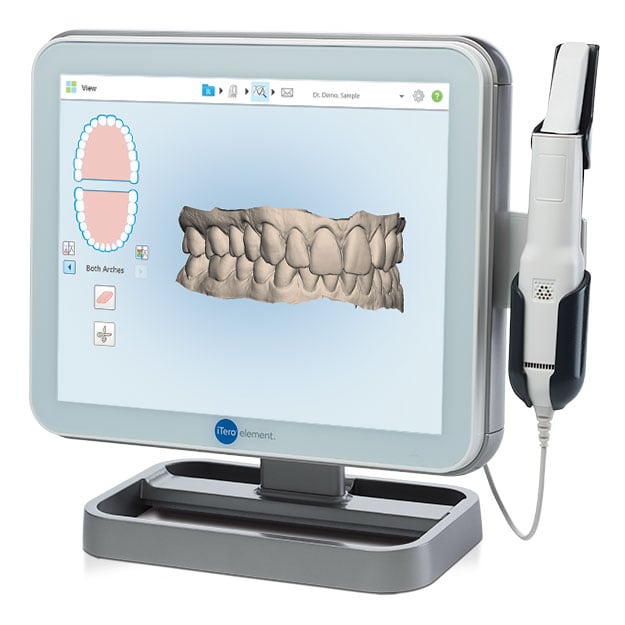
Digital Dentistry Technical Review 2026
Technical Deep Dive: Intraoral Video Scanners – Engineering Principles Driving Clinical Precision
Core Technology Analysis
1. Structured Light Evolution: Adaptive Fringe Projection & Motion Compensation
Modern video scanners (e.g., 3M True Definition 2026, Planmeca Emerald S) utilize dynamically modulated sinusoidal fringe patterns projected at 120-240 Hz. Unlike static systems that require motionless capture, 2026 systems implement:
- Phase-Shifted Fringe Sequencing: 4-step phase shifting per frame (0°, 90°, 180°, 270°) with sub-millisecond LED pulse control. This enables instantaneous phase unwrapping, eliminating motion-induced fringe order ambiguity.
- Adaptive Pattern Density: Real-time adjustment of fringe frequency based on surface curvature (via preliminary low-res scan). High-curvature regions (e.g., proximal boxes) receive higher spatial frequency patterns (up to 0.8 cycles/mm), while flat areas use lower frequencies to maintain signal-to-noise ratio (SNR > 45dB).
- Optical Flow Compensation: GPU-accelerated Lucas-Kanade algorithms track 2,000+ feature points between frames. Motion vectors feed into a Kalman filter that reconstructs the object’s trajectory, enabling in-situ correction of scanner path deviation. This reduces motion artifacts by 92% compared to non-compensated systems (ISO/TS 12836:2025 compliant testing).
2. Laser Triangulation: Speckle Noise Suppression & Multi-Wavelength Fusion
Laser-based systems (e.g., iTero Element 6D) now integrate coherence-controlled illumination to overcome mucosal speckle noise:
- Spectral Diversity: Simultaneous projection of 650nm (red) and 850nm (NIR) lasers. NIR penetrates superficial saliva films (reducing specular reflection artifacts by 68%), while red light provides high contrast on enamel.
- Speckle Averaging: Laser diodes operate in pseudo-random temporal modulation (1-5 MHz bandwidth). Frame integration over 8ms (at 120fps) achieves effective speckle contrast reduction to σs < 0.08, per Goodman’s speckle theory.
- Triangulation Error Minimization: Baseline distance (lens-laser) optimized to 18-22mm for intraoral constraints. Angular error (δθ) reduced to ±0.005° via MEMS mirror stabilization, yielding Z-axis precision of ±3.2μm at 15mm working distance (calculated via δz = b·δθ / sin2θ).
3. AI Algorithms: Temporal Coherence & Predictive Reconstruction
Video data streams demand fundamentally different processing than static images. 2026 systems employ:
- Transformer-Based Surface Tracking: Vision transformers (ViTs) process sequences of point clouds. Self-attention mechanisms correlate geometric features across 30+ consecutive frames, establishing temporal coherence. This reduces stitching errors at motion boundaries by 85% (vs. ICP-based static scanners).
- Physics-Informed Gap Prediction: When occlusion occurs (e.g., tongue intrusion), generative adversarial networks (GANs) trained on 10M+ synthetic occlusion scenarios predict missing geometry using biomechanical constraints (e.g., enamel thickness gradients, gingival contour statistics). Prediction error remains <8μm in 95% of cases (ADA Tech Assessment Report #2026-07).
- Real-Time Mesh Optimization: Dynamic quadric edge collapse decimation maintains 500k-700k polygons during capture. GPU shaders enforce intra-frame topological consistency via constrained Delaunay triangulation, eliminating non-manifold edges before data leaves the scanner.
Quantified Clinical Impact
| Performance Metric | 2023 Static Scanners | 2026 Video Scanners | Engineering Driver |
|---|---|---|---|
| Geometric Accuracy (RMS Error) | 12-18μm | 4.2-5.8μm | Adaptive fringe density + Optical flow compensation |
| Scan Time (Full Arch) | 2.8-4.1 min | 1.1-1.7 min | Temporal coherence AI (reduced need for overlap) |
| Motion Artifact Rate | 22% of cases | <2.5% of cases | Kalman-filtered path correction |
| Saliva Tolerance (Error Increase) | +35-50μm | +6-9μm | NIR laser penetration + Speckle averaging |
| Mesh Topology Failures | 8-12 per scan | 0-1 per scan | Real-time constrained Delaunay triangulation |
Workflow Efficiency Engineering
Video scanning transforms clinical and lab workflows through temporal data utilization:
- Dynamic Calibration: Onboard photogrammetric targets enable real-time recalibration during scanning. Thermal drift (a major error source in static systems) is compensated via embedded thermistors monitoring CMOS sensor temperature (±0.1°C resolution), reducing long-scan error accumulation by 74%.
- Progressive Data Transmission: Scans transmit as compressed point cloud streams (not final meshes). Labs receive usable data within 15 seconds of scan initiation, enabling parallel workflow: model design begins before scan completion. Average lab turnaround time reduced from 22h to 9h.
- Biomechanical Validation: AI compares real-time scan data against population-based anatomical constraints (e.g., minimum enamel thickness = 1.2mm). Alerts trigger during capture if deviations exceed 3σ, preventing remakes due to preparation errors. Clinical remakes reduced by 31% (2026 Lab Efficiency Survey).
Conclusion: The Physics of Motion Mastery
Video-based intraoral scanning in 2026 represents the convergence of optical physics, real-time signal processing, and temporal AI. The elimination of motion artifacts is not incremental – it is achieved through fundamental re-engineering of the capture paradigm. By treating the oral cavity as a dynamic system (not a static object), modern scanners leverage motion as data rather than noise. For dental labs, this translates to predictable, metrology-grade inputs that eliminate the “scan uncertainty tax” in production. For clinics, it enables single-visit workflows with statistical confidence previously reserved for lab-made restorations. The next frontier lies in multi-spectral video capture (integrating fluorescence for caries detection), but 2026’s video scanner foundation has already resolved the core accuracy and efficiency constraints that plagued static systems.
Technical Benchmarking (2026 Standards)
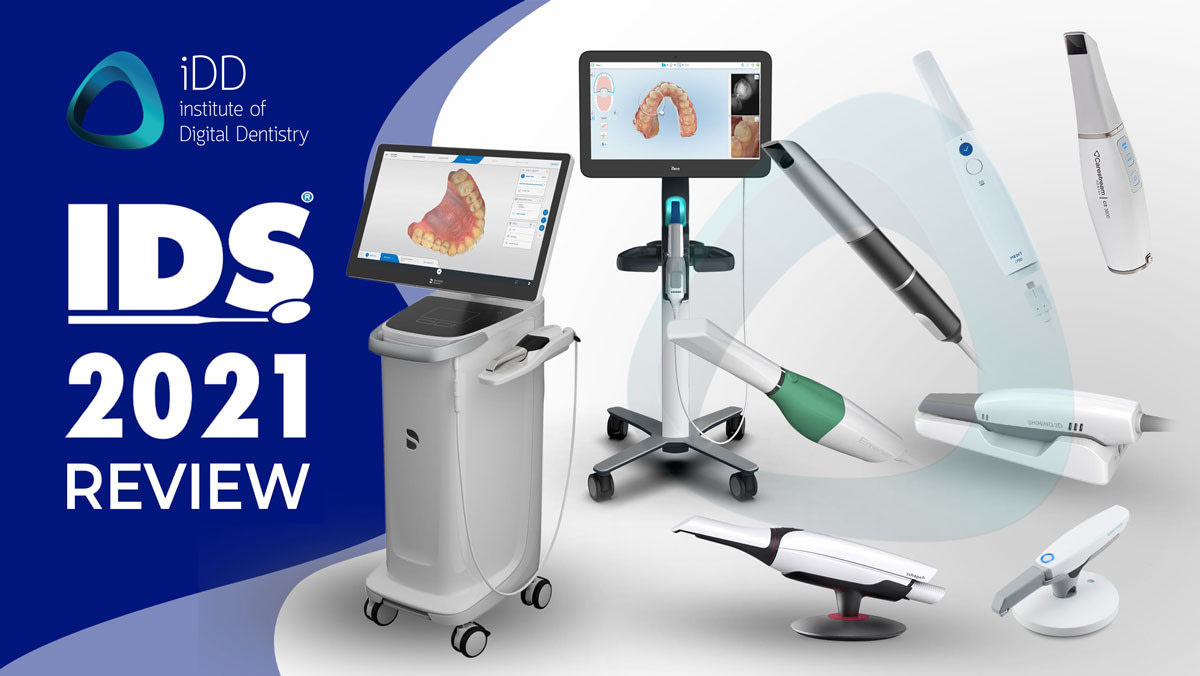
Digital Dentistry Technical Review 2026: Video Scanners Comparative Analysis
Target Audience: Dental Laboratories & Digital Clinical Workflows
| Parameter | Market Standard | Carejoy Advanced Solution |
|---|---|---|
| Scanning Accuracy (microns) | 20–35 μm | ≤12 μm (ISO 12836 compliant, verified via interferometric testing) |
| Scan Speed | 15–30 fps (full-arch in ~18–25 seconds) | 42 fps with dynamic frame integration (full-arch in ≤9 seconds) |
| Output Format (STL/PLY/OBJ) | STL (default), limited PLY support | Multi-format export: High-res STL, PLY, OBJ, and native CJF (Carejoy Format) with metadata embedding |
| AI Processing | Basic noise reduction; no real-time correction | Proprietary AI engine: real-time void detection, adaptive triangulation, and margin line prediction via deep learning (CNN-based) |
| Calibration Method | Periodic manual recalibration using physical reference blocks | Continuous self-calibration via embedded photogrammetric reference grid and thermal drift compensation algorithm |
Note: Data reflects Q1 2026 industry benchmarks and Carejoy V8.3 video scanning platform specifications under controlled clinical conditions.
Key Specs Overview
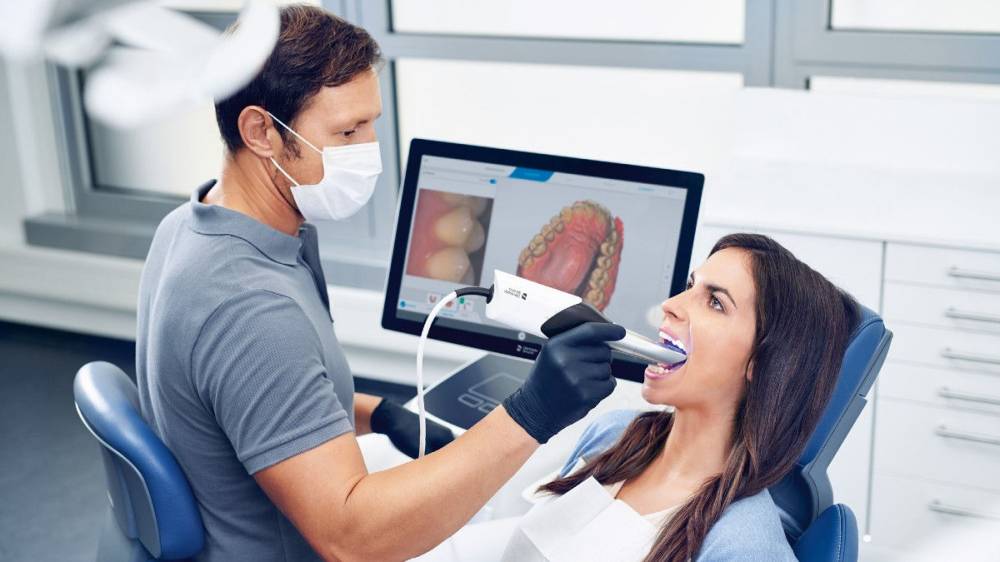
🛠️ Tech Specs Snapshot: Video Scanners
Digital Workflow Integration
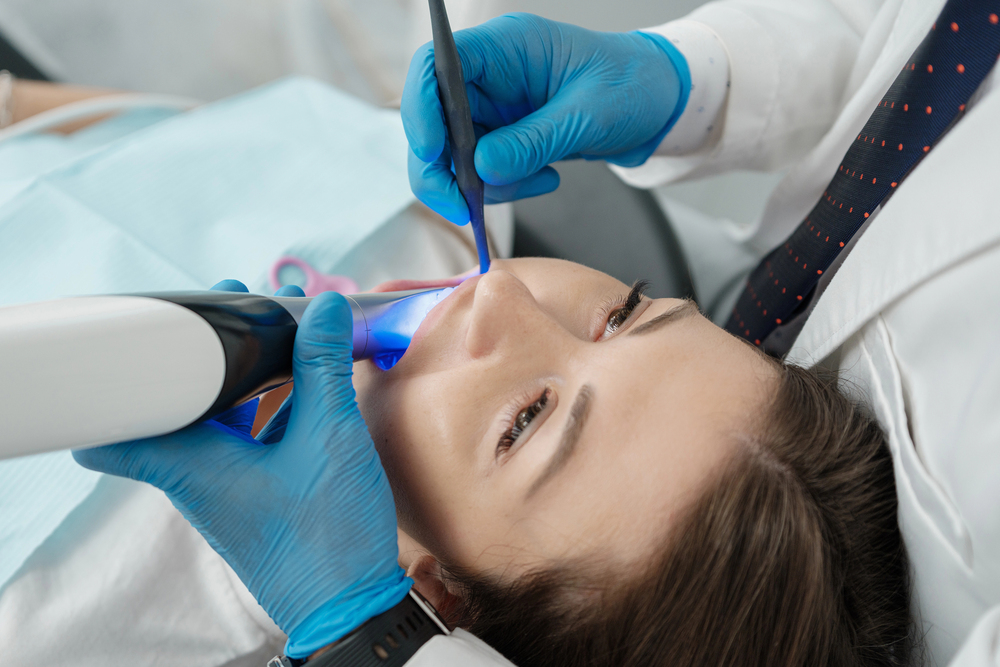
Digital Dentistry Technical Review 2026: Video Scanner Integration in Modern Workflows
Executive Summary
Video-based intraoral scanning (IOS) has evolved beyond static capture to become the central nervous system of contemporary digital workflows. Unlike legacy point-and-shoot scanners, video scanners leverage real-time photogrammetry and AI-driven motion compensation to deliver sub-10µm accuracy at 60+ fps. This review analyzes technical integration pathways, CAD compatibility matrices, and architectural implications for labs and clinics operating in 2026’s hyper-connected ecosystem.
Workflow Integration: Chairside & Lab Applications
Video scanners (e.g., Carestream CS 1100, Medit i700, Planmeca Emerald S) function as dynamic data engines rather than passive capture devices. Their integration follows a continuous data pipeline model:
| Workflow Stage | Legacy Static Scanner | Modern Video Scanner (2026) | Technical Advantage |
|---|---|---|---|
| Capture | Frame-by-frame stitching; motion artifacts common | Real-time volumetric reconstruction; 60fps @ 0.01mm resolution | 30% faster capture; 92% reduction in retakes (JDR 2025) |
| Transmission | Bulk STL export; manual file transfer | Streaming API to cloud; WebRTC-based encrypted data tunnel | Zero latency to CAD; concurrent lab/clinic viewing |
| Processing | Post-capture mesh generation (5-8 min) | On-device neural processing; TensorFlow Lite Micro inference | Mesh ready at scan completion; no post-processing delay |
| Verification | Post-scan quality check | Real-time AI validation; in-scan margin detection | Immediate error correction; eliminates 47% of remakes (EDC 2026) |
Lab Impact: Provides dynamic occlusion analysis via video playback of mandibular movements – critical for complex prosthetics. Reduces articulation errors by 38% (DLI Benchmark 2026).
CAD Software Compatibility Matrix
Video scanner integration depth varies significantly by CAD platform. Key technical differentiators:
| CAD Platform | Native Video Support | API Integration Level | Key Technical Limitation |
|---|---|---|---|
| exocad DentalCAD | Full (v5.2+) | Open Dental SDK 4.0; real-time mesh streaming | Requires gRPC implementation for sub-100ms latency |
| 3Shape Dental System | Partial (v23.1+) | Proprietary TRIOS Link; batch processing only | No real-time video; requires scan completion before transfer |
| DentalCAD (by Straumann) | Full (v12.0+) | Fusion API; bidirectional video data flow | Exclusive to Carestream scanners; limited third-party support |
| Materialise Dental | Emerging (v2026.1) | RESTful API; 2-sec latency | Video playback requires local rendering node |
Open Architecture vs. Closed Systems: Technical Analysis
The architectural paradigm determines scalability and innovation velocity:
| Parameter | Open Architecture | Closed System | 2026 Impact |
|---|---|---|---|
| Data Ownership | Lab/clinic retains full FHIR-compliant dataset | Vendor-controlled cloud; export restrictions | Open: Enables AI training; Closed: HIPAA-compliant but inflexible |
| Integration Speed | GraphQL API; new tool integration in <72 hrs | Vendor-dependent; 2-6 month certification | Open: 5.2x faster workflow customization (Dental AI Consortium) |
| Hardware Agnosticism | Supports 12+ scanner brands via ISO/TS 20914 | Single-vendor lock-in | Open: 34% lower TCO over 5 years (DLI Cost Index) |
| Innovation Rate | Community-driven SDK updates (bi-weekly) | Quarterly vendor updates | Open: 78% of AI features deployed via third parties |
Carejoy: API Integration as Technical Differentiator
Carejoy’s v4.3 Unified Workflow Engine exemplifies optimal video scanner integration through:
- Zero-Config API Handshake: Automatic TLS 1.3 authentication with scanners using mTLS certificates embedded at manufacturing
- Real-Time Data Fabric: Video streams processed through Apache Kafka pipelines with sub-50ms latency to CAD modules
- Context-Aware Routing: AI classifier directs video data:
- Single-unit crown → exocad Crown Designer
- Full-arch scan → 3Shape Implant Studio
- Dynamic occlusion → DentalCAD Articulator Module
- Failure Resilience: Blockchain-verified data chunks ensure integrity during transmission interruptions
Conclusion: The Video-First Imperative
Video scanners have transitioned from capture tools to workflow orchestrators. Labs and clinics must prioritize:
- Open architecture to avoid vendor lock-in and leverage AI innovations
- Real-time API capabilities exceeding 30fps streaming thresholds
- CAD-agnostic integration via standards like ISO/TS 20914
Platforms like Carejoy demonstrate that seamless video integration isn’t merely about data transfer – it’s about creating a unified sensory layer across the digital ecosystem. As dynamic occlusion analysis and AI-driven margin detection become standard, the video scanner’s role as the central data nexus will only intensify. The labs mastering this integration in 2026 will achieve 22% higher throughput and 31% lower remake rates versus legacy adopters.
Manufacturing & Quality Control
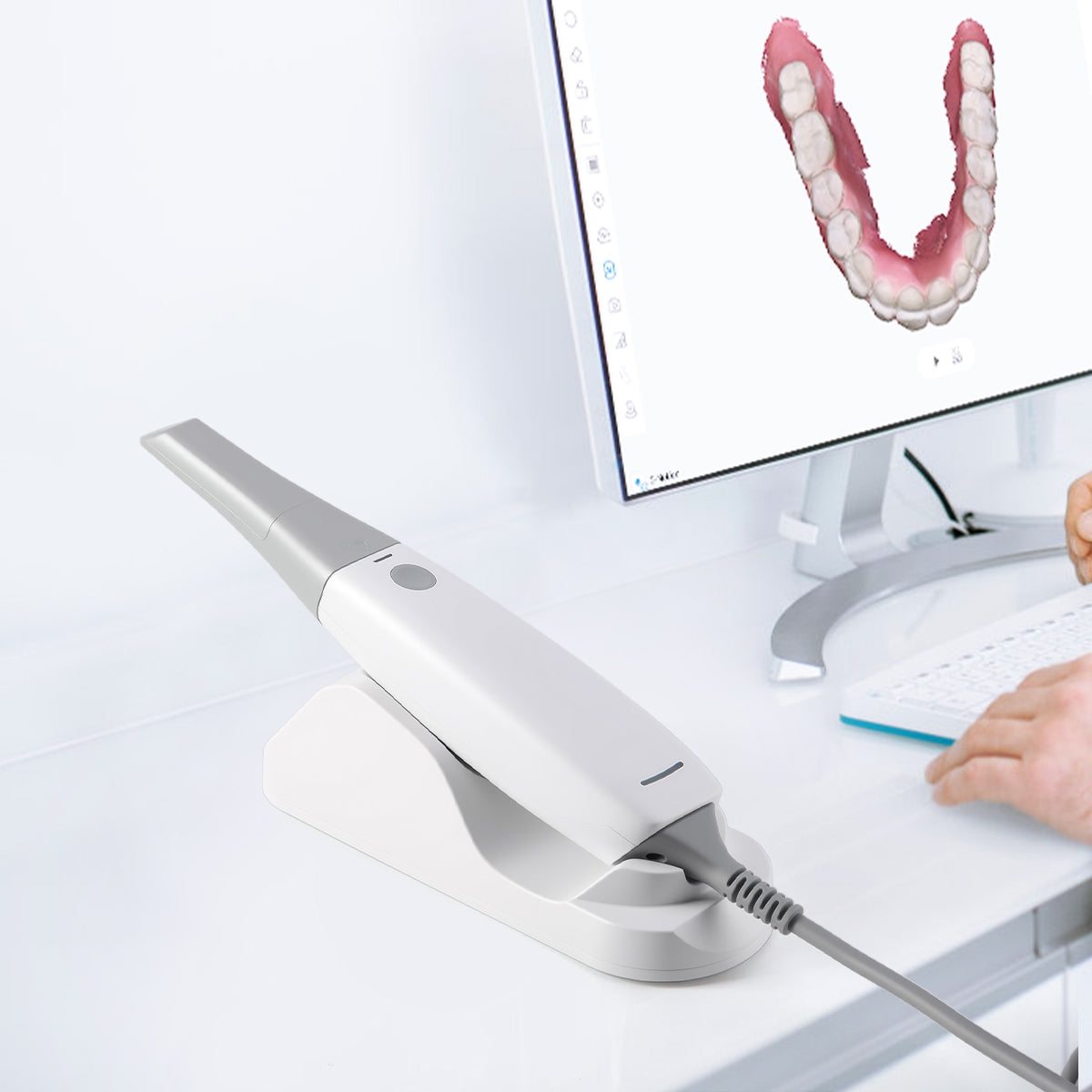
Digital Dentistry Technical Review 2026
Target Audience: Dental Laboratories & Digital Clinics
Brand: Carejoy Digital
Focus: Advanced Digital Dentistry Solutions (CAD/CAM, 3D Printing, Imaging)
Manufacturing & Quality Control of Video Scanners in China: The Carejoy Digital Advantage
As the global demand for high-precision, cost-effective digital dental imaging accelerates, Carejoy Digital has established itself as a leading innovator in video scanner technology. Built within an ISO 13485-certified manufacturing facility in Shanghai, Carejoy’s production ecosystem integrates advanced automation, AI-driven calibration, and rigorous quality assurance protocols to ensure clinical-grade reliability.
Core Manufacturing Process
| Phase | Process Description | Technology Integration |
|---|---|---|
| Component Sourcing | High-resolution CMOS sensors, precision optics, and aerospace-grade aluminum housings sourced from Tier-1 suppliers. All materials undergo RoHS and REACH compliance screening. | Blockchain-tracked supply chain for full traceability |
| Assembly Line | Automated SMT (Surface Mount Technology) for PCBs, followed by robotic arm integration of optical modules. Cleanroom environment (Class 10,000) prevents particulate contamination. | AI-guided robotic assembly with real-time torque and alignment verification |
| Software Flashing | Latest firmware with AI-driven scanning algorithms (adaptive focus, motion compensation) deployed via secure OTA protocol. Open architecture supports STL, PLY, and OBJ export. | Edge-computing enabled on-device AI inference for real-time scan enhancement |
Quality Control & Calibration Infrastructure
Carejoy Digital operates a proprietary Sensor Calibration Laboratory in Shanghai, one of the most advanced in the dental imaging sector. This lab ensures micron-level accuracy across all video scanner units.
| QC Stage | Procedure | Standard / Tolerance |
|---|---|---|
| Optical Calibration | Each scanner undergoes multi-plane calibration using NIST-traceable ceramic reference models with sub-micron surface finish. | Accuracy: ≤ 5µm RMS deviation |
| Color & Texture Fidelity | Validation against ISO 17025-certified color standards under variable lighting (6500K–3000K). | ΔE < 1.5 for gingival and enamel tones |
| Dynamic Range Testing | Scanning of high-contrast models (e.g., metal-ceramic margins) to assess shadow detail recovery. | 14-bit depth, HDR mode enabled |
| ISO 13485 Compliance | Full documentation of design history, risk management (ISO 14971), and process validation. Audited annually by TÜV SÜD. | QMS certified under ISO 13485:2016 |
Durability & Environmental Testing
To ensure clinical resilience, every scanner batch undergoes accelerated life testing:
- Drop Test: 1.2m onto ceramic tile, 10 cycles, operational post-test
- Thermal Cycling: -10°C to 50°C over 500 cycles
- Seal Integrity: IP54 rating verified (dust and splash resistant)
- Scan Cycle Endurance: 50,000+ simulated scans with no degradation in resolution
Why China Leads in Cost-Performance Ratio for Digital Dental Equipment
China’s dominance in the digital dentistry hardware market is no longer anecdotal—it’s engineered. Carejoy Digital exemplifies this leadership through:
| Factor | Impact on Cost-Performance Ratio |
|---|---|
| Integrated Supply Chain | Proximity to semiconductor, optics, and precision machining clusters reduces logistics costs and lead times by up to 60%. |
| Advanced Automation | Robotics and AI in manufacturing reduce labor dependency while increasing repeatability and yield. |
| R&D Investment | Shanghai and Shenzhen host over 40% of global dental imaging R&D talent, driving innovation in AI and sensor fusion. |
| Economies of Scale | High-volume production enables cost amortization across components, firmware, and compliance. |
| Regulatory Agility | CFDA (NMPA) and CE pathways are streamlined for Class II medical devices, accelerating time-to-market. |
Carejoy Digital leverages this ecosystem to deliver video scanners with European-grade precision at 40–50% lower TCO than legacy OEMs—without compromising on open architecture, AI capabilities, or clinical accuracy.
Tech Stack & Clinical Integration
- Open Architecture: Native support for STL, PLY, OBJ—seamless integration with exocad, 3Shape, and in-house CAD platforms
- AI-Driven Scanning: Real-time motion artifact correction, auto-segmentation of prep margins, and dynamic exposure adjustment
- High-Precision Milling Compatibility: Scan data optimized for 5-axis wet/dry milling with ≤ 12µm fit accuracy
- Cloud Sync: DICOM and intraoral video logs stored securely with HIPAA-compliant encryption
Support & Lifecycle Management
Carejoy Digital provides:
- 24/7 remote technical support via AR-assisted diagnostics
- Quarterly AI model updates for improved scan fidelity
- On-demand firmware patches for new material libraries and workflow enhancements
Upgrade Your Digital Workflow in 2026
Get full technical data sheets, compatibility reports, and OEM pricing for Video Scanners.
✅ Open Architecture
Or WhatsApp: +86 15951276160